REVIEW · POKHARA
Mardi Himal Newly Discovered Trekking from Pokhara Nepal
Book on Viator →Operated by Fewa Trail Treks and Expedition Pvt Ltd · Bookable on Viator
Quiet trails, big Himalayan payoff. This 7-day Mardi Himal trek starts in Pokhara, winds up through rhododendron and oak forests, and pushes to 4,500 m Mardi Himal Base Camp—often feeling far less crowded than the well-known Annapurna Base Camp path.
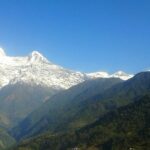
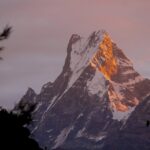
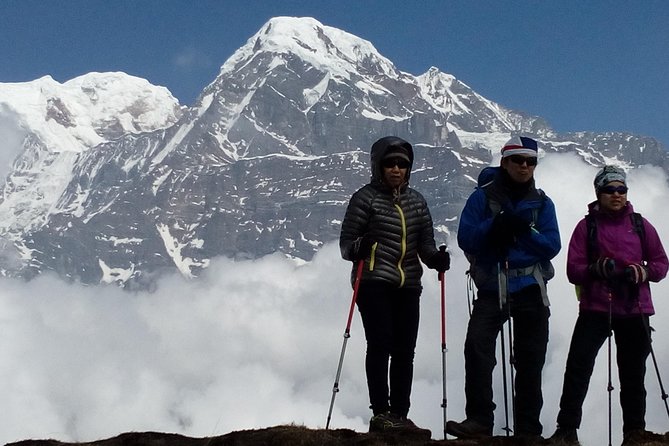
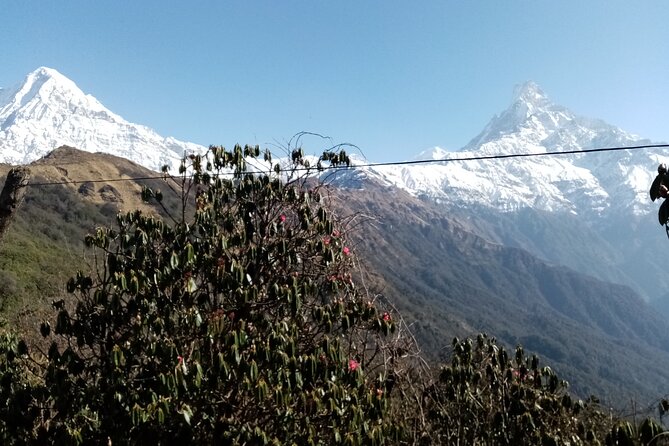
What I like most is the route choice: Mardi Himal is a newer trekking option that keeps the scenery dramatic while staying off the busiest highways of foot traffic. You also get close views of Machhapuchhre (Fishtail), along with Annapurna South, as you climb higher.
I also like the logistics for real humans. Your plan includes hotel pickup/drop-off in Pokhara Lakeside, an English-speaking guide, and car/jeep transfers to connect the trail sections smoothly. That means less time wrestling with transport and more time focused on walking and altitude pacing.
One consideration: you still face real climbing. Days are long—up to around 7 hours on some legs—and you should have moderate physical fitness, especially because you’re working around increasing altitude (and you might see snow patches depending on season).
In This Review
- Key highlights you’ll actually care about
- Why Mardi Himal feels like a smart alternative in Pokhara
- The trail in plain English: Day-by-day route flow
- Day 1: Pokhara → Kande → Deurali (drive, then first uphill hike)
- Day 2: Deurali → Forest Camp (rhodo/oak forests and village passage)
- Day 3: Forest Camp → Low Camp (views open up, Machhapuchhre comes into focus)
- Day 4: Low Camp → High Camp (steady climb and acclimatization night)
- Day 5: High Camp → Mardi Himal Base Camp (4,500 m) and back
- Day 6: High Camp → Siding Village (big descent, culture returns)
- Day 7: Siding Village → Lumle (trek) then drive back to Pokhara
- Altitude reality: what 4,500 m means for your body
- Guides make the difference (Milan Rai, Bikram, Sunil Dahal)
- Price and logistics: where the $370 value actually lands
- What to pack and plan: meals, snacks, and long walking days
- Who this trek suits best (and who should choose something else)
- Should you book Mardi Himal with Fewa Trail Treks and Expedition Pvt Ltd?
- FAQ
- How long is the Mardi Himal trek from Pokhara?
- Where does the trek start and where do I end up?
- What is the highest altitude on this trek?
- Are meals included in the $370 price?
- Is there an English-speaking guide?
- What kind of accommodation should I expect?
- Is this a private tour?
- What is the cancellation refund policy?
Key highlights you’ll actually care about
- A less crowded vibe than Annapurna Base Camp with a route people are still discovering
- 4,500 m Mardi Himal Base Camp plus big views of Machhapuchhre (Fishtail)
- Teahouse or lodge nights each day, with enough structure to keep things comfortable
- English-speaking professional guide focused on your safety and pace
- Pickup, park fees, and transport included so you can budget time and money clearly
- New route energy: a trekking path that feels more off the beaten map as you go farther
Why Mardi Himal feels like a smart alternative in Pokhara
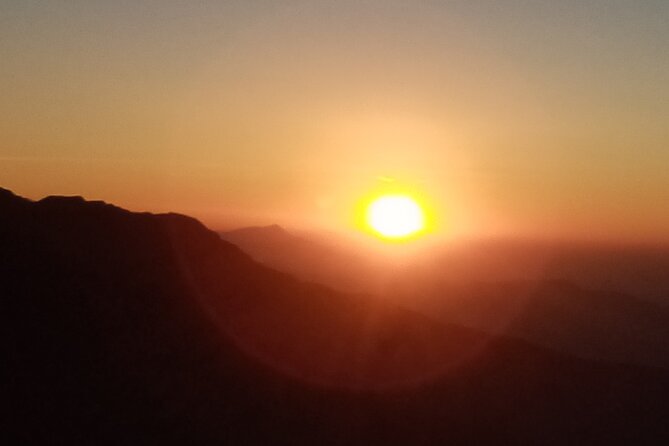
Pokhara is the launchpad for some of Nepal’s most famous trekking names, and it shows. Classic routes can be beautiful, but the trails can also get busy—especially around popular viewpoints and base-camp areas. Mardi Himal gives you a cleaner, quieter feel because it’s positioned as the alternative: a route that’s newer, still growing in popularity, and generally less packed than the super-famous options.
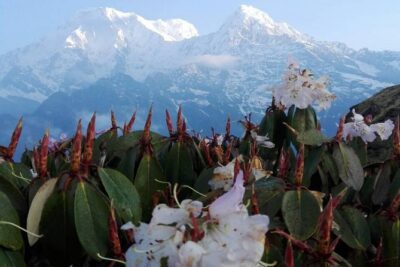
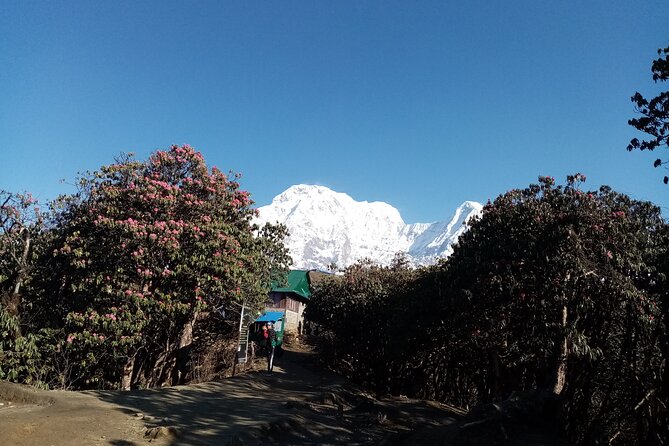
What makes this trek especially appealing is the way it’s shaped. You’re not just chasing altitude for the sake of it. You move through changing ecosystems as the trail rises. Early on you’re in a lush mix of rhododendron and oak. As the trek climbs, vegetation thins and the views open up. That shift matters because it keeps your hiking mentally interesting. You’re not looking at the same slope for seven straight days.
There’s also the attraction of getting iconic mountain scenery without the same crowd pressure. The climb brings you into range of some of the Annapurna region’s best-known shapes—especially Machhapuchhre, the unmistakable Fish Tail peak.
You can also read our reviews of more tours and experiences in Pokhara.
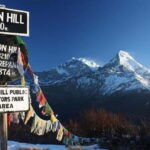
The trail in plain English: Day-by-day route flow
Here’s how the trek plays out, with what each day is really doing for you.
Day 1: Pokhara → Kande → Deurali (drive, then first uphill hike)
You start with a drive from Pokhara to Kande (about an hour). After that, you begin hiking uphill toward Deurali at about 2,100 meters. You’ll likely spend around 7 hours total on the day including the trail time.
This first day is about warmth-up and orientation. You’re walking into the Annapurna/Dhaulagiri panorama early, so your first big goal is simply getting your bearings. Expect a gentle-to-moderate uphill climb and an easy night in a teahouse or lodge at Deurali.
What to watch: If you’re prone to hiking too fast on day one, try to resist. It’s your body’s rehearsal for the later altitude days.
Day 2: Deurali → Forest Camp (rhodo/oak forests and village passage)
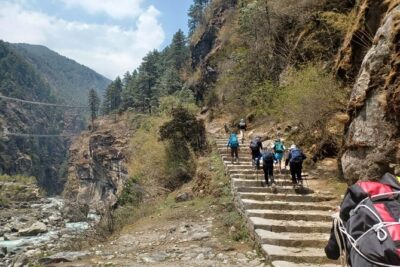
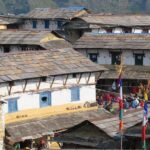
Today you climb from roughly 2,100 meters to Forest Camp at around 2,520 meters, with about 5 hours of hiking time. The trail moves through rhododendron and oak forests, which is a nice change from dry, dusty trekking. You’ll also pass through Pothana, a village you’ll see as part of everyday local life rather than just another viewpoint.
Forest Camp is a great “breather camp.” You arrive at a mid-altitude stop where the views start creeping in, but you’re not yet deep into the thinner-air zone. You sleep in a teahouse or lodge again.
Nice bonus: forest hiking tends to make the trek feel more shaded and steady, which helps if you burn energy easily in the open sun.
Day 3: Forest Camp → Low Camp (views open up, Machhapuchhre comes into focus)
You climb to Low Camp around 2,970 meters, with about 5 hours hiking. The vegetation becomes sparser as altitude increases, and the trail gradually gives you more open sightlines.
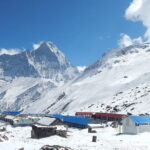
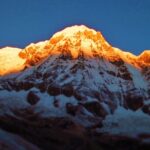
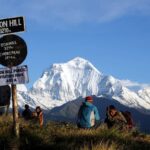
Low Camp is one of the key “mindset” nights. The goal isn’t only to arrive—it’s to soak in the panoramic views, especially Machhapuchhre (Fishtail) and Annapurna South. This is the day where the trek starts feeling like a real high-mountain journey.
What to watch: This is where you should start drinking water consistently, even if you don’t feel thirsty. Altitude can sneak up on you through fatigue.
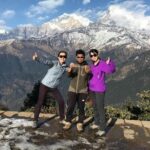
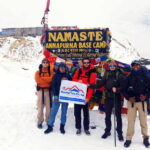
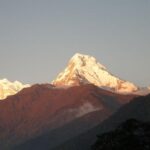
Day 4: Low Camp → High Camp (steady climb and acclimatization night)
Today you reach High Camp at about 3,580 meters in roughly 5 hours. This segment is described as a steady climb, and that’s accurate in feel: you keep moving uphill without the trail turning into a technical challenge.
High Camp is where you really notice the big-window views around the valleys and peaks. You also get another acclimatization night, sleeping at altitude in a teahouse or lodge.
Practical value: taking the day at a steady pace helps you avoid the common mistake of “rushing because base camp feels close.” It’s not close in body terms.
Day 5: High Camp → Mardi Himal Base Camp (4,500 m) and back
This is the signature day. You start early and hike to Mardi Himal Base Camp at about 4,500 meters, then descend back to High Camp. The day is listed around 7 hours total, so it’s a full outing.
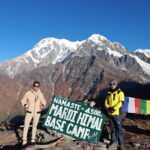
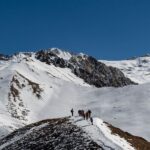
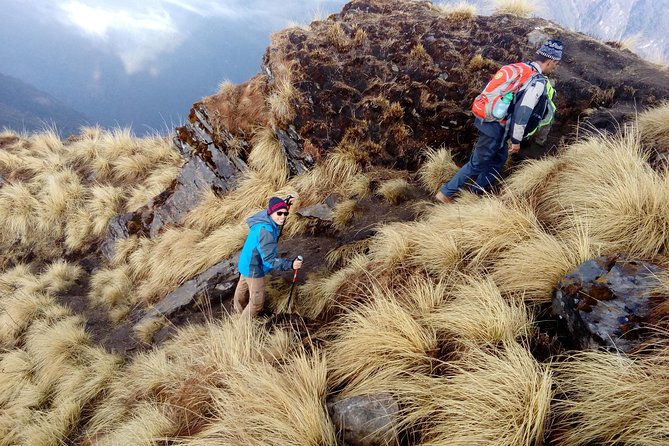
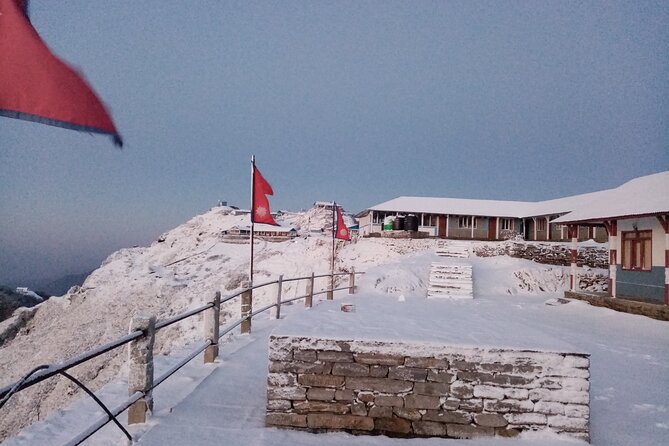
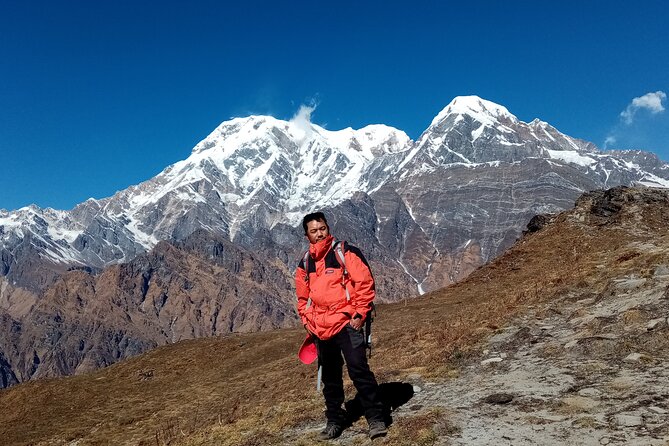
As you go higher, you may see rocky terrain and snow patches depending on the season. You’ll arrive at base camp for close-up views of Mardi Himal itself, again with Machhapuchhre and the wider Annapurna range in the mix.
Then you turn around. Coming back down to High Camp is not just a convenience—it’s smart pacing. You get a longer “up-and-down” day while still finishing the day with the chance to recover at a lower altitude than base camp.
What to watch: Your legs will feel this day. Trekking poles can help a lot, and you’ll want to keep steps short near the rocky section.
Day 6: High Camp → Siding Village (big descent, culture returns)
You drop from High Camp back down to around 1,750 meters in about 7 hours. That’s a meaningful descent, and it can feel both relieving and tough—relieving because the air gets easier, tough because your knees do the work on the way down.
The trail is described as forested again, and you reach Siding Village where you can experience local lifestyle and local rhythm. You sleep in a teahouse or lodge.
Practical thought: If you know you get knee pain on descents, start thinking about how you’ll step early today—slow, controlled, and steady.
Day 7: Siding Village → Lumle (trek) then drive back to Pokhara
You trek from Siding Village to Lumle, where a vehicle meets you, then you drive back to Pokhara. The day is listed at about 5 hours total. After arriving in Pokhara, you’re dropped back at your hotel.
This final day is a satisfying wrap-up: the mountains fade, and you get your normal routines back quickly. It’s also a good time to celebrate with a warm meal and a proper shower if you’re lucky enough to find one right away.
Altitude reality: what 4,500 m means for your body
This trek is not about conquering a summit you can brag about on a poster. The focus is reaching Mardi Himal Base Camp at 4,500 m. The information also notes Mardi Peak’s altitude is 5,587 m, but your planned experience is geared around the base-camp high point rather than pushing all the way to that top.
That’s actually good news for most travelers. Base camp still tests you, but the itinerary is built to manage the climb across several nights. You sleep higher and higher: Deurali, Forest Camp, Low Camp, High Camp, then you reach base camp and come back down.
You might also see snow patches depending on season. That doesn’t automatically mean you’ll need special gear every time, but it does mean you should be prepared for cold mornings and changing ground conditions. Footing matters more when surfaces get icy or uneven.
My advice: treat each day as a pace assignment, not a race. If you feel your breathing tightening, slow down and keep it steady.
Guides make the difference (Milan Rai, Bikram, Sunil Dahal)
A lot of treks sell the view. This one also sells the human side of getting there.
The experience includes an English-speaking professional trekking guide, and the guidance you get can make the difference between a trek that feels stressful and one that feels safe and well-timed. In past experiences with this company, guide names such as Milan Rai and Bikram come up in a big way—especially for being friendly, helpful, and careful about your comfort and pace.
There’s also a manager named Sunil Dahal who’s credited with arranging everything smoothly, from booking rooms to handling vehicle logistics. One practical tip linked to his guidance: advice around carrying snacks—specifically keeping things like dry fruits manageable and not stuffing your day with unnecessary extras.
I think that kind of guidance matters because it’s about reducing friction. On a trek, comfort comes from small decisions: pace, hydration, and carrying a load you can manage without burning energy.
What you’ll likely feel: a guide who’s paying attention to safety and routine, not just collecting you at the next stop. That matters on higher days and on descents when energy drops.
Price and logistics: where the $370 value actually lands
At $370 per person for about seven days, this trek sits in a mid-range pocket for Nepal guided trekking. The reason it feels like decent value is that several “pain points” are handled for you:
- Accommodation included as per the itinerary (teahouse or lodge nights)
- National park fees included
- Hotel pickup and drop-off in Pokhara Lakeside included
- A private tour where only your group participates
- Transfers included, including a private car from Pokhara to Kande and shared Jeep transfer afterward
Also listed: mobile ticket support and confirmation at booking time.
What’s not included is also straightforward: meals and drinks. So you should expect to budget extra for food and hot drinks along the way. That’s normal for teahouse trekking, but it’s worth planning so you don’t hit surprise costs in the middle of the mountains.
Group discount note: the experience mentions group discounts. If you’re traveling with friends, it can be worth asking about how pricing scales for your group size.
Bottom line: if you want a guided route with fewer transport headaches and park fees handled, this package structure makes sense.
What to pack and plan: meals, snacks, and long walking days
Meals aren’t included, but they’re available for purchase. The practical takeaway is that you’ll decide your own food rhythm—tea, meals at teahouses, and snacks you carry. Since the trek runs through multiple villages and teahouses, you’re not stuck in a situation where food is unavailable. Still, you should assume you’ll pay at each stop.
Based on the guidance you may receive from the team (including advice like carrying dry fruits in a light, controlled way), pack snacks that are easy to eat, easy to carry, and not messy. Think small portions rather than a full pantry.
For day-to-day trekking comfort:
- Wear layers you can adjust because mornings near higher camps are colder.
- Plan for rocky uphill and possible snow patches on the high day.
- Expect long walking totals on day 5 and day 6.
If you want one simple rule: keep your day pack light enough that you don’t feel it by hour two.
Who this trek suits best (and who should choose something else)
This fits best if you:
- want a 7-day trek that reaches a serious altitude without an extreme summit push
- like scenery that changes as you climb—forests to open views to base-camp terrain
- prefer a guided, structured experience with pickups, transfers, and teahouse nights handled
- have moderate physical fitness and can handle long walking days
It may not be ideal if you:
- want an easy stroll with short hiking times every day
- hate cold mornings or uneven, rocky footing
- are looking for a trek where all meals are included (you’ll pay for food and drinks)
Also note: children must be accompanied by an adult, and children/adults should match the moderate fitness expectation.
Should you book Mardi Himal with Fewa Trail Treks and Expedition Pvt Ltd?
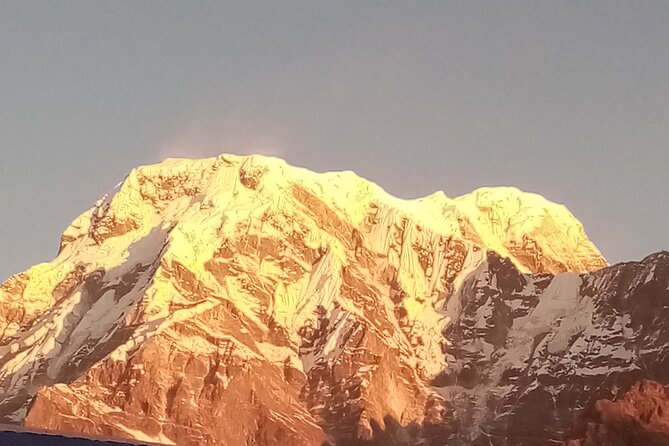
I’d consider booking this trek if your goal is a mountain experience with a quieter feel than the most famous Annapurna base-area crowds—and you want a guide who can keep the day pacing sensible. The included structure (pickup/drop-off, park fees, teahouse accommodation, and transfers) is the kind of convenience that actually helps when you’re tired, cold, and moving uphill.
If you’re price-sensitive, remember that meals and drinks aren’t included, so factor in daily spending for food. If you’re altitude-sensitive, trust the itinerary pacing: it’s built around sleeping progressively higher and doing a round-trip day to base camp.
Finally, if you care about guide quality, this company’s track record shows up through real guide names like Milan Rai and Bikram, plus manager Sunil Dahal’s role in keeping the details running. That human support is often what turns a tough trek into a memorable one.
FAQ
How long is the Mardi Himal trek from Pokhara?
It runs for about 7 days.
Where does the trek start and where do I end up?
It starts after pickup from your hotel in Pokhara Lakeside and ends with a drop-off back to your hotel in Pokhara.
What is the highest altitude on this trek?
You reach Mardi Himal Base Camp at about 4,500 meters. The information also notes Mardi Peak is 5,587 meters, but the planned trek high point is the base camp.
Are meals included in the $370 price?
No. All meals and drinks are not included, though they are available to purchase during the trek.
Is there an English-speaking guide?
Yes. The experience includes an English-speaking professional trekking guide.
What kind of accommodation should I expect?
You stay in a teahouse or lodge on the trekking nights, as set out by the itinerary.
Is this a private tour?
Yes. It’s a private tour/activity, so only your group participates.
What is the cancellation refund policy?
You can cancel up to 6 days in advance for a full refund. Cancel 2–6 days before for a 50% refund. Cancel less than 2 days before, and the amount paid is not refundable.