REVIEW · SAPA
One day Trekking in Sapa and Muong Hoa Valley with local guide
Book on Viator →Operated by Color Vietnam Travel · Bookable on Viator
Rice terraces and real village life in one day. This Sapa trek pairs a 15km walk through rice fields and valleys with a local English-speaking guide from ethnic communities like Black Hmong and Red Dzao, so you don’t just see places—you get context for how people live there. Between viewpoints, hamlets, weaving stops, and a proper local lunch, it’s a strong one-day way to experience the Muong Hoa Valley area without wasting half your time on logistics.
I like that the route is built around multiple villages (Y Linh Ho, Lao Chai, and Ta Van), with a Sapa Market stop to balance the hiking with culture and small-batch crafts. The main consideration is physical effort: it’s about 7 hours on the move, with a steady trek, so you’ll want moderate fitness and to be flexible if conditions are weather-dependent.
In This Review
- Key reasons this trek works well
- Sapa’s village-to-village day: what you’re really paying for
- Choosing a guide who can explain what you see
- Start at 9:00 am: timing that keeps the hills from feeling rushed
- Sapa Market as your culture warm-up (not just souvenir time)
- Muong Hoa Valley: how the scenery shows up on the trail
- Y Linh Ho and Lao Chai: the day’s “slow down and notice” section
- Ta Van village: terraces, culture, and weaving you can actually see
- Price and logistics: when $40 feels like a good deal
- What to wear and how to pace yourself on a 7-hour trek
- Who this Sapa trek is best for
- Should you book this private Sapa and Muong Hoa trek?
- FAQ
- What time does the trek start?
- How long is the Sapa and Muong Hoa trek?
- How much does it cost?
- Is this a private tour?
- What’s included in the price?
- What’s not included?
- Where do you walk during the day?
- Is lunch included?
- Do I need a certain fitness level?
- What happens if the weather is bad?
- Can I cancel for a full refund?
Key reasons this trek works well
- Local English-speaking guide (including Anh): you’ll get explanations as you walk, not just directions.
- A true village route: Y Linh Ho, Lao Chai, and Ta Van are part of the day, not just a drive-by.
- Lunch in a local restaurant: food is tied to what farms and gardens grow nearby.
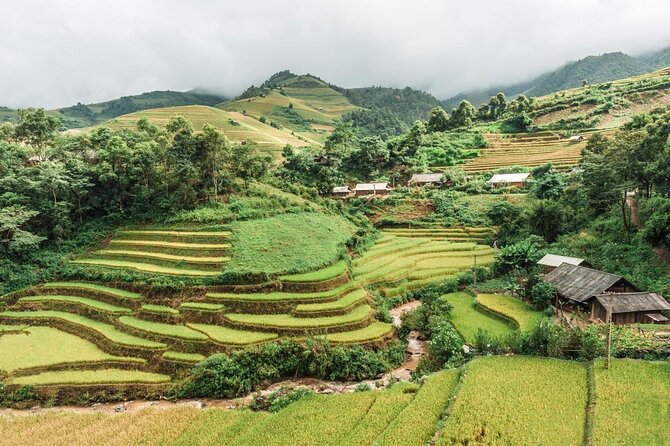
- Muong Hoa Valley scenery by foot: terraces, river views, and falls show up naturally on the trail.
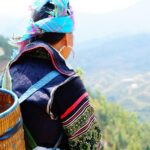
- Weaving and daily life, not just photos: Hmong and Giay culture appear through everyday work like textiles.
Sapa’s village-to-village day: what you’re really paying for
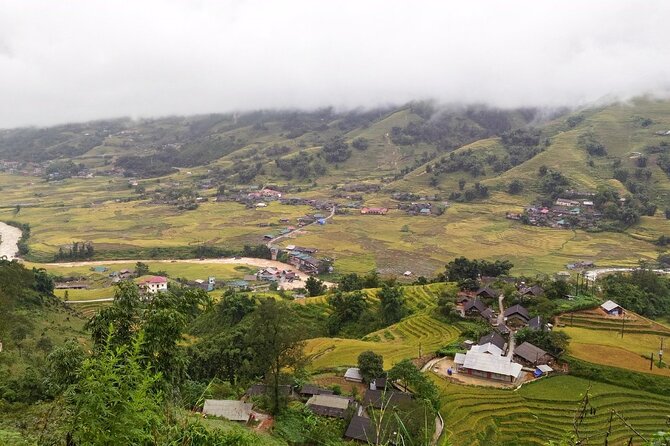
This is a one-day trekking experience in Sapa that blends two things people usually end up missing: the walking route that connects villages and the human side of the region that makes Sapa more than a postcard. You’ll start in the morning and head into the countryside along rice-field paths, then loop through village stops like Y Linh Ho and Lao Chai before continuing to Ta Van. The pay-off is that the scenery changes as you move—terraces, river bends, and valley views come at you gradually instead of all at once.
At $40 per person, the value depends on your priorities. If you wanted a simple taxi ride with a viewpoint, that’s not what this is. You’re paying for a guided route, private transportation, lunch, and the time someone else spends making sure the day runs smoothly. It also helps that the guides are described as 100% local English speaking, which matters in Sapa, where the best cultural details are often lost when communication is limited.
One more quiet value point: this is designed as a private tour/activity, meaning it’s just your group. That makes a difference for pacing. If you’re slower, you can take photos without feeling like you’re holding up a large bus crowd. If you’re quicker, you’re not stuck behind people who don’t understand the terrain.
You can also read our reviews of more tours and experiences in Sapa.
Choosing a guide who can explain what you see
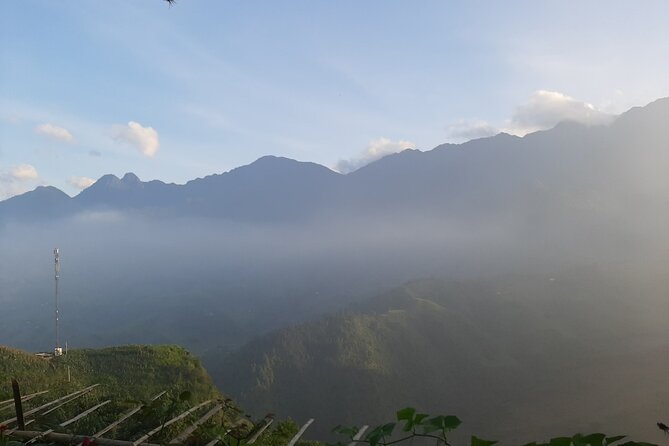
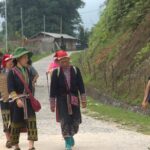
The strongest highlight here is the guide experience. The tour emphasizes local guides—including ethnic minority communities such as Black Hmong, Red Dzao, and Tay—and the feedback you’ll see is that their English is strong. One guide name that comes up is Anh, praised for being attentive and friendly, with English skills that stand out compared to other parts of Vietnam.
Here’s why that matters. In Sapa, the difference between a good and great day often comes down to whether you understand what you’re looking at. When your guide can explain the villages you pass, the weaving traditions you might witness, and what day-to-day life is like in Ta Van or Lao Chai, the route stops feeling like a checklist.
Also, a local guide is helpful on the trail itself. You’ll be walking through farmland paths and village-adjacent routes where footing and timing matter. Even if you’re confident on hikes, you’ll still appreciate having someone who knows where to slow down for views and where the walk becomes easier or more interesting.
Start at 9:00 am: timing that keeps the hills from feeling rushed
The day starts at 9:00 am. That timing is smart. Sapa weather and light can shift fast, and a late morning start can mean you’re hiking in harsher sun or missing the calmer morning atmosphere around rice fields. With a morning departure, you also get your main hiking window before you hit heavier crowds elsewhere in town.
You’ll likely begin from your homestay or hotel, and you’ll be set up for a trek that covers around 15 km through the countryside. The tour structure then keeps you moving: market stop, valley trekking, lunch break, more village walking, then pickup from Ta Van around 3:30 pm to return you to your accommodation.
There’s a practical side to this schedule: you’re not stuck doing one long slog without breaks. Lunch comes mid-day in Lao Chai, and there are multiple village points that naturally segment the walk, so your energy isn’t spent only on the hardest stretch.
Sapa Market as your culture warm-up (not just souvenir time)
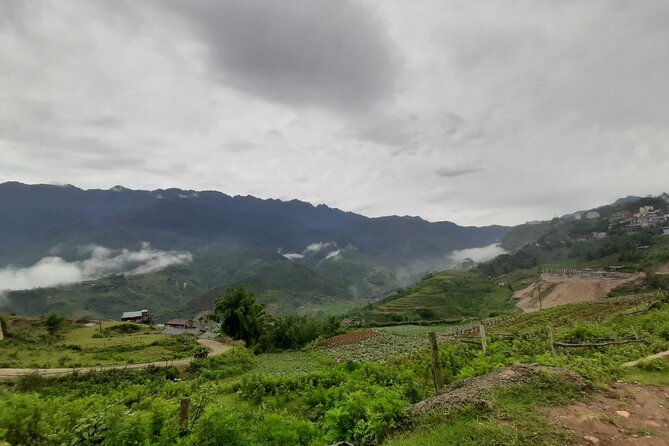
The tour includes a Sapa Market stop, which works as a warm-up before the hike. Markets in this region are where you see local trade in action—what people buy, what they sell, and how daily life connects to the larger tourist world.
This is also one of the easier places in your day to browse for small crafts and souvenirs. If you care about taking home something that’s locally made rather than generic, you can use this moment to shop lightly and ask questions. The guide’s presence helps here too. You’ll be able to understand what you’re seeing and what’s worth paying attention to.
The potential drawback: markets can sometimes feel busy compared to the trails. If you prefer quiet nature from minute one, you might mentally treat this stop as a quick cultural checkbox, not the heart of the day. You still come away with a better sense of how Sapa life feels beyond the hiking route.
Muong Hoa Valley: how the scenery shows up on the trail
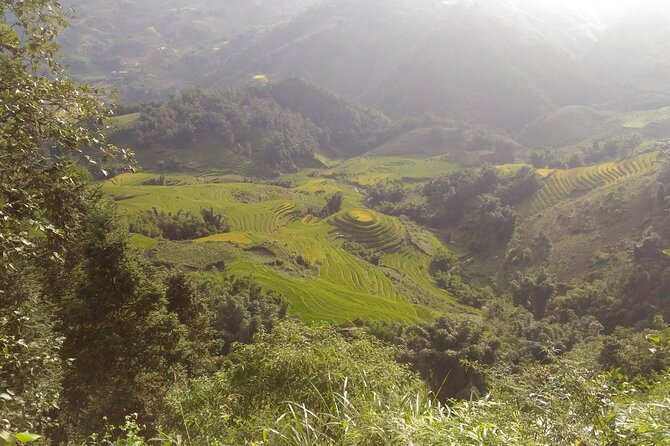
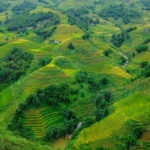
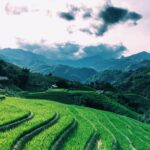
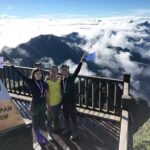
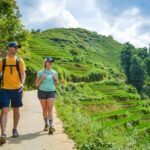
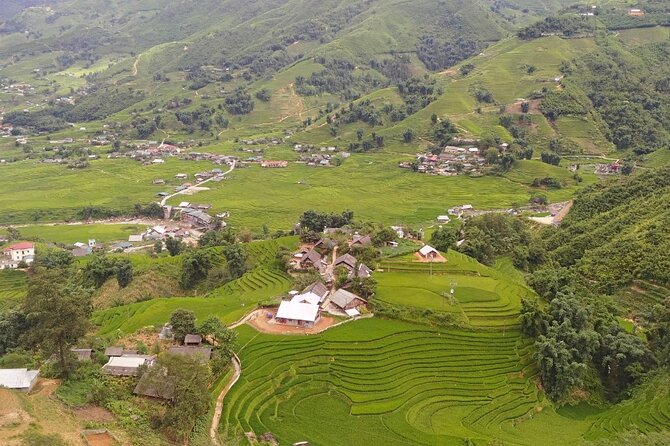
The trekking portion brings you into the Muong Hoa Valley area, and the sights are described as terraced rice fields, a meandering river, majestic mountain views, and waterfalls. What I like about this design is that those features show up as you walk, which keeps your attention on what’s happening right now rather than chasing one big highlight.
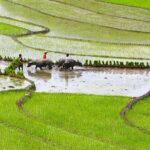
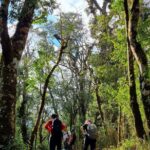
Along the way, you may pass through mixed countryside features like rice terraces and even bamboo areas, plus the kind of working-landscape details that make the valley feel real. One review highlighted bamboo fields and buffalo on the paths, which matches the general feel of farming routes here: you’re not only looking at nature; you’re moving through a working landscape.
A key consideration: valley walking can feel different depending on the day. Trails can be slick or tiring if conditions are wet, and the overall day length is long enough that you’ll want comfortable shoes. The tour also notes that it needs good weather, so if conditions are poor, you may be offered a different date or a refund.

Y Linh Ho and Lao Chai: the day’s “slow down and notice” section
After leaving your homestay or hotel, you start with about a 15 km trek along paths through rice fields. The first village stop named is Y Linh Ho, described as a tranquil place. This early segment is where the walk starts to feel special, because you’re still fresh and the countryside is open in front of you.
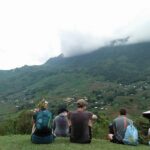
Then you continue trekking to Lao Chai. This is where lunch happens, in a local restaurant. The emphasis is on traditional dishes that come from local farms and gardens, which is exactly what you want during a trekking day: food that tastes like the place you’re walking through.
Based on what people report, the meal can include a mix of rice-focused dishes and choices of meat such as beef, pork, or chicken. Even if your exact menu varies, the idea stays consistent: you’re eating in a village setting, not in a high-speed tourist restaurant line.
Drawback to plan around: lunch time is valuable. Don’t treat it like a quick break and then sprint back onto the trail. Give yourself time to eat, hydrate, and let your guide explain what you’re seeing—this is where the day becomes more than exercise.
Ta Van village: terraces, culture, and weaving you can actually see
After lunch, you walk to Ta Van village, and the scenery is described as terraced rice fields again plus a river, dramatic valley views, and waterfalls. The Ta Van portion is where the day shifts from walking through farmland to walking alongside more visible daily village life.
One of the most praised elements here is the cultural side. You’ll see traditional weaving and everyday lifestyle patterns of the Hmong and Giay minority communities. This is the kind of stop that works best when you approach it with curiosity instead of a checklist mindset. If you watch weaving or ask simple questions through your guide, you’ll probably get more out of those moments than you would from photos alone.
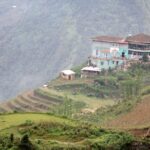
Also, the village atmosphere is described as full of everyday life—children, homes, and normal routines. That’s part of why the route feels authentic. It’s not just a staged photo spot; you’re walking through places where people are living their day.
At the end, you’re picked up from Ta Van at 3:30 pm by car and taken back to your accommodation. That timing is good because it prevents the “late finish” fatigue that can make a long trekking day feel more tiring than it needs to.
Price and logistics: when $40 feels like a good deal
Here’s the honest math. The price is $40 per person for a day that includes:
- lunch
- bottled water
- private transportation
- all fees and taxes
- a guide and the trekking plan
What’s not included is mainly drinks and tips. That’s typical, but it’s worth planning for. If you assume everything is included, you might get surprised by how much you end up spending on water beyond what’s provided, or on drinks during market time.
Is $40 “cheap” or “expensive”? For the structure here—private transport plus a village trek plus lunch—it usually lands in the reasonable-to-good zone if you’re serious about doing more than a short scenic walk. If you’re a strong independent hiker and you already know the route, you might be able to DIY at lower cost. But if you want the English-speaking local interpretation and you want to be guided between villages like Y Linh Ho, Lao Chai, and Ta Van, the guide value becomes the core of the price.
The private format is part of the value too. A shared group can be cheaper, but it often means waiting, stopping on someone else’s pace, or missing the chance to ask questions when the group is in a rush.
What to wear and how to pace yourself on a 7-hour trek
The tour is listed as requiring moderate physical fitness, and that’s accurate for a day that includes a 15 km trek plus village walking and stops. If you’re comfortable with hiking shoes and can handle several hours of walking, you’ll likely feel good during the day.
Your best practical choices are simple:
- wear closed-toe shoes with grip
- carry a light layer in case the weather shifts
- plan to hydrate steadily, especially because the schedule is active from late morning to mid-afternoon
Because the tour requires good weather, don’t lock yourself into this day unless your plans allow flexibility. If conditions are poor, the tour may be rescheduled or you’ll receive a full refund. That’s the trade-off of hiking in the mountains: nature decides some of your schedule.
Pacing tip: don’t sprint at the start just because the morning feels easy. Rice-field and village paths can feel deceptive—some segments are gentle, others take more effort than you expect. Let your guide set the rhythm and use village moments like Y Linh Ho and Lao Chai as natural breaks.
Who this Sapa trek is best for
I think this tour is a strong match if you want:
- a guided, village-to-village walk rather than a single viewpoint circuit
- local context around Hmong and Giay weaving and everyday life
- an English-speaking guide you can actually talk to, including people like Anh who are noted for friendliness and strong communication
- a full day plan that includes Sapa Market, a valley trek, and lunch
It’s less ideal if you want a very short, gentle stroll or if you’re dealing with mobility issues. The terrain is described as moderate fitness, and the day runs about 7 hours.
If you’re traveling with someone who’s less confident on hikes, you’ll still be able to do it with the right attitude. Just know you may need slower pacing, more photo stops, and extra time for comfort.
Should you book this private Sapa and Muong Hoa trek?
Book it if you want a real Sapa day with local village context, strong English guidance, and a route that actually connects multiple places instead of staying in one area. The value is strongest when you care about lunch in a village setting, cultural stops like weaving, and getting explanations as you walk.
Skip or rethink if you dislike longer hikes, aren’t comfortable with moderate trekking, or you’re not flexible if weather disrupts plans. But if you’re ready for a structured day of walking through rice terraces and village life, this is one of the more thoughtful ways to spend your limited time in Sapa.
FAQ
What time does the trek start?
The tour starts at 9:00 am.
How long is the Sapa and Muong Hoa trek?
It runs about 7 hours (approx.).
How much does it cost?
It costs $40.00 per person.
Is this a private tour?
Yes. It’s a private tour/activity, and only your group participates.
What’s included in the price?
Lunch, private transportation, all fees and taxes, and bottled water are included.
What’s not included?
Tips and drinks are not included.
Where do you walk during the day?
You’ll trek through rice fields and visit villages including Y Linh Ho, Lao Chai (for lunch), and Ta Van, plus you’ll include a Sapa Market stop and the Muong Hoa Valley area.
Is lunch included?
Yes. Lunch is included during the day.
Do I need a certain fitness level?
You should have a moderate physical fitness level.
What happens if the weather is bad?
The experience requires good weather. If it’s canceled due to poor weather, you’ll be offered a different date or a full refund.
Can I cancel for a full refund?
Yes. You can cancel up to 24 hours in advance of the experience for a full refund.