REVIEW · CHIANG MAI
Chiang Mai: 3-Day Karen Hill Tribe Immersion with Trekking
Book on GetYourGuide →Operated by Maewin and Family Trekking Tour · Bookable on GetYourGuide
A Karen trek you can feel in your bones. This 3-day walk in Doi Inthanon mixes forest trails, community-owned village camps, and natural waterfall swimming with real time inside Karen family life.
I especially like the way the day-to-day jungle stops turn into practical lessons, and how the group shares quiet, simple meals that feel genuinely lived-in rather than staged.
I love how the guide points out jungle details you’d miss alone, with stops focused on fruits, herbs, and animals. I also love the built-in waterfall swim breaks, which give you a reason to keep moving when the trail gets steep.
One drawback: expect real effort, especially on Day 1, plus basic village camps with cold showers. This is not a comfort-first hike, and if you’re expecting easy walking, you’ll feel it.
In This Review
- Key Highlights Worth Marking on Your Map
- Chiang Mai to Doi Inthanon: The Start That Sets the Tone
- Day 1 Forest Paths, Bamboo Groves, and Firelight Dinner Under Stars
- Day 2 Karen Village Life: Clothing, Cooking, and Gibbons in the Trees
- Day 3 Waterfalls and Farewell Meal by the Water
- Price and Value: What Your $158 Really Buys in Remote Karen Land
- What the Guides’ Jungle Skills Add to Your Walk
- Packing and Pace: 5–7 Hours of Uneven Trail Plus Cold Showers
- Village Etiquette: Photos, Modest Dress, and Carry-Out Trash
- Who Should Book This Trek, and Who Should Skip It
- Should You Book the Karen Hill Tribe Trek from Chiang Mai?
- FAQ
- How long is the Karen hill tribe trekking experience?
- What meals are included?
- Do I need swimwear?
- What fitness level do I need?
- What’s the group size?
- Is this suitable for children or people with mobility issues?
Key Highlights Worth Marking on Your Map
- Karen family-run nights in remote camps where you eat, cook, and chat as part of daily life
- Forest lessons on native plants and what’s useful, practical, and still used locally
- Waterfall hopping (up to five) with spots that are suitable for swimming
- Small group size (up to 15) so questions don’t get lost in the crowd
- A guide-led pace that keeps you safe on uneven jungle terrain (and helps you notice wildlife)
Chiang Mai to Doi Inthanon: The Start That Sets the Tone
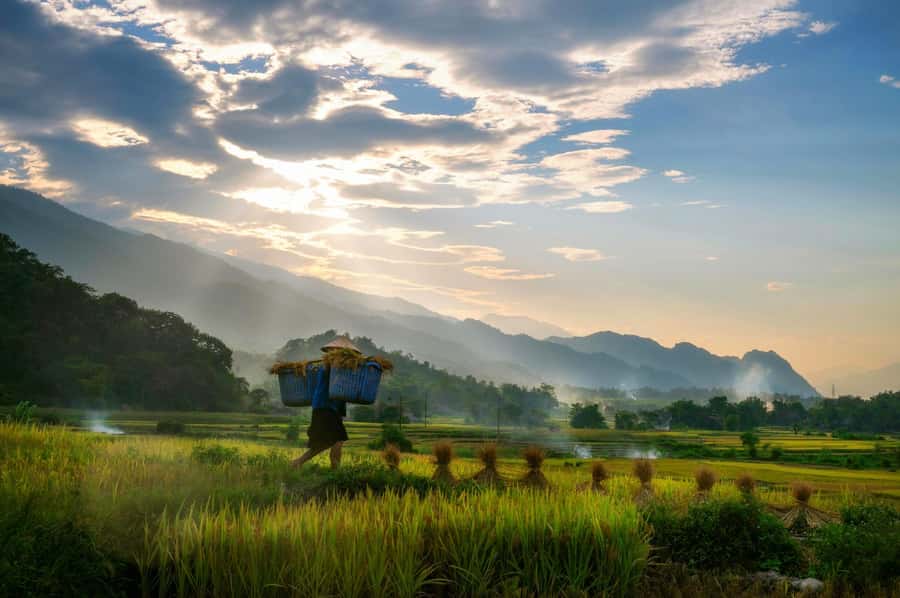
You start in Chiang Mai with hotel pickup, then you’re on the road before you’ve had time to fully wake up. Pickup timing runs by area, with central Chiang Mai starting around 7:00–7:10 AM, then later for mid-range and outer neighborhoods. You wait in the lobby about 10 minutes before your pickup time, which keeps the schedule calm.
After pickup, there’s a quick stop at a local market. This matters more than it sounds. You’re not just meeting your guide—you’re getting into the rhythm of how locals handle the day: food, supplies, and the small errands that make village life work.
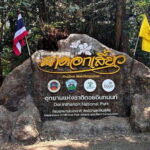
From there, you drive up into Doi Inthanon territory, where the air feels cooler and the greenery thickens. The trek itself begins once you reach the mountain village owned by your host family. That first shift—from car road to family land—sets expectations correctly. You’re not doing a photo safari. You’re walking on living property.
You can also read our reviews of more tours and experiences in Chiang Mai.


Day 1 Forest Paths, Bamboo Groves, and Firelight Dinner Under Stars
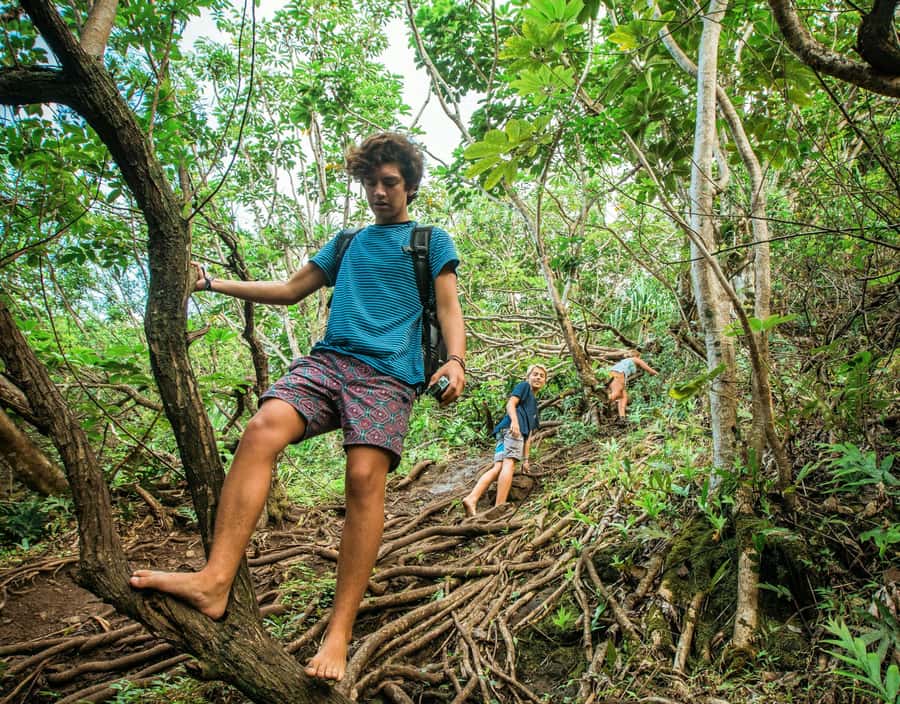
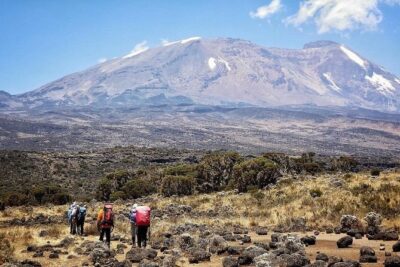
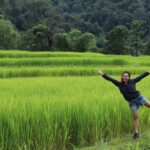
Day 1 is the one that tests your legs. You begin trekking from the host family village, walking along private farmland and then into dense forest trails. You’ll pass bamboo groves and rice paddies, and your guide uses those moments to explain what’s around you—especially native plants and how people use them.
A key detail: the lunch is not a random stop. It’s a jungle lunch by a waterfall, wrapped in banana leaves. That’s Thai practicality with a natural setting: easy to eat, easy to carry, and very much tied to where you are.
Then comes the climb into camp life. You hike onward to your forest camp, which sits near a remote waterfall. In the evening, you help with dinner. That can include cooking with herbs your guide picks. It’s the kind of activity that turns the day into something you remember, not just something you survived.
And yes, it gets simple fast: dinner, conversation, then firelight. One guest described the hardest day being Day 1, with steep climbing, so don’t underestimate this start. If your fitness is average, you’ll be fine, but pace yourself. Stop often. Drink water even when you don’t feel thirsty. You’ll thank yourself later.
Day 2 Karen Village Life: Clothing, Cooking, and Gibbons in the Trees
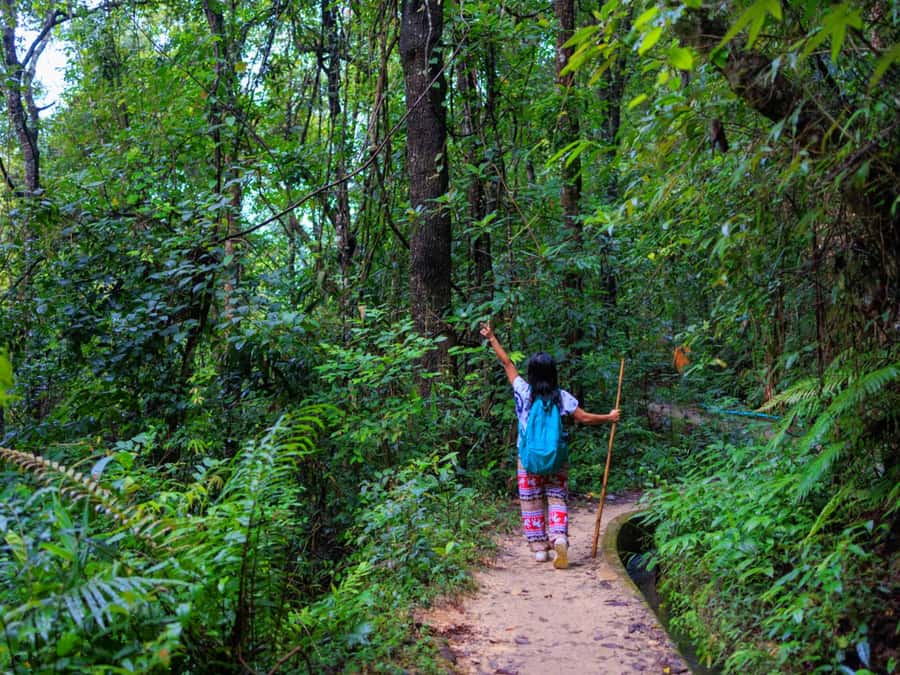
Day 2 begins with breakfast, then you head into a wildlife-rich forest. The route is known for animals like gibbons, macaques, and even Asiatic black bears. You’re not going out to “see” them on demand, but you are hiking in habitat where wildlife exists. That changes how you move: slower steps, less noise, more awareness.
About three hours into the day, you reach a Karen village for lunch and cultural exchange. This is where the experience stops being just trekking and starts being relationships. You’ll spend time with villagers, and your guide helps connect the dots—how daily routines work and what certain traditions mean in context.
After lunch, you switch from visiting one community to joining another. The hike continues deeper into the hills for roughly four hours to reach a second village for an overnight stay. This is a full cultural immersion night. You may meet family members who help run the homestay, sometimes including the guide’s own relatives.
Expect learning around three big areas:
- Traditional clothing (what people wear and when)
- Cooking techniques (how meals get prepared day to day)
- Daily life (how the village schedules work around weather and land)
The social side matters, too. Several guests highlighted dinners and fireside evenings as the moment people relax and swap stories across different countries. It’s not a party. It’s more like a shared calm after a long walk.
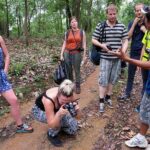
One name to know from guest notes: Jungle Boy. People appreciated how he kept making short stops in the forest to point out fruits, herbs, and animals—small moments that turn a long hike into a classroom.
Day 3 Waterfalls and Farewell Meal by the Water
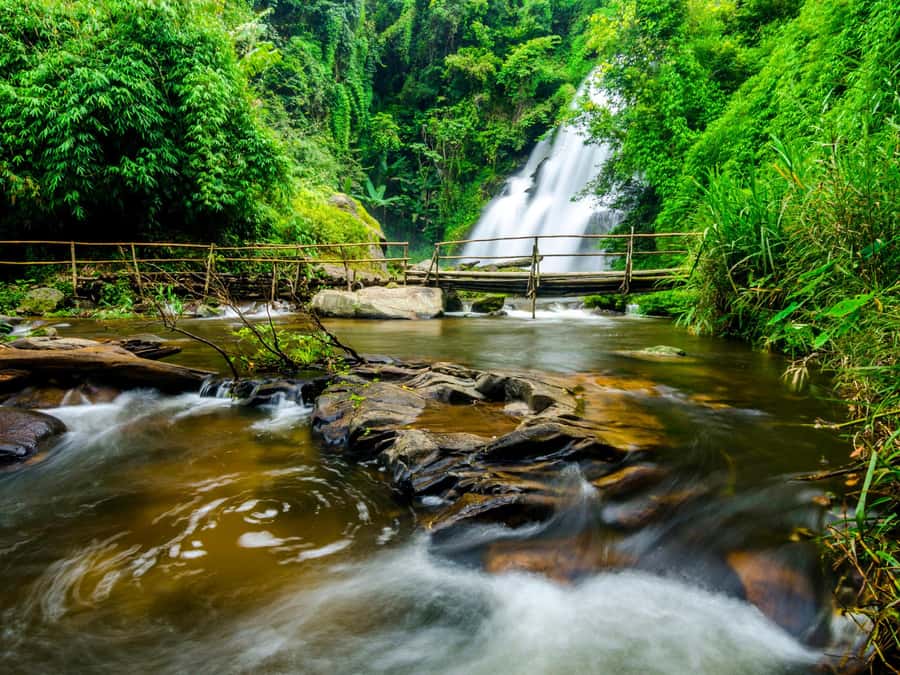
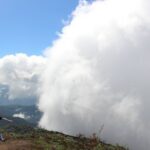
The final day is your longest visual payoff. You trek for about 6–7 hours across a mix of gentle farmland and rugged paths. You’ll pass through cloud forest areas and also local farms, so you’re not stuck in one type of scenery.
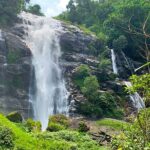
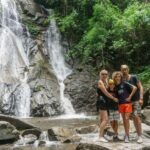
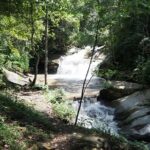
The highlight is visiting up to five natural waterfalls along the route. The important part is that these spots are suitable for swimming. That changes the feel of the trek: you’re not just walking through beauty—you’re stopping in it. Bring swimwear early in the day and don’t wait until you’re already tired. When a good swim chance appears, you’ll want to take it.
As you near the end, there’s a peaceful final meal by the water. That’s a smart ending. After 2 nights and 2 big days of walking, sitting down with one last meal helps your body recover and your brain land.
Then it’s pickup back to Chiang Mai. In a lot of jungle treks, the last day feels like a slog. Here, the waterfall route gives you enough energy to stay focused.
Price and Value: What Your $158 Really Buys in Remote Karen Land
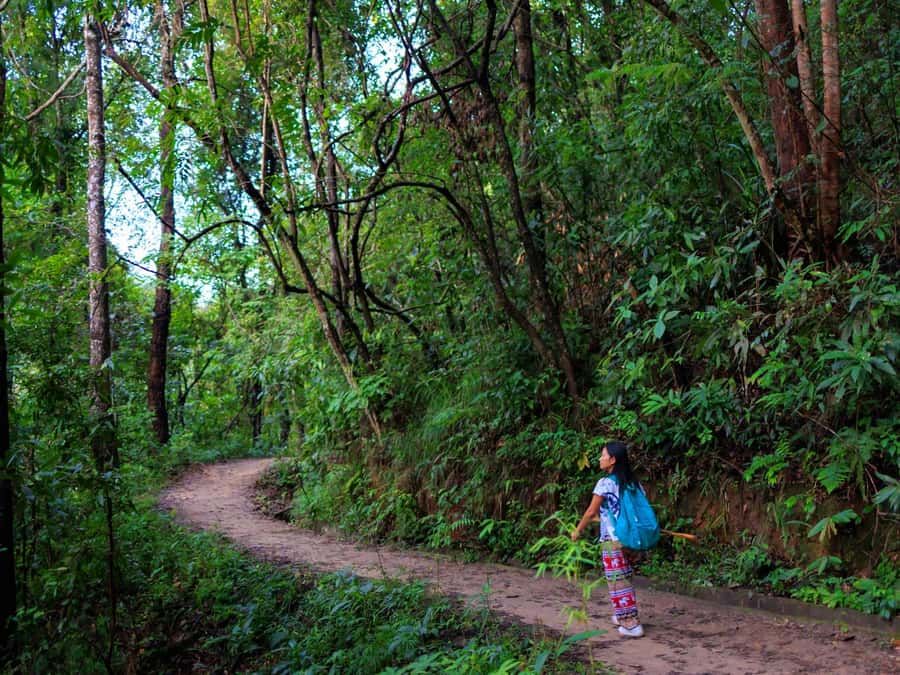
At $158 per person for 3 days and 2 nights, the price is fair for what you’re actually buying: access, time, and local leadership in Doi Inthanon.
Here’s what your money covers:
- Hotel pickup and drop-off in Chiang Mai city
- A 3-day, 2-night guided trekking experience
- Two overnight stays in Karen hill tribe village camps
- 7 freshly prepared meals, from Day 1 lunch to Day 3 lunch
- An experienced English-speaking local Karen guide (plus Thai)
- Cultural activities and hands-on cooking
- Accident insurance coverage during the trek
What you don’t get: drinks. That’s small, but it matters because you’re hiking in hot, sweaty conditions. Also, some guests mentioned that having cash is useful because villagers only accept cash for items like water. So while you’re not paying for the trek at the village, you may still want a bit of cash ready.
The best value here isn’t the mileage or the number of waterfalls. It’s the community-run setup: trails, campsites, and waterfalls are described as 100% community-owned. That tends to mean your time directly supports the people hosting you, not just a distant operation.
Also, the group stays small—up to 15. In practice, that can mean more questions answered, more stops for learning, and less rushing.

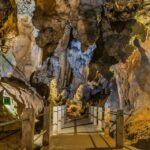
What the Guides’ Jungle Skills Add to Your Walk
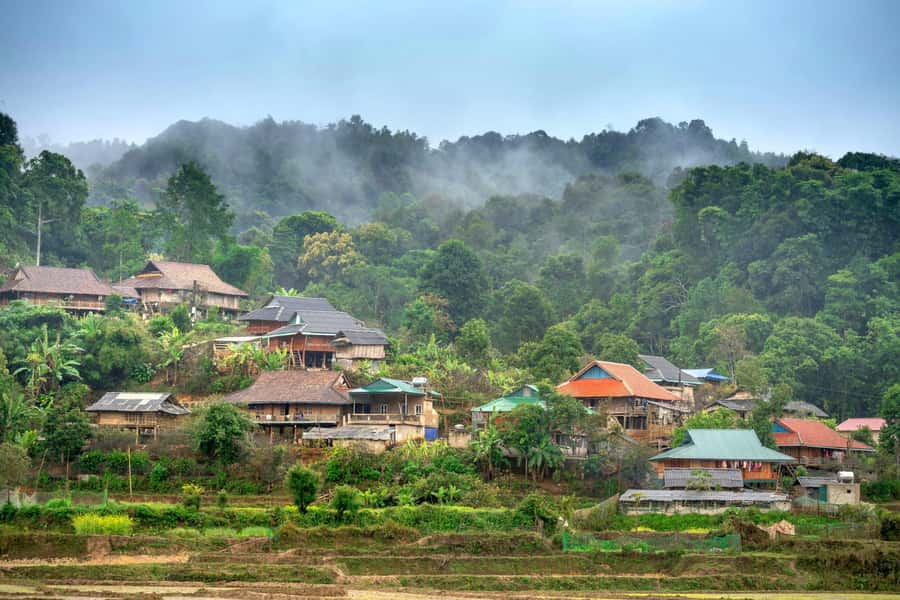
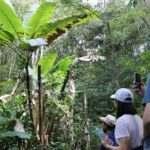
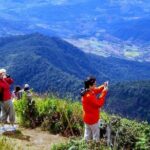
A normal hike is about getting to a viewpoint. This one is about seeing the forest the way a local guide sees it.
Your guide explains native plants as you pass them, including what they’re used for and why they matter. You also learn through the practical stuff: cooking with herbs you pick, and participating in meals that follow local ingredients and methods.
Guest notes reinforced that the guides slow things down when it counts. People appreciated how guides made short stops to show fruit, herbs, and animals. That kind of “micro-learning” changes your whole day. Instead of thinking about steps, you start noticing patterns—leaf shapes, fruit timing, the signs animals leave behind.
Safety is another quiet benefit. Multiple guests said they always felt safe in unfamiliar terrain. You’re still on uneven jungle paths with real climbs and descents, so you’ll rely on the guide’s judgment. That’s why small group management matters here.
Packing and Pace: 5–7 Hours of Uneven Trail Plus Cold Showers
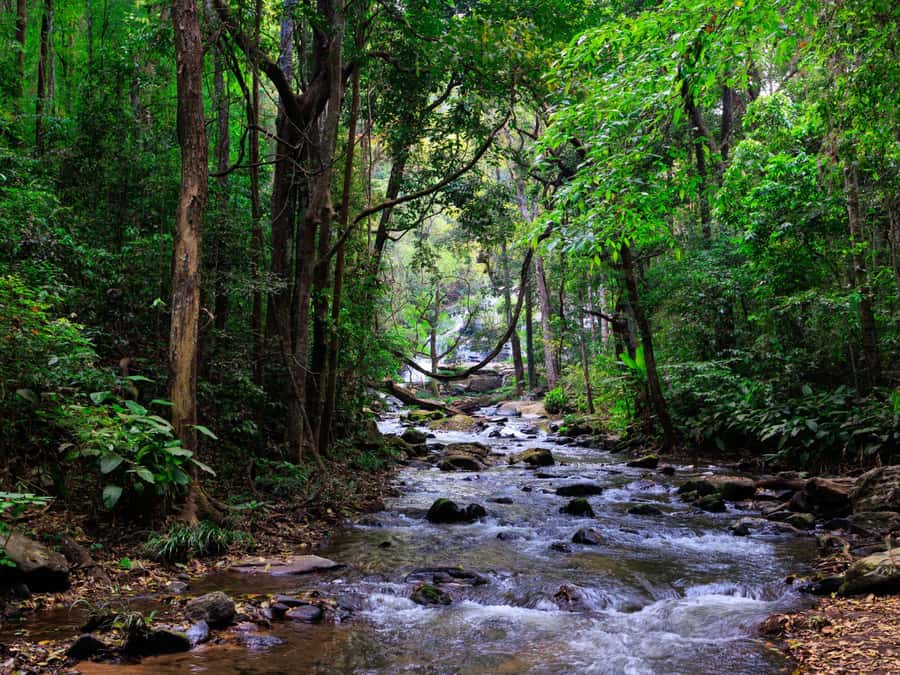
This trek requires a moderate fitness level. Expect about 5–7 hours of trekking per day on uneven jungle terrain. Even if you’re comfortable hiking on weekend trails, the steep uphills and rough footing in the jungle will feel different.
A smart way to prepare: plan for Day 1 to be the hardest. One guest averaged around 11 km per day and said Day 1 included a very steep mountain climb. Day 2 included up and down, and Day 3 was mostly downhill—so your legs may feel better on the last day if you pace Day 1.
What to bring (from the provided gear list) includes:
- Swimwear, towel, and sandals (for waterfall swims and water breaks)
- Hiking shoes and a daypack
- Hat, sunglasses, sunscreen, and insect repellent
- Long-sleeved shirt, long pants, and socks (trail and bugs)
- Jacket and a rain-ready layer (especially if weather shifts)
- Toiletries and toiletries basics
- Camera and snacks (if you want extra comfort between meals)
- Personal medication
A few practical additions from guest notes:
- Bring toilet paper if you have it and a towel you’re comfortable using in the field.
- Use a proper backpack. You’ll be carrying your stuff through the hike.
- Plan on cold showers. Even if some camps may have some electricity reported by one guest, you should still prepare for an unplugged, basic setup.
On connectivity: the tour information says no electricity and no internet, with limited mobile signal. One review said electricity was available at both places, but the broader takeaway is clear: don’t plan your day around charging and Wi-Fi. Bring a power bank and assume you’ll rely on yourself and your guide.
Also, watch the rules: smoking is not allowed, and alcohol and drugs are not allowed. That helps keep the experience calm and respectful.
Village Etiquette: Photos, Modest Dress, and Carry-Out Trash
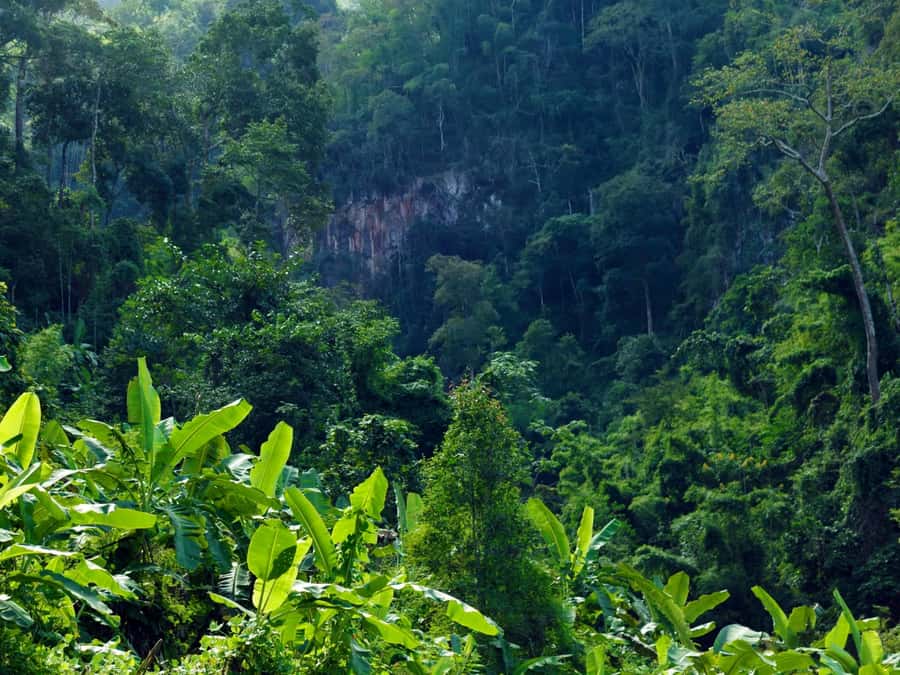
This is community-based trekking through privately owned Karen land. That means respect isn’t a nice-to-have. It’s the point of the trip.
Here’s how to behave well:
- Dress modestly when you’re in villages. Local expectations matter, and you’ll feel the difference if you show up respectfully.
- Ask before taking photos of people. It’s not just politeness; it’s part of how families control what gets shared.
- Carry out all trash, avoid single-use plastics, and stay on designated trails.
If you follow those basics, your interactions will feel easier for both sides. You’re there to learn how people live and to share space while hiking—not to treat someone’s home like a backdrop.
Who Should Book This Trek, and Who Should Skip It
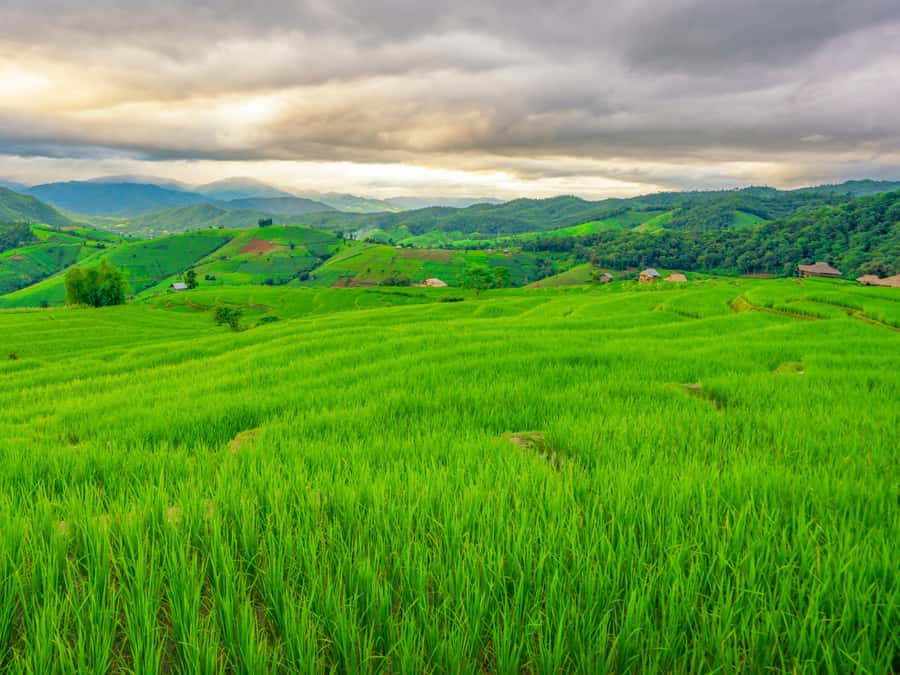
This trek is best for you if you:
- Love real outdoor hiking in rainforest and farm-edge terrain
- Want culture through daily life—cooking, clothing, village conversation—not only performances
- Prefer small groups and guides who teach you what you’re walking past
Skip it if:
- You have back problems, mobility impairments, or heart problems
- You’re bringing children under 12 (the trek is not suitable for them)
- You need hot showers, reliable power, and constant comfort
One more reality check: this is not a lounge-y tour. You’ll hike a lot. You’ll get wet at waterfalls. You’ll sleep simply. If that sounds like your kind of travel, you’ll feel at home fast.
Should You Book the Karen Hill Tribe Trek from Chiang Mai?
I think this is a strong choice if you want a trek that connects you to land and people in Doi Inthanon, not just to scenery. The value is solid because meals, guiding, village stays, and hands-on cooking are all included, and the whole experience is community-led.
Book it if you’re ready for physical work and you can handle basic camps with cold showers. If you want an ultra-comfortable trip, or if your fitness isn’t up for steep jungle trails, you’ll likely resent the effort.
If you’re torn, here’s my simple decision rule: if you’d rather learn how life works in a village than collect photos, you’ll come away happy from this one.
FAQ
How long is the Karen hill tribe trekking experience?
It runs for 3 days with 2 nights of overnight stays, starting with pickup in Chiang Mai and returning you to Chiang Mai city at the end.
What meals are included?
You get 7 freshly prepared meals during the trek, from Day 1 lunch through Day 3 lunch. Drinks are not included.
Do I need swimwear?
Yes. You’ll visit waterfalls along the route, and they’re suitable for swimming, so swimwear and a towel are important.
What fitness level do I need?
A moderate fitness level is required. You should expect about 5–7 hours of trekking per day on uneven jungle terrain, including steep or rugged sections.
What’s the group size?
The tour is a small group limited to 15 participants.
Is this suitable for children or people with mobility issues?
No. It’s not suitable for children under 12, and it’s also not recommended for people with back problems, mobility impairments, or heart problems.