REVIEW · KATHMANDU
Annapurna Base Camp Trek
Book on Viator →Operated by Green Valley Nepal Treks & Research Hub Pvt Ltd · Bookable on Viator
Himalaya views, minus the travel stress. This small-group Annapurna Base Camp trek (max 10) pairs you with a guide and takes care of the usual moving parts, from airport meet-up in Thamel to the day-by-day walking plan. Based on the way the guides like Krishna and Suvi are described, you can expect real hand-holding when it matters.
I love that the trip keeps food and lodging simple: teahouses and hotels are handled, and meals on the trek are included so you’re not making decisions at the end of each hard day. You still get a Kathmandu/Pokhara mix of guesthouse/hotel comfort without the scramble to find a room.
One drawback to think about is the altitude challenge. This is a moderate high-altitude trek with roughly 4 to 7 hours of hiking most days, so it’s not the kind of trip you can muscle through if you’re not feeling strong.
In This Review
- Key things I’d circle before you book
- Small-group Annapurna Base Camp: what this trek really delivers
- Kathmandu start: Thamel, airport pickup, and an easier first day
- The Kathmandu to Pokhara leg: a practical setup for the mountains
- Starting the trek from Nayapool: Modi River banks and first village rhythm
- Ulleri to Ghorepani: rhododendron and the build toward Poon Hill
- Poon Hill at 3210m: your early win before the bigger climbs
- Chhomrong day: villages, forests, and the classic Annapurna feel
- Dovan to Himalaya: quiet trail rules and slow, steady progress
- Machhapuchhre Base Camp area: “surrounded by mountains” time
- Sunrise at ABC and the downhill you earn
- The final days: Malekhu fish stop and Pashupatinath photo moment
- Price and logistics: does $925 feel fair?
- Guides who get it: what the best reviews have in common
- Is this trek for you? A no-nonsense fit check
- What to expect each day, in plain terms
- Should you book this Annapurna Base Camp trek?
- FAQ
- How many days is the Annapurna Base Camp trek?
- How many hours will I walk each day?
- What’s included in the price?
- Do I get airport pickup in Kathmandu?
- Is there a major viewpoint stop on the route?
- What if the trek is canceled due to weather?
Key things I’d circle before you book
- Max 10 trekkers means you get more personal attention and less “mass tour” energy.
- Meals handled on the trek reduces daily stress and helps you pace yourself.
- Poon Hill at 3210m gives you a classic viewpoint moment early in the route.
- Route highlights are built in: rhododendron forests, Chhomrong, Machhapuchhre Base Camp area, and sunrise at ABC.
- Small comfort perks show up along the way, including Jhinu Danda hot springs and a relaxed finish through stops like Malekhu.
- Guides are praised for real care, including help when someone isn’t feeling well and the option to adjust with a porter.
Small-group Annapurna Base Camp: what this trek really delivers
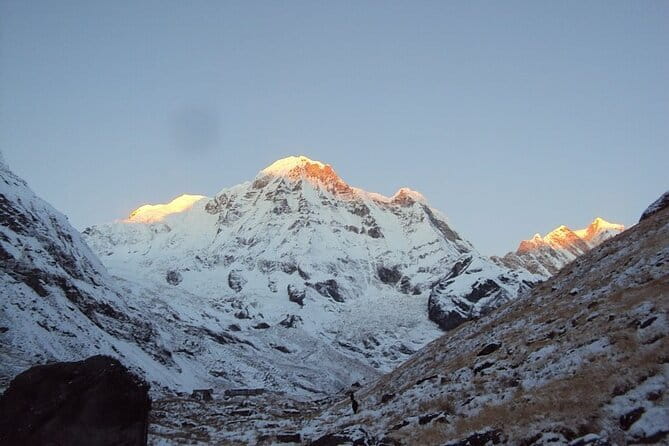
Annapurna Base Camp can feel like a big, scary mountain word. This trek turns it into a readable plan with a human guide and a group size capped at 10. That matters because you’re dealing with long walking days, changing weather, and the simple reality that mountain logistics can eat time fast.
The trek is aimed at active travelers. You’re hiking about 4 to 7 hours per day, and the route includes steady ups and downs rather than “only flat strolls.” If you like being outside for a full day and you can handle altitude slowly, this format is a good match.
Where it shines is the way the essentials are managed: accommodations are covered on the route, your meals on the trek are included, and transfers are arranged. You get to focus on the trail and the views instead of hunting for the next teahouse—or translating your needs into a dozen small, awkward conversations at altitude.
You can also read our reviews of more tours and experiences in Kathmandu.

Kathmandu start: Thamel, airport pickup, and an easier first day
You begin in Kathmandu at Tribhuvan International Airport, with a representative meeting you. The transfer to your hotel is arranged via a private tourist vehicle, and you’re dropped in the Thamel area. That’s a smart start because Thamel is the place where you can grab last-minute items, refill water, or just recover from travel.
From day one, the trip is built around reducing decision fatigue. Instead of wondering what time to meet, where to go, or how to get moving, you’re given a straightforward arrival routine. In the feedback, guides like Tulsi and Anil are described as taking care from pickup through the end of the trek, which is exactly what you want when your brain is still in jet-lag mode.
Also: you’re issued a mobile ticket, which tends to make the paperwork side less annoying on travel days.
The Kathmandu to Pokhara leg: a practical setup for the mountains
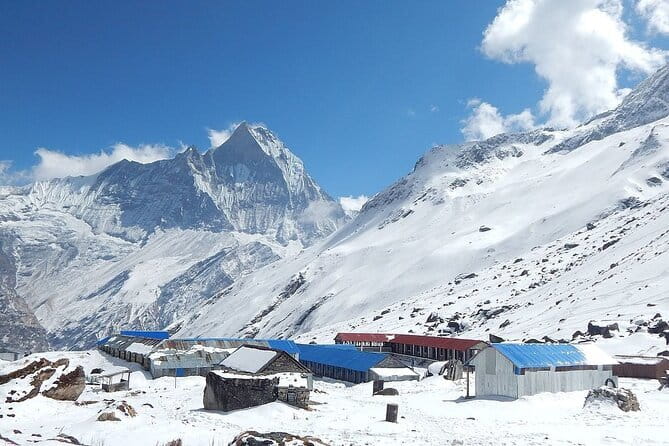
On day two, you drive to Pokhara—about 200 km—by tourist bus. The bus ride is around six hours, with lunch taken during the trip. Then you sleep in a guesthouse in Pokhara.
This part is not the highlight of the Himalaya, but it’s useful. Pokhara is your staging point, and spending a night there lets you reset before the trek truly starts. It’s also a smoother way to transition—going from busy city to slower mountain rhythms without cramming everything into one exhausting travel day.
If you dislike long transport days, it’s still manageable. It’s a bus + lunch + one night setup, then your actual trekking begins the next morning.
Starting the trek from Nayapool: Modi River banks and first village rhythm
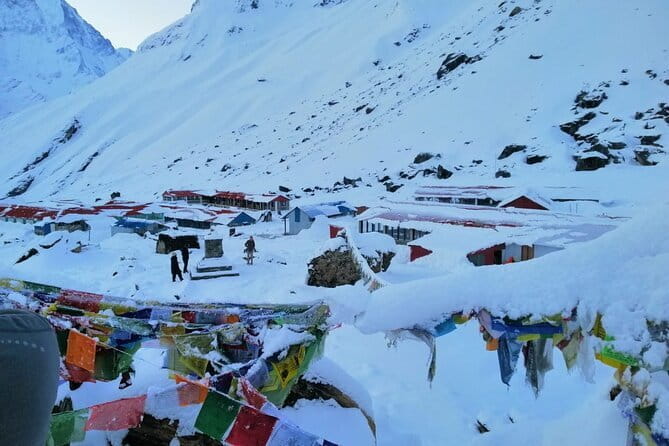
On day three, you drive from Pokhara to Nayapool (about an hour). The trek begins with a short walk along the banks of the Modi River, reaching Birethani after the early rhythm of villages and small teahouses.
This is your “wake up your legs” day. The walking is enough to get you into trekking mode, but it’s not yet the grinding altitude slog. It also gives you a real sense of how Nepalese village life supports the trail—there are small places to stop, eat, and adjust.
If you’re the kind of traveler who likes to understand the landscape through people and routes, this early start is a good fit.
Ulleri to Ghorepani: rhododendron and the build toward Poon Hill
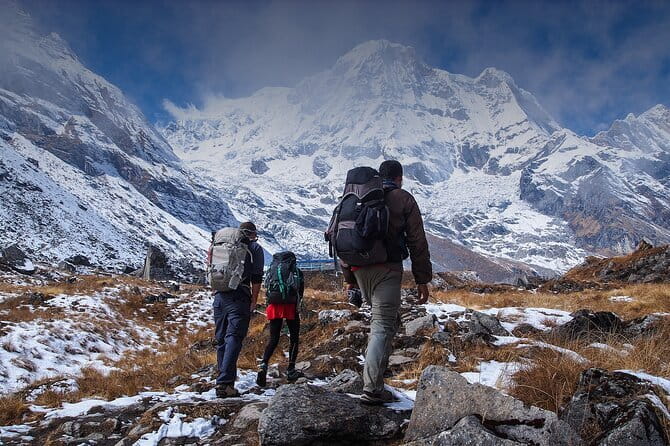
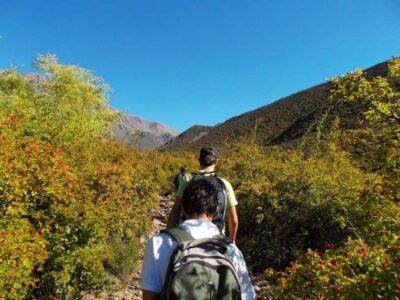
Day four moves through a gentle ascent from Ulleri. Along the way, you pass through rhododendron and oak forests, then continue toward Banthanti and onward to Ghorepani.
What I like here is the “slow build” style. Instead of jumping straight to high drama, you spend time in forest trails where the pace can feel more controlled. Forest walking also tends to make the day feel less exposed—useful when the weather is shifting.
By day five, you’re ready for the big viewpoint moment.
Poon Hill at 3210m: your early win before the bigger climbs
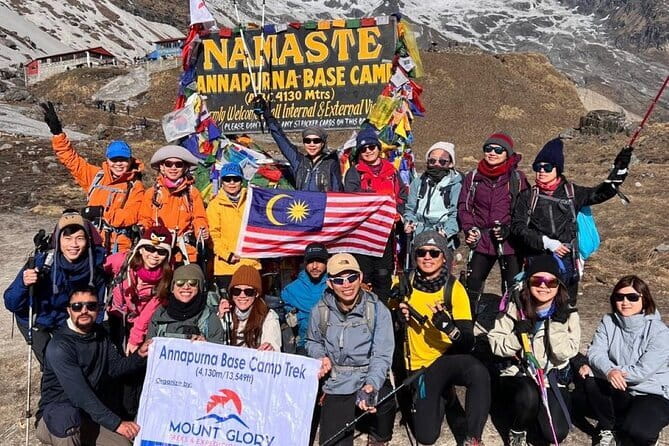
Day five includes a hike to Poon Hill—a top viewpoint at 3210m. The climb is short (about 45 minutes to the top), and the payoff is described as a photographer’s paradise, with unmistakable views of the mountain drama around the Annapurna region.
This is a great place to set expectations. You’ll get that “wow” feeling early, which helps the rest of the trek feel meaningful when the days become more physically demanding.
One practical tip: treat Poon Hill like a warm-up for the ABC experience. It’s a viewpoint day, not a “train until you collapse” day. Save your legs. You’ll need them later.
Chhomrong day: villages, forests, and the classic Annapurna feel
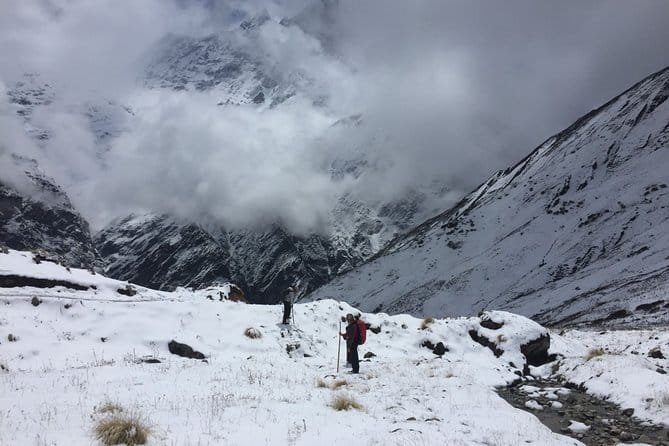
Day six has you heading from Tadapani, moving down gradually along rhododendron forests, crossing the Kimsung River, and then ascending to Gurung village Gurjung. From there, you climb to Chhomrong.
Chhomrong is one of those names you’ll hear in Annapurna talk for a reason. It tends to be where the route feels more Himalayan and less village-and-forest. And in this trek, it lands after a day of forest and river crossings, so you get variety instead of monotony.
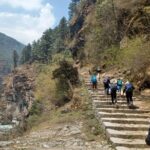
Day seven continues the Chhomrong area: stone steps descend to Chhomrong Khola, you cross a suspension bridge, then you climb steeply to Sinuwa, finishing at Bamboo.
This day has that signature Annapurna mix—steps, a bridge moment, and a tougher ascent. If your knees don’t love long downhills, take your time on the stone steps. Short pauses are normal here.
Dovan to Himalaya: quiet trail rules and slow, steady progress
Day eight is memorable for a less obvious reason: in the jungle, there’s a temple-related rule where big noises aren’t allowed. The route moves from bamboo forests into rhododendron forests and continues toward Himalaya.
I actually love this detail. It makes the trail feel more respectful and more human. When you’re hiking in mountains, you want the place to stay calm, almost like the trail is asking you to match its pace.
If you’re the type who enjoys noticing little cultural cues, this is one of the “you’ll remember that” days.
Machhapuchhre Base Camp area: “surrounded by mountains” time
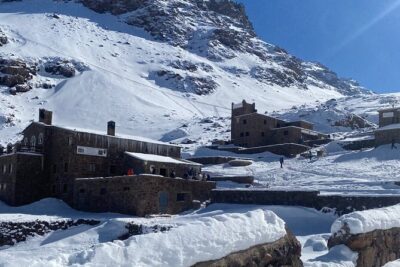
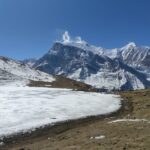
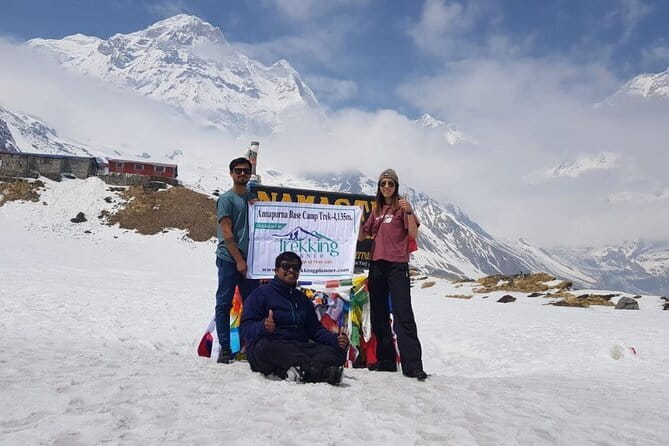
Day nine goes from Deurali through a river-bed section, then toward Machhapuchhre Base Camp. The description calls it a tedious climb, and the reward is being surrounded by mountains on all sides, with views of Annapurna, Machhapuchhre, Gangapurna, Himchuli, and more.
This is where the trek starts to feel like pure altitude theater. Earlier days were about setting up rhythm and earning viewpoints. Day nine is more about arriving at the high heart of the region.
The practical reality: plan to go slow. A climb that feels “tedious” is rarely fixed by pushing faster. It’s usually fixed by steady steps, water breaks, and patience with your breathing.
Sunrise at ABC and the downhill you earn
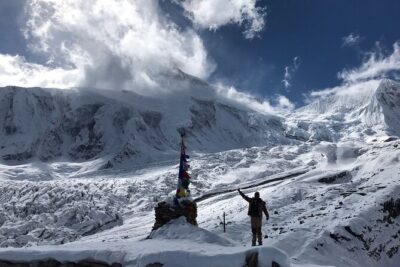
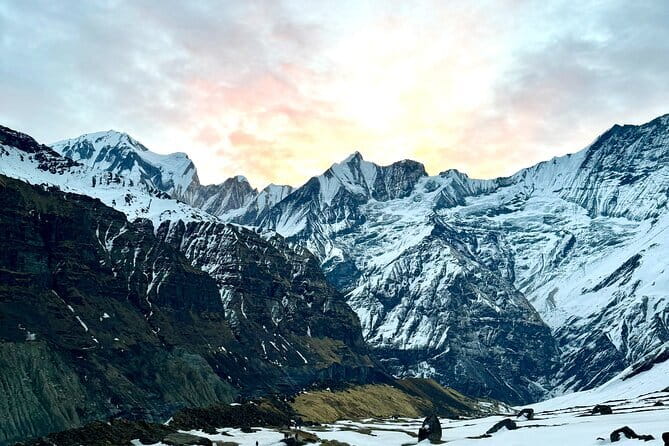
Day ten starts with sunrise viewing from ABC (Annapurna Base Camp), then the descent begins back along the trail through MBC, Deurali, Himalaya, and Bamboo to Sinuwa. The trail is described as mostly downhill and an easy walk.
That combination—spectacular sunrise plus easier walking—can be a huge relief. After a high day, you still get movement, but your body gets a break from constant climbing.
Day eleven pauses in Chhomrong for lunch in Chhumrung. Day twelve adds a recovery-friendly activity: Jhinu Danda and its natural hot spring ponds. You walk about 20 minutes from your hotel to the springs.
That’s a smart design. You finish the hardest altitude work, then you ease your body back with warmth and time to just sit.
The final days: Malekhu fish stop and Pashupatinath photo moment
Day thirteen includes a stop for lunch around Malekhu, noted for fish varieties and fish products. Then day fourteen is a drive via Pashupatinath Temple, with a short photo stop.
These final days aren’t about mountaintop drama. They’re about closing the loop: food, relaxation, and a cultural landing back in Kathmandu life. If you like having a gentle transition out of trekking mode, these last steps feel right.
Price and logistics: does $925 feel fair?
At $925 per person for about 14 days, the value depends on what you’d otherwise pay yourself. Here, you’re getting a professional guide, accommodations as per the route (teahouses on the trek and hotels/guesthouses in Kathmandu/Pokhara), round-trip shared transfer, and a lot of the meal burden is removed.
Meals included are specific: breakfast and lunch/dinner counts are listed, and the overview says all meals on the trek plus some meals in Kathmandu/Pokhara are covered. What’s not included is lunch and dinner in Kathmandu and Pokhara.
So when you compare, think: you’re paying for the guide + lodging + most meals + transfers. If you were arranging these pieces alone, the “time cost” usually adds up, and that’s even before you factor in the stress of making sure you’ve booked the right nights at the right elevations.
Also, this trek is often booked about 14 days in advance, which tells me it’s popular enough that you shouldn’t wait until the last minute if your dates are fixed.
Guides who get it: what the best reviews have in common
The feedback highlights professional care more than just “they knew the trail.” People mention being looked after from outside the airport until departure. They also describe guides like Suvi and Krishna as very communicative and genuinely invested in keeping trekkers comfortable.
Two practical examples stand out from the way guides and teams are described:
- If someone isn’t feeling well, the team helps adjust. One account notes being able to change plans and ask for a porter the night before.
- The guide’s attitude matters on tough days. Several accounts mention positive energy and calm support, which is the exact mood you want at altitude.
If you’re anxious about trekking, that kind of support can make the difference between coping and suffering. You still do the work—but you don’t feel alone doing it.
Is this trek for you? A no-nonsense fit check
This route is best for you if:
- You can handle moderate high-altitude walking and steady days of 4–7 hours of hiking.
- You prefer a plan where accommodations and meals are already organized.
- You like viewpoints with structure: Poon Hill early, ABC at the peak of the story, then a smoother descent and recovery stops.
It might not be the right match if:
- You want a low-altitude, minimal-effort trek.
- You dislike longer climbs and stone-step descents.
- You’re expecting fully flexible day-by-day changes. The structure is real here, even if the guide can help you manage comfort.
What to expect each day, in plain terms
Here’s the rhythm you’ll likely feel over the two weeks:
- Start easy-ish with river banks, forest trails, and village walking.
- Build viewpoint energy with Poon Hill at 3210m.
- Work your way into the Annapurna core through Chhomrong and toward Machhapuchhre Base Camp area.
- Peak with sunrise at ABC, then enjoy the relief of mostly downhill walking on the return.
- Finish with comfort: lunch stops, hot springs at Jhinu Danda, and a cultural landing via Pashupatinath.
The itinerary has variety: bamboo and rhododendron forests, bridges and steps, and that special temple-quiet section that makes the trail feel different.
Should you book this Annapurna Base Camp trek?
Book it if you want a guided, small-group ABC trek where logistics don’t steal your energy. The mix of teahouse nights, viewpoint moments like Poon Hill and sunrise at ABC, and recovery touches like Jhinu hot springs hits a sweet spot for active travelers who value organization.
Skip it (or ask more questions first) if you want a gentler altitude experience or if you’re not comfortable hiking several hours most days. Also, if you’re very sensitive to steep steps or long descents, plan your pacing early and talk to your guide about what you need.
If you do book, do one thing that pays off: start training for steady walking now, and treat pace as your superpower. The mountains don’t care how fast you walked last week.
FAQ
How many days is the Annapurna Base Camp trek?
The trek runs for about 14 days.
How many hours will I walk each day?
You’ll hike roughly 4 to 7 hours each day, and the trek is described as a moderate high-altitude trek.
What’s included in the price?
The price includes accommodations as per the itinerary, a professional guide, round-trip shared transfers, and meals on the trek (plus some meals in Kathmandu/Pokhara). Breakfast is included on 13 days, lunch on 10 days, and dinner on 10 days. Lunch and dinner in Kathmandu and Pokhara are not included.
Do I get airport pickup in Kathmandu?
Yes. You’ll meet an airport representative at Tribhuwan International Airport, and a drop to the hotel by private tourist vehicle is arranged.
Is there a major viewpoint stop on the route?
Yes. You’ll do a hike to Poon Hill, which is listed at 3210m.
What if the trek is canceled due to weather?
The experience requires good weather. If it’s canceled because of poor weather, you’ll be offered a different date or a full refund. Cancellation is free up to 24 hours in advance for a full refund.