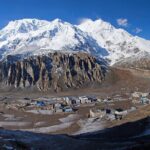
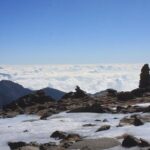
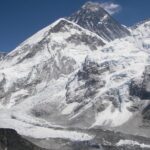
Annapurna Base Camp gets under your skin fast, for good reasons. This 11-day plan is built as an easy-to-follow circuit from Kathmandu to Pokhara and into the trek, with meals and overnights included and a small group max of 10. I especially like the built-in airport pickup and drop-off plus the time for Kathmandu and Pokhara sightseeing, so you’re not just bouncing between hotels and bus seats. The one consideration: the schedule includes steep days up high, so you’ll want solid “moderate fitness” and patience with altitude, even with a guide.
What makes this experience feel practical is how much it removes decision fatigue. You’re not trying to figure out permits, lodging, meals, or how to coordinate transport while you’re thinking about routes and weather. You still get a real trek rhythm—tea houses, long walking days, and big mountain moments—but with the “paperwork” handled.
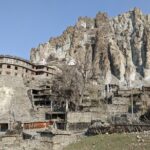
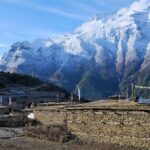
And yes, this is action-packed. You’ll pass through Gurung villages, enjoy panoramic Himalayan views, include time at a natural hot spring, and end with Base Camp itself—then roll back into city time in Kathmandu and Pokhara without feeling stranded at the finish line.
In This Review
- Key Things That Make This Annapurna Base Camp Trek Worth Your Time
- Price and Logistics: What You’re Really Paying for at $785.72
- From Kathmandu to Pokhara to the Trail: How the Trip Gets You Moving
- Day-by-Day on Trail: What Each Stage Feels Like (and Why It Matters)
- Day 2: Nayapul to Tikhedunga via Birethanti
- Day 3: Tikhedunga ascent toward Ulleri and Banthanti
- Day 4: Poon Hill sunrise views and the big viewpoint day
- Day 5: Ghorepani and the forest walking
- Day 6: Down-stair rhythm, a suspension bridge, and more climbing
- Day 7: Into the sanctuary gates toward Chhomrong
- Day 8: Annapurna Base Camp day and the return toward Dovan
- Day 9: Bamboo descent through forest and bamboo plants
- Day 10: Bamboo back to Birethanti, then Nayapul transfer
- Day 11: Kathmandu by tourist bus
- Kathmandu and Pokhara Time: Not Just Waiting in the Middle
- Food, Lodging, and Gear: How They Keep You Comfortable Without Overdoing It
- Your Guide Makes It Real: Route Sense, Weather Sense, and Names to Remember
- Fitness Level: How to Judge Whether This Is Your Trek
- Should You Book This Annapurna Base Camp Trek with Outfitter Nepal?
- FAQ
- How long is the Annapurna Base Camp trek?
- Where does the trip start and when?
- What’s included in the price?
- Is airport pickup and drop-off included?
- How many people are in the group?
- Is any trekking gear provided?
- Do I need to arrange trekking permits myself?
- Is a porter included?
- What fitness level is recommended?
Key Things That Make This Annapurna Base Camp Trek Worth Your Time
- Airport transfers included so you can start the trip calm, not frantic.
- Meals and overnights included, which helps you budget and keeps energy steady on trail days.
- Small group (max 10) for a more human pace and easier guide attention.
- Permits and TIMS covered, so you don’t scramble for paperwork.
- Base Camp + hot spring stop, so it’s more than just walking and photos.
- Gear support: sleeping bag, down jacket, and trekking map provided if needed.
Price and Logistics: What You’re Really Paying for at $785.72
At $785.72 per person, the headline price is only part of the story. The bigger value is what’s wrapped into that number: guide support, transport Kathmandu–Pokhara–Kathmandu, 10 nights of accommodation, meals (breakfast, lunch, dinner across the trek days), and the permits you need for the Annapurna region (Annapurna Conservation Permits and TIMS). On top of that, you get airport pickup and drop-off.
That matters because Annapurna Base Camp can get expensive if you try to piece things together last-minute—especially lodging and the practical stuff like permits and transport. Here, you’re paying for structure. You won’t have to play logistics roulette while the mountains are doing their thing.
A couple of “watch-outs” also help you judge value fairly. Tips for the guide and driver are not included, and your travel insurance isn’t included either (and it’s required). Also, there’s an extra option for a porter if you want help with weight—listed at $20 per day—but you can go without one if you pack light and you’re comfortable carrying your own essentials.
In other words: you’re buying a ready-made system. If you want that, this is good value. If you prefer total DIY control and you’re already confident with permits, lodging, and route planning, you might spend less on paper—though you’ll spend more time and energy doing the organizing.
You can also read our reviews of more tours and experiences in Kathmandu.

From Kathmandu to Pokhara to the Trail: How the Trip Gets You Moving
This starts with a morning handoff in Kathmandu. Your meet point is Tribhuvan Airport, with a 7:15 am start time. After pickup, you’ll drive through scenic river routes toward Pokhara. Day 1 is mostly about getting oriented and enjoying those early mountain views—plus setting your body up for the next phase.
On Day 1, you’ll see Ganesh Himal and Manaslu peak along the route. Even if you don’t think you’ll “feel” the mountains yet, this first drive does two important jobs: it turns Nepal travel from check-in chaos into a forward-moving plan, and it gives you early perspective on what you’ll be walking toward.
Then comes the first trek day approach. On Day 2, you drive to Nayapul and start hiking out to Tikhedunga via Birethanti. This is a classic “introduce your legs to the idea” day. It’s not the highest altitude day, but it’s when you learn how your pace feels when you’re not resting every few minutes.
A good guide will help you keep things steady early—because the worst thing you can do on a trek like this is treat it like a warm-up run. You want breathing that feels sustainable, especially as the days start climbing.
Day-by-Day on Trail: What Each Stage Feels Like (and Why It Matters)
Below is how the route unfolds, and what each section is doing for you.
Day 2: Nayapul to Tikhedunga via Birethanti
You start after breakfast and walk out from the road-access point toward Tikhedunga. Expect a gradual ramp into the rhythm of stone-and-dirt paths. This stage matters because it sets your walking cadence for the rest of the trek.
Day 3: Tikhedunga ascent toward Ulleri and Banthanti
Day 3 is the first real “legs work” moment: a steep start for roughly the first two hours, then gentler climbing. You pass Ulleri (2070 m) and Banthanti as you move upward.
If you’re new to this kind of hiking, the main lesson is simple: short, controlled effort beats charging. You’ll earn the view later if you keep your pace sensible now.
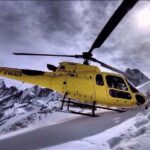
Day 4: Poon Hill sunrise views and the big viewpoint day
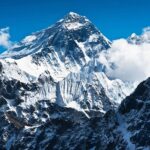
This is your summit-adjacent payoff day. You hike to Poonhill (3232 m) to catch sunrise views over major peaks including Dhaulagiri, Annapurna I, and Annapurna South (and several others listed on the route plan). You’ll be high enough to see clearly, but not so high that you’re forcing the kind of extreme altitude push that would make this feel like a suffering contest.
Even if sunrise sounds like a lot of effort, it’s also one of the trip’s easiest ways to feel why people do this trek.
Day 5: Ghorepani and the forest walking
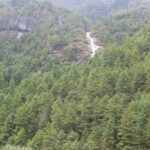
From here, the trail shifts into a gentler mode: descending on and off through rhododendron, oak, and dense forest. You also get the steady soundtrack of birds and small-life cues that you don’t notice on higher, more barren stretches.
This day is useful because it helps you recover without stopping completely. Your body still moves, but it’s less grindy than pure uphill.
Day 6: Down-stair rhythm, a suspension bridge, and more climbing
Today includes stone stairway descent for about the first 1.5 hours, then a suspension bridge crossing (Chhomrong Khola). After that, you climb out of the side and continue toward the next base in the route.
Even if the numbers sound technical, it’s easy to picture once you’re there: stairs take your quads, bridges teach you foot placement, and the climb reminds you that your day isn’t over just because you felt comfortable for a while.
Day 7: Into the sanctuary gates toward Chhomrong
The valley widens and the steepness eases, and you start seeing gates leading toward the sanctuary area. The route also notes crossings of avalanche terrain—so expect a trail that feels thoughtfully maintained and sometimes more exposed than earlier sections.
This day is mentally helpful too. When you’re nearing Chhomrong, you start to feel like the trek is no longer just a walk in the mountains; it’s a process toward something specific.
Day 8: Annapurna Base Camp day and the return toward Dovan
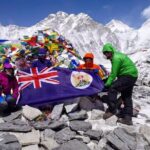
This is the headline day. You’ll visit the Base camp and the surrounding views, and the experience is described as amazing from the Base camp itself. After that, you start trekking back to Dovan.
Two things to keep in mind here. First: because Base Camp is the goal, it can make people go faster than they should. Don’t. Second: your legs might feel fine at the start, and then the return walk tells the real story. A good guide keeps that in check.
Also, your trip includes time for a dip in a natural hot spring at some point along the journey plan, which is the kind of reward that helps you recover without turning the trek into a theme park.
Day 9: Bamboo descent through forest and bamboo plants
You head down to Bamboo, passing through rhododendron, oak, and bamboo plants. Then the route shifts again with a steep climb for about an hour after Bamboo, so you don’t get a full easy day.
This is one of those “normal trekking honesty” days. It’s not just the spectacular parts. It’s the days that make the story feel real.
Day 10: Bamboo back to Birethanti, then Nayapul transfer
After breakfast, you start with a descent, then move across flatter land toward Birethati. Lunch is taken at Birethati, then you walk about 30 minutes to Nayapul, and you head out by vehicle.
This is where you start thinking about comfort again: dry shoes, a warm room, and sleeping like a person who’s done something physical. It’s also where you feel the contrast between “trek mode” and “travel mode.”
Day 11: Kathmandu by tourist bus
You take a tourist bus at 7 am after breakfast to drive back to Kathmandu. The ride passes satellite towns and rural settlements alongside river scenery.
This final day is an easy ending. You’re not trekking, so you can focus on recovery and your next stage of Nepal time.
Kathmandu and Pokhara Time: Not Just Waiting in the Middle
One reason I like this trek plan is that it doesn’t treat Kathmandu and Pokhara like airport lobbies. You get time for sightseeing in both cities, and the structure includes driving transfers between them.
Pokhara is where you’ll often land mentally. It’s a calm contrast to Kathmandu energy, and it’s a great place to pick up last-minute essentials and reset after travel fatigue. Kathmandu time helps you do the cultural wrap-up properly rather than rushing straight from the mountains into another obligation.
If you enjoy seeing how people actually live—market streets, viewpoints, local routines—this added city time makes the whole trip feel less like a one-dimensional outdoor challenge.
Food, Lodging, and Gear: How They Keep You Comfortable Without Overdoing It
This itinerary is set up with all meals and overnights included throughout the trek portion. That matters more than it sounds. When meals are included, you don’t have to keep asking what’s open, what costs extra, or what’s available at that exact hour. You can plan your day based on walking time and rest, not on guesswork.
You’ll also have a set number of meal days included: dinner is listed for 8 evenings, lunch for 9 days, and breakfast for 10 mornings. That’s a decent spread for an 11-day rhythm, and it helps you stay consistent with energy and hydration.
Gear is another practical plus. You may receive a sleeping bag, down jacket, and trekking map if necessary, and you return it after the trek. This is useful if you’re traveling from abroad and don’t want to bring bulky winter gear. Just be aware: even with a down jacket, temperatures can still feel cold at higher elevations, so layering still matters.
Accommodation is included for 10 nights. Tea house trekking often means rooms are simple. The comfort here comes from knowing you’ve got a bed secured and that you’re not negotiating lodging every night.
Your Guide Makes It Real: Route Sense, Weather Sense, and Names to Remember
This is a guided experience with an emphasis on route and conditions. One review snippet highlights a guide named Indra as attentive and knowledgeable about routes, terrains, and weather.
That kind of expertise isn’t about sounding impressive. It’s about keeping the day doable. On a trek like Annapurna Base Camp, weather changes can alter how you feel on the trail and how much time you should spend out in exposed areas. A guide with real local understanding helps you adjust without panicking.
You’ll also be supported by a team structure that includes the guide’s food, drinks, accommodation, transportation, and insurance being part of what’s covered. That’s one of those behind-the-scenes details that usually gets ignored until you’ve had to scramble on your own.
Also: you’re not a lone walker. With a maximum of 10 travelers, there’s enough group energy for safety and coordination, but not so many people that you get lost in the crowd.
Fitness Level: How to Judge Whether This Is Your Trek
The trip is listed as for people with moderate physical fitness. That’s a good clue: you don’t need to be a mountain athlete, but you do need to be comfortable walking daily for hours with some steep sections.
The itinerary includes steep and stair-heavy stretches early on, plus ups and downs across forest and high viewpoint areas. The main consideration isn’t whether you can physically do it—it’s whether you can pace yourself without turning the trek into an all-day sprint.
A simple way to prepare (without overthinking it): practice walking with a daypack before you go. If you’re fine with that, you’ll handle the daily demands much better.
Should You Book This Annapurna Base Camp Trek with Outfitter Nepal?
If you want an organized, small-group trek that handles logistics—transfers, permits, meals, lodging, and gear support—this one makes sense. The price feels fair when you compare what’s included: guide support, transport between Kathmandu and Pokhara, and the actual framework that can derail DIY plans.
Book this if:
- You want more hiking time and less planning time.
- You like the idea of adding Kathmandu and Pokhara sightseeing to the trek.
- You’d rather carry your own pack than pay for a porter, but still like having the option.
- You want a guide team you can trust on routes and conditions.
Think twice or be extra careful before booking if:
- You know you struggle with altitude or steady uphill days and you don’t have a pacing plan.
- You’re counting on DIY flexibility more than structured support.
- You don’t have travel insurance yet, since that’s required.
FAQ
How long is the Annapurna Base Camp trek?
It runs for about 11 days.
Where does the trip start and when?
The meeting point is Tribhuvan Airport in Kathmandu, with a start time of 7:15 am.
What’s included in the price?
The package includes a guide, Kathmandu–Pokhara–Kathmandu transportation by tourist bus, accommodations, meals (breakfast, lunch, dinner as listed), permits (Annapurna Conservation Permits and TIMS), and fees and taxes. It also includes airport pickup and drop-off.
Is airport pickup and drop-off included?
Yes, airport pickup and drop-off are included.
How many people are in the group?
The group size has a maximum of 10 travelers.
Is any trekking gear provided?
Yes. You may receive a sleeping bag, down jacket, and a trekking map if necessary (and you return the items after the trek).
Do I need to arrange trekking permits myself?
No. Annapurna Conservation Permits and TIMS are listed as included.
Is a porter included?
A porter is not included. If you want one, it’s listed at $20 per day.
What fitness level is recommended?
The trip is listed for travelers with moderate physical fitness.