REVIEW · KATHMANDU
Annapurna Base Camp Trek- 11 Days
Book on Viator →Operated by Alpine Club of Himalaya · Bookable on Viator
A few days of walking can change your whole perspective. This 11-day Annapurna Base Camp trek pairs big mountain days with village culture and the kind of logistics you want on a first or second Himalaya trip. I especially like the teahouse rhythm (simple, real, and social) and the fact that your guide and porter team handles the heavy lifting of planning.
There is one trade-off: the higher you go, the more your pace and comfort depend on weather and altitude. If you show up with realistic expectations for cold mornings, slower steps, and basic trekking comfort, you’ll be in the sweet spot.
In This Review
- Quick hits: what makes this Annapurna Base Camp trip tick
- Why this 11-day Annapurna Base Camp plan works
- Kathmandu arrival and Pokhara setup: the part you should not rush
- Day 2 to Day 3: flying in, then easing onto the trail at Ghandruk and beyond
- Days 4 to 5: Bamboo to Deurali, where the trek turns more serious
- Day 6: Annapurna Base Camp via Machhapuchhre Base Camp
- Days 7 to 9: the descent, then the hot-soaked relief of Jhinu Danda
- Day 10 and 11: flying home from Kathmandu
- The value story: licensed guide, teahouses, and included meals
- Teahouse living: what it feels like day to day
- What about weather and altitude risk?
- Who should book this Annapurna Base Camp trek
- Price and logistics: is $999 a good deal?
- Should you book Alpine Club of Himalaya for ABC?
- FAQ
- Where does the trek start and end?
- How long is the Annapurna Base Camp trek?
- What is included in the trek price?
- Do you get an English-speaking guide?
- Is there porter support?
- What kind of lodging do you stay in on the trek?
- Are meals included while in Kathmandu and Pokhara?
- What is not included?
- What fitness level do I need?
- Can I cancel for a full refund?
Quick hits: what makes this Annapurna Base Camp trip tick
- All trek meals included plus tea/coffee, so you’re not juggling cash or hunting for food each day
- 2 nights in Kathmandu and 1 in Pokhara, with flights between cities, which cuts down travel stress
- Teahouses on the route mean you sleep where trekkers actually do, not in a bubble
- Porter support (2 trekkers: 1 porter) helps you keep your energy for the climb
- English-speaking, government-licensed guide with strong on-the-ground support
- Village trekking through Gurung, Magar, and Thakali areas, not just mountain views
Why this 11-day Annapurna Base Camp plan works
Annapurna Base Camp is famous for a reason: you get dramatic high-mountain scenery and that slow, steady feeling of getting closer to the peaks day by day. What I like about this 11-day structure is that it builds altitude in stages instead of rushing you straight upward. It gives your body time to adjust and gives you time to enjoy the route, including the village parts where daily life continues right up to the trail.
This trek also makes practical sense for Nepal travelers who don’t want to lose days to extra transport. You fly between Kathmandu and Pokhara, then start trekking from the Naya Pul area. That saves energy for the mountains, and it keeps the schedule realistic for an 11-day total trip.
Finally, the way the trip is packaged helps you focus on the experience rather than problem-solving. You’re dealing with one team for pickups, flights, lodging, meals, and guide coordination. That’s not glamorous, but it’s exactly what makes a trek feel easier.
You can also read our reviews of more tours and experiences in Kathmandu.
Kathmandu arrival and Pokhara setup: the part you should not rush
Day 1 is all about landing well. You arrive in Kathmandu (about 1,300m / 4,264ft), meet an Alpine Club of Himalaya representative, and then settle in with a welcome dinner featuring authentic Nepalese cuisine. Even if you’re tired from travel, this dinner matters. It’s a low-pressure way to start learning Nepal’s food style and the general pace of hospitality.
You also get two nights in Kathmandu and one night in Pokhara, which is a big deal on a trek like ABC. Nepal altitude can surprise people. Having a couple nights in the capital lets you get your bearings, and it reduces the chance you’ll feel jet-lagged and cranky on Day 2.
In some past trips, the Kathmandu time has included cultural add-ons like Boudha Nath and shopping/walking time around Thamel. Those aren’t guaranteed in every departure, but it’s a sign you may have some breathing room for culture if your schedule allows.
Then comes the flight to Pokhara (around 823m / 2,700ft). It’s short, but it changes the mood fast: fewer traffic headaches, more mountain air, and a staging point for the trek that feels very “ready to go.”
Day 2 to Day 3: flying in, then easing onto the trail at Ghandruk and beyond
On Day 2, you take a short flight to Pokhara and then start walking toward Ghandruk (about 1,940m / 6,360ft). The trek portion is listed as about 5–6 hours, which is a comfortable launch for most people. The key is that you’re not starting at extreme altitude. Your legs get a workout, but you’re not immediately fighting thin air.
Ghandruk is the kind of village where the trail feels lived-in. You’ll pass through areas associated with Gurung and other local communities, and that’s part of what makes this trek more than a straight hike to a high point. It’s Nepal as people actually experience it: homes, guesthouses, and conversations that keep the trail human.
Day 3 goes from Ghandruk to Chhomrong (about 2,170m / 7,120ft), again around 5–6 hours. Chhomrong is a classic stop because it’s a high-enough village that feels like a threshold. You can often sense your climbing now: the air is cooler, the views get sharper, and your body starts paying attention to pacing.
Days 4 to 5: Bamboo to Deurali, where the trek turns more serious
Day 4 takes you from Chhomrong to Bamboo (about 2,310m / 7,578ft) for roughly 4–5 hours. Bamboo is one of those trail names that sounds simple, but it’s a real trekking base. The walking continues through thinner and cooler conditions, and your routine starts to firm up: breakfast, trek, lunch break, tea/coffee, then settling into a teahouse.
Day 5 climbs to Deurali (about 3,230m / 10,595ft) in about 3–4 hours. This is where ABC begins to feel like an altitude trek, not just a hiking trip. Even though the hours are shorter than earlier days, the air is different. Expect slower steps and more pauses. This isn’t a failure. It’s your body learning the new rules.
A practical point: when altitude rises, your pack weight matters less than your breathing rhythm. With this tour’s porter service (2 trekkers for 1 porter), you can keep your day bag manageable. That usually translates into less fatigue and fewer “why did I pack that” moments.
Day 6: Annapurna Base Camp via Machhapuchhre Base Camp
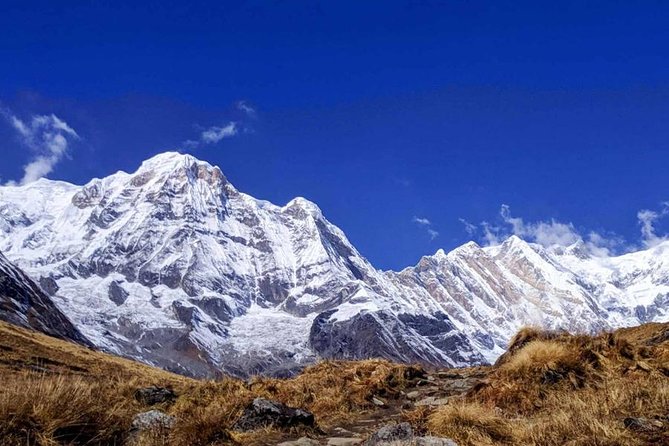
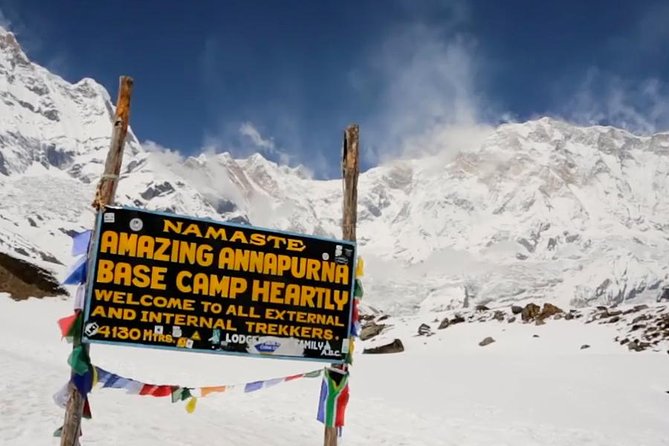
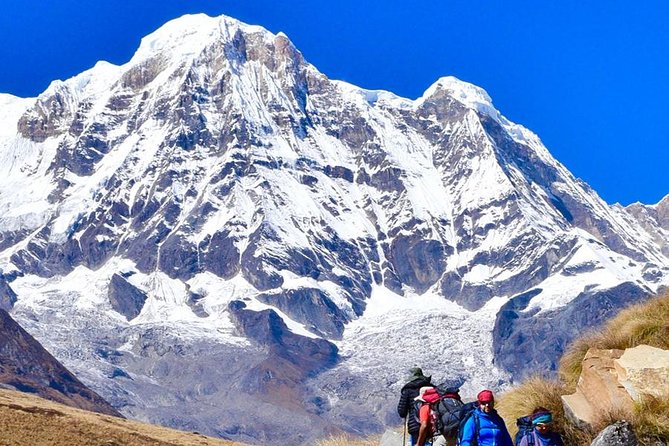
Day 6 is your big “we’re really here” day: Deurali to Annapurna Base Camp (about 4,130m / 13,545ft), with a route that includes Machhapuchhre Base Camp (around 3,700m / 12,135ft). You’re looking at about 5–6 hours.
This day tends to be memorable for two reasons. First, the route funnels you through high, dramatic terrain where the mountains look closer and more monumental than you expected. Second, you’ll likely feel a shift in your body even if you trained for hiking. At this altitude, the goal is steady effort, not speed.
What I’d watch for is pacing. Many people feel pressure to “push” on the final approach. Instead, make it about controlled breathing and small, consistent steps. If your guide is experienced, they’ll help you find that rhythm. One reason this tour gets strong feedback is the quality of coordination—people specifically praise guides and helpers for being friendly, patient, and responsive when needed.
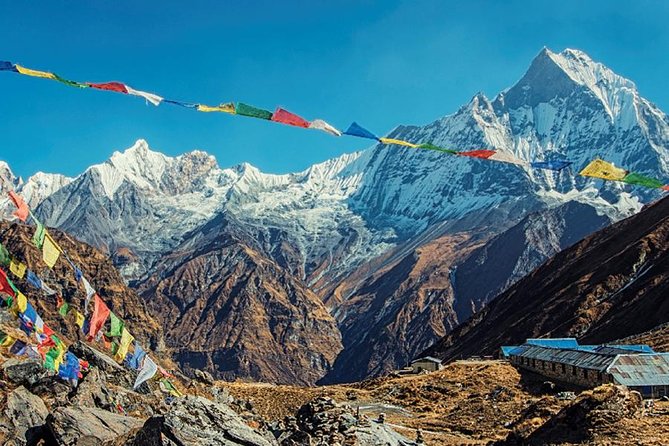
If the weather is clear, the views can be jaw-dropping. If it’s cloudy or windy, the mountain still feels powerful—you just won’t see every detail. Either way, you’ll come away with that rare sense of accomplishment that only a base camp trek delivers.
Days 7 to 9: the descent, then the hot-soaked relief of Jhinu Danda
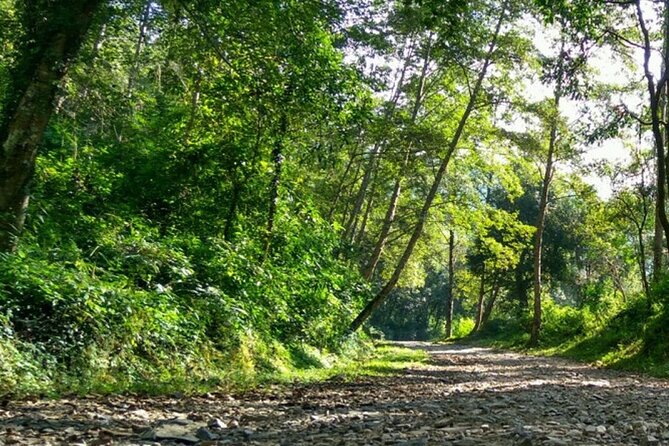
Day 7 is listed as Annapurna Base Camp to Bamboo, and the walking time is longer—about 7–8 hours. That surprises some first-timers. Descents can feel easier mentally, but they can be tough on knees and thighs, and long walking days are common on the return route.
Then Day 8 goes from Bamboo to Jhinu Danda (about 1,760m / 5,770ft), about 5–6 hours. The big idea here is relief. You drop in altitude, your body starts to feel warmer, and the trek’s tone changes again. Jhinu Danda is especially known for a more relaxed end-of-day feeling. If you want something restorative after the higher days, this stop is a good place to reset.
Day 9 is a hybrid: you trek to Naya Pul (about 6 hours) and then drive to Pokhara (about 1 hour). It’s an efficient transition back to city comfort. You get one more day on the trail, then you slide back into easier logistics.
Day 10 and 11: flying home from Kathmandu
Day 10 is straightforward: fly to Kathmandu. Day 11 is your final departure day, ending back at the meeting point in Kathmandu. Your tour includes breakfast on the final day, which helps you avoid that rushed, hungry feeling before heading out.
Two nights in Kathmandu plus the flights means you’re not stuck waiting around too long at the end. For many trekkers, that matters because you’ll want at least some time to recover, shower (where available), and get yourself organized for travel.
The value story: licensed guide, teahouses, and included meals
Let’s talk money and value. This trek costs $999 per person for roughly 11 days, including a lot of the big-ticket items: airport transfers in a private vehicle, lodging in Kathmandu and Pokhara, teahouse accommodation during the trek, and all meals during the trekking days. Lunch/dinner in the cities aren’t included, but on-trail meals are.
On paper, that might sound like “standard package stuff.” In practice, it reduces the main risks on a trek: running out of cash for meals, arriving hungry to tea houses, or getting stuck when something doesn’t go as planned. When you’re at altitude, getting the basics right is more important than fancy extras.
Another high-value detail is the porter ratio: 2 trekkers to 1 porter. That’s not just about comfort. It changes the way you hike. When you carry less, you’re less likely to fade early. You can also keep the “small things” in your own hands, like water management and a compact warm layer.
Finally, the guide quality is repeatedly praised in past experiences. People mention English-speaking, government-licensed guides and helpful staff who handle coordination quickly. Some departures have been led by guides such as Sujan and Tsiring, who are described as friendly and supportive.
Teahouse living: what it feels like day to day
This is a teahouse trek, which means simple lodging, shared spaces, and meals served in-house. You usually trade hotel polish for mountain atmosphere. And that atmosphere is part of the deal.
What you’ll get here:
- A predictable place to sleep each night
- Included breakfast, lunch, and dinner during the trek
- Tea/coffee with meals
- Staff coordination so you don’t have to barter or negotiate everything yourself
You should still expect basics. Hot water and showers often aren’t guaranteed in remote trekking zones, and some comforts can cost extra. The good news is that the essentials are covered: food, shelter, and the guiding support.
Also, peak season can strain availability. In at least one past experience, the team worked to secure a private room at tea houses during a busy time. That’s not something you can assume will happen on every departure, but it’s a sign the operator tries when rooms are limited.
What about weather and altitude risk?
ABC is a mountain trek, so the two biggest variables are altitude and mountain weather.
Altitude affects your breathing, sleep, and energy even if you’re fit. The itinerary’s step-by-step climb helps, but it doesn’t remove the reality that you’re going to higher elevations each day. Your best tool is pacing. Walk a little slower than you think you need to. Take breaks before you feel wiped out.
Weather affects the views and sometimes travel. Past experiences have mentioned heavy rain and a landslide affecting a road section. That’s exactly why having a coordinated team matters. Even when things go wrong outside the trail, someone needs to help you adjust without turning the day into chaos.
Who should book this Annapurna Base Camp trek
This trip fits well if you:
- Want a classic ABC route with real teahouse trekking
- Prefer a guided, organized experience with private vehicle transfers and set meals
- Are comfortable with a moderate fitness level and understand that altitude will slow you down
- Like village trekking as much as big scenery
It’s especially smart for first-time Nepal trekkers and solo travelers who don’t want to manage every detail alone. The porter support also makes it easier to keep your effort focused on walking instead of hauling.
You might think twice if you:
- Expect hotel-style comfort every night
- Want guaranteed hot showers at every stop
- Are the type who needs fast, flat hiking days without adjustment for altitude
Price and logistics: is $999 a good deal?
For $999, you’re paying for more than the route. You’re paying for the parts that usually eat your time and energy: airport transfers, Kathmandu and Pokhara lodging, flights, teahouses, the licensed guide, and porter support plus trekking meals.
In trekking, the “hidden costs” often show up in coping effort: meal searching, last-minute lodging issues, extra guides, or carrying too much and burning out. Here, those are reduced because the core services are included. That tends to make the overall value feel better than a cheaper trek package that leaves you to figure out the rest.
Just remember what’s not included: visa fees, international airfare, travel/rescue insurance, and tips. You’ll also need to plan for extras like water and battery charging if your route makes them relevant.
Should you book Alpine Club of Himalaya for ABC?
If you want an organized Annapurna Base Camp trek where your energy stays on the trail, this looks like a solid booking. The repeated themes are smooth planning, friendly and caring guide/porters, and support that’s responsive when needs come up. The porter ratio and included meals are the practical reasons this package tends to feel good once you’re on the mountain.
My suggestion: book if you’re excited by the idea of teahouses, village days, and that gradual climb toward Base Camp. Skip it only if you need a high-comfort travel style or you’re very sensitive to altitude pacing.
If you go, show up with layers, expect basic mountain accommodations, and give yourself permission to walk slower on the higher days. That’s the secret to enjoying ABC instead of just surviving it.
FAQ
Where does the trek start and end?
It starts and ends back at the meeting point in Kathmandu at Alpine Club of Himalaya Pvt. Ltd., Bagawan Bahal Marg, Kathmandu 44600, Nepal.
How long is the Annapurna Base Camp trek?
The duration is about 11 days.
What is included in the trek price?
The price includes private airport pickups and drops, 2 nights in Kathmandu and 1 night in Pokhara with breakfast, teahouse accommodation during the trek, all trekking meals (breakfast, lunch, dinner) plus tea/coffee, welcome or farewell dinners, flights Kathmandu to Pokhara and back, and private vehicle transfers Pokhara to Nayapul and back.
Do you get an English-speaking guide?
Yes. The tour includes an experienced, English-speaking, government-licensed guide.
Is there porter support?
Yes. Porter service is included with a ratio of 2 trekkers to 1 porter.
What kind of lodging do you stay in on the trek?
You stay overnight in teahouses during the trek.
Are meals included while in Kathmandu and Pokhara?
Breakfast is included with the Kathmandu and Pokhara accommodations. Lunch and dinner in Kathmandu and/or Pokhara are not included.
What is not included?
Not included are the Nepalese visa fee, international airfare to and from Kathmandu, excess baggage charges, lunch and dinner in Kathmandu and/or Pokhara, extra accommodation if your timing changes from the itinerary, travel and rescue insurance, and personal items like laundry, desserts, phone calls, battery recharge, bottle or boiled water, and shower. Tips are also not included.
What fitness level do I need?
You should have a moderate physical fitness level.
Can I cancel for a full refund?
Yes, you can cancel up to 24 hours in advance for a full refund. If you cancel less than 24 hours before the start time, the amount paid is not refunded.