REVIEW · KATHMANDU
Annapurna Base Camp Trek 12 Days
Book on Viator →Operated by Nepal Nirvana Trails · Bookable on Viator
Kick off your Annapurna Base Camp trek with sunrise missions. This 12-day route strings together Kathmandu setup, the famous Poon Hill dawn, and a shot at Annapurna Base Camp early morning. What I like is how it’s organized start-to-finish, and how the days are paced around real mountain mornings, not just checkmarks.
Two things that really stand out for me: first, you get an experienced guide and a team that has mapped this route hundreds of times and brings decades of Himalayan group leadership. Second, the package covers the hard parts logistics-wise—transfers, key trekking permits, and on-trek meals—so you spend less time worrying and more time walking and looking up.
One consideration: this price doesn’t cover your Nepal visa, travel/health insurance for emergencies, or meals in Kathmandu and Pokhara. You’ll also pay for personal snacks and drinks during trekking, and tipping your guide is expected.
In This Review
- Quick Hits Before You Go
- Price and Logistics That Actually Affect Your Day
- Kathmandu: Where the Trek Really Begins
- Getting to the Trail: Kathmandu to Pokhara to Nayapul
- The First Mountain Days: Sunrise, Sound, and Cold Mornings
- The first fresh morning
- Poon Hill sunrise day
- Downhill Easy, Then Up Again: Chhomrong, Sinuwa, Deurali
- Sinuwa and the Chhomrong zone
- Deurali approach and Bamboo climb
- Annapurna Base Camp: Your Weather-Linked Big Day
- Dawn at Base Camp
- The Return Loop: From Base Camp Back Through Sinuwa and Chhomrong
- Pokhara and Kathmandu: Recovery, Shopping, and a Goodbye Dinner
- Guides, Pace, and the Human Touch That Keeps You Feeling Safe
- Who This Trek Fits Best (and Who Should Rethink)
- Should You Book Nepal Nirvana Trails for Annapurna Base Camp?
- FAQ
- Where does the trek start?
- What time does the tour start?
- How long is the experience?
- What transport is included in Nepal?
- Are meals included while trekking?
- Is water purification provided?
- Do I need to buy permits?
- What is not included?
- Is there free cancellation?
Quick Hits Before You Go
- Route-trained guides with long experience leading groups in the Himalayas
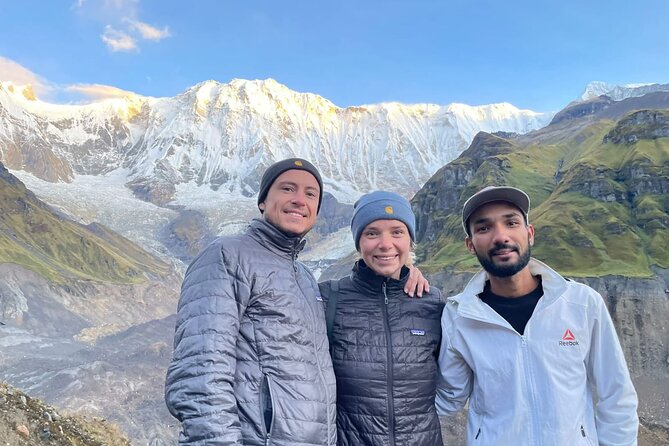
- Sunrise planning twice: Poon Hill before the main trek, then dawn at Annapurna Base Camp if weather allows
- Meals on the trek with tea/coffee included (plus water purification drop/tablets)
- Mountain-to-city logistics handled: tourist bus Kathmandu–Pokhara and back, plus private vehicle legs to the trek start and end
- Early starts are baked in (including a 6:15am start) so you should be ready for mornings
Price and Logistics That Actually Affect Your Day
This trek costs $800 per person for about 12 days in Nepal. On paper that number can look simple, but on a trek like Annapurna Base Camp, the real value is what gets taken off your plate.
Here’s what’s included that matters most in the real world:
- Airport transfer services for arrival and departure (so you’re not figuring out transport after a long flight)
- Ground transportation by tourist bus between Kathmandu and Pokhara
- 11-night accommodations during the tour
- An experienced guide
- Meals while on the trek (breakfast/lunch/dinner) plus tea/coffee
- Trekking map and water purification drop/tablets
- Permits and fees: ACAP, TIMS, and local permits
- Pokhara to trek start point and trek end point to Pokhara by private vehicle
What’s not included (and can surprise people who only budget the headline price):
- International flights
- Nepal entry visa
- Travel and health insurance that covers emergency rescues/evacuations
- Personal expenses like snacks, soft drinks, beer/coke/juice, and Wi‑Fi
- Lunch and dinner in Kathmandu and Pokhara
- Porter (you can request one only if you need it, but it’s not included)
- Tips for the guide (expected)
In plain terms: you’re paying for the core trek experience and the “bureaucracy + planning” layer. If you also price out permits, most meals, key transport legs, and the guide, the package starts to look less like a bargain and more like a solid way to avoid expensive last-minute chaos.
You can also read our reviews of more tours and experiences in Kathmandu.
Kathmandu: Where the Trek Really Begins
The tour starts at Tribhuvan International Airport in Kathmandu, with a meeting time listed around 6:15am. That means your first morning is for getting oriented, not sleeping in.
Day 1 is designed to be gentle. You meet the team at the airport and then get escorted to your hotel. If possible, the plan encourages you to use part of the day to prepare and rest. That matters because Annapurna Base Camp isn’t a “weekend hike.” It’s a series of early starts, cold mornings, and long walking days where good sleep helps more than motivation.
Also look at the practical detail: the package offers pickup/transfer services on both ends. So once you’re done with trekking, you’re not stuck negotiating your way back to the airport with tired legs.
Getting to the Trail: Kathmandu to Pokhara to Nayapul
The middle of the trip has a classic Nepal rhythm: city transport, then a jump into the walking life.
- You leave Kathmandu early by bus. The guide meets you at your hotel around 6:30am, and the bus leaves at 7:00am.
- You travel from Kathmandu toward the Malekhu area by a short drive after reaching the bus point.
- Then comes the Pokhara segment: you have breakfast in Pokhara and move to the bus park by car/taxi.
- From there, the trek start area is reached via a sharing local bus/jeep route to Nayapul.
Why I like this setup: you don’t burn your energy on a day that’s basically “just transport.” It’s handled for you. The main trade-off is that local sharing transport can feel slow and crowded compared to private cars—but that’s common for routes in Nepal and it keeps costs in check.
The First Mountain Days: Sunrise, Sound, and Cold Mornings
Once the trek starts, the experience leans hard into early light and real village atmosphere.
The first fresh morning
One of the early descriptions calls out the local soundscape: donkey, goat, hen, and dog noise—then sunrise views that hit you right after waking. That’s not a marketing line. It’s the reality of mountain villages in the pre-tourist hours.
The practical win here: you’re walking when the air is cooler and views are often at their best. The drawback: chilly mornings are part of the package, and you’ll feel it if your layering plan is weak.
Poon Hill sunrise day
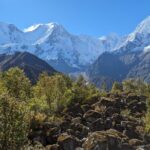
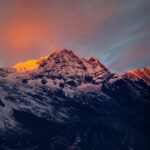
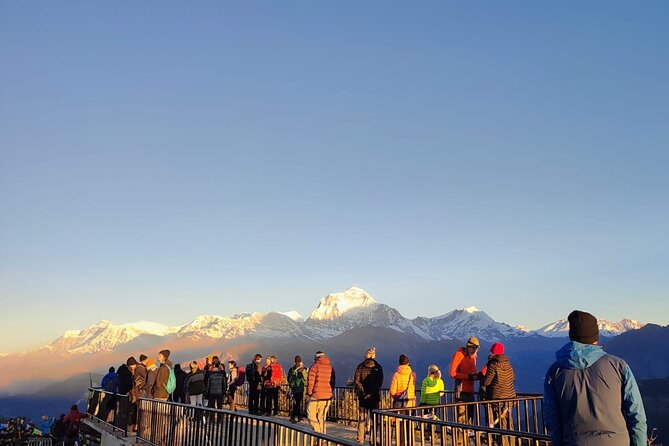
A key highlight is the early hike to Poon Hill Viewpoint for sunrise. You start pretty early and hike about 45 minutes to 1 hour to reach the viewpoint. The description notes you can see about 18 countable Himalayas peaks from there.
This day is a smart move for two reasons:
- You get an iconic sunrise moment before the heavier walking begins.
- You also get a quick “altitude awareness” training session. It’s not the same as the full trek effort, but it prepares your body for mountain mornings.
The thing to watch: sunrise visibility is weather-dependent. If clouds move in, you might still get nice scenery—but the big peaks shot you want can fade.
Downhill Easy, Then Up Again: Chhomrong, Sinuwa, Deurali
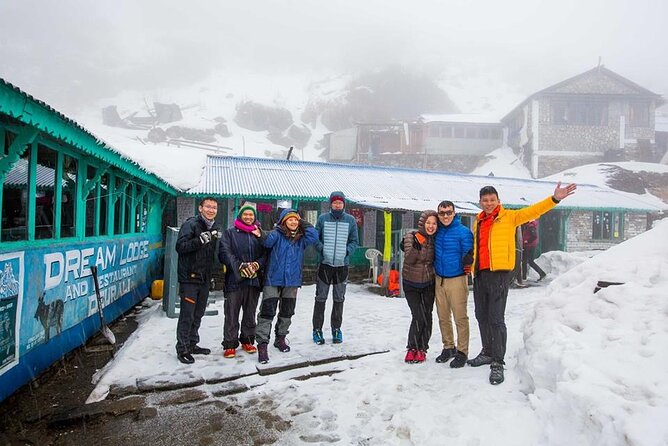
From here the trek becomes a rhythm. Some days are easier, some days are more of a grind, and the views keep pulling you back outside.
Sinuwa and the Chhomrong zone
After Tadapani, one segment is described as downhill to Sinuwa, with the pace noted as enjoyable and easy. That kind of day matters because it breaks up the tougher climbing. Also, villages like Sinuwa give you a calmer, more intimate feel between big viewpoint days.
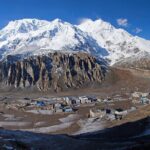
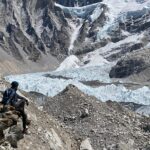
The plan also includes Chhomrong and mentions a stop with views of the mountains and local scenery. This part of the trek is where the scenery starts to feel fully Himalaya—not just one mountain photo, but a whole system of ridges and valleys.
Deurali approach and Bamboo climb
Another day includes an ascent toward Deurali, where the climb to Bamboo takes about 1.5 hours. The description also suggests you slowly come closer to Deurali as you move along.
This is the stage where your trekking strategy should be simple: keep a steady pace, take short breaks, and stay warm. Even when the route feels manageable, these middle days add up.
Annapurna Base Camp: Your Weather-Linked Big Day
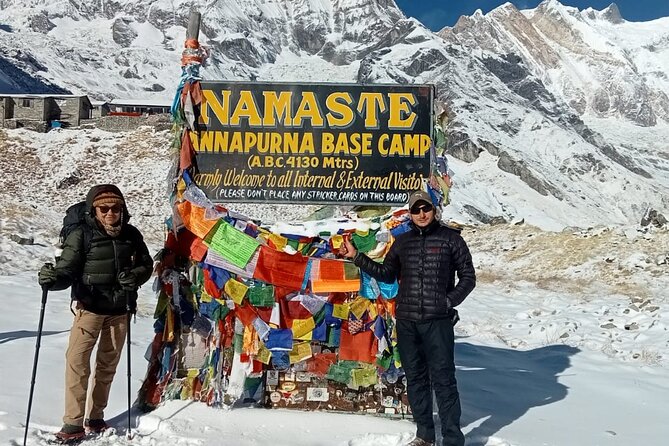
Eventually you hit the point you planned the trip for: trekking to Annapurna Base Camp. The day’s description highlights the dramatic mountain setting, and also mentions passing through Machhapuchhre Base Camp along the way.
That “encircled by stunning mountains” feeling is the main reason people do this trek. Base Camp days are about sustained scenery, not sprinting to a single photo spot.
Dawn at Base Camp
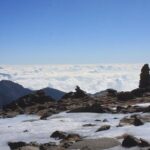
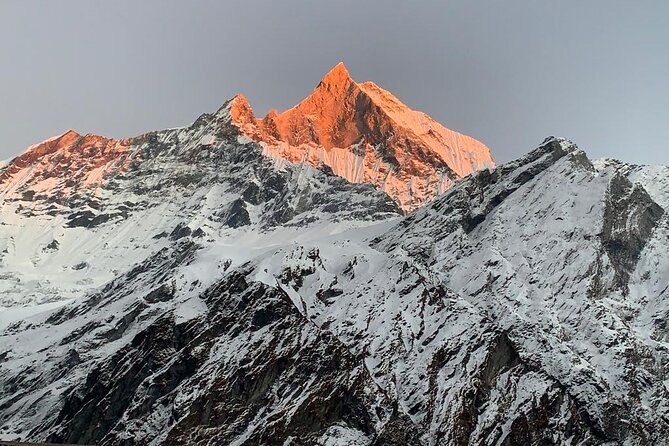
On the following day, the plan includes watching dawn from Annapurna Base Camp if the weather is clean and clear. Then you head back down toward Sinuwa via rugged trails and sparsely forested areas.
Here’s what you should know from a practical standpoint:
- The route gives you a chance at dawn, but you can’t control clouds.
- Returning days can feel longer because the adrenaline of getting there fades, and your legs start talking back.
This is also where guide support really matters. In the trek feedback shared for this operator, guides like Bhairas Tamang and Prajil are praised for good pace, checking on hikers when needed, and keeping things safe and organized. That kind of attention can make the difference between pushing too hard and enjoying every step.
The Return Loop: From Base Camp Back Through Sinuwa and Chhomrong
The trek doesn’t end when you reach Base Camp. It ends when you return, and that takes patience.
One day describes:
- Leaving Annapurna Base Camp early enough to catch dawn (weather permitting)
- Trekking back to Sinuwa
- Moving through high hills and sparsely forested areas
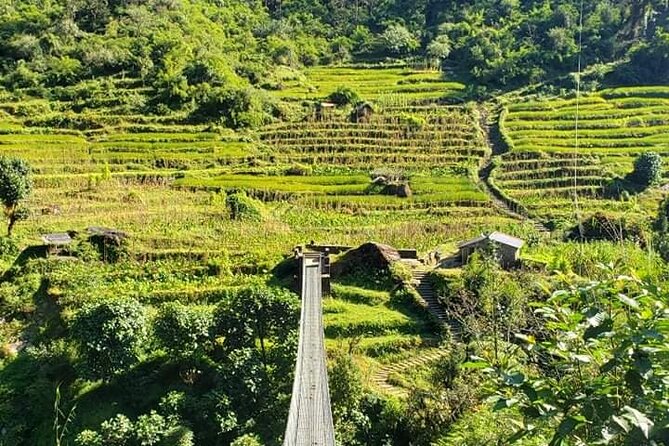
Later, the plan includes a trek segment of about two hours to reach Siwai from Sinuwa, plus an ascent toward Chhomrong with mountain and farmland views along the way.
Two things make this return section important:
- You get time to notice how your body adapts after the peak effort.
- You finish with scenery that feels more human—farms, villages, and the daily life scale of the mountains.
Also, if you’re the type who likes tea breaks: the trek pacing and lodge stops are built around that. One of the guide notes mentions snacks brought for tea time, which is exactly the kind of small comfort that keeps morale steady.
Pokhara and Kathmandu: Recovery, Shopping, and a Goodbye Dinner
Once trekking winds down, the last couple days soften.
- After breakfast, you leave Pokhara for Kathmandu.
- In Kathmandu you have free time to relax or do shopping.
- There’s also a goodbye dinner in the evening.
Then your final day is departure day: the trek ends in Kathmandu, and the team drops you at the airport so you can fly to your next destination.
This structure works well. Many people start trekking thinking of it as a “mountain-only” experience, but your post-trek decompression time matters. It’s part of the value of a guided package.
Guides, Pace, and the Human Touch That Keeps You Feeling Safe
The biggest recurring theme in the guide feedback is not just friendliness—it’s support.
I’ve seen multiple mentions of guides being:
- Helpful and well-prepared
- Keeping a good pace
- Checking in if someone is tired
- Keeping the group feeling safe
- Sharing information during the walk
- Bringing extra snacks for tea time
Specific names connected to these positive impressions include Prajil, Bhairas Tamang, and Somnath Tripathi. There are also mentions of support from Uttar and Buddha in the trek experience.
Even if your guide isn’t one of these people, the operator’s claim of route mapping and long experience matters. A well-run ABC trek is partly about being in the right place and partly about making the right decisions when the weather shifts, legs get heavy, or a group needs a slower moment.
Who This Trek Fits Best (and Who Should Rethink)
This is listed as suitable for people with moderate physical fitness. It’s also a private tour/activity, meaning only your group participates.
So who it’s great for:
- You want a structured trek with transport, meals, permits, and guide support handled
- You care about sunrise moments at both Poon Hill and Base Camp
- You like knowing you’ll be fed on-trail and have water purification basics provided
Who might need to rethink or adjust:
- You don’t want early mornings. The plan includes wake-up and departure times like 6:30am and a tour start listed around 6:15am.
- You’re not comfortable budgeting extra for your own Kathmandu/Pokhara meals and personal trekking expenses.
- You want emergency coverage built in. Since insurance isn’t included, you’ll need to arrange it yourself if you want peace of mind.
Should You Book Nepal Nirvana Trails for Annapurna Base Camp?
I’d book this trek if you want less friction and more trekking time. The inclusion list is strong: permits, guide, on-trek meals with tea/coffee, accommodations, and the key transport legs between Kathmandu, Pokhara, and the trail.
I’d pause if you’re trying to run a tight budget that only covers the headline price. Since visa, insurance, Kathmandu/Pokhara meals, personal drinks/snacks, and tips aren’t included, your total cost will rise a bit once you add real-life extras.
If you want a plan that keeps decisions in someone else’s hands while you focus on walking and watching the mountains, this 12-day Annapurna Base Camp package is a sensible choice.
FAQ
Where does the trek start?
The start point is Tribhuvan Airport, Kathmandu, Nepal.
What time does the tour start?
The meeting/start time is listed as 6:15 am.
How long is the experience?
It’s listed as 12 days (approx.).
What transport is included in Nepal?
You get ground transportation from Kathmandu to Pokhara and back by tourist bus, plus Pokhara to the trek start point and trek ending point to Pokhara by private vehicle.
Are meals included while trekking?
Yes. The package includes breakfast, lunch, and dinner during the trek, plus tea/coffee.
Is water purification provided?
Yes. You receive a trekking map and water purification drop/tablets.
Do I need to buy permits?
No. The package includes trekking permits and fees: ACAP, TIMS, and local permits.
What is not included?
Not included are international flights, Nepal entry visa, travel and health insurance (for emergency rescues/evacuations), meals in Kathmandu and Pokhara, personal expenses (like snacks and drinks), and porters (if you need one). Tips for the guide are expected as well.
Is there free cancellation?
Yes. You can cancel up to 24 hours in advance for a full refund.