REVIEW · KATHMANDU
4-day Poon Hill Trek
Book on Viator →Operated by Mosaic Adventure · Bookable on Viator
A short walk can still change your morning. This 4-day Poon Hill trek is built around the classic early rise for Himalaya sunrise views and close-up mountain scenery in the Annapurna conservation area. I also love that you hike with a licensed English-speaking guide, so you’re not playing map detective on steep paths. My only real drawback is that the tour price doesn’t include drinks like tea/coffee or bottled water, and tipping is expected by the guide.
I like the practical support system here. You’ll get porter help (one for every two trekkers), plus guide-led navigation, which makes the whole thing feel more like a focused hiking day than a test of survival stamina.
Also, plan for an early start. The meeting time is 7:15am, and the trek is best for people with at least moderate fitness (minimum age is 12).
In This Review
- Key Things to Know Before You Go
- Poon Hill Sunrise: the whole point of this short trek
- Your four days in the Annapurna conservation area (what it feels like)
- Teahouses and meals: included comfort, simple food, smart budgeting
- Transfers, timing, and small-group hiking in Nepal
- Guide and porter setup: how you avoid the headache parts
- Price and value: what $400 covers and why it’s not just a ticket
- Who this trek suits best (and who should reconsider)
- Final verdict: should you book Mosaic Adventure for Poon Hill?
- FAQ
- What is included in the trek price?
- What is not included?
- Where does the trek take place?
- What time do we meet?
- What fitness level do I need?
- What are the age and group limits?
- Is cancellation allowed after booking?
Key Things to Know Before You Go
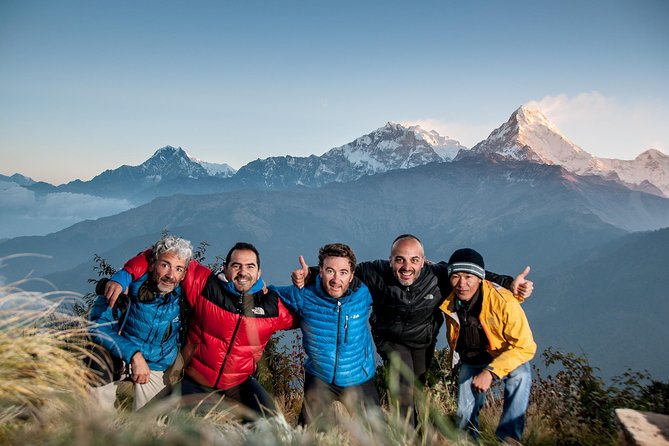
- Poon Hill sunrise is the mission: wake early to catch the Himalaya views from the top.
- Licensed English-speaking guide: you hike with someone who helps you avoid getting lost.
- Porters split the load: one porter for every two trekkers means more comfortable walking.
- Teahouse trekking style: expect typical stops along the way to sleep and eat.
- Meals and permits are handled: accommodation, standard meals, and required permits/taxes are included.
- Small group size: a maximum of 12 travelers keeps things manageable.
Poon Hill Sunrise: the whole point of this short trek
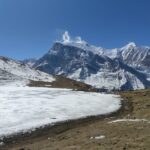
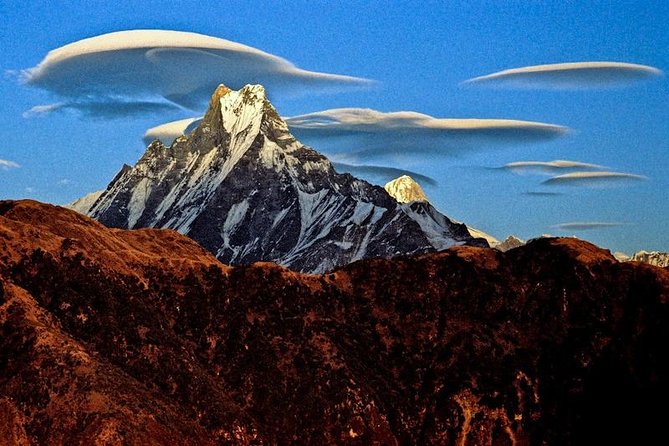
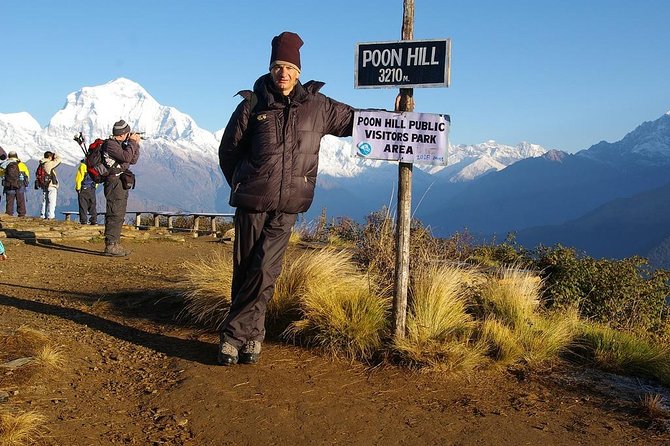
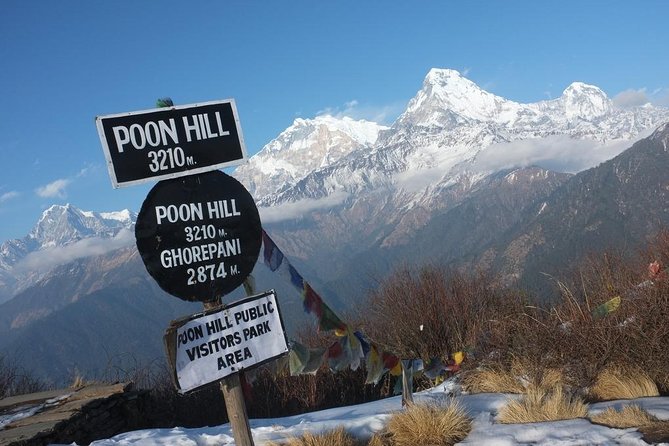
Poon Hill is the kind of place where the timing matters. You’re up early so you can climb to the viewpoint and catch the sunrise over the Himalayas. The reward is the close-up look at major peaks, and it’s one of those moments that feels bigger than the effort you put in the day before.
This trek is especially good if you want mountain views without a long commitment. In four days, you still get that classic rhythm: early push for views, daytime hiking through villages and conservation-area trails, and then cozy teahouse nights afterward.
The other thing I appreciate is that the trek is structured for active travelers who want authenticity without stress. With a guide, you spend less energy figuring things out and more energy noticing what’s around you—village life, mountain ridgelines, and the changing light over the peaks.
You can also read our reviews of more tours and experiences in Kathmandu.


Your four days in the Annapurna conservation area (what it feels like)
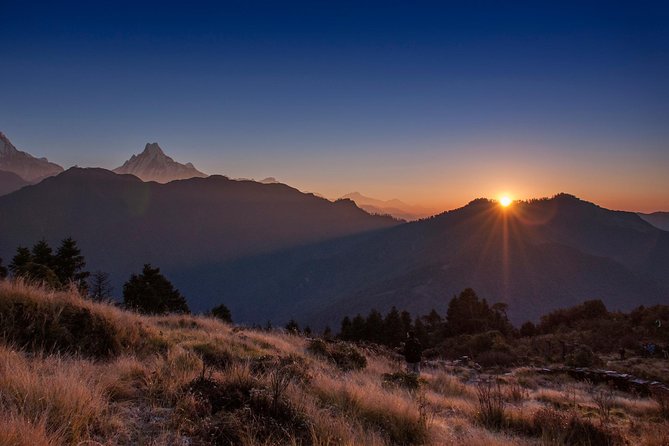
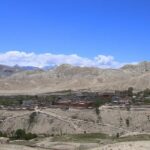
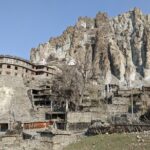
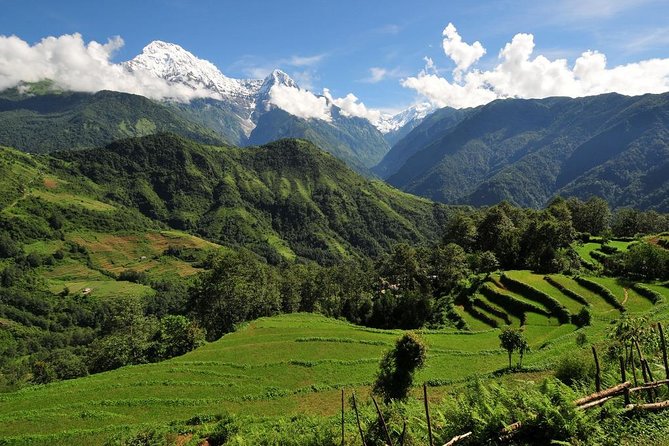
You’re hiking along the Annapurna conservation area with views of Himalayan peaks and villages. That’s the big picture, and it stays consistent through the trip: you’re walking through mountain terrain, stopping in teahouses, and keeping your eyes on the sky and the ridgelines.
Because the itinerary details only call out Poon Hill as the main stop, I’ll keep expectations realistic. Think of the days like this:
- Day 1: You get into the trekking zone right away after the included transfers to/from Pokhara. You’ll start hiking through the area with village scenery and mountains in view. Teahouse accommodation is part of the plan from the trek itself, so you’re not sleeping “off-grid.”
- Days 2–3: These are your core hiking days. You’ll keep moving along the trail network through the conservation area, with occasional breaks for meals and rest. The views are part of the experience, not a one-time event.
- Day 4 (finish): After the trek wraps up, you return with included transfers back to Pokhara.
The good news: even without a long multi-week schedule, you’ll still get that sense of being “in the mountains,” not just hiking a short out-and-back. The teahouse stops also make the pace feel doable, especially with porter support and a guide to keep you on track.
Teahouses and meals: included comfort, simple food, smart budgeting
One of the best value pieces here is what’s actually included. You get teahouse accommodation on the trek and all standard meals—breakfast, lunch, and dinner—during the hiking days. That matters because food logistics can eat travel time. With meals handled, you can focus on walking and recovery instead of tracking menus.
Teahouse meals aren’t fancy, but they’re practical. Expect warm, filling food after a day on trails. The rhythm usually works like this: early start, steady walking, lunch along the way, then dinner at the teahouse where you can recharge for the next day.
Here’s the budgeting heads-up: drinks are not included. The tour notes that beverages like tea/coffee and bottled water aren’t covered, so you’ll want to plan for that extra spend. Tipping is also expected by the guide, so that’s another small line item to remember before you arrive.
If you’re the type who wants coffee or hot tea on demand, build some cash into your plan. It won’t ruin the trip, but it will prevent surprise spending.
Transfers, timing, and small-group hiking in Nepal
This trip runs between Kathmandu and the Pokhara side of the journey—because the trek starts so close to Pokhara, you can reach the mountain experience faster on day one. The tour includes return transfers to Pokhara, and it also states that starting and ending point transfers are included, which is exactly what you want on a trek like this.
The meeting time is 7:15am. That’s early enough to feel like a real trekking day, not a casual stroll. And since Poon Hill sunrise viewing is a key highlight, you should assume your mornings start before the sun is fully awake.
The group size is capped at 12 travelers. That’s a sweet spot for many trekkers: big enough to feel social, small enough that your guide can actually manage pace and navigation without everyone getting stretched out for hours.
You also get pickup offered and a mobile ticket. Those little details don’t sound exciting, but they can reduce day-of stress—especially if you’re juggling flights, city traffic, and luggage.
Guide and porter setup: how you avoid the headache parts
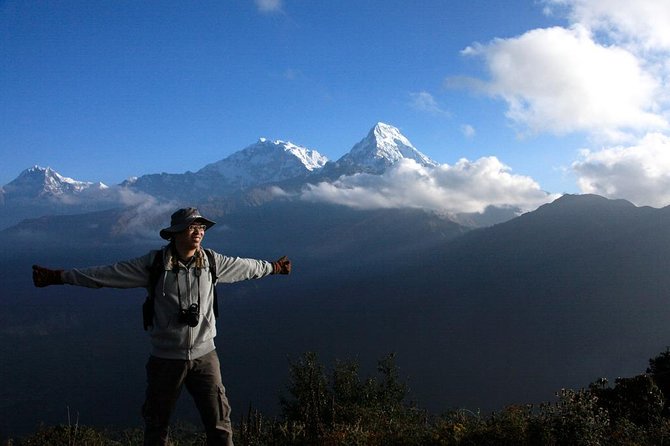
I’m a fan of trips that admit the trails can be confusing. This one specifically includes hiking with a guide to help you avoid getting lost. That’s the kind of “boring” feature that turns into a big relief once you’re on steep paths or in low-visibility conditions.
The guide name that shows up in feedback is Purna. In the experiences people shared, Purna is praised for making the trek feel much bigger than just walking from point A to point B. That matches what a good guide does: they help you follow the route, but they also bring the moment to life—especially around sunrise, when you’re trying to balance timing, temperature, and good viewing angles.
Now add the porter system: one porter for every two trekkers. Practically, it means you can carry less, walk longer without feeling wrecked, and keep your energy for the views. Even if you’re fit, reducing pack weight is a quality-of-life upgrade. Your legs do more than just cope; they actually enjoy the day.
Price and value: what $400 covers and why it’s not just a ticket
The price is $400 per person. For many trekkers, that number is the make-or-break question, so here’s how the value stacks up based on what’s included.
Included in the tour:
- Return transfers to Pokhara (plus included transfers at the start/end points)
- Licensed English-speaking guide
- Teahouse accommodation during the trek
- All standard meals (breakfast, lunch, dinner) during the trek
- Required permits and all taxes
Also included:
- Pickup offered
- Mobile ticket
So what you’re paying for isn’t only the hiking day. You’re paying for transportation back to Pokhara, the guide team, your sleeping arrangements, and the daily food planning. That’s a lot of the effort that often turns trekking into a “logistics job.”
What costs extra:
- Beverages (tea/coffee, bottled water, and similar)
- Tipping (expected by the guide)
In other words, the $400 price covers the core essentials that keep a short trek smooth. The extra costs are mostly personal extras and proper gratuity. If you budget for drinks and tips, you’ll feel like you got what you paid for.
One more practical note: the cancellation policy is non-refundable and cannot be changed for any reason. That’s not something you want to ignore—if your schedule is shaky, double-check your dates before booking.
Who this trek suits best (and who should reconsider)
This is a good match if you’re:
- An active traveler with moderate physical fitness
- At least 12 years old
- Looking for a memorable Himalayan hike without a big time commitment
- Comfortable with early mornings to catch sunrise views
- Interested in village scenery and conservation-area hiking, not just one viewpoint
It may be less ideal if:
- You hate early starts or want a slow, late-morning travel style
- You don’t want any extra out-of-pocket costs (drinks aren’t included, and tipping is expected)
- You’re expecting a fully flexible itinerary day-by-day. This experience is set up as a fixed trek package.
Also, note the minimum of 2 people per booking. If you’re traveling solo, you’ll need another participant or you may have to wait for availability.
Final verdict: should you book Mosaic Adventure for Poon Hill?
I’d book this if your goal is straightforward: sunrise at Poon Hill, teahouse comfort, and a guided route in the Annapurna conservation area—without turning the trip into a logistics puzzle.
The strongest reasons to choose it are simple:
- Sunrise viewing is built into the schedule, and that’s the signature payoff.
- The included guide and porter support reduce the most common trekking headaches.
- Meals, accommodation, permits, and transfers are handled, which makes a four-day trek feel efficient and less stressful.
If you’re okay budgeting for drinks and tipping, and you’re fine with a morning start (7:15am meeting time), this is a solid value way to get real Himalayan hiking experience in a short window. And if the name Purna comes up again in your group, that’s a good sign—people clearly appreciated the way he helped bring the trek to life.
FAQ
What is included in the trek price?
You’ll get return transfers to Pokhara, a licensed English-speaking guide, teahouse accommodation during the trek, and all standard meals (breakfast, lunch, and dinner). The tour also includes required permits and all taxes.
What is not included?
Beverages such as tea/coffee and bottled water are not included. Tipping is also not included and is expected by the guide.
Where does the trek take place?
The trek is in Nepal, hiking in the Annapurna conservation area, with starting and ending transfers connected to Pokhara.
What time do we meet?
The meeting start time is 7:15am.
What fitness level do I need?
The tour is described as suitable for travelers with moderate physical fitness.
What are the age and group limits?
Minimum age is 12 years. The maximum group size is 12 travelers, and there is a minimum of 2 people per booking.
Is cancellation allowed after booking?
No. The experience is non-refundable and cannot be changed for any reason.