REVIEW · KATHMANDU
Everest Base Camp Trek
Book on Viator →Operated by Explore Himalaya Travel and Adventure · Bookable on Viator
Everest starts before the first step. This 15-day Everest Base Camp trek ties Kathmandu’s pace to a Kathmandu-to-Lukla flight (Lukla is around 2,860m) and then puts you in Sagarmatha National Park as you climb toward Everest’s doorstep. I love how the route builds in Sherpa settlements and monasteries, so it’s not just altitude and views. I also like that key logistics are handled, from lodge stays to meals, so your time is spent acclimatizing and walking. The main drawback to plan around is flight risk: weather can delay or cancel Lukla flights, and you should keep buffer time if you can.
You’ll be trekking with an English-speaking local expert guide plus porters, and you’ll sleep in local lodges with sharing bathrooms. You’re also on a private departure, so the experience is built around your group rather than shoehorning you into someone else’s pace. The trek is for people with moderate fitness, and it’s worth saying upfront: this is strenuous high-altitude walking, not a casual hike.
In This Review
- Key Things That Make This Everest Base Camp Trek Worth It
- Kathmandu Setup: More Than a Pre-Trek Waiting Room
- Lukla Flight: The Quickest Way to Change Your Altitude
- Sagarmatha National Park Days: Walking Through Big Mountain Territory
- Sherpa Villages and Monasteries: The Part That Makes Everest Feel Human
- Everest Base Camp and Kala Patthar: What the Finale Actually Delivers
- Lodges, Meals, and the Real Comfort Level
- Guides and Porters: Where This Trek Gains Its Safety Margin
- Price and Value: Is $2,500 Reasonable Here?
- Who Should Book This Everest Base Camp Trek (and Who Should Rethink)
- Should You Book Explore Himalaya for Everest Base Camp?
- FAQ
- What’s included in the Everest Base Camp trek price?
- How do flights to Lukla work, and can they be delayed?
- What happens if my Lukla flight is canceled for too long?
- What altitude is Lukla, and why does that matter?
- Do I need a Nepal visa?
- Is this trek private, and what fitness level do I need?
Key Things That Make This Everest Base Camp Trek Worth It
- Kathmandu + Lukla transition: you trade long road travel for an altitude-changing flight into the Everest region
- Sagarmatha National Park access: the trek runs through a protected Himalayan zone with mountain-and-forest variety
- Sherpa culture built into the climb: monasteries, villages, and daily life give context to the big peaks
- Lodges and meals are largely handled: local lodge accommodations and 3 meals plus hot drinks reduce daily guesswork
- Kala Patthar-style payoff: the Everest-area highlight is close-up time at high viewpoints like Kala Patthar
Kathmandu Setup: More Than a Pre-Trek Waiting Room
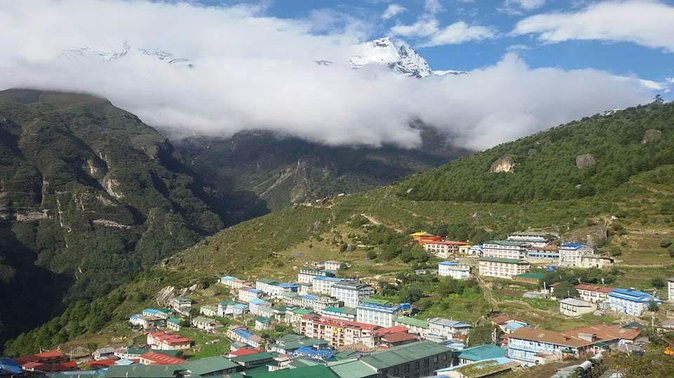
Most Everest Base Camp trekkers spend their first day thinking about packing. This one starts that way, but you also get the practical side of being in Kathmandu: settling in, sorting out small gear gaps, and getting your body ready for tomorrow’s altitude jump.
You’ll have 3 nights in a 3-star hotel in Kathmandu on twin sharing with breakfast. That matters on a trek like this because Kathmandu can be noisy, and the day-to-day rhythm is different from the mountains. A decent night’s sleep in the city helps you start your trek calm instead of already tired.
If you’re arriving with questions, this operator has a reputation for responsive, no-drama communication before the trek begins. In prior trips, travelers mentioned support from the team led by Anuj and the finance side being quick with answers, which is exactly what you want when you’re trying to confirm documents, timing, and what’s actually included.
Tip I strongly recommend for you: use Kathmandu to do a gear check once, not ten times on the trail. Socks, layers, a warm hat, and blister care take priority because you’ll have long days of walking with little room for improvising.
You can also read our reviews of more tours and experiences in Kathmandu.
Lukla Flight: The Quickest Way to Change Your Altitude
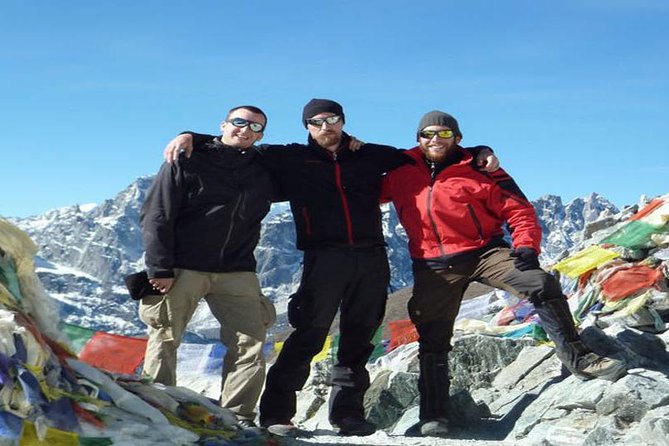
Here’s the first big reality check of Everest Base Camp trekking: Lukla isn’t just a town. It’s your launchpad, and it sits at about 2,845–2,860m. The trek begins with an electrifying flight to the airport in Lukla, perched on the edge of a cliff.
Why this matters to you: that altitude jump happens fast. You might feel it as faster breathing or a slightly “busy” head. On the plus side, it compresses travel time and gets you into the real trek atmosphere early.
The other reality: Lukla weather can mess with plans. The operator specifically warns that flights can get delayed or canceled for one or more days, even in best season. That means your timeline might stretch, especially right at the start or near the end of your trek.
What you can do to protect your trip:
- If possible, keep buffer days around your trek dates
- Talk with your guide if you hear your Lukla flight is at risk
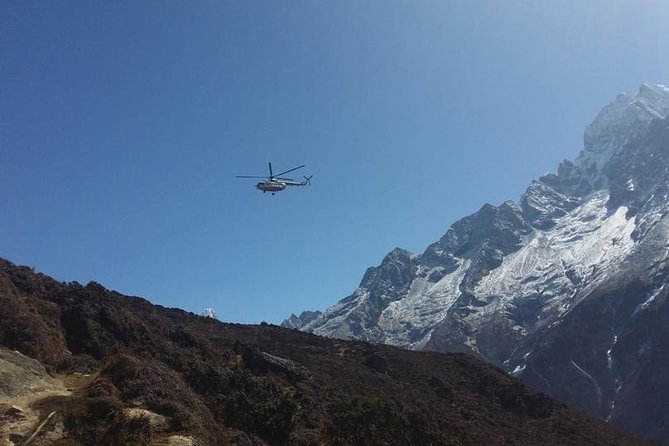
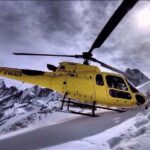
And yes, there’s a backup option: a helicopter flight to/from Lukla can be arranged for a supplement charge if needed. It’s not included in the base cost, and availability determines what’s possible, but it’s there as a tool when weather becomes a problem.
Also note: the trip covers Kathmandu–Lukla–Kathmandu airfare as included items, but the operator mentions they’re unable to refund or cover expenses related to flight cancellation before or after the trek. So you’ll want solid travel insurance (especially for high-altitude trekking), even though insurance isn’t part of the package.
Sagarmatha National Park Days: Walking Through Big Mountain Territory
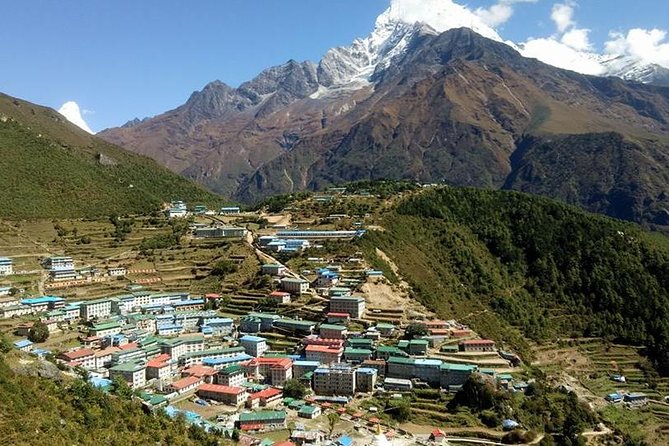
Once you’re in the Everest region, the trek moves through Sagarmatha National Park. That’s a useful detail because it signals protected terrain rather than just a random string of tea houses.
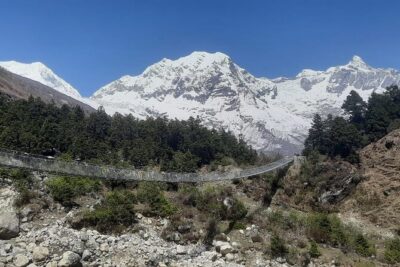
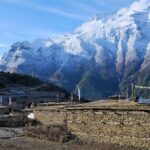
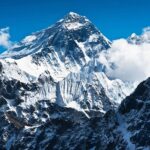
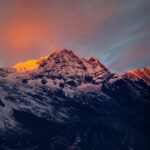
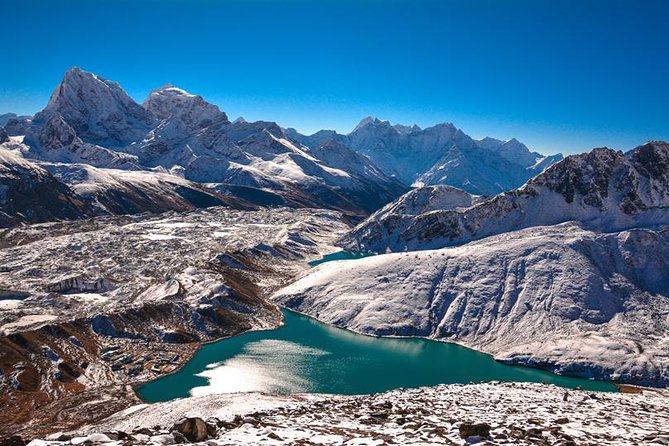
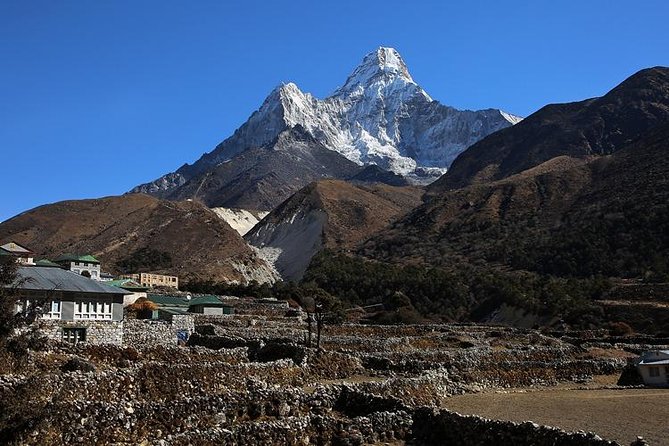
This part of the journey is where you start seeing the mountain giants become more than names. You’ll get views of Everest (8,848m), Lhotse (8,586m), Cho Oyu (8,188m), and Ama Dablam (6,812m). Even if you never feel “ready” for the big peaks psychologically, the scenery steadily makes the goal real.
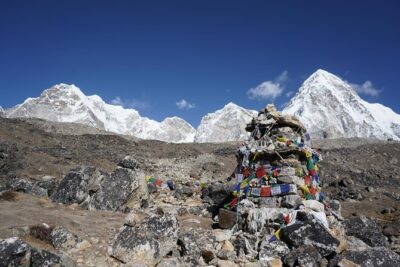
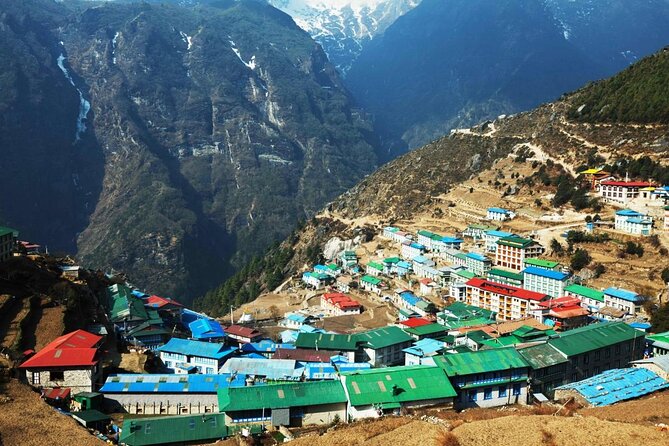
A big plus is that the ascent isn’t only physical. The trek also shifts culturally as you climb deeper into Sherpa settlements. That means each day can feel like a change in both altitude and atmosphere: trails, prayer flags, village life, and monasteries that reflect the spiritual side of the region.
What I like about this phase for you: you’re not just grinding uphill. You’re also practicing high-altitude rhythm—walking, resting, drinking, and paying attention to how your body reacts. That pacing is what keeps many people safe and comfortable enough to reach Everest Base Camp and return.
Sherpa Villages and Monasteries: The Part That Makes Everest Feel Human
Everest Base Camp trekking is famous for the skyline view. But what stays with you long after the photos is the texture of life in the villages along the route.
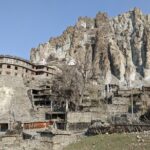
This trek explicitly emphasizes cultural richness in highland Sherpa settlements and monasteries. You’ll feel it in how the villages are built, how people live close to the mountain seasons, and how the trail passes community spaces that are more than tourist backdrops.
In the feedback linked to this operator’s treks, guides and porters are repeatedly praised for being calm, patient, and genuinely supportive. Names like Bal, Bal Kumar Tamang, Sabin Khadka, Gelu, and Raju show up in different trekking stories, and people mention encouragement when the pace slowed or when someone needed extra help.
One story that stands out in my mind: support during a leg twist, with a porter helping by carrying a day bag and offering steady encouragement. That’s the real value of good trekking staff. They can’t change weather, but they can help you keep going safely—especially when your body starts negotiating with the trail.
If you’re the kind of traveler who likes authentic encounters, this trek’s cultural emphasis helps. You’re not only walking to Everest. You’re also moving through a living Himalayan corridor.
Everest Base Camp and Kala Patthar: What the Finale Actually Delivers
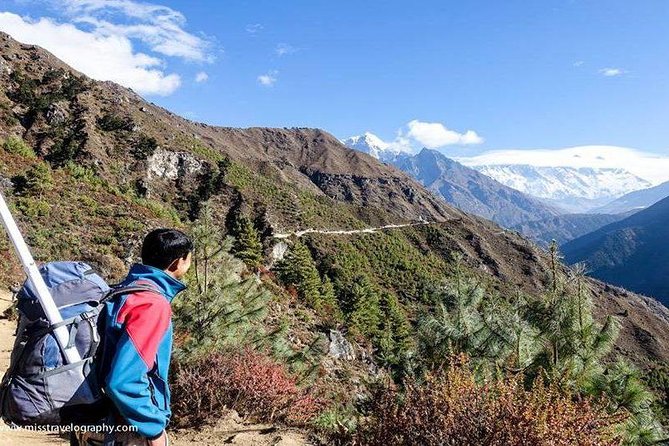
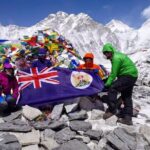
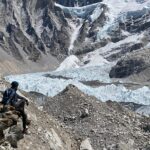
The end goal is the very base of Mt. Everest. You’re trekking to the area where the mountain dominates everything in front of you, where your effort becomes measurable in one unforgettable place.
In addition, many EBC itineraries include Kala Patthar, and it’s specifically called out in a prior trek experience tied to this operator. Kala Patthar is the kind of high-view stop that helps you see Everest more clearly in a different way—less distant, more personal. It’s also one of those days where you feel the payoff for every earlier slow step.
What to know before you go for it: “arriving” at Everest Base Camp doesn’t automatically mean you feel great. Some people feel tired, some feel giddy, and some feel both. Altitude plus effort can bring headaches or low energy even when you’ve planned well. That’s why having an experienced guide matters. The guide’s job isn’t only navigation; it’s pacing, spotting when someone is struggling, and keeping you moving in a way that supports acclimatization.
Also, remember that this tour includes lodge accommodation and meals during the trek, but your comfort level in the mountains is still basic. You’ll be dealing with cold mornings and limited indoor warmth. Pack for that, not for Kathmandu weather.
Lodges, Meals, and the Real Comfort Level
Here’s what’s included so you can plan without guessing:
- Accommodation during the trek in local lodge (standard lodge with sharing bathroom)
- 3-course meals with hot drinks daily (breakfast, lunch, dinner)
- English-speaking local expert guide and porters
So during the trek, you’re not trying to hunt food or figure out what a village kitchen can do. That’s a big deal at altitude, where you don’t want food decisions to become another stressor.
But there’s a comfort trade-off you should understand. Sharing bathrooms and basic lodge rooms are part of the deal. This isn’t a criticism; it’s simply the reality of Everest region trekking. If you need private bathroom comforts, you’ll likely feel frustrated.
You’ll also want to know what’s not included in the mountains: table drinks and snacks while walking. If you like tea breaks and small energy boosts, budget for them separately.
And in Kathmandu, lunch and dinner aren’t included. Breakfast is part of your hotel stay, but you’ll be paying for other meals in the city.
Guides and Porters: Where This Trek Gains Its Safety Margin
This operator includes an English-speaking local expert guide and porters. That pairing is what turns Everest Base Camp into a manageable plan instead of a chaotic expedition.
From the stories tied to these treks, guides are praised for professionalism, honesty, and being genuinely helpful even before you start. People mention fast, thorough answers from Anuj and the team, plus a smooth handoff once they arrived and were picked up.
On the mountain, porters are repeatedly mentioned as a key strength—not just for carrying, but for being encouraging and practical. In tough moments, their support can keep the day’s plan alive when legs or energy are running low.
A practical point for you: ask your guide what pace they expect and how they handle slow walkers. The best guide doesn’t force the group; they help everyone finish with dignity.
Price and Value: Is $2,500 Reasonable Here?
At $2,500 per person for a trek of about 15 days, this package looks expensive at first glance. But the value depends on what’s included.
What’s built into the price:
- Trek lodge accommodations
- 3 meals a day with hot drinks during the trek
- English-speaking guide plus porters
- TIMS fees
- Kathmandu/Lukla/Kathmandu airfare
- 3 nights in a 3-star hotel in Kathmandu with breakfast
- Surface transfers as per the itinerary
- Pickup offered
What’s not built in:
- Nepal visa (multiple entry, 30 days)
- Lunch and dinner in Kathmandu
- Snacks/table drinks while walking
- Emergency evacuation costs if something goes wrong
- Insurance and medical expenses
When you’re comparing, the airfare and the hotel nights are two of the biggest hidden costs for EBC treks. Many travelers get sticker shock only after they realize they still have to pay flights, lodging before the trail, and day-to-day guidance. This package handles those blocks, which is why many people see good value here.
Still, the price won’t protect you from the main variable: Lukla flight weather. The trek can get delayed, and the operator notes you won’t be covered for unused services if flights cancel outside the included plan. That’s where travel insurance and buffer days become part of your real cost.
Who Should Book This Everest Base Camp Trek (and Who Should Rethink)
This trek is for people with moderate physical fitness. That phrase matters. Moderate fitness usually means you can walk for long stretches, climb steadily, and handle changing altitude without needing constant breaks.
This trek also works well if:
- you want an organized, private experience with your own group
- you prefer local lodges but don’t want to handle logistics yourself
- you like culture as much as peaks
In prior trek experiences connected with this operator, people as old as their late 60s and even into the 70s described completing the trek with the right support and planning. Age alone didn’t stop the trip, but it highlights one thing: you’ll be relying on guide pacing and on not pushing harder than your body can handle.
Who should rethink it:
- if you have major health constraints that high altitude could worsen
- if you can’t handle basic lodge conditions with shared bathrooms
- if flight delays would make you deeply stressed because you lack flexibility
Should You Book Explore Himalaya for Everest Base Camp?
If you want a guided Everest Base Camp trekking experience where the meals, lodge beds, guides, porters, and major transport pieces are handled, this package fits. The standout strength is support: pre-trek communication, calm guidance on the trail, and practical help when things slow down.
I’d book it if:
- you’re okay with simple lodge comfort and shared bathrooms
- you can tolerate possible Lukla flight delays
- you value having an experienced English-speaking guide and porter team
I’d be cautious if:
- your schedule is fixed with no buffer at either end
- you expect luxury-level comfort in the Everest region
- you haven’t planned for altitude and insurance
If you can plan smart, this is the kind of trek that delivers both the Everest goal and the human rhythm of the mountains.
FAQ
What’s included in the Everest Base Camp trek price?
The package includes trek accommodations in local lodges (standard lodges with sharing bathroom), 3-course meals with hot drinks (breakfast, lunch, dinner), an English-speaking local expert guide and porters, TIMS fees, Kathmandu/Lukla/Kathmandu airfare, 3 nights in a 3-star hotel in Kathmandu on twin sharing with breakfast, and all surface transfers as per the itinerary.
How do flights to Lukla work, and can they be delayed?
Lukla flights typically operate in the morning to avoid bad weather. Still, flights can be delayed or even canceled for one or more days due to unfavorable weather, either at the start of your trek or at the end. The operator may try to schedule the next flight, and you’re advised to have buffer days if possible.
What happens if my Lukla flight is canceled for too long?
The operator suggests you be prepared with the possibility of delays and keep buffer days. If you want to stick with the original trek, they mention you can arrange a helicopter flight to/from Lukla with a supplement charge, depending on availability.
What altitude is Lukla, and why does that matter?
Lukla is around 2,845–2,860 meters. That matters because it means the trek starts at high altitude right away, so you’ll need to take acclimatization and pacing seriously from the beginning.
Do I need a Nepal visa?
Yes. The Nepal visa mentioned here is a Multiple Entrée 30 days visa for USD 40. This is not included in the tour price.
Is this trek private, and what fitness level do I need?
It’s a private tour/activity, meaning only your group participates. The trek is for travelers with a moderate physical fitness level.