REVIEW · ANNAPURNA CIRCUIT
Annapurna Circuit Trekking 13 Days
Book on GetYourGuide →Operated by Adventure Bound · Bookable on GetYourGuide
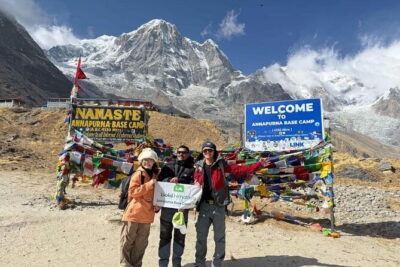
Thorong La at 5,416m feels serious. This 13-day Annapurna Circuit blends the Marshyangdi River valley, Manang’s Tibetan Buddhist culture, and the big technical moment at Thorong La Pass before you finish with a sunrise push to Poon Hill. I especially like how the route shifts from greener forests into the drier Lower Mustang feeling. One consideration: you’ll be high, cold, and moving for long stretches, so altitude prep matters even with an acclimatization day.
I also like the human side of the trip. It’s run as a small group (up to 12), and service sounds consistent, with owner Laxman staying on top of formalities early and guides like Ganesh praised for patience and adapting to how you’re doing.
In This Review
- Quick hits that make this Annapurna Circuit special
- Annapurna Circuit Trek: why this route still delivers
- From Kathmandu drive-days to river valleys: the early warm-up (days 1–4)
- Day 2: Jagat to Dharapani (6–7 hours, ~1,960m)
- Day 3: Dharapani to Chame (5–6 hours, ~2,710m)
- Day 4: Chame to Pisang (5–6 hours, ~3,300m)
- Manang acclimatization and Tibetan Buddhist culture (days 5–6)
- Day 5: Pisang to Manang (6–7 hours, ~3,540m)
- Day 6: acclimatization day at Manang
- The high plateau lead-in: Yak Kharka and Thorong Phedi (days 7–8)
- Day 7: Manang to Yak Kharka (4–5 hours, ~4,120m)
- Day 8: Yak Kharka to Thorong Phedi (4–5 hours, ~4,450m)
- Thorong La Pass: the technical day at 5,416m (day 9)
- What makes it feel different
- Descending into Muktinath
- Kali Gandaki wind, Muktinath energy, and Kagbeni vibe (days 10–11)
- Day 10: Muktinath to Jomsom (5–6 hours, ~2,743m)
- Day 11: drive to Tatopani (4–5 hours, ~1,290m)
- Tatopani to Ghorepani: the build toward Poon Hill (day 12)
- Day 12: Tatopani to Ghorepani (7–8 hours, ~2,750m)
- Poon Hill sunrise and the finish into Pokhara (day 13)
- Early morning: hike to Poon Hill (3,210m)
- Then down to Nayapul and on to Pokhara
- Tea houses, meals, and what’s actually included
- What’s not included (plan around it)
- Gear that reduces packing stress
- Guides, permits, and transfers: why logistics feel manageable
- Transports included, but not all trekking
- Ask for the guide style you want
- Price and value: what $970 buys (and what it doesn’t)
- Best season and altitude reality check
- Who this Annapurna Circuit trek suits best
- Should you book this 13-day Annapurna Circuit trek?
- FAQ
- What is the highest point on this Annapurna Circuit trek?
- What’s included in the trek meals and accommodation?
- Are permits included?
- Does the price include a guide?
- Are porters included?
- What season is best for this trek?
Quick hits that make this Annapurna Circuit special
- Thorong La Pass (5,416m) is the day everyone plans for, and the views are the reason you’re working that hard
- Manang adds a strong Tibetan Buddhist feel, not just mountain scenery
- Muktinath + the Kali Gandaki wind zone give you spiritual focus plus harsh, dramatic terrain
- Hot springs at Tatopani are a real recovery tool after big altitude days
- Poon Hill sunrise (3,210m) makes for an easy win on the last morning
Annapurna Circuit Trek: why this route still delivers
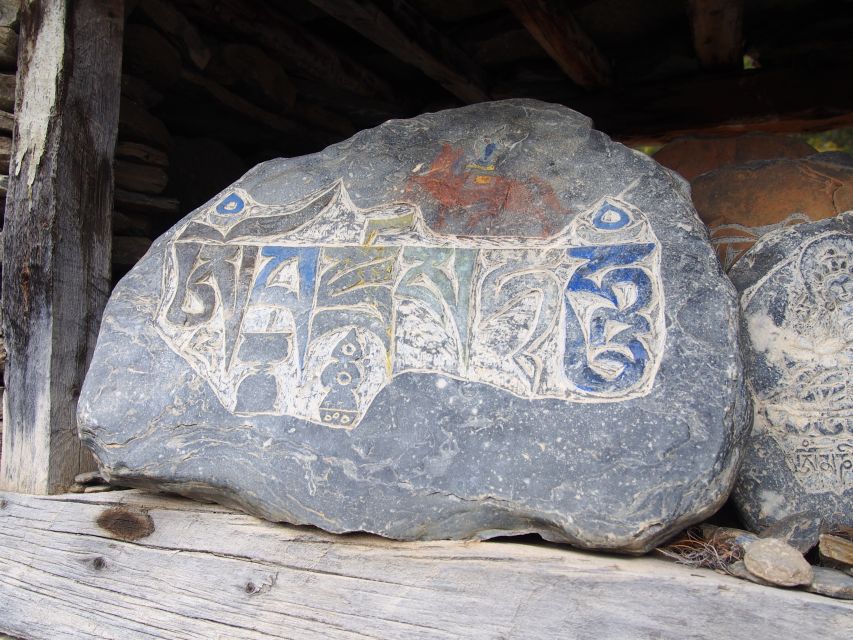
The Annapurna Circuit earns its reputation because it moves you through several Nepal “moods” in one trip. You start in river country with forested sections and waterfalls, then you gradually feel the air thin and the terrain change. After that, you get the high-pass challenge most people remember long after they’ve come home.
This version of the circuit also gives you a balanced mix of effort and reward. You’re not just chasing one view. You hike through the Marshyangdi River valley, spend time in Manang, cross Thorong La, then continue into the Kali Gandaki area toward places like Muktinath and Kagbeni. It’s a classic route pattern: earn your elevation, then cash it in with big moments.
The trip is built for an “organized but real” experience: basic tea houses along the way, three meals a day during the trek, and a licensed guide who handles permits and your day-to-day rhythm. That matters, because on a route like this, logistics can steal energy you’d rather spend on your next set of steps.
From Kathmandu drive-days to river valleys: the early warm-up (days 1–4)
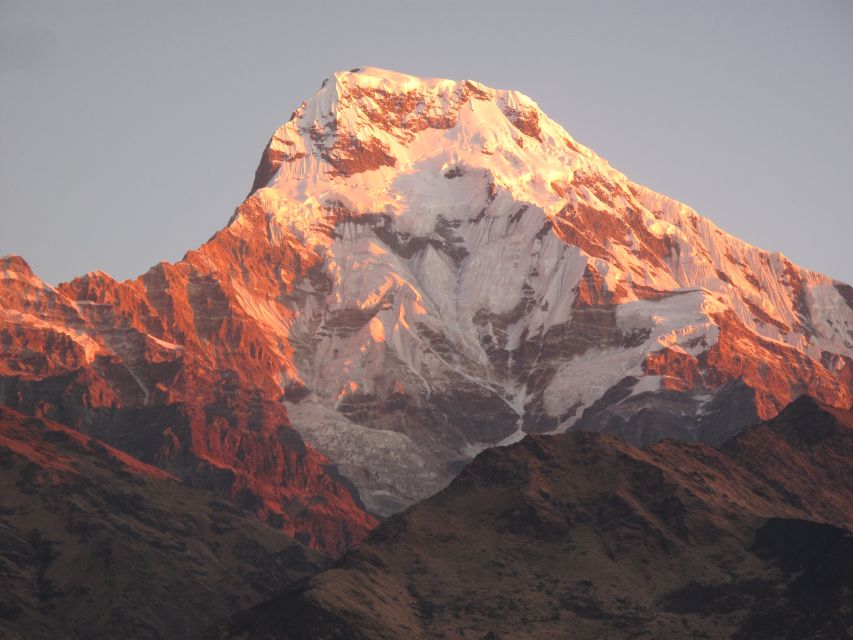
You’ll begin with a long road transfer from Kathmandu to Jagat (about 8–9 hours) via Besisahar, then settle into trekking the next day. That first day is less about exertion and more about getting into the rhythm. You’ll be spending time in transit, and you’ll want to treat it like part of your acclimatization routine: hydrate, eat steadily, and don’t celebrate with too much alcohol because altitude later will not be amused.
Day 2: Jagat to Dharapani (6–7 hours, ~1,960m)
This is where the Marshyangdi River valley starts doing its job. Expect greenery, local communities, and the kind of steady trail that lets you get into a comfortable pace early. It’s a good day for “controlled effort.” Your goal isn’t to win the hike; it’s to feel good enough to keep going for days.
Day 3: Dharapani to Chame (5–6 hours, ~2,710m)
Chame sits higher, and the hike starts to feel more “mountain working.” The trail is still very hikeable, but the air is different. You’ll likely notice that you breathe slower to keep your heart rate calm. If you’re the type who sprints uphill, try switching to smooth and steady here. It pays off later.
Day 4: Chame to Pisang (5–6 hours, ~3,300m)
This is a noticeable altitude step. The route begins pushing you toward the higher, drier-feeling zones. You’ll also start seeing more of the cultural blend that makes the Annapurna Circuit more than just a physical test.
Manang acclimatization and Tibetan Buddhist culture (days 5–6)
Day 5: Pisang to Manang (6–7 hours, ~3,540m)
Manang is often the cultural turning point. This trek explicitly highlights Manang and Tibetan Buddhist culture, and you’ll feel it as you move into the area. The air is higher, too, so keep your legs from getting ahead of your breathing.
Day 6: acclimatization day at Manang
An acclimatization day is included for a reason: it lowers your odds of feeling wrecked when the pass day arrives. This is the day to rest, drink water, and move gently if you feel up to it. Think of it as a checkpoint: you’re building the body you’ll need for Thorong La.
If you’ve ever ignored altitude and paid the price, this is where you should be honest with yourself. Even with an acclimatization day, the pass is still high and serious.
The high plateau lead-in: Yak Kharka and Thorong Phedi (days 7–8)
Day 7: Manang to Yak Kharka (4–5 hours, ~4,120m)
This leg is shorter, but it’s higher. The scenery shifts into more open mountain terrain, and your breathing becomes part of your pace-setting.
Day 8: Yak Kharka to Thorong Phedi (4–5 hours, ~4,450m)
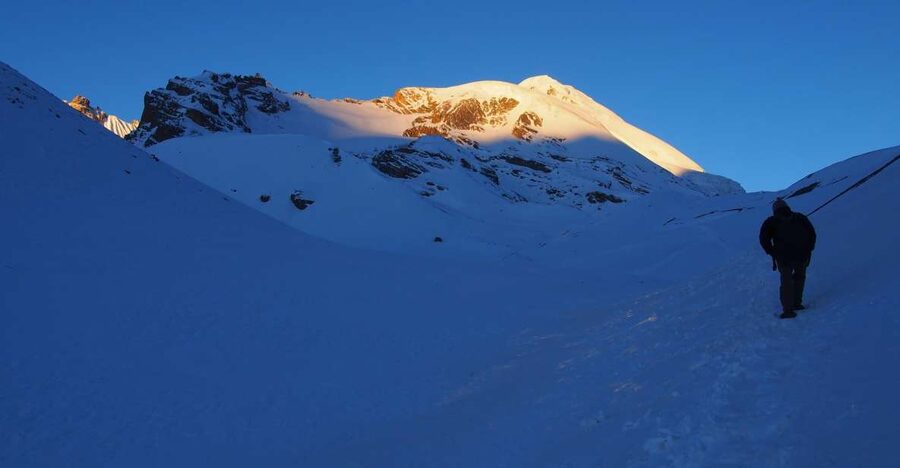
Thorong Phedi is where you start feeling the pass day in your bones. Nights here often feel colder, and you’ll want to be ready for early starts. This is also where your planning brain should take over:
- keep your layers organized
- get your small essentials together
- don’t wait until you’re shivering to hunt for things
The trip provides gear you might need, including a sleeping bag and down jacket (if needed) and a duffel bag, so you’re not scrambling last minute for warmth. You’ll return these after the trek.
Thorong La Pass: the technical day at 5,416m (day 9)
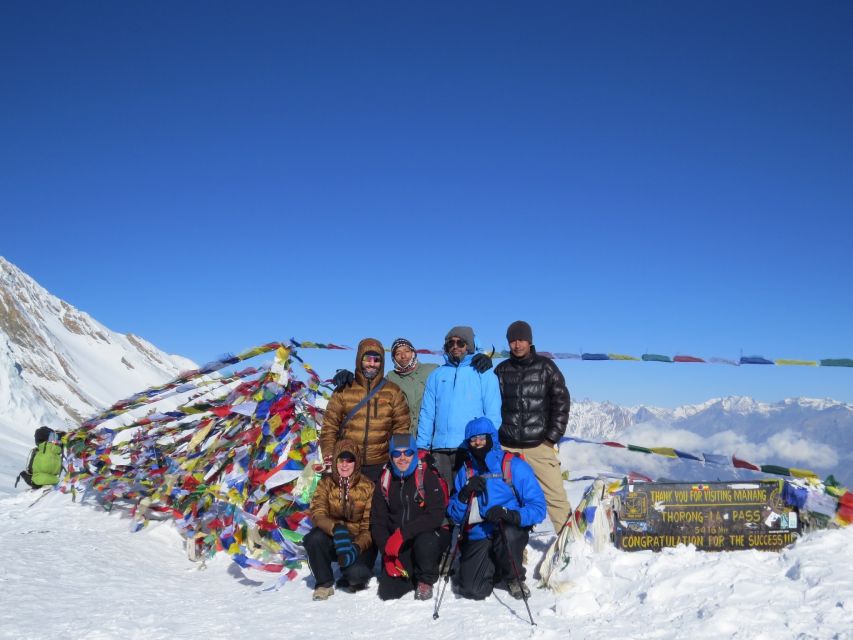
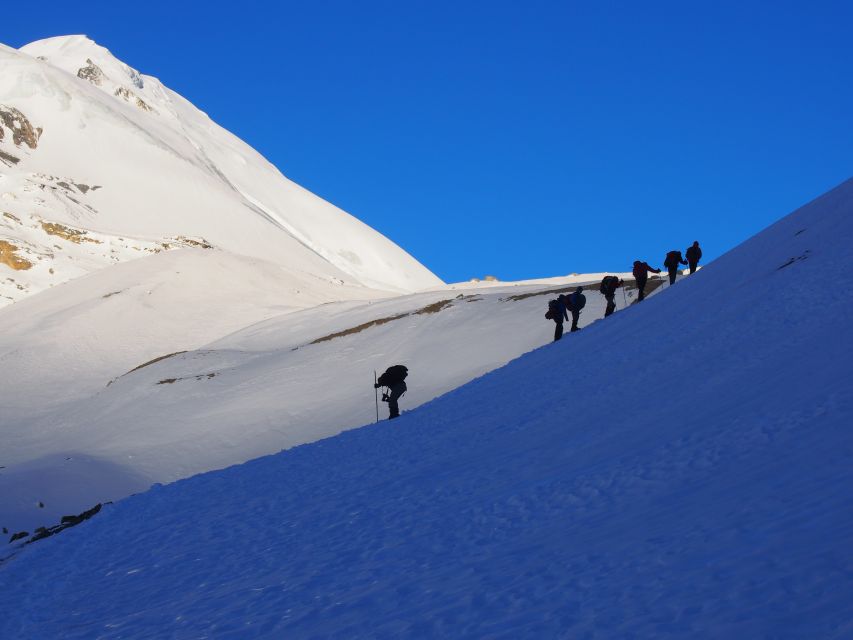
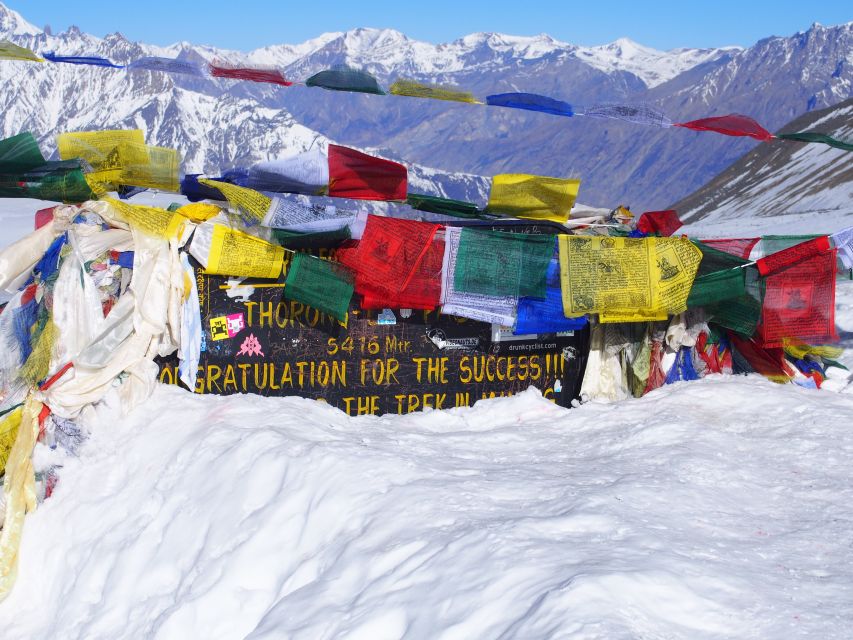
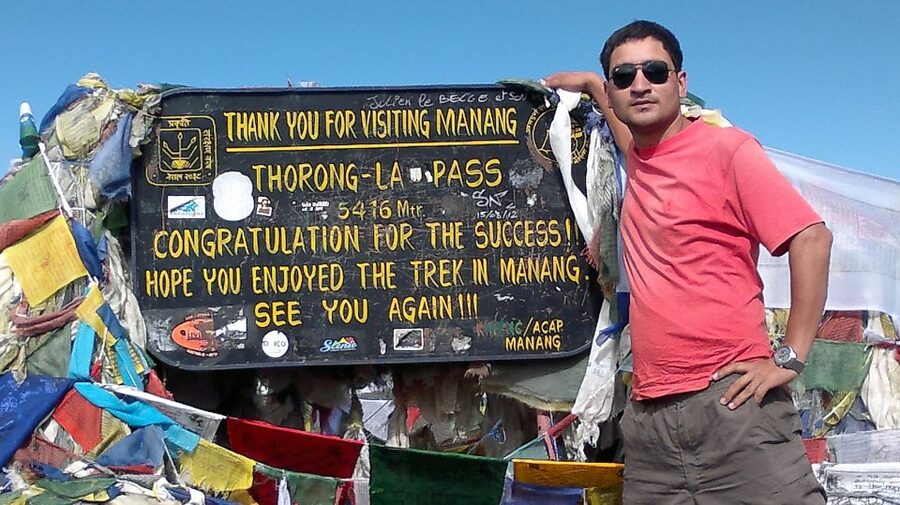
This is the big headline day. You leave Thorong Phedi, cross Thorong La Pass at 5,416m, and descend toward Muktinath (~3,802m). The total time is listed as about 7–8 hours, which tells you it won’t be a slow stroll, but it’s also not a multi-day ordeal.
What makes it feel different
Crossing a high pass is less about bravery and more about rhythm. You’ll likely slow down. Your body may feel like it’s working at “half speed,” especially at the top. That’s normal. The win is staying calm enough to keep going.
The trek also promises the key payoff here: on the pass day you get stunning views of the Annapurna white peaks and the surrounding region. That’s what you’re grinding toward.
Descending into Muktinath
Once you’re over, you transition to a more human-feeling altitude. You end the day at Muktinath, which the itinerary highlights as a spiritual center. If you’re looking for a moment where the trip changes tone from pure climbing to meaning, this is it.
Kali Gandaki wind, Muktinath energy, and Kagbeni vibe (days 10–11)
Day 10: Muktinath to Jomsom (5–6 hours, ~2,743m)
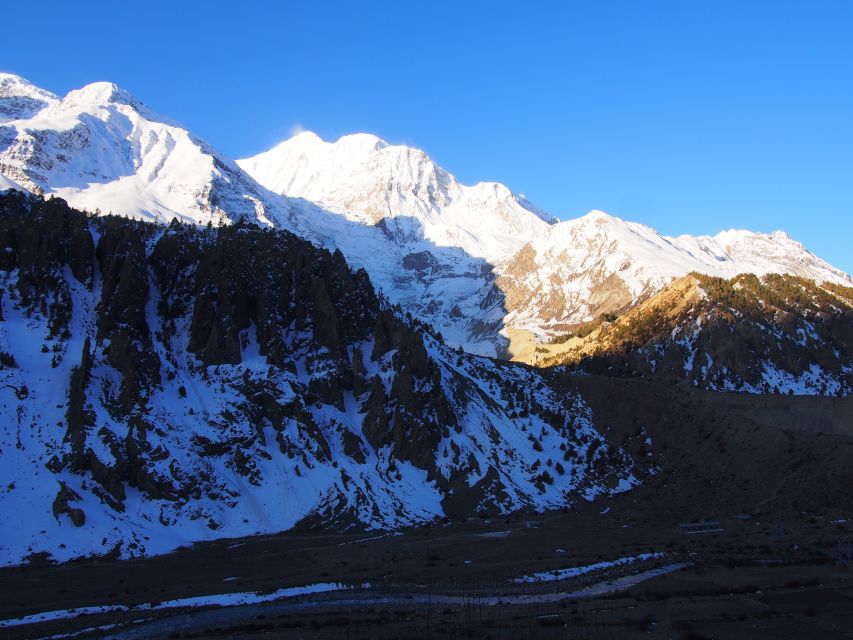
You drop down into the Kali Gandaki Valley, which is known for wind and big, arid-feeling terrain. The trek calls it windy, and you’ll feel why. This isn’t a lush river walk day. Expect a more exposed, weather-sensitive vibe.
Jomsom is practical and small-town in feel. Think of it as a base for getting out of the high zone and into recovery mode.
Day 11: drive to Tatopani (4–5 hours, ~1,290m)
Then comes a smart choice: drive down to Tatopani for a natural hot springs break. This is a real recovery day baked into the schedule. Your calves will thank you, and your mind will appreciate a day that is less about elevation gain.
Tatopani to Ghorepani: the build toward Poon Hill (day 12)
Day 12: Tatopani to Ghorepani (7–8 hours, ~2,750m)
This is a longer hiking day after the hot springs. It’s not just distance; it’s the feeling of getting back into hiking after downtime. Ghorepani is where you position yourself for the final highlight.
The altitude is moderate compared to Thorong La, but don’t treat it like an easy stroll. By now, your body remembers altitude weeks, and your best strategy is still smooth pacing.
Poon Hill sunrise and the finish into Pokhara (day 13)
Early morning: hike to Poon Hill (3,210m)
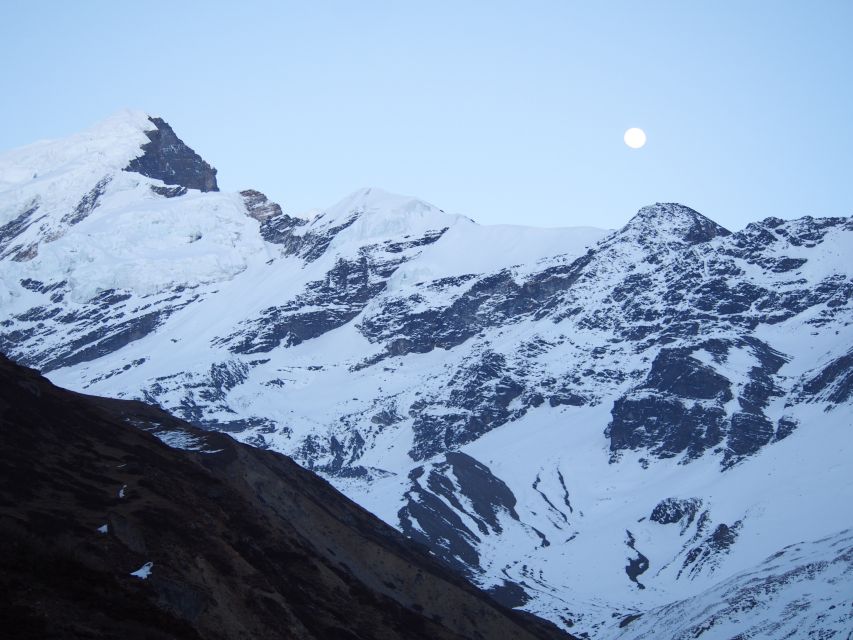
The last morning starts early with a hike to Poon Hill. You’re high enough to see wide, and the payoff is typically why people choose this finish. The altitude is listed at 3,210m, which is challenging but far more manageable than 5,416m.
Then down to Nayapul and on to Pokhara
After the viewpoint, you hike down to Nayapul (~2,070m) and then take a taxi to Pokhara. The route times it at about 7–8 hours total for the day. This ending is good because it mixes one last view moment with an actual travel connection back to comfort.
Tea houses, meals, and what’s actually included
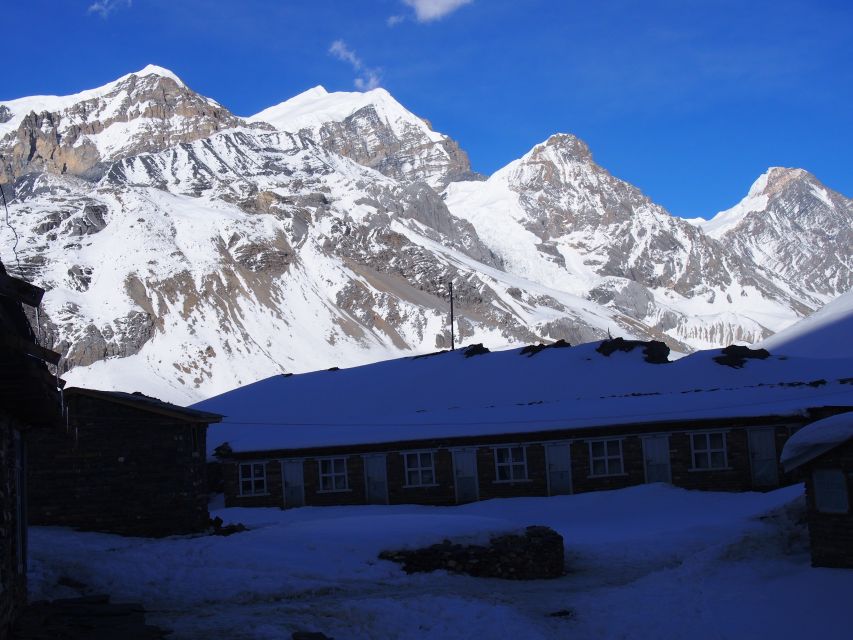
This trek leans on local basic tea houses with twin sharing (12 nights during the trek). Meals are included three times daily during trekking: breakfast, lunch, and dinner. The trip also notes that lodges often have continental-style kitchens, which is helpful if you don’t want every meal to be the same flavor puzzle.
What’s not included (plan around it)
Drinks are not included, and personal expenses aren’t included. That matters because after long hiking days, you’ll want something warm or refreshing. Budgeting for soft drinks and hot drinks is smart.
Gear that reduces packing stress
You can get a sleeping bag, down jacket, and duffel bag provided (if you need them), to be returned after the trip. That’s a big value point if you’re traveling light or don’t want to buy winter gear you’ll use once.
Also included: an ACT trek map and a first aid kit with normal supplies plus an oximeter. That’s practical comfort. On a high route, having a device to track oxygen levels matters more than people think.
Guides, permits, and transfers: why logistics feel manageable
This is set up as an English, Nepali, and Hindi supported experience with a licensed, experienced, friendly guide. The guide package includes food, accommodation, salary, equipment, and insurance, which usually means the organizer has done the work behind the scenes.
You also get all necessary permits for the Annapurna Circuit trek. That takes one big headache off your plate.
Transports included, but not all trekking
Your transport rhythm is a mix:
- pickup from Kathmandu international airport
- taxi to Kathmandu bus station and public buses for parts of the route
- taxi transportation from the trek ending point to Pokhara
- tourist bus from Pokhara back to Kathmandu
A nice detail: free luggage storage at the Adventure Bound store during the trek if you need it. That’s useful if you don’t want to lug everything everywhere before you start hiking.
Ask for the guide style you want
From past bookings, people strongly suggest trying to get specific guide names. If Rabin is available, you can request him. Ganesh is also praised for attention to detail, listening, patience, and strong mountain knowledge. You don’t need to overthink it, but requesting the guide whose style fits you is a legit way to improve your experience.
Price and value: what $970 buys (and what it doesn’t)
At $970 per person for 13 days, this is not a budget-only trek, but it’s also not priced like a private expedition. The value comes from what’s packaged in:
- guide who’s licensed and supported
- permits handled
- 12 nights basic tea house lodging plus 1 hotel night in Pokhara (breakfast included)
- 3 meals a day during trekking
- some key gear support (sleeping bag, down jacket, duffel if needed)
- first aid kit with an oximeter
Where you’ll need to plan extra:
- Nepal entry visa and international airfare
- hotel in Kathmandu
- city meals
- drinks
- optional porter if you want one (+$250 noted)
- personal expenses
- private transport
So the real question is: do you want your trek organized enough that you can focus on pacing, breathing, and enjoying the route? If yes, this price starts to look sensible.
Best season and altitude reality check
The trek notes spring and autumn as the best seasons. That’s consistent with when trails are usually easier to navigate and weather tends to be more stable.
Still, altitude is altitude. The itinerary includes an acclimatization day at Manang and then pushes to a high pass at 5,416m. That means you should prepare like the pass day will happen even if you feel fine the first week. The best approach is basic: good trekking habits, steady pace, and layers you can manage when the temperature drops.
Who this Annapurna Circuit trek suits best
This works well for:
- hikers who want a full circuit feel but don’t want to manage permits and logistics alone
- people who enjoy both culture and hiking, especially the Manang Tibetan Buddhist angle and the spiritual stop at Muktinath
- solo trekkers who like the comfort of a small group setup (up to 12) and a guide who can adapt to you
If you’re very sensitive to altitude or you want an ultra-luxury lodge style, you might find the tea house setup basic. On the flip side, if you want real mountain travel, this format is right in the pocket.
Should you book this 13-day Annapurna Circuit trek?
I’d lean toward yes if you want one organized trip that covers the key emotional beats: river valley hiking, Manang culture, a serious high pass day, Muktinath spirituality, and a finish at Poon Hill. The inclusions make it easier to stay focused on trekking and recovery, and the small group size helps keep things from feeling chaotic.
I’d pause if you’re not ready for cold, long hiking days, and the reality of a 5,416m crossing. Train for uphill effort, pack warm layers, and treat the acclimatization day at Manang as non-negotiable.
If your main goal is a classic Annapurna Circuit experience with competent support and clear highlights, this one fits the bill.
FAQ
What is the highest point on this Annapurna Circuit trek?
The highest point is Thorong La Pass at 5,416 meters.
What’s included in the trek meals and accommodation?
You get three meals per day (breakfast, lunch, dinner) during the trek, plus 12 nights of basic tea house accommodation on a twin-sharing basis. There is also 1 night hotel accommodation with breakfast in Pokhara.
Are permits included?
Yes. The trek includes all necessary permits for the Annapurna Circuit trek.
Does the price include a guide?
Yes. A government-licensed, experienced, and friendly guide is included, along with items like the guide’s accommodation, food, salary, equipment, and insurance.
Are porters included?
A porter is not included by default. If you want one, it’s listed as an extra $250.
What season is best for this trek?
The trek notes spring and autumn as the best seasons.