REVIEW · HANOI
3-Night Sapa Trek and Homestay with Round Trip Transfer from Hanoi
Book on Viator →Operated by Crossing Vietnam Tour · Bookable on Viator
Sapa starts on a train ride. This tour layers an overnight trip from Hanoi with real trekking in the Muong Hoa valley, plus village time that goes beyond quick photo stops. You also get guided cultural stops, like a women-run handicraft center, and a homestay that places you right in day-to-day hill-tribe life.
I especially like the logistics that reduce your stress: pickup to Hanoi Station, round-trip sleeper train tickets with air-condition, and included meals that keep the budget clean. I also like the focus on the people of the mountains, with visits to villages linked to the H’mong, Zay, and Red Zao communities.
One key consideration: the trek can be tough. The paths are narrow and uneven, with slippery rocky sections and stream crossings, so you should be in very good physical condition if you book.
In This Review
- Key things to know before you go
- Why This Sapa Plan Starts With an Overnight Train From Hanoi
- Meeting Point, Pickup, and Getting to Lao Cai
- Day 1: Y Linh Ho and Your First Night on the Rails
- Day 2 Trek Through the Muong Hoa Valley to Giang Ta Chai
- Village Visits: H’mong, Zay, and Red Zao Life Up Close
- The Ta Van Homestay With the Zay Hill Tribe
- Handicraft Center Stop: Learning Skills, Not Just Watching
- Price and Logistics: Is $218 Good Value?
- Pace, Fitness Level, and What to Bring
- Who This Tour Suits Best
- Should You Book This Sapa Trek and Homestay Tour?
- FAQ
- FAQ
- What is the price of the Sapa trek and homestay tour?
- How long is the tour?
- Do I get picked up from Hanoi?
- What train setup is included?
- Where is the homestay located and who is it with?
- Are meals included?
- What are the cancellation terms for a full refund?
- How many people are in the group?
Key things to know before you go
- Overnight sleeper train saves a full travel day and brings you to the Sapa region ready to move.
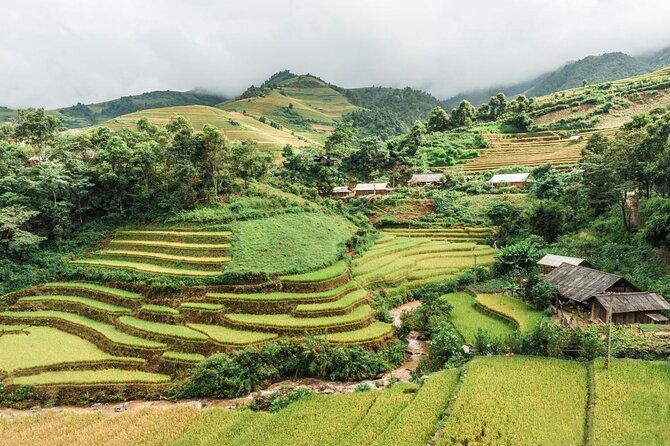
- Muong Hoa valley trekking includes terraced rice areas, bamboo forest sections, and mountain village trails.
- Village visits with multiple ethnic groups (H’mong, Zay, Red Zao) give you context, not just views.
- Ta Van homestay with the Zay hill tribe is a genuine cultural night, not a staged show.
- Women’s handicraft center stop connects skills and community—hands-on learning is the goal.
- Small-group feel with a max of 40 people keeps the experience manageable.
Why This Sapa Plan Starts With an Overnight Train From Hanoi

If you’ve ever tried to rush Hanoi to Sapa and felt like you spent half your vacation on buses, you’ll appreciate the trade here. Starting with an overnight train turns travel time into part of the journey. You leave Hanoi in the evening, sleep on the rails, and wake up closer to the mountains instead of losing daylight to road transfers.
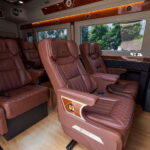
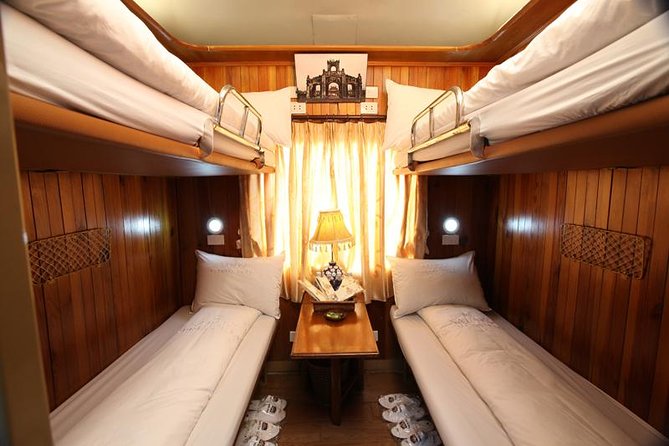
The sleeper setup is also a real plus for comfort. You’re on a 4 soft-sleeper shared cabin with air-condition, and that matters when the route is long and the weather can shift in the hills. It’s still a train—so bring patience for the gentle bumps and shared space—but it’s a smart way to do this route on a value-focused budget.
You can also read our reviews of more tours and experiences in Hanoi.
Meeting Point, Pickup, and Getting to Lao Cai

The day starts with a clear plan. You’re asked to be ready at your hotel lobby at 8:00 pm, where the guide and driver meet you for a transfer to Hanoi Station. From there, you take the overnight train to Lao Cai, which is the gateway area for Sapa trekking.
Two practical notes so you don’t waste energy:
- The tour end is a drop-off at Hanoi Railway train station. You’ll handle the last step back to your hotel on your own.
- Your start and end points include Hanoi locations in the Old Quarter area (for the pickup) and the station address (for the drop-off). Save those on your phone before you go.
The tour also uses a mobile ticket, which helps when you’re juggling train schedules and meeting times.
Day 1: Y Linh Ho and Your First Night on the Rails
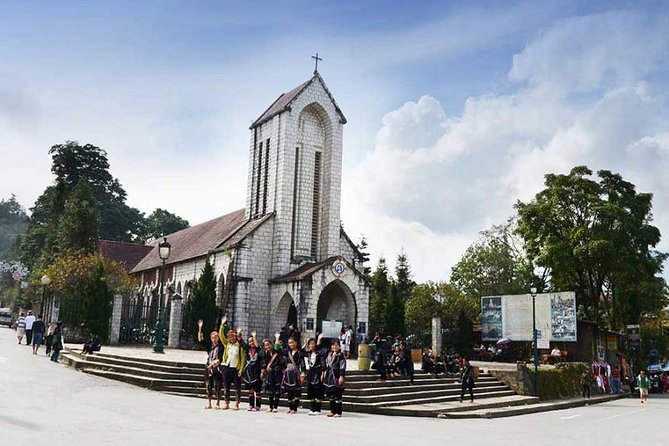
Day 1 is built around travel plus an early cultural stop. After pickup and the overnight train, the itinerary includes Y Linh Ho as your first named stop. You’re not just moving through the region—you’re starting to learn how the mountain communities are arranged and how trekking routes connect hamlets and farmland.
For the sleeper portion, the biggest thing is mindset. You’ll share a cabin in a 4-person setup, so you’ll want to keep your routine simple: pack essentials, use a layer you can sleep in, and don’t plan on perfect silence. But you also get air-condition, which is helpful if the temperature swings.
If you’re sensitive to motion while sleeping, you’ll likely do better with small comfort items: earplugs, a sleep mask, and a light jacket.
Day 2 Trek Through the Muong Hoa Valley to Giang Ta Chai
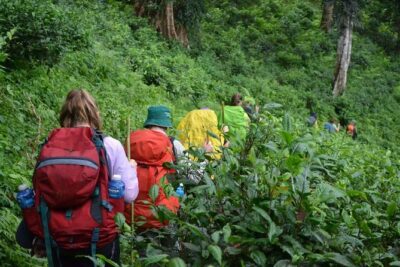
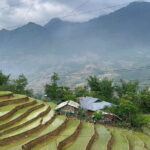
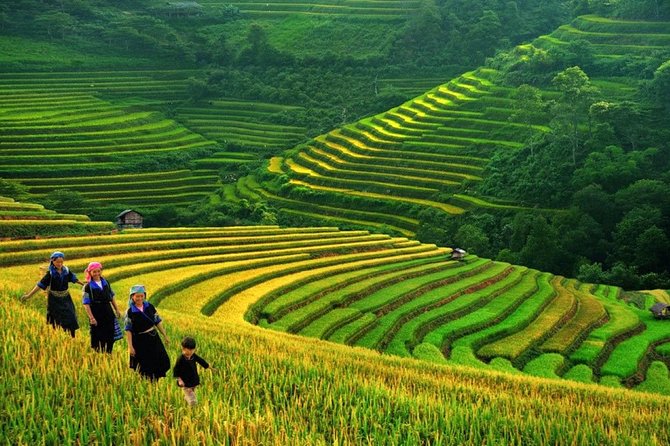
After breakfast, Day 2 starts with trekking—uphill, in a mountain setting, and at a pace that depends on the trail conditions. The itinerary highlights Giang Ta Chai Village and the route features terraced rice fields, small hamlets connected to H’mong communities, and at least part of a bamboo forest section.
This is where the tour earns its name. Sapa can turn into a look-and-leave circuit if you’re not careful. Here, the schedule is built around hiking through working farmland and village areas, so you can understand why people live in these valleys. The terraced rice steps are not just scenic. They’re part of the local system for growing food on steep slopes.
Plan for the trail to feel very different than a city walk. Expect uneven ground. Even if you’re comfortable hiking in normal parks, these mountain paths can be slick—especially if the weather has been wet.
Village Visits: H’mong, Zay, and Red Zao Life Up Close
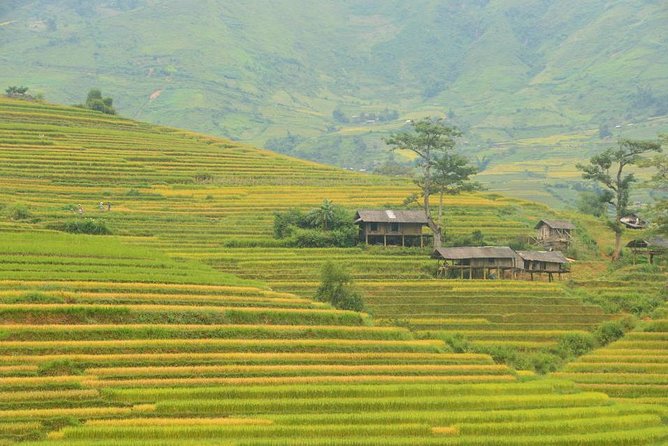
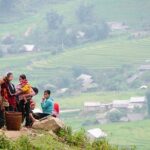
The tour is designed to help you connect names to places. Over the trek, you’ll move through mountain village areas associated with the H’mong, Zay, and Red Zao ethnic minority groups. You’re not limited to one viewpoint or one town center.
What I like about this approach is that it reduces the usual tourism shortcut. Instead of spending your time only in the most famous stop, you get a sense of how village clusters sit across the valley and how trails link them. You also learn about local handicraft and daily routines as you go, which gives your photos context.
One thing to keep in mind: village time can be short by design. You’re moving on a trekking itinerary, and the group needs to cover the trail. If you want long conversations, you’ll have more luck asking quick questions and being polite with time, not trying to schedule a full lecture with a homestay host.


The Ta Van Homestay With the Zay Hill Tribe
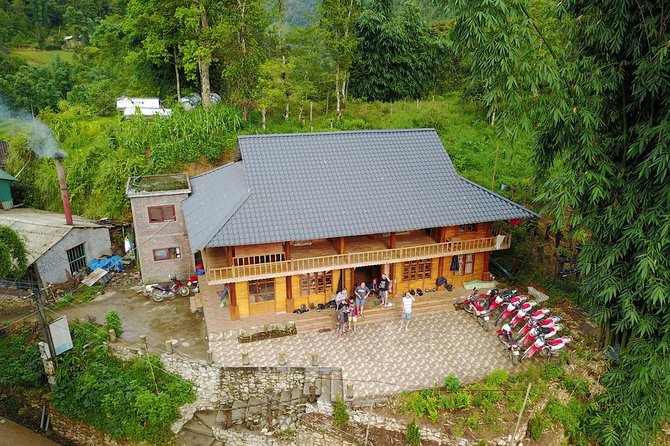
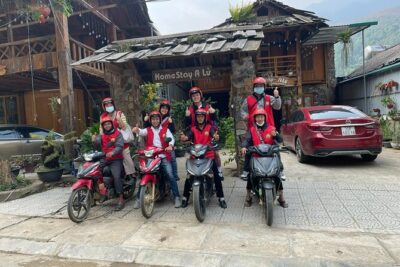
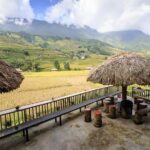
The tour includes one night of homestay in Ta Van Village, tied to the Zay hill tribe. This is the heart of the cultural part of the trip. Homestays can range from cozy to simple, and this one is presented as traditional hospitality during that overnight stay.
The big value here is routine. You’re not only watching a performance. You’re in the same rhythm as the family—meals, sleeping, and daily talk shaped by the household. Even if language is limited, you can still learn a lot from how people live and what they choose to share.
A practical tip: homestays in mountain areas often mean basic facilities. Pack travel basics you’d want anywhere but be ready for less convenience than a hotel. Bring layers, and don’t assume you’ll find the same temperature you’re used to in Hanoi.
Handicraft Center Stop: Learning Skills, Not Just Watching
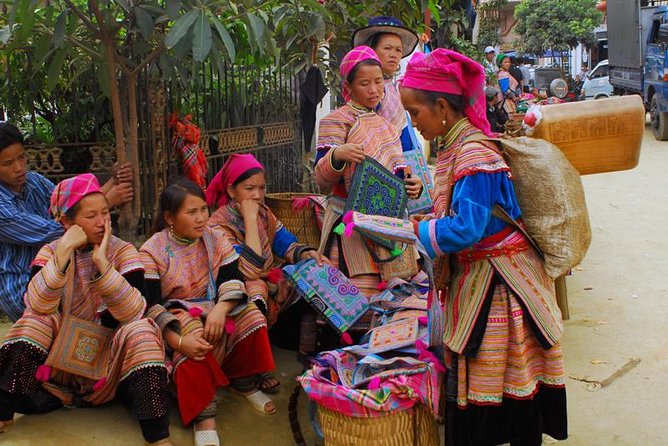
Another highlight is a visit to a local handicraft center where women gather to exchange skills. This stop matters because it shifts the story from tourism to craft. Instead of treating textiles or handmade goods as souvenirs, you see how learning and production fit into community life.
It also gives you a calmer moment between hikes. After hours on uneven ground, a craft session can feel like a breather. If you’re the kind of person who likes to understand what you’re buying, this is where you’ll get more meaning from it.
If you decide to purchase something, you’ll likely get the best value by asking about materials and use—what it’s made for, how it’s worn, and what makes it different.
Price and Logistics: Is $218 Good Value?
At $218 per person, this isn’t a budget-only deal, but it also isn’t an inflated “tourist Sapa tax.” The value comes from what’s included:
- Two round-trip train tickets on a shared 4 soft-sleeper cabin with air-condition
- Meals included: breakfast (2), lunch (2), dinner (2)
- All fees and taxes
- An experienced guide and the included trekking/homestay plan
- Pickup offered in Hanoi and a mobile ticket
For you, that adds up in two ways. First, train tickets and sleepers can be expensive when booked alone. Second, meals and transfers remove the constant micro-planning that drains a trip like this. You still have your personal spending and drinks, but the core costs are covered.
Also consider timing. The tour is commonly booked about 11 days in advance, so if you like a specific departure date, earlier booking gives you more options.
One more logistics reality: the itinerary can feel a bit fluid day to day. If your schedule is strict—like you must catch a flight at a specific time—build in slack when you plan your return to Hanoi.
Pace, Fitness Level, and What to Bring
Here’s the honest part. This is a trekking tour through the Hoang Lien Son mountains in the Muong Hoa valley, and the trail is described as narrow, slippery, and uneven. People report climbing up and down on rocky, muddy terrain and dealing with stream crossings that may involve jumping.
So I’d frame it like this: if you’re fit enough for steep hikes with wet rocks underfoot, you’ll likely handle it. If your fitness is average but you’re used to flat walking only, you may find it stressful.
To protect your trip (and your knees), focus on essentials:
- Sturdy trekking shoes with good grip
- Layers for temperature changes
- A rain jacket or poncho if the weather is wet
- Something to keep your hands steady on uneven sections (trekking poles can help, if you use them)
And mentally: go slow. On this kind of trail, speed is less important than rhythm.
Who This Tour Suits Best
This tour fits you best if you want a balanced mix of mountain hiking and real community contact. It’s a strong choice if you care about cultural context—ethnic minority villages, a Zay homestay in Ta Van, and a handicraft center stop where women share skills.
It’s also a good fit if you prefer to reduce travel hassle by using the overnight train instead of daytime transfers.
If you’re traveling with limited hiking experience, or you’re recovering from injury, I’d be cautious. The trekking terrain is not described as easy or moderate, and the slips and stream sections aren’t minor.
Should You Book This Sapa Trek and Homestay Tour?
Book it if you want:
- An overnight train to Sapa that keeps you from losing a day to transit
- Guided trekking through Muong Hoa valley village areas
- A homestay night in Ta Van Village tied to the Zay hill tribe
- Included meals and a fair-value package at $218
Skip or reconsider if:
- You’re not confident on slippery, uneven trails with steep ups and downs
- You need a very fixed schedule with no room for minor changes
- You’re not comfortable sharing a sleeper cabin on a shared 4-person setup
If you’re in decent to excellent shape and you want the trip to feel like it belongs to the mountains—not just a photo stop—this is a solid way to do Sapa.
FAQ
FAQ
What is the price of the Sapa trek and homestay tour?
The tour costs $218.00 per person.
How long is the tour?
It’s listed as 2 days approximately, but it includes 3 nights total due to the overnight train and the homestay night.
Do I get picked up from Hanoi?
Yes. You’re picked up at your hotel lobby at 8:00 pm and transferred to Hanoi Station for the overnight train.
What train setup is included?
The package includes 02 round-trip high-quality train tickets in a 4 soft-sleepers shared-cabin with air-condition.
Where is the homestay located and who is it with?
The homestay night is in Ta Van village, with the Zay hill tribe.
Are meals included?
Yes. Breakfast (2), lunch (2), and dinner (2) are included as indicated.
What are the cancellation terms for a full refund?
You can cancel up to 3 days in advance for a full refund. For a full refund, you must cancel at least 3 full days before the experience’s start time.
How many people are in the group?
The tour has a maximum of 40 travelers.