REVIEW · KATHMANDU
Everest Base Camp Trekking – 13 Days
Book on Viator →Operated by Nepal Adventure Team · Bookable on Viator
Everest Base Camp starts with a tiny airport in the clouds. This 13-day trek follows the classic Everest corridor through Sagarmatha National Park, with lodge-to-lodge hiking, acclimatization days, and big skyline moments built into the schedule. You’ll also get plenty of time in traditional Sherpa villages where prayer flags, monasteries, and mountain views do most of the talking.
What I like most is the human support: you trek with a fully licensed guide plus an assistant sherpa, and there’s a porter service (listed as 1 porter for 2 trekkers). I also like that Nepal Adventure Team has a reputation for organizing things tightly, with guides such as Jeeban and support from team members like Sizon being mentioned for being friendly and on top of details.
One thing to keep in mind: the itinerary depends on flights to and from Lukla, and weather can cause delays or cancellations. Their own guidance says to plan a day or two extra if that happens, and they may amend the route for safety or health reasons.
In This Review
- Key highlights worth your attention
- The big idea: a classic Everest Base Camp trek with built-in pacing
- Price and logistics: what $1,697.37 covers (and what it doesn’t)
- Your route from Lukla to Kala Patthar: what each day really feels like
- Day 1: Lukla to Phakding (easy start with river crossings and monasteries)
- Day 2: Phakding to Namche Bazaar (gateway day with bigger bridges)
- Day 3: Namche to Khumjung (acclimatization plus Everest-view stops)
- Day 4: Khumjung to Tengboche (monastery day with wildlife sightings)
- Day 5: Tengboche to Pangboche / Dingboche overnight (more monastery culture, then resting up)
- Day 6: Dingboche acclimatization and the Nakarjun Peak hike
- Day 7: Dingboche to Lobuche (longer hike day as altitude rises)
- Day 8: Lobuche to Gorakshep, then Everest Base Camp visit
- Day 9: Kala Patthar early climb for sunrise-style views, then back to Pheriche
- Day 10: Pheriche to Namche Bazaar (retrace with relief, not boredom)
- Day 11: Namche back to Lukla
- Day 12: Lukla to Kathmandu
- Day 13: final departure
- Who this trek suits best (and who should think twice)
- What you’ll learn to enjoy: mountains plus village life
- Gear and habits that will make the trek easier (without pretending it’s simple)
- Should you book this Everest Base Camp trek?
- FAQ
- How long is the Everest Base Camp trek on this itinerary?
- What meals are included during the trek?
- Are trekking permits or cards included?
- Will I need to bring my own sleeping bag or jacket?
- Is travel or rescue insurance included?
- What should I plan for with Lukla flights?
Key highlights worth your attention
- Lukla arrival as day one momentum: start the trek right after flying in, then settle quickly in Phakding.
- Two acclimatization days that actually matter: Khumjung and Dingboche are built into the climb rhythm.
- Iconic viewpoints on the route: Tengboche monastery and the Everest view area at/near Khumjung.
- Everest Base Camp paired with a sunrise-style objective: lunch at Gorakshep, then Kala Patthar early next day.
- Small-ish group size: capped at 26 travelers, which usually makes logistics less chaotic.
The big idea: a classic Everest Base Camp trek with built-in pacing
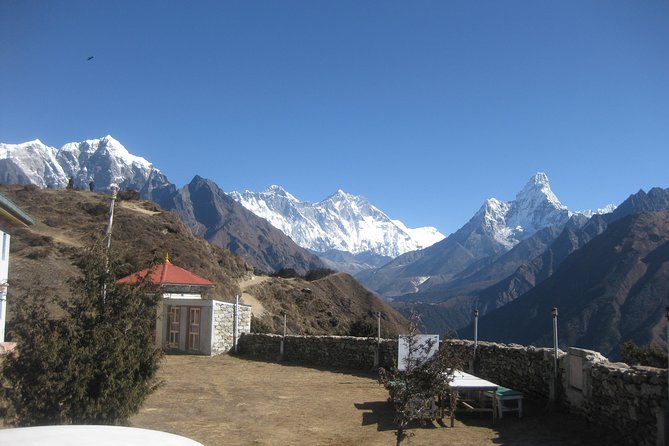
If you’re chasing Everest Base Camp, you want a route that’s more than just “walk until you can’t.” This trek is built around a sensible pattern: move upward, then pause for acclimatization, then push again. The goal is to help your body adjust while keeping the views and culture coming every day.
You’ll spend your days in lodge life—simple rooms, hot meals, and the same rhythm of packing, hiking, and recovering. That matters, because on Everest routes the best plan is the one you can stick to when your breathing changes and your legs start to feel slow.
You can also read our reviews of more tours and experiences in Kathmandu.
Price and logistics: what $1,697.37 covers (and what it doesn’t)
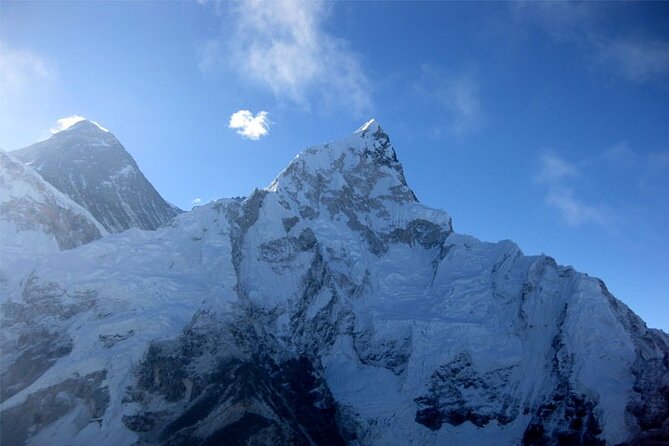
At $1,697.37 per person, this is priced as a structured, guided Everest Base Camp trek with real staffing behind the scenes. The value isn’t just the itinerary. It’s the included support: a qualified leader, assistant sherpa, and porter service sized at 1 porter for 2 trekkers, plus staff expenses like flights, salary, equipment, and insurance.
Meals are also included for most of the trekking days: breakfast (12), lunch (11), dinner (12). That’s a big deal on the EBC route, where buying extra food and drinks can add up fast and where you don’t want to spend your energy searching for options.
Included extras that help you travel lighter: a TIMS card, trekking route maps, and a First Aid Medical Kit with government and local taxes handled. You may also be offered optional gear like a sleeping bag or down jacket (not free-floating forever—listed as to be returned after).
What you’ll need to budget separately:
- Travel and rescue insurance (not included)
- Tips for your guide and porters (not included)
- Extra drinks (alcoholic and non-alcoholic)
And the one logistics wildcard you can’t ignore: Lukla flights. Their guidance strongly suggests planning some buffer time, because that flight is famous for weather delays.
Your route from Lukla to Kala Patthar: what each day really feels like
The trek is scheduled as a tight loop: fly into Lukla, climb through Namche and Tengboche, hit Base Camp via Gorakshep, then do the big view push to Kala Patthar before returning.
Day 1: Lukla to Phakding (easy start with river crossings and monasteries)
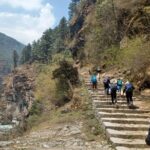
You fly to Lukla, then trek about 4 hours to Phakding. This first day is intentionally manageable: you walk along the Dudhkoshi river, cross suspension bridges, and pass through villages and monasteries.
This is the day to focus on rhythm: steady steps, short breaks, and getting used to the feeling of wind and altitude changes even before you reach Namche. It’s also where you’ll notice how often trails are shaped by bridges and river paths.
Day 2: Phakding to Namche Bazaar (gateway day with bigger bridges)
Day two climbs toward Namche Bazaar (about 5 hours). Expect a mix of river walking and pine forest, plus multiple suspension bridges. The schedule specifically calls out the Tengjing Hillary bridge, which is exactly the kind of landmark you’ll remember later when you’re tired.
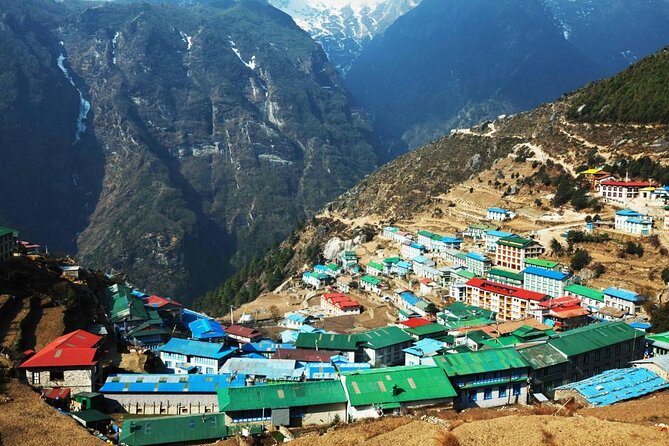
Namche is where Everest trek life fully shows up: busier lodges, more shops, and that feeling of being in the middle of a mountain mission. I like building this stop into the second day because it sets the stage without rushing you too hard on the first day.
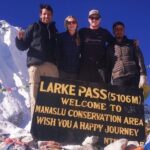
Day 3: Namche to Khumjung (acclimatization plus Everest-view stops)
Day three is your acclimatization day, roughly 4 hours. You’ll hike up to Khumjung Village and visit the national park headquarters area, including an Everest viewpoint stop.
This day is the classic “gain altitude, avoid panic” routine. You’re still walking uphill, but you’re not stacking another big climb objective. I consider this a key part of the trek’s success because it gives you time to notice how your body reacts to higher elevations.
Day 4: Khumjung to Tengboche (monastery day with wildlife sightings)
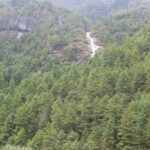
You walk through pine forest to Tengboche Gompa in about 5 hours. The route highlights Himalayan Thar and musk deer in the area, plus Tengboche as the big monastery stop.
For me, this is where the trek becomes emotionally real. The monastery setting usually brings a different pace—less rushing for a “checklist” photo and more time looking at how people live with the mountains right overhead.
Day 5: Tengboche to Pangboche / Dingboche overnight (more monastery culture, then resting up)
Day five continues at about 4 hours, crossing a river and visiting Pangboche Monastery, then overnighting near Dingboche (as listed: hotel in Dingboche).
This is a day that can feel slightly “in between.” You’re still climbing, but the payoff isn’t only about one landmark. It’s also about getting yourself to the Dingboche area so tomorrow can be an acclimatization day that’s actually useful.
Day 6: Dingboche acclimatization and the Nakarjun Peak hike
Day six is another pause day, about 4 hours, with a hike up toward Nakarjun Peak. Acclimatization works best when you keep moving gently but you’re not taking on the biggest technical pressure yet.
I like that the plan gives you a defined objective. It keeps you from guessing and it helps you follow a routine that tends to be safer on altitude.
Day 7: Dingboche to Lobuche (longer hike day as altitude rises)
Trek time here is listed as about 5 hours to Lobuche, crossing Thukla village. Lobuche is an important staging area for the final push toward Gorakshep and Base Camp.
This is where you start to feel the difference between “I can hike” and “I can hike while being slow and careful.” Take it steady, drink enough water, and let your group set the pace rather than forcing a sprint.
Day 8: Lobuche to Gorakshep, then Everest Base Camp visit
Day eight is a major milestone day. You trek to Gorakshep, have lunch, then visit Everest Base Camp. The schedule lists 7 minutes for the Base Camp visit section, so plan for a shorter on-site window and focus on enjoying what you came for.
This is usually the day people remember most clearly: the way the terrain changes, the sense of scale, and the final feeling that you’re really there—at the end of long effort. Even with a brief visit, it’s worth taking your time with the moment.
Day 9: Kala Patthar early climb for sunrise-style views, then back to Pheriche
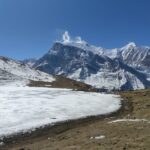
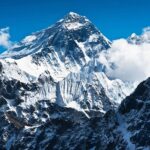
Day nine begins with an early climb to Kala Patthar (listed at 6 hours), then a return trek to Pheriche. This day is one of the most important for views on the whole route, because Kala Patthar gives you a classic perspective on Everest and the surrounding ridgelines.
This is also a “cold, slow, worth it” day. If you’re prone to rushing, fight that habit. Moving smoothly saves energy and keeps you steadier in the cold.
Day 10: Pheriche to Namche Bazaar (retrace with relief, not boredom)
You trek back to Namche Bazaar in about 6 hours. The good news: you’re moving downhill enough to feel more comfortable than earlier days. The challenge: descending still takes a toll on your knees.
I suggest treating this as active recovery. Walk with control, take brief stops, and keep your hydration up so you don’t get sloppy.
Day 11: Namche back to Lukla
Day eleven is another return segment, listed at 6 hours to Lukla. This day often feels like a mental finish line, but don’t let celebration make you careless on the trail.
Once you’re back near Lukla, it helps your mindset to have that “we’re almost through the altitude corridor” feeling. Still, you’ll want to rest and pack well.
Day 12: Lukla to Kathmandu
On day twelve you fly back to Kathmandu, listed as 35 minutes, then transfer back to the meeting point area. After days of thin air, Kathmandu can feel noisy and chaotic—in a good way.
This day is about resetting: shower, proper meal, laundry if you can, and letting your legs stop negotiating with every step.
Day 13: final departure
Day thirteen is the final departure day, ending back at the meeting point.
Who this trek suits best (and who should think twice)
This tour is built for people with moderate physical fitness. That usually means you can hike for several hours a day, you’re okay with slow going in altitude, and you’re willing to follow guide instructions rather than freelancing.
It’s also a strong match if you prefer a classic, guided structure. A lot of value here comes from removing uncertainty—what to do each day, when to acclimatize, and how to manage the flow from village to village.
It might be less ideal if you want a fully self-guided experience. The trek includes safety flexibility where the leader can amend or cancel parts of the itinerary due to safety concerns, and the Lukla flight timing can tug your schedule.
What you’ll learn to enjoy: mountains plus village life
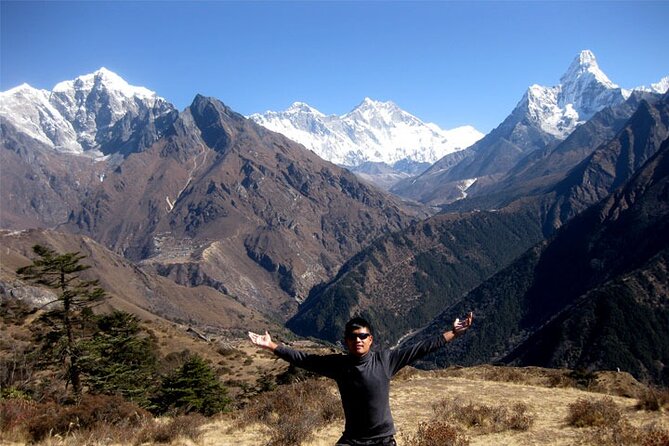
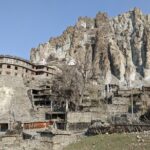
On Everest treks, you’ll get the obvious skyline payoff. But for me, the real charm is how many stops are tied to daily life—monasteries, viewpoints, and small communities that have learned to live at elevation year after year.
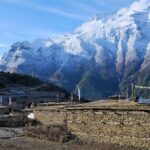
The route also mixes forest hiking with higher, more exposed terrain. Early pine-forest days and later stark ridgeline days teach you to expect temperature swings, wind, and changing trail textures. It’s not just scenery; it’s how you learn to move in the Himalaya.
And there’s the human side. The positive feedback around the Nepal Adventure Team’s organization—especially comments praising guide Jeeban and team support from Sizon—lines up with what you want when things get tricky at altitude. You don’t want “inspiration.” You want someone who keeps logistics tight and keeps the group calm.
Gear and habits that will make the trek easier (without pretending it’s simple)
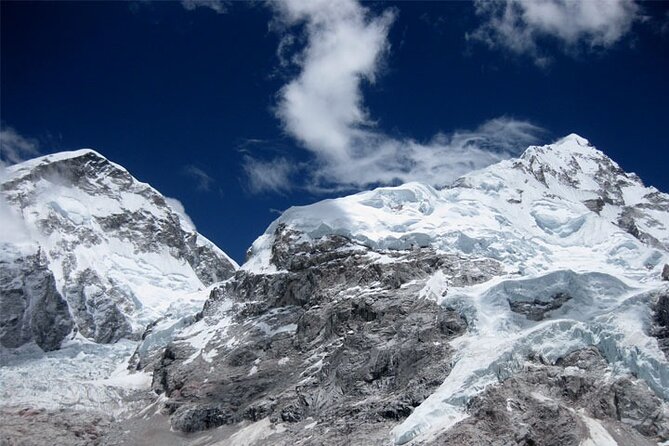
This itinerary includes maps, a TIMS card, and first-aid basics. It also lists optional gear like sleeping bag and down jacket if needed. Still, bring what you can comfortably use in cold mornings and during longer cold days like Kala Patthar.
Your habits matter more than your gear once you’re above Namche. Pace yourself on every uphill segment, and don’t treat altitude like a challenge you can out-muscle. If you feel off, you want the guide to know early, since the schedule allows for changes when safety or health requires it.
Finally, pack for “lodge reality.” You’ll want to stay comfortable enough to sleep well, because sleep quality is a huge part of how you’ll handle acclimatization days like Khumjung and Dingboche.
Should you book this Everest Base Camp trek?
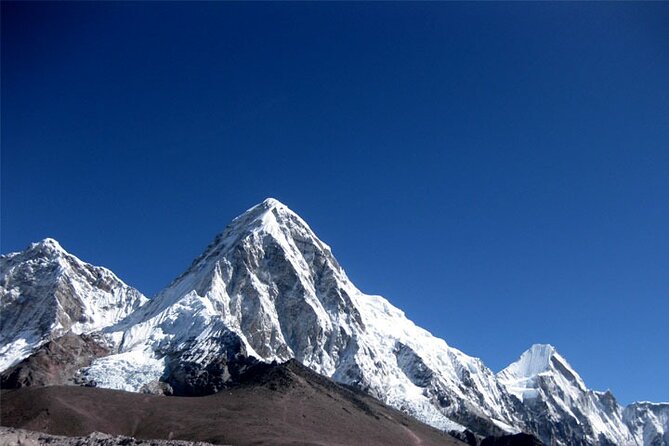
If you want a classic 13-day Everest Base Camp plan with licensed guiding, real staffing, included meals, and acclimatization built into the schedule, this is a solid option. The price makes sense when you factor in guide + assistant sherpa + porter support and the fact that staff travel and insurance are handled.
I’d book it if:
- you like guided structure and want fewer logistics worries,
- you’re okay with possible itinerary changes for safety,
- you can handle several hours of hiking daily at high altitude,
- you’re willing to plan extra time if the Lukla flight gets delayed.
I’d think twice if:
- you hate schedule uncertainty (Lukla flight weather risk is real),
- you’re expecting a fully independent style trek,
- you don’t want to budget for insurance and tips.
If you want Everest Base Camp in a guided, value-minded package, this is the kind of itinerary I’d put near the top of your list.
FAQ
How long is the Everest Base Camp trek on this itinerary?
The trek runs for about 13 days, starting in Kathmandu with the meeting point and ending back at the meeting point in Kathmandu after the Lukla flight.
What meals are included during the trek?
Meals included are breakfast (12), lunch (11), and dinner (12).
Are trekking permits or cards included?
Yes. The package includes a TIMS card and trekking route maps, along with government and local taxes.
Will I need to bring my own sleeping bag or jacket?
The tour lists optional gear supplies like a sleeping bag and down jacket if needed, and these are to be returned after the trek.
Is travel or rescue insurance included?
No. Travel and rescue insurance is not included.
What should I plan for with Lukla flights?
Flight delays or cancellations can happen due to weather. The tour guidance recommends planning a day or two extra in case your Lukla flight is delayed or canceled.