REVIEW · KATHMANDU
8 Days Tour in Langtang Valley Trek
Book on Viator →Operated by Magical Nepal · Bookable on Viator
Langtang Valley is an easy trek to plan yet it hits hard with big mountain views. This 8-day route from Kathmandu mixes Langtang National Park scenery, Tamang village life, and the standout climb up toward Tserko Ri.
Two things I really like here: the clear, satisfying rhythm of the days (walk, rest, eat well in teahouses), and the way the trail keeps widening into sky-high viewpoints around Kyanjin Gompa. Guides such as KP, Jay, Pemba, Mitra, Sajan, and Dil Man Tamang show up often in real-world experiences, and that matters because a good guide keeps the whole trek feeling smooth.
One consideration: you need strong fitness for the higher days and a willingness to deal with changing weather. The trek also depends on good conditions, and if the skies don’t cooperate you may need to shift dates.
In This Review
- Langtang Valley Trek highlights in plain terms
- Langtang Valley: the short Himalayan trek with long views
- The day-by-day rhythm: from Kathmandu roads to Kyanjin Gompa skies
- What the $698 price really covers (and why it matters)
- Teahouses, meals, and pace: comfortable enough to keep going
- Guides make the difference: names that keep showing up
- Cultural moments in Langtang Valley: Tamang life on the trail
- Weather and altitude: how to plan so you’re not guessing
- Who should book this 8-day Langtang trek?
- Should you book with Magical Nepal for Langtang Valley?
- FAQ
- How long is the Langtang Valley Trek?
- Where does the experience start and end?
- Is pickup offered in Kathmandu?
- How many people are in the group?
- What is the highest point on this trek?
- Are Langtang National Park permits included?
- What accommodation and meals are included?
- Is transport between Kathmandu and the trekking area included?
- Do I need to be fit, and what about weather?
- What is free cancellation like if plans change?
Langtang Valley Trek highlights in plain terms
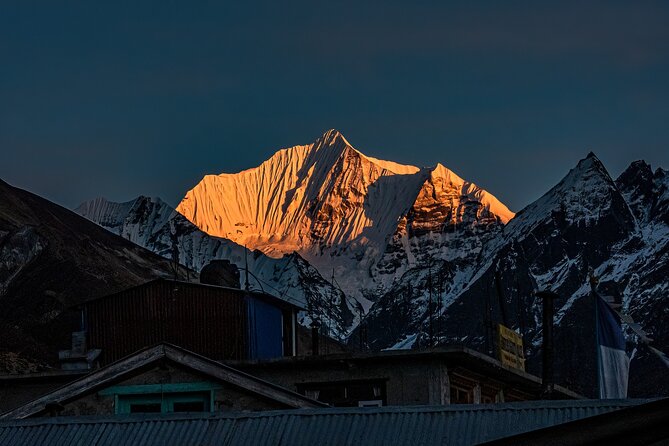
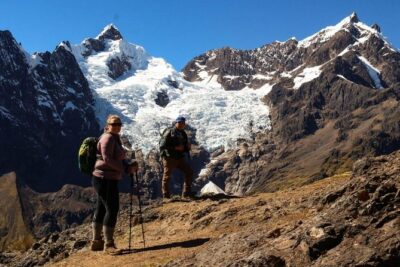
- Tserko Ri viewpoint day at 4,985m: a tough hike that rewards you with the wide Langtang range views
- Kyanjin Gompa base at 3,870m: monastery settlement views plus a quieter mountain feel
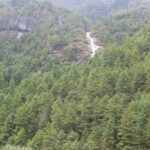
- Forest-to-bamboo walking: early days feel like a nature corridor before you hit higher terrain
- Tamang culture on the trail: small villages give you real moments of daily life, not just photos
- Small group size (max 8): more personal guiding and less crowding on the path
Langtang Valley: the short Himalayan trek with long views
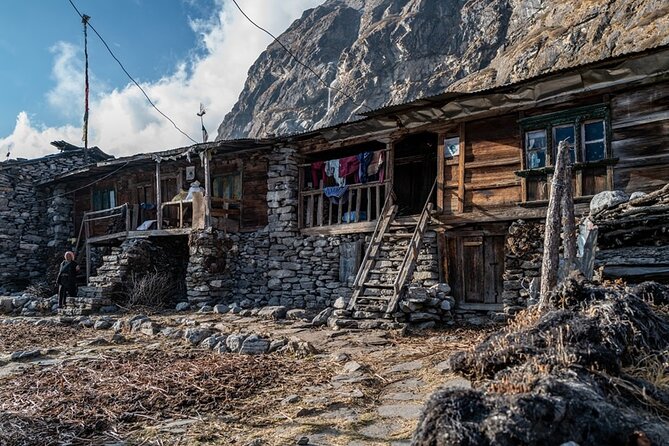
If you want a Himalayan trek that doesn’t feel like a full-month project, Langtang Valley is one of Nepal’s best answers. It’s close enough to Kathmandu that the whole trip still feels focused, while the landscape keeps changing—from riverside walking to bamboo and forest sections, then upward toward the views people come for.
The route also has a human side. Langtang Valley is home to the Tamang people, and the trail passes through small settlements where you can see how life works at altitude. You don’t need a cultural studies degree to enjoy it. You just need to walk slowly enough to notice.
For many people, the biggest emotional payoff is the contrast: quiet villages and trail sounds at lower points, then sharper air and wide panoramas near the top days around Kyanjin Gompa and Tserko Ri.
You can also read our reviews of more tours and experiences in Kathmandu.
The day-by-day rhythm: from Kathmandu roads to Kyanjin Gompa skies
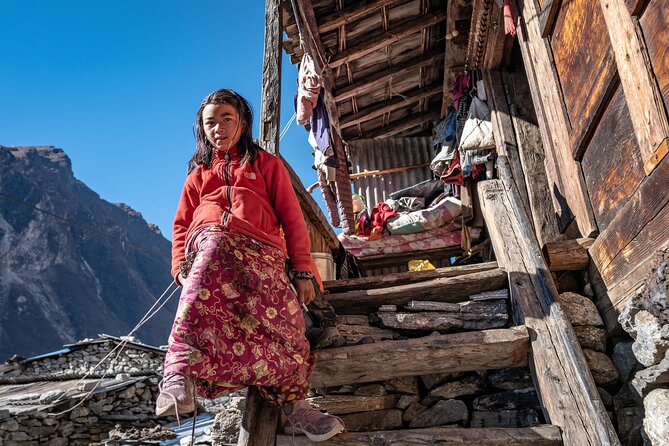
Your trek starts with Kathmandu logistics that are built to get you moving fast. Your guide meets you at your hotel, and you head to the bus area at Machaphure Chowk to catch the local bus out toward the trekking starting point in the Syabrubesi area. It’s a long ride (about 8–9 hours), so I treat day one like a “positioning day,” not a hiking day.
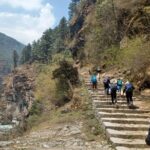
Once you’re dropped off, the trek proper begins inside Langtang National Park. Expect a long walking day through forested sections, villages, and pasture-like areas, with plenty of river scenery and mountain glimpses. You’ll also experience how the trek supports itself: porters handle the bags so you can focus on your steps, then you settle into your first teahouse night.
As the days move on, the trail narrows into a classic valley feel. You hike along a route that threads through small villages and forest paths, with periodic openings where the mountains show themselves. One of the practical joys of Langtang is that you don’t just get one view; you get repeated peeks as the valley folds and rises.
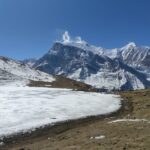
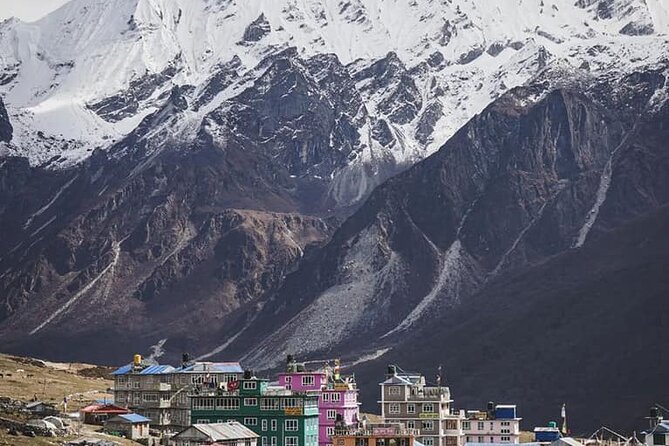
Then comes Kyanjin Gompa. At 3,870m, this small monastery settlement feels like both a religious stop and a trekking landmark. You’re higher, the air feels thinner, and the views sharpen. If you’re the type who likes to stand still and look around, this is where you’ll do it.
The most demanding day is the out-and-back to Tserko Ri at 4,985m and back to Kyanjin Gompa. It’s listed as a challenging day hike around 8–9 hours. In real-world trekking terms, that usually means a steady grind, not a sprint. You’ll want a pace that you can sustain when the altitude starts to slow your breathing.
After the high day, you descend back down toward lower villages like Lama Hotel and then toward Syabrubesi. The downhills can feel surprisingly tiring in a different way—your legs work overtime. Finally, you return by local bus to Kathmandu for your last morning and a clean finish back at the meeting point.
What the $698 price really covers (and why it matters)
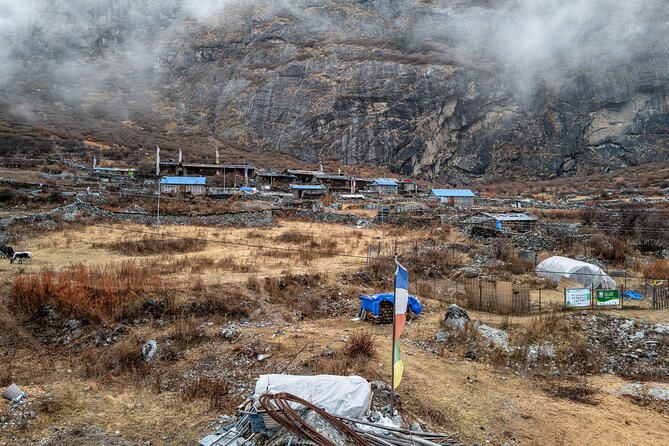
At $698 per person for about 8 days, this trek isn’t a bargain-style budget hike. But it also isn’t priced like a luxury mountaineering expedition. The value here comes from what’s included and what it saves you from having to manage yourself.
You get 7 nights in mountain teahouses plus meals on the trail (set breakfasts and lunches, with dinners included for your trek nights). You’re also covered for key essentials: a guide for the 8 days, the Langtang National Park permit, and staff insurance for support personnel. Ground transport for support staff is included too.
You’re not stuck guessing logistics for the long Kathmandu-to-Syabrubesi ride. The itinerary includes local bus transport between Kathmandu and Syabrubesi, and your guide coordinates the moving parts.
What’s not included is also clear. You’ll pay for lunches and dinners in Kathmandu, and you’ll cover personal expenses plus your own travel insurance. In my view, travel insurance is the one thing you shouldn’t skip, even if a trek company offers staff coverage for the team.
So the best way to judge the price is simple: you’re paying for a guided, permit-supported, meal-and-lodging-covered trek that runs in a small group (max 8). If you’d otherwise spend time piecing together permits, a guide, and teahouse planning yourself, the cost starts looking more like peace of mind than just a number.
Teahouses, meals, and pace: comfortable enough to keep going
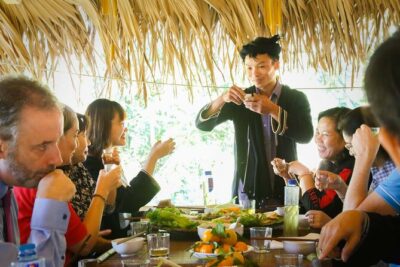
This is a teahouse trekking route. That means you’ll sleep in basic but cozy guest rooms, with shared dining spaces and simple mountain menus. The good news is that you get set breakfasts, set lunches, and set dinners while on trek, which takes decision fatigue off your plate.
The pace is built around the idea that you’ll have time to enjoy stops, not just race through. That shows up in how the walk lengths are spread across the week and how days like the Kyanjin Gompa segment give you time to settle at altitude.
A small-group trek also changes how the days feel. You’re less likely to feel like you’re stuck in a slow-moving crowd. And if your guide is the proactive type—like KP or Sajan, who are repeatedly praised for encouragement and keeping spirits up—you get a better chance of moving consistently without burning out.
Still, you should be realistic about effort. The Tserko Ri day is long and high. Even with a good guide, it’s not a casual hike.
Guides make the difference: names that keep showing up
On this trek, the guide isn’t a decoration. He’s the person managing timing, pacing, and the small problems before they become big ones—weather changes, altitude rhythm, and where you’ll pause for the right view.
Several guide names show up in real trip experiences tied to this route. KP is praised for care and comfort. Jay is noted for making the trek feel memorable and tailoring the hike to the group. Pemba and Kailas are mentioned for a strong cultural exchange feel. Mitra gets credit for sharing insight about villages and scenery. Sajan is highlighted for humor and encouragement on the tougher ascent.
Your guide may be one of these, or someone else from the same team. Either way, the key point is that this trek’s success depends on having a guide who knows how to keep a day enjoyable while still respecting altitude and fatigue.
Cultural moments in Langtang Valley: Tamang life on the trail
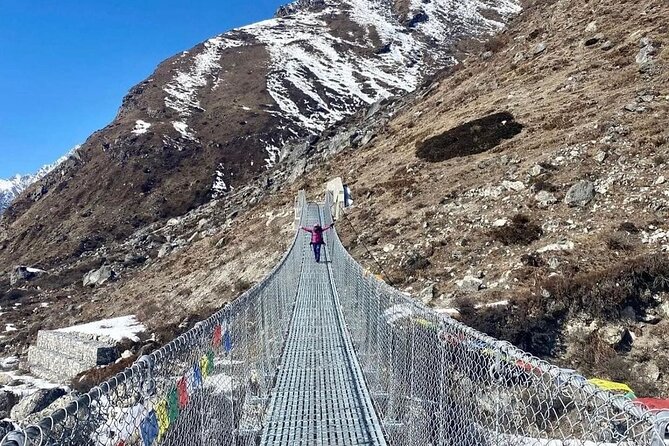
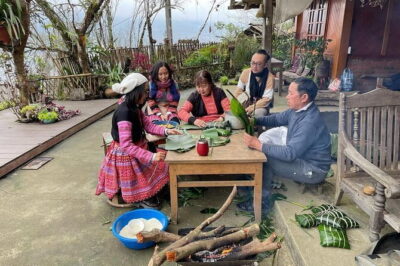
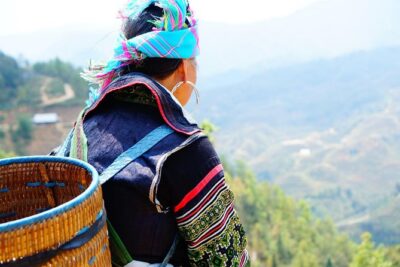
The Langtang Valley trek is not only about the peaks. It also runs through areas shaped by Tamang communities. That’s where you can see everyday patterns—how people interact, how villages are arranged, and how mountain life works when winters are serious and resources are local.
The trail also tends to create natural conversation. When you pass homes, farms, prayer flags, and small roadside stops, you’re not asking people to perform for you. You’re just walking through their world, and that changes the vibe from scenic to meaningful.
If you like cultural travel, this is a good match because the trek schedule leaves room for noticing. You’re not forced into a museum-style stop. You experience the culture in small moments: the route itself, the village rhythm, and the way the valley holds both nature and community.
Weather and altitude: how to plan so you’re not guessing
Langtang Valley can be wonderfully clear, but it’s still the Himalaya. This trek requires good weather, and if it’s canceled due to poor conditions you’ll be offered a different date or a full refund. That matters because views and trail safety depend on visibility and footing.
Altitude is the other reality. You’ll reach Kyanjin Gompa at 3,870m, and Tserko Ri at 4,985m is the high point. That’s high enough that breathing rate and energy can change fast, especially if you start the day too fast.
One practical tip: plan to move slowly on ascents even if you feel good at the beginning. Many people feel fine for the first hour, then altitude catches up. A guide who paces with the group helps a lot here.
What to pack isn’t spelled out in the tour details you provided, so I’ll keep it general: bring warm layers, rain protection, and good trekking shoes. Also bring the kind of snacks you can tolerate when you’re tired, not just your favorite treats.
Who should book this 8-day Langtang trek?
You’ll enjoy this if you:
- Want a classic Himalayan trek from Kathmandu that’s short enough to manage in about a week
- Like teahouse trekking and don’t mind simple meals and basic rooms
- Want a mix of mountain views and Tamang village scenery
- Prefer a small group (max 8) with an experienced guide
You might choose something else if you:
- Don’t feel confident with long walking days, especially the high, long Tserko Ri hike
- Hate weather uncertainty. This trek depends on good conditions, and you may need flexibility.
This is a strong fit for couples and solo trekkers who want a guided experience. It can also work for returning travelers who want a different feel from bigger circuits.
Should you book with Magical Nepal for Langtang Valley?
I’d book this tour if you want a guided, permit-covered Langtang Valley trek with teahouse comfort and a realistic pace. The guide component is the difference-maker, and the recurring praise for guides like KP, Jay, Pemba, Mitra, Sajan, and Dil Man Tamang signals that the company puts real effort into how the trek is run.
Also, this is a sensible value structure: meals on trek, teahouse nights, a national park permit, and local transport handled for you. That’s the kind of package that lets you focus on the walk and the views instead of doing paperwork and logistics math.
My only pushback is the obvious one: be honest about fitness. The trek asks for strong physical condition, and the Tserko Ri day is the hardest part for a reason. If you can handle that, you’ll likely find Langtang’s mix of forest walking, monastery vibes, and wide mountain scenery extremely rewarding.
FAQ
How long is the Langtang Valley Trek?
It’s an 8-day tour, running for approximately 8 days.
Where does the experience start and end?
It starts at Tribhuvan Airport in Kathmandu, Nepal, and it ends back at the same meeting point.
Is pickup offered in Kathmandu?
Yes. Your guide will come to your hotel to pick you up and then you’ll head to the bus meeting area.
How many people are in the group?
The tour has a maximum of 8 travelers.
What is the highest point on this trek?
Tserko Ri is the high point, at 4,985 meters.
Are Langtang National Park permits included?
Yes. A Langtang National Park permit is included.
What accommodation and meals are included?
You get 7 nights of mountain teahouse accommodation. Meals on the trek are included, with set breakfasts, lunches, and dinners.
Is transport between Kathmandu and the trekking area included?
Yes. The tour includes local bus transport between Kathmandu and Syabrubesi, and it returns to Kathmandu at the end.
Do I need to be fit, and what about weather?
You should have strong physical fitness. The experience requires good weather, and it can be canceled if conditions are poor.
What is free cancellation like if plans change?
Free cancellation is available up to 24 hours in advance for a full refund. If the trek is canceled due to poor weather, you’ll be offered a different date or a full refund.