REVIEW · KATHMANDU
Everest Base Camp Trekking
Book on Viator →Operated by Above the Himalaya Trekking · Bookable on Viator
Trekking toward Everest starts to feel real fast, even before the first mountain view. What makes this trip different is how much is handled for you: Lukla flights, permits, teahouse stays, and a trained team so you can focus on walking and breathing. I like that it’s set up as a private trek, with pacing that can bend to how you actually feel on the trail.
Two stand-out wins for me are the fact that Sagarmatha National Park fees and TIMS are included, and that meals plus teahouse accommodation are built into the daily rhythm. One thing to keep in mind: this is a hike at altitude, and the itinerary still assumes you have real trekking stamina, not just curiosity.
In This Review
- Key highlights I think matter most
- Price and logistics: what you are really paying for
- The Kathmandu start: moving fast, staying organized
- Route overview: how this trek builds altitude without wasting days
- Day-by-day: Phakding to Gorak Shep, then Kalapatthar to Lukla
- Day 1: Kathmandu to Lukla, then Phakding (first mountain day)
- Day 2: Phakding to Namche Bazaar (the classic doorway)
- Day 3: Namche Bazaar acclimatization day (your breathing buffer)
- Day 4: Namche area to Deboche, with Tengboche Gompa in view
- Day 5: Deboche to Dingboche (higher high country feel)
- Day 6: Dingboche toward the Lobuche area (transitional grind)
- Day 7: Toward Gorakshep, then Everest Base Camp and back
- Day 8: Gorakshep to Kalapatthar for Everest views, then down to Pheriche
- Day 9: Pheriche to Tengboche (re-entering lower terrain)
- Day 10: Tengboche to Monjo (return route, familiar energy)
- Day 11: Monjo back to Lukla (the finish walk)
- Day 12: Lukla to Kathmandu (fly out)
- Teahouses and meals: comfort that is real, not fancy
- The guide and porter setup: pacing, safety, and real-world help
- Gear that keeps you in the game (and under 15 kg)
- What I’d watch for on Everest Base Camp days
- Should you book this Everest Base Camp trek?
- FAQ
- What is included in the Everest Base Camp trek price?
- Are flights included?
- Do I need travel insurance?
- What is not included in the trip price?
- Is there an acclimatization stop?
- What kind of guide and porter support will I get?
- Where do we meet in Kathmandu and what time does the trek start?
Key highlights I think matter most
- Permits handled up front: National Park fees and TIMS are included so you do not have to chase paperwork
- Teahouse lodging + daily meals: you spend less time figuring out logistics and more time on the trail
- Private pacing with a guide: you get a guide plus porters, and you can move at your own pace
- Safety training in the team: the guide is trained in wilderness first aid and altitude sickness
- Teahouse route with acclimatization time: an acclimatization stop at Namche Bazaar helps you settle in
- Lukla-to-Kathmandu timing planned: a flight day at the start and a flight day at the end makes the trek feel contained
Price and logistics: what you are really paying for
At $1,998 per person for about 12 days, you are paying for more than beds and scenery. You are paying for the whole “how does this actually work?” layer: airport/hotel transfers, permits and taxes, teahouse booking, daily meal planning from the lodges’ menus, and a guide-porter team. If you have ever tried to self-plan Everest routes, you know the cost is not only in money. It is in time, decision stress, and last-minute fixes.
This is also a good price category for a private trek setup. Many EBC options at similar rates are group departures where you have less control over timing. Here, you are placed in a private format where only your group participates. That matters if you want to stop longer for photos, walk slower on rough breathing days, or ask lots of questions without feeling like you are holding up a line.
The main financial caution is what the price does not cover. Alcohol, drinks, hot and cold water availability, personal shopping, and tips are on you. Also, international airfare is not included, and you will need a Nepal visa on arrival. The one “don’t skip this” item is travel insurance with emergency evacuation coverage while trekking above 5500+ meters.
You can also read our reviews of more tours and experiences in Kathmandu.
The Kathmandu start: moving fast, staying organized
Your day begins early. The meeting point is in Thamel, Kathmandu, and the start time is listed as 1:15 am. From there, you are set up with transfers and pre-departure info, plus trip dossiers. In practice, that means you are less likely to lose time hunting for basics like the right paperwork status, lodge confirmations, or simple answers about what comes next.
Then comes the jump that makes Everest feel immediate: a flight from Kathmandu to Lukla (about 25 minutes). After landing, you trek to Phakding for around 3 to 4 hours and sleep in a teahouse. Day one is not about heroics. It is about getting your legs rolling and your head into mountain mode.
Route overview: how this trek builds altitude without wasting days
The heart of a good Everest Base Camp trek is not the summit push. It is altitude management. This itinerary uses a classic rhythm: trekking days that gradually raise your baseline, then short acclimatization moments so your body adapts a bit before going higher.
The itinerary has you reach Namche Bazaar, a natural altitude waypoint where you can acclimatize before climbing further. You spend a dedicated day on acclimatization there, and you also get another day around the lower high country before heading into the steeper sections toward Lobuche and Gorakshep.
One practical advantage here is the way teahouse lodging is already lined up. At altitude, “finding somewhere” becomes harder. With stays pre-arranged, you can focus on pacing, hydration, and sleep, which is exactly what you want when temperatures drop and breathing gets slower.
Day-by-day: Phakding to Gorak Shep, then Kalapatthar to Lukla
Here is what the trek feels like by day, and why each step matters.
Day 1: Kathmandu to Lukla, then Phakding (first mountain day)
You fly to Lukla, then trek to Phakding over about 3 to 4 hours. This is your warm-up into the Everest region, with teahouse accommodation waiting at the end of the walking. I like this setup because it reduces that awkward first-day scramble.
Watch-out: night in the mountains can feel colder than you expect, especially if you arrive with gear gaps. Use the packing list as your checklist, not as inspiration.
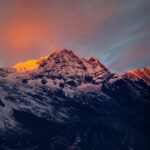
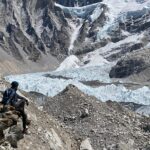
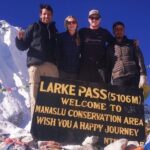
Day 2: Phakding to Namche Bazaar (the classic doorway)
You trek from Phakding to Namche Bazaar, roughly 3 to 4 hours of moving time, then settle into a teahouse for the night. Namche is where the trek starts to feel like a real community—shops, cafes, and lots of hikers with questions.
Day 3: Namche Bazaar acclimatization day (your breathing buffer)
Today is built for acclimatization. Instead of rushing upward, you spend time in Namche to help your body adapt. For me, this is one of the most valuable days on the entire route, because it improves how the following climbs feel.
Day 4: Namche area to Deboche, with Tengboche Gompa in view
You head toward the Tengboche area, with Deboche as the overnight stop. The trekking time is listed as about 4 to 5 hours, with a 6-hour day total. This is one of those days where you get both motion and cultural texture, with Tengboche Gompa often being a highlight for many people.
Consideration: this is also a “weather matters” kind of day. Cloud can change what you see, so build in flexibility and keep your attitude steady.
Day 5: Deboche to Dingboche (higher high country feel)
You trek from Deboche to Dingboche in about 5 to 6 hours, sleeping in a teahouse. Dingboche is where the landscape changes from busy valley routes into more exposed, high-altitude trekking. Expect slower walking and more focus on steady breathing.
Day 6: Dingboche toward the Lobuche area (transitional grind)
The itinerary has you trekking from Dingboche to Duglha over about 3 to 4 hours, with Lobuche as the key landmark mentioned. The real takeaway is that you are pushing into higher terrain with shorter day legs but tougher air.
Tip: keep your effort smooth. Even when the distance looks manageable, altitude turns every steady step into work.
Day 7: Toward Gorakshep, then Everest Base Camp and back
You move toward Gorakshep and visit Everest Base Camp, then return to Gorakshep the same day. The trek time on this day is listed as about 6 hours total, so you are walking with purpose.
This is the day many people remember forever, not just for photos, but for the feeling of reaching the base camp zone and understanding the scale. Also, because you return to Gorakshep for the night, you get more time to rest and adjust before the early/more intense view day later.
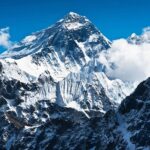
Day 8: Gorakshep to Kalapatthar for Everest views, then down to Pheriche
You trek from Gorakshep to Kalapatthar to enjoy views of Everest, then continue to Pheriche for an overnight. The total trek is listed as 6 to 7 hours.
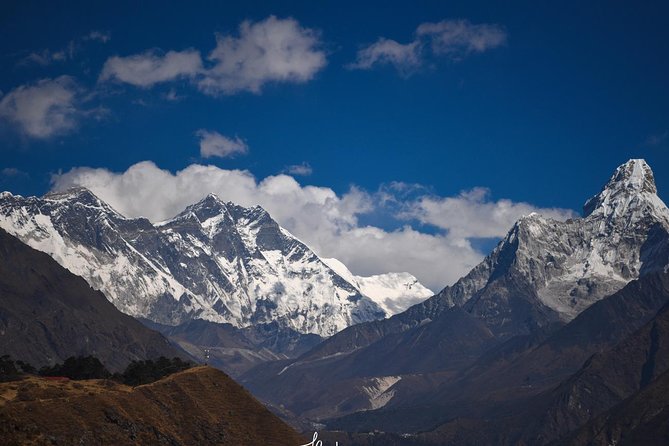
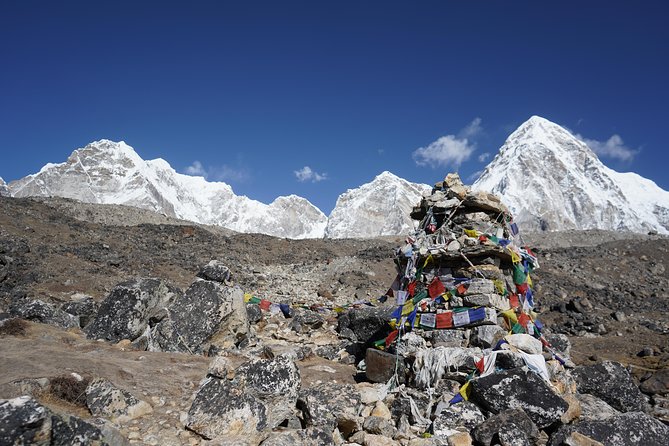
Kalapatthar is famous for a reason. Even when weather plays games, the act of reaching that viewpoint gives you a strong sense of place. This day is also where you learn how your body handles both exposure and effort near altitude.
Day 9: Pheriche to Tengboche (re-entering lower terrain)
You trek from Pheriche back to Tengboche in about 5 to 6 hours. This is a “regain your rhythm” day. As altitude eases, you often feel more human again, and your stride can get more confident.
Day 10: Tengboche to Monjo (return route, familiar energy)
You trek from Tengboche to Monjo around 5 to 6 hours, again sleeping in a teahouse. Monjo is part of the return trail energy—people start counting down in their heads, but you still earn your rest.
Day 11: Monjo back to Lukla (the finish walk)
You trek from Monjo to Lukla for about 4 to 5 hours and sleep in a teahouse. This is where you appreciate having a team. Long descents can be tough on knees and feet, and a guide can help you keep pace and reduce sloppy steps.
Day 12: Lukla to Kathmandu (fly out)
Finally, you fly from Lukla back to Kathmandu and return to the meeting point. You are not left to figure out the end-game. It is planned as part of the experience flow.
Teahouses and meals: comfort that is real, not fancy
Teahouse trekking is exactly what it sounds like: simple lodging, basic warmth, and food that keeps you moving. This trip includes teahouse accommodation and most meals. Your daily meals are chosen from the menu (breakfast, lunch, and dinner) during the trek.
That structure matters. When you are tired and altitude-slow, having meals handled reduces mental load. It also helps you keep eating on schedule, which is key for energy and acclimatization.
What is not included: hot and cold drinks, hot water, and hot showers. Those extras can add up fast in the mountains. I recommend treating them like upgrades, not necessities. Focus your energy on staying warm, eating well, and sleeping as much as possible.
The guide and porter setup: pacing, safety, and real-world help
You get a government license holder experienced trekking guide, trained in wilderness first aid and altitude sickness, plus porters. Porter capacity is listed as 1 porter for between 2 trekkers, and porters are covered with food, accommodation, salary, equipment, and accidental insurance, plus clothing and medicine.
The biggest advantage for me is the combination of pacing and safety. A good guide is not just a person who knows the trail. On EBC, it is someone who knows when to slow down, when to pause, and how to respond if someone is not doing well.
The reviews also highlight the people behind the service. Owners and organizers named Purushotam Timalsena (Puru) show up repeatedly as responsive and organized before departure, including via WhatsApp. Guide names mentioned include Sitaram Lamacchne, Suresh Adhikary, Phuldin, Shiva, and Ram, with porters like Deb also cited. That gives you a sense of a team that actually shows up and manages details, not a faceless booking desk.
Solo travelers note: the trek is private and only your group participates, which helps if you do not want to feel squeezed into someone else’s pace.
Gear that keeps you in the game (and under 15 kg)
The packing guidance here is specific, which I love. You are aiming to keep your packed trek bag to no more than 33 pounds / 15 kg.
Key items to treat as non-negotiable:
- Waterproof trekking shoes with good grips and spare laces
- Layers: fleece plus a heavier down or Gore-Tex jacket
- Track pants, T-shirts, thermal inners, and multiple socks
- Gloves suited to cold and possible wet weather
- A walking stick (recommended minimum 1)
- A backpack in the 60–70 liter range, plus a backpack cover and lining
You also might want camp shoes for inside the lodge. And yes, lip balm matters. That cold mountain air can be a little rude to your face.
What I’d watch for on Everest Base Camp days
This itinerary is strong, but it still demands respect.
First: altitude fatigue is real. Even when a day’s distance looks fine on paper, the air changes your effort. That is why the acclimatization stop at Namche Bazaar and the overall gradual climb rhythm are built in.
Second: comfort is limited by design. Teahouse stays are practical and warm enough to sleep, but not spa-level. Hot showers and many drinks are not included, so plan to keep it simple.
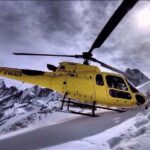
Third: flights can be the only real wildcard. You are relying on the Kathmandu–Lukla flight at the start and Lukla–Kathmandu at the end. The team’s crisis-handling skills are mentioned in feedback, including rebooking assistance when changes happen, so you are not left alone if schedules shift.
Should you book this Everest Base Camp trek?
I’d book this option if you want Everest Base Camp without turning your trip into a logistics project. The permits and fees are handled, meals and teahouse lodging are planned, and the guide-plus-porter system means you can spend your energy on trekking, not managing details.
This is best for hikers with moderate physical fitness and some trekking experience. If you want a pure challenge with less planning stress, the private format is a smart fit.
If you are allergic to discomfort, low-budget lodging, and cold nights, then EBC itself might be a tougher match than the tour style. But if you can handle teahouses and steady effort, you will likely appreciate how clean the experience flow is.
FAQ
What is included in the Everest Base Camp trek price?
It includes teahouse accommodation during the trek, daily meals chosen from the lodges’ menus, all necessary permits and fees (including Sagarmatha National Park fees and TIMS card fee), a trekking guide and porters, group medical supplies, and airport/hotel/airport transfers by private vehicle. It also includes pre-departure information and trip dossiers, plus trekking certificates and Above the Himalaya gear (t-shirt for gents and pashmina shawl for ladies, and a duffel bag).
Are flights included?
Yes. The itinerary includes flying from Kathmandu to Lukla (about 25 minutes) and then flying back from Lukla to Kathmandu on the last day.
Do I need travel insurance?
Travel insurance is not included, and it is listed as essential. It should include emergency evacuation coverage while trekking up to 5500+ meters.
What is not included in the trip price?
Alcohol, hot and cold drinks, hot water, and hot showers are not included. Also excluded are personal expenses (like laundry, phone calls, snacks, bar bills, and camera battery charging), personal trekking gears, tips for staff and drivers, international airfare, city tour sightseeing fees, and the Nepal entry visa fee.
Is there an acclimatization stop?
Yes. There is an acclimatization day in Namche Bazaar, which is specifically included to help your body adjust.
What kind of guide and porter support will I get?
You get a government license holder trekking guide trained in wilderness first aid and altitude sickness, plus porters. Porter support is listed as 1 porter for between 2 trekkers, and porters are provided with food, accommodation, salary, equipment, accidental insurance, clothing, and medicine.
Where do we meet in Kathmandu and what time does the trek start?
The meeting point is Thamel, Kathmandu, and the start time is listed as 1:15 am. The activity ends back at the same meeting point in Kathmandu.