REVIEW · HANOI
From Hanoi: 3 Days Sapa Trekking & Ethnic Villages by Dcar
Book on Viator →Operated by SST TRAVEL · Bookable on Viator
Sapa has a way of feeling like a refresh button. This 3-day trip is built for comfort and culture at the same time: round-trip DCAR limousine, a 3-star hotel base for two nights, and guided time in ethnic villages around town.
I like that it keeps the day structure clear (big travel days, then hikes), and you still get room to breathe and explore Sapa on your own. The second big plus: you’re not just looking at views—you get a local-speaking guide and a village visit focused on how people live, farm, and dress in the Sapa region.
One consideration: the treks involve walking with a moderate fitness level. If you’re nursing an injury or hate steep steps, you’ll want to pace yourself and pack smart.
In This Review
- Key things I’d circle before you book
- Entering Sapa: Four Seasons in One Town (and Why It Matters)
- Hanoi to Sapa: The DCAR Limousine Start That Sets the Tone
- Day 1 in Sapa Town: Check-In, Lunch, and a Guided Village Walk
- Day 2 Trek to Cat Cat Village and Your Fansipan Choice
- Day 3 Ham Rong (Dragon’s Jaw) Mountain Trek and Hanoi Return
- Price and Logistics: Getting More Comfort Per Dollar
- What the Treks Feel Like (and How to Prep)
- Meals and Hotel: A 3-Star Base That Actually Works
- Who This Tour Fits Best (and Who Might Skip It)
- Should You Book This Sapa Trek and Ethnic Villages Tour?
- FAQ
- How long is the Sapa tour?
- What is the price per person?
- Does the tour include pickup in Hanoi?
- How many nights are you staying in Sapa?
- What meals are included?
- Are treks included, and what fitness level is required?
- Is Fansipan included?
- What’s included for transport between Hanoi and Sapa?
Key things I’d circle before you book
- Small group size (max 10) means fewer waiting games and more chance to ask questions
- DCAR round-trip limousine + Hanoi pickup saves you the stress of figuring out trains or transfers
- Two nights in a 3-star hotel gives you time to reset after travel and hikes
- Cat Cat Village trek plus Ham Rong Mountain are classic Sapa routes without trying to do everything
- Fansipan is optional and you pay for the cable car if you want it
- Local village time on Day 1 helps you adjust to the area’s ethnic culture right away
Entering Sapa: Four Seasons in One Town (and Why It Matters)
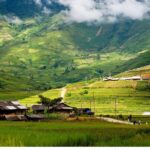
Sapa is famous for weather that changes its mood fast. You’ll get cool air year-round, with an average annual temperature around 15°C. The simple takeaway for your planning: even in the same day, the temperature can feel very different—cool mornings, warmer afternoon light, then colder air at night.
That matters because your tour includes two hiking days. The better you’re dressed, the more you enjoy the walk instead of shivering through it. I’d treat Sapa like a place where layers win: a warm layer for the morning, something light for the afternoon, and a reliable jacket you won’t regret when the wind picks up.
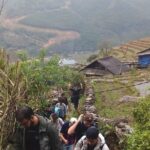
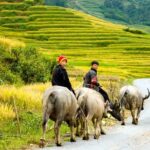
Sapa is also a meeting point for multiple ethnic groups. In this region you’ll hear about the H’Mong Black, Red Dao, Tay, Giay, and Xa Pho communities, each with distinct dress styles, customs, and farming traditions. The goal of the village visit isn’t a museum lecture. It’s a real look at how people live in the mountains, what they wear, and how daily life works in terraced and hillside farming areas.
You can also read our reviews of more tours and experiences in Hanoi.
Hanoi to Sapa: The DCAR Limousine Start That Sets the Tone
Most Sapa trips live or die on transportation. This one is built around a simple idea: get you out of Hanoi without making you do DIY logistics.
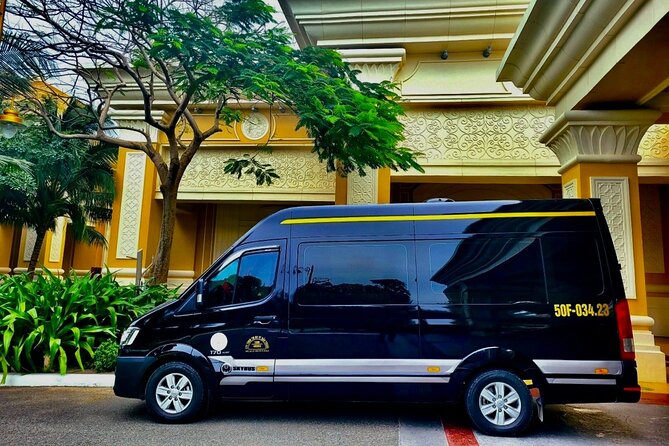
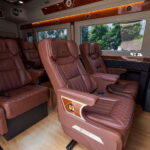
You start with pickup in Hanoi’s Old Quarter (or you can meet at the Hanoi Opera House area at 6:30am). Then you ride round-trip by DCAR limousine. Your travel day is long enough that you’ll want it to be comfortable, and that’s exactly where this format earns its keep. Instead of juggling taxis, tickets, or awkward transfer timing, you’re in one vehicle with a driver handling the road while your guide manages the tour flow.
On Day 1, you depart early and arrive in Sapa around 1:00pm. That arrival time is a nice balance. It’s early enough to use the afternoon, but not so early that you feel like you’ve been awake for half the planet.
The return trip is planned too. On Day 3, you head back to Hanoi after lunch, and you reach Hanoi around 8:30pm. Again, that’s the kind of schedule that works well when you’d rather keep things smooth than slice the day into separate transport pieces.
Day 1 in Sapa Town: Check-In, Lunch, and a Guided Village Walk

Day 1 is a gentle “settle in” plan, which is exactly what you want after the morning drive. You’ll arrive around 1:00pm, then you get lunch and check in to a 3-star hotel. After that, your afternoon starts with a guided village visit.
The village stop runs around 2:30pm for about 20 minutes with admission listed as free in the tour flow. That doesn’t sound long, and it isn’t meant to be a full-day village immersion. Think of it like an orientation: you’ll learn about daily life and see the region’s ethnic culture through the lens of what people actually do.
This is where having a guide who speaks locally matters. You’re not just looking at buildings and clothing. You’re getting context—how people live, how farming ties into the landscape, and what daily routines look like in these communities. That context changes the way you view everything you’ll see later on the trek days.
Practical tip: after travel, your feet can feel a little heavy. So on Day 1, take the walking at a calm pace. You want your energy for the treks on Day 2 and Day 3.
Day 2 Trek to Cat Cat Village and Your Fansipan Choice

Day 2 starts with breakfast at the hotel between 7:00am and 8:30am. Then the trek begins at 9:00am with a walk to Cat Cat Village.
Cat Cat is one of those Sapa stops people recognize instantly. But the real value here isn’t just the destination name. It’s the structure of the day: you get a guided trek in the morning, a lunch stop around 12:00, then a flexible afternoon.
At 3:30pm, you choose between:
- Discovering Fansipan (with your own expenses), or
- Exploring Sapa freely
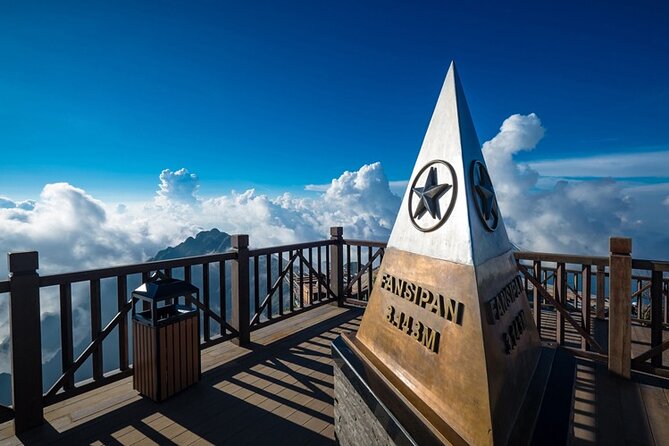
This is a smart way to handle Fansipan. The data specifically notes that the Fansipan cable car isn’t included. So if you decide you want the easy route up, you’ll pay separately. If you want the laid-back option, you can spend the afternoon in town without committing to extra cost.
From a value standpoint, I like giving you this decision point. You might want photos and viewpoints, or you might want a slower day after a morning trek. Either way, you’re not stuck doing one fixed thing.
Also notice the pacing: you have an overnight stay in the same hotel, so you’re not constantly packing and unpacking. That’s one reason this style of trip feels more relaxing than some “same-day return” Sapa tours.
Day 3 Ham Rong (Dragon’s Jaw) Mountain Trek and Hanoi Return

After breakfast around 7:30am, you’re on the move again at 9:30am for the trek up Ham Rong (Dragon’s Jaw) Mountain.
This is the second classic hike on the trip. It’s scheduled with a clear time window so you’re not wondering when lunch happens or when you’ll be picked up. By 12:00pm, you head back to the hotel for lunch.
Then comes the travel time. You say goodbye to Sapa between 2:10pm and 2:30pm, and you drive back to Hanoi, arriving around 8:30pm.
Two things make Day 3 feel manageable:
1) You’re not adding extra stops that scramble your plan.
2) The trek is built as the main event of the day, not one of seven.
If you pace yourself well on Day 2, Day 3 will feel like a steady continuation rather than a punishment.


Price and Logistics: Getting More Comfort Per Dollar
The price is $140 per person for the 3-day experience. On paper, that’s a budget line. In practice, it’s about what’s included.
Here’s what you’re getting:
- Round-trip Hanoi–Sapa by DCAR limousine
- Two nights in a 3-star hotel
- Pickup in Hanoi’s Old Quarter
- Local-speaking guide
- 3 lunches and 2 breakfasts
That meal plan matters more than people think. When you’re in a place with limited time between activities, having lunch and breakfast handled removes the guesswork. You’re spending less time searching, bargaining, or trying to match restaurant opening hours to the tour schedule.
Also, this tour is set up for small groups: maximum 10 travelers. That can be a big deal on guided treks, where bigger groups can slow everything down or turn into a traffic jam. Small group size also usually means the guide can respond faster when people need a quick adjustment.
The not-included items are reasonable and typical: holiday surcharge (when applicable) and Fansipan cable car. If you plan to use the cable car, budget extra. If you skip it, you’ll likely spend more on snacks and photos than transport.
One last logistics note: you get a mobile ticket. It won’t matter much until the moment you need to show it, but it’s one less thing to track.
What the Treks Feel Like (and How to Prep)
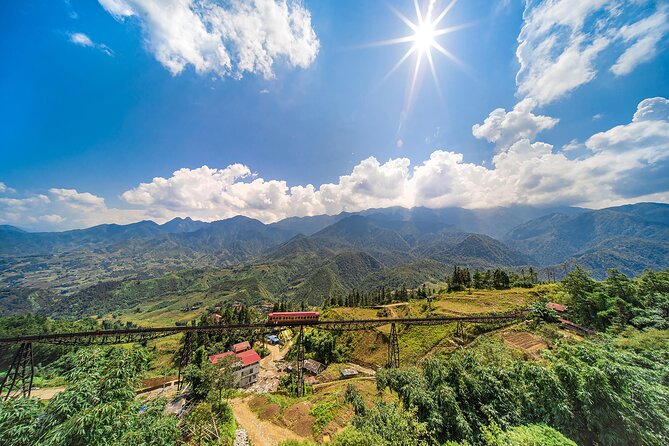
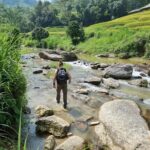
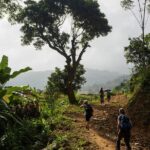
The tour asks for moderate physical fitness. That’s a polite way of saying the walking is real. Sapa treks often involve uneven footing, steps, and changing grades. Even if you’re fit, you’ll feel the altitude and cool weather.
Here’s how to make it easier:
- Go slow on the first 20–30 minutes of each trek day. Your legs warm up.
- Wear shoes you trust on rocky or muddy paths.
- Bring layers you can peel off. Afternoon can feel warmer than the morning.
- Consider gloves or something light for hands if you’re sensitive to cold.
Also, your tour includes guided time, which helps. You’re not navigating the route on your own, and you can ask questions about what you’re seeing instead of scanning maps the whole time.
Meals and Hotel: A 3-Star Base That Actually Works
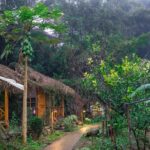
You’re booked into a 3-star hotel for two nights. For a short 3-day trip, that’s the sweet spot: not a bare-bones guesthouse, but also not a luxury-focused stay that swallows your budget.
The schedule helps the hotel do its job. You arrive Day 1 after lunch and check in. You sleep there after Day 1 village time. Then Day 2 ends with another overnight. By Day 3, you’re back in the hotel area for lunch before leaving.
That’s why this matters: when your hotel is a stable base, you can handle cold mornings and return with fewer stress signals. In customer feedback, people commonly mention that the hotel is comfortable and the service is good, which lines up with why the 3-day plan works.
Who This Tour Fits Best (and Who Might Skip It)
This is a strong choice if:
- you want a structured Sapa trip without dealing with transport planning
- you like guided cultural context (not just scenic viewpoints)
- you’re okay with moderate walking and cool-weather layering
- you’d rather have two nights to reset than cram everything into one whirlwind day
It might be less ideal if:
- you want a long, deep village stay instead of short guided village time
- you don’t enjoy any steep steps or uneven trails
- you need a fully sedentary day plan (this tour includes two trekking mornings)
If you’re traveling with family, the small group size and pickup structure tend to be a plus. The key is to match your expectations to the walking portion.
Should You Book This Sapa Trek and Ethnic Villages Tour?
I’d book it if your goal is a well-organized 3-day Sapa experience with a comfortable hotel base, guided cultural time, and two classic treks—without trying to DIY your way across Vietnam’s mountain logistics.
It’s especially good value when you compare what you’re paying for: limousine transport, lodging for two nights, and meals handled. The day-by-day flow keeps things realistic, and the small group size helps the guide keep the pace reasonable.
Before you commit, do one simple check: can you handle moderate walking in cool weather? If yes, you’ll likely enjoy the mix of Cat Cat Village, Ham Rong (Dragon’s Jaw) Mountain, and the early village introduction on Day 1.
FAQ
How long is the Sapa tour?
It runs for about 3 days, with travel from Hanoi to Sapa and back to Hanoi included.
What is the price per person?
The tour costs $140 per person.
Does the tour include pickup in Hanoi?
Yes. Pickup is offered from Hanoi’s Old Quarter, and the meeting point is listed at Hanoi Opera House (1 Tràng Tiền).
How many nights are you staying in Sapa?
You stay for 2 nights in a 3-star hotel.
What meals are included?
The tour includes 3 lunches and 2 breakfasts.
Are treks included, and what fitness level is required?
Yes, the tour includes trekking. The guidance says you should have a moderate physical fitness level.
Is Fansipan included?
Fansipan is not fully included. You can discover Fansipan on Day 2, but the Fansipan cable car is not included and you would pay your own expenses if you choose it.
What’s included for transport between Hanoi and Sapa?
Round-trip transport between Hanoi and Sapa is included by DCAR limousine.
If you want, tell me your travel dates and your walking comfort level. I’ll help you decide if the two trek mornings are likely a good match for you.