REVIEW · CHIANG MAI
Chiang Mai: One-Day Trekking Adventure in Doi Inthanon Area
Book on GetYourGuide →Operated by Chiang Mai Thailand Tour · Bookable on GetYourGuide
A day in the jungle can feel like a reset button. This one-day Chiang Mai trek packs waterfalls, hilltribe culture, and mountain views into a full, energetic day.
I especially like the mix of real village time and guided nature learning, not just walking from spot to spot. You also get a rare lunch-break bonus: a refreshing swim in a natural waterfall.
One thing to think about: the day is active and can be busy on the trail. If you dislike crowds, it can get noisy enough that you miss some of your guide’s details.
In This Review
- Key highlights you’ll feel on the trail
- How the day runs: hotel pickup to 6 PM return
- The trekking reality: jungle paths, views, and a full-day workout
- Karen hilltribe village: culture you can observe respectfully
- Lunch by the waterfall: the swim break that changes the tone
- Four waterfalls in one day: how to enjoy them without rushing
- Shan village trek: the second cultural stop along quieter paths
- English guide + nature lessons: plants, uses, and that fun side of learning
- Price and value at $77: what you get for your money
- What to bring: swim gear and jungle basics
- Eco-tourism and community respect: how to keep it good
- Who this trek is best for (and who should skip it)
- Should you book this Chiang Mai one-day trek?
- FAQ
- What time does hotel pickup start?
- How long is the tour?
- Is lunch included?
- How long will I trek during the day?
- How many waterfalls are visited?
- Is swimming allowed?
- Are drinks or water included?
- Is the guide English-speaking?
- What’s included in the price?
- Are the Twin pagodas and the highest mountain point included?
- What is the cancellation policy?
Key highlights you’ll feel on the trail
- Four waterfalls in one day, including time to cool off
- Karen and Shan hilltribe village visits with cultural context and questions encouraged
- English-speaking guide who points out useful plants and local nature knowledge
- 6–7 hours of trekking across jungle paths, plus scenic farm-and-mountain stretches
- Eco-tourism and community support, with respect expected on the ground
How the day runs: hotel pickup to 6 PM return
Your day starts early, with pickup from your hotel or guesthouse around 7:00–7:30 AM. You’ll then drive about 40 minutes to a local market where you can grab drinks, snacks, or small personal supplies if you want them. That market stop is handy because water and drinks are not included, so it’s your practical chance to top up.
After that, the van ride continues for about 30 more minutes to reach the trail start. Plan on being outside for most of the day after you begin walking, and then expect the drive back to Chiang Mai to bring you to around 6:00 PM.
You can also read our reviews of more tours and experiences in Chiang Mai.
The trekking reality: jungle paths, views, and a full-day workout
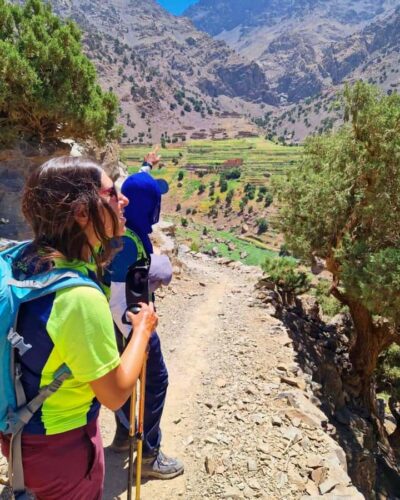
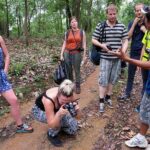
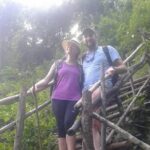
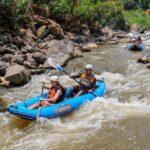
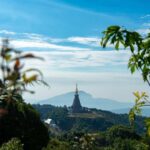
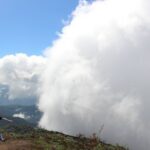
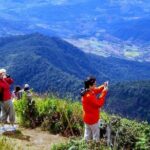
This isn’t a casual stroll. Your trek time is listed at about 6–7 hours total, including the village visits and stops at four waterfalls. The terrain is jungle trails and farmland paths at times, with mountain views along the way, so you’ll want shoes that handle slippery ground and uneven steps.
What I like about this format is that it gives you variety. You’ll walk through forest quiet, then shift into more open scenery when the view opens up. It’s the kind of day where your attention stays locked on what’s ahead, not on checking your watch.
The pace can feel physical, especially if you’re not used to long hikes in humid conditions. Come prepared with the right clothing, bug protection, and a calm mindset for steady walking.
Karen hilltribe village: culture you can observe respectfully
A major part of the experience is reaching a Karen hilltribe village by foot after the first stretch of trekking. This is one of the best ways to understand how people live in these forest-edge regions—because you see daily life and not just a photo stop.
I also like that the day is guided, because it helps you ask better questions and learn what’s appropriate. This kind of village visit goes smoother when you stay curious and low-impact. You’re a visitor in someone’s home community, so follow your guide’s lead on timing and behavior.
If you enjoy cultural context, you’ll get more out of this stop than if you only care about waterfalls. The village portion is what makes the hike feel like more than scenery.
Lunch by the waterfall: the swim break that changes the tone
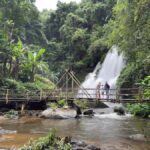
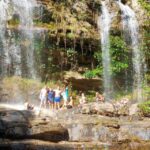
Lunch happens at a beautiful waterfall area. You’ll take a break here to relax and eat, and you’ll also have time for a refreshing swim in the natural waterfall.
This is the moment that turns the day from work into play. After hours of trekking, a cold-water reset is a big morale boost. Just remember that the tour provides lunch, but you’ll need your own swim setup mindset—bring what you need so you’re not scrambling when you get the chance.
The bigger practical win: you get food and water-adjacent comfort in the middle of the trek, so you’re not relying only on snacks you packed. Dress for speed—so you can go in, enjoy it, then dry off and keep hiking.
Four waterfalls in one day: how to enjoy them without rushing
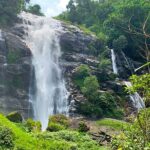
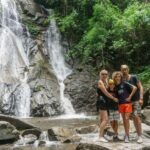
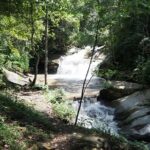
The headline is four waterfalls across the trek. The stops are part of a continuous walking route, not separate tours that move you like a shuttle bus. That means you’ll spend real time at each spot—enough for photos, quiet, and the kind of rest that actually helps you keep going.
Here’s how I’d think about making the most of the waterfalls:
- Use the first stops to acclimate: expect some slippery rocks and uneven ground. Take it slow so you don’t burn energy early.
- Plan to linger at the lunch waterfall: this is the one where you get the swim time, so treat it like the day’s recharge station.
- Keep your camera ready but stop often: forest views change quickly as you move between shaded and open sections.
- Don’t chase speed: if you sprint between falls, you’ll arrive sweaty and tired and miss the peaceful bits.
One caution from the experience you should factor in: in larger groups, you might feel a little rushed at stops, and it can be harder to hear your guide. If nature quiet is a big part of what you want, the crowd level on the day matters.
Shan village trek: the second cultural stop along quieter paths
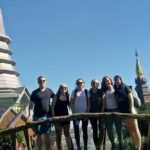
After lunch and more waterfall time, you trek onward to a Shan village. This portion follows jungle paths and more scenery, with additional waterfall moments along the route.
What makes this second village visit valuable is contrast. Karen and Shan communities represent different hilltribe cultures, and seeing two communities in one day helps you spot patterns like daily routines, relationships to the land, and how people move through these regions.
Keep your expectations realistic: this isn’t a museum tour. It’s a hike with cultural stops that are there to help you understand daily life. The best experience comes when you stay respectful, ask thoughtful questions, and don’t treat the village like a quick background for photos.
English guide + nature lessons: plants, uses, and that fun side of learning
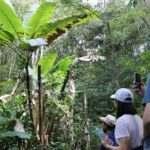
One of the most praised parts of the day is the guide. The trekking doesn’t just move forward; it teaches. You’ll get explanations about the local environment, including plant knowledge—some plants used as food, some used as medicine, and even playful ways certain plants can make sounds.
That kind of guide-led learning makes a difference on a jungle trail. Without it, you can walk past useful plants and never realize they’re part of everyday life. With it, the forest becomes a living classroom.
It’s also why a good guide matters for a one-day tour: you don’t have much time to waste. You’re paying for a guide who can translate the place into something you actually understand while you’re still out there seeing it.
Price and value at $77: what you get for your money
At $77 per person, the value is mostly in what’s included and what’s removed from your decision-making.
Included highlights:
- hotel/guesthouse pickup and drop-off
- lunch
- English-speaking guide
- insurance
- a luggage storage room
Not included:
- water/drinks
- the high mountain point
- Twin pagoda (King and Queen Pagoda)
Here’s the key way to judge the price: you’re paying for transportation, guide time, and a structured full-day route through multiple villages and waterfall areas. Since you also get lunch, the cost feels more complete than a hike where you have to buy food from scratch all day.
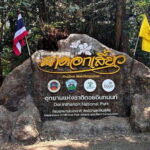
If your goal is also to see the Twin pagodas or go to the highest mountain viewpoint, this tour won’t satisfy that. It’s a trekking-and-culture day, not a sightseeing bus day for Chiang Mai’s big-name temples.
What to bring: swim gear and jungle basics
Bring a kit that supports four things: heat, insects, slippery terrain, and a waterfall swim.
At minimum, pack:
- hiking shoes
- insect repellent
- sunscreen and sunglasses
- a sun hat
- long-sleeved shirt and long pants (lighter is fine if it covers well)
- a change of clothes
- camera
- swimwear, towel (yes, you’ll have a swim time at lunch)
- personal medication
If you hate carrying too much, use a small day bag and keep your essentials reachable. Also plan for hydration: since drinks aren’t included, you’ll want water and/or other drinks either from the market stop or what you bring yourself.
Eco-tourism and community respect: how to keep it good
This trip supports local communities and promotes eco-tourism, and it expects you to act accordingly. The biggest practical rules are simple: follow your guide, keep noise down when asked, don’t damage plants or disturb wildlife, and treat village areas with care.
I like that this is stated upfront, because it shapes your mindset from the start. You’re not there to conquer nature—you’re there to walk through it and learn from it.
A good habit: when you take photos near villages or during cultural moments, pause, ask yourself if your behavior feels respectful, then continue. It keeps the whole day smoother for everyone.
Who this trek is best for (and who should skip it)
This is a great match for:
- hikers who want nature + culture in one day
- people who enjoy waterfalls and the chance to cool off by swimming
- anyone happy to walk 6–7 hours and spend a full day outdoors
- first-time Chiang Mai visitors who want something active and not temple-only
It may not fit if you:
- want temple highlights like the Twin pagodas or the highest mountain point (those are not included)
- struggle with long, physical hikes
- dislike group settings on trails (you can get noise that affects guide explanations)
Not suitable for:
- children under 5
- people over 264 lbs (120 kg)
- people over 70
Should you book this Chiang Mai one-day trek?
Book it if you want one day that combines forest trekking, hilltribe culture, and four waterfall stops, with a real recharge moment at lunch. The English guide adds real value by teaching you what you’re seeing—especially the nature and plant knowledge that turns the hike into more than scenery.
Skip or rethink it if your must-dos are the Twin pagodas or the highest viewpoint, or if you’re sensitive to crowds and trail noise. If you’re bringing patience, good shoes, insect protection, and swim-ready basics, this is the kind of day that leaves you tired—in a good way—and curious about the places you walked through.
FAQ
What time does hotel pickup start?
Pickup starts around 7:00–7:30 AM from your hotel or guesthouse.
How long is the tour?
The tour runs for one day, with return to Chiang Mai around 6:00 PM.
Is lunch included?
Yes. Lunch is included and it’s taken at the waterfall area.
How long will I trek during the day?
Trekking time is approximately 6–7 hours total, including visits to the waterfalls and hilltribe villages.
How many waterfalls are visited?
You’ll visit four waterfalls during the trek.
Is swimming allowed?
Yes, you’ll have time for a refreshing swim in a natural waterfall during your lunch break.
Are drinks or water included?
No. Water and drinks are not included, though you can buy snacks and drinks at the local market stop.
Is the guide English-speaking?
Yes, you’ll have an English-speaking guide.
What’s included in the price?
Included items are hotel pickup and drop-off, lunch, insurance, an English-speaking guide, and a luggage storage room.
Are the Twin pagodas and the highest mountain point included?
No. The Twin pagodas (King and Queen Pagoda) and the highest mountain point are not included.
What is the cancellation policy?
You can cancel up to 24 hours in advance for a full refund.