REVIEW · CHIANG MAI
Chiang Mai: Hmong Village, Doi Suthep and Wat Pha Lat Trek
Book on GetYourGuide →Operated by Chiang Mai Everywhere · Bookable on GetYourGuide
One trail. Two temples. A village. This 7-hour Chiang Mai day pairs Monk’s Trail hiking with the calm of Wat Pa Lat, then finishes at the famous Doi Suthep lookout. I love how the route feels like a real local circuit, not just a temple checklist. The trade-off is you’re on outdoor paths the whole time, so low fitness or mobility issues can make it a bad fit.
The best part for me is the pacing: a small group, a guide who can explain things without rushing you, and hotel pickup so you start hiking without a hassle. In a group capped at 9, you get enough attention to ask questions and adjust your pace when needed. Just know the day includes both walking and temple time, so it won’t feel like a relaxed stroll.
In This Review
- Key highlights worth planning for
- From your Chiang Mai hotel to the Monk’s Trail start
- Hiking the Monk’s Trail: a pilgrimage you can feel
- Wat Pa Lat Temple: quiet Lanna-era meditation stop
- Doi Suthep and the golden chedi relics
- Doi Suthep-Pui National Park: a nature reset between culture stops
- Hmong village above the clouds: crafts, culture, and coffee
- Timing and what 7 hours really means for your feet
- What to bring (so the day feels smooth, not miserable)
- Price and logistics: does $57 feel worth it?
- Who this tour fits best (and who should skip it)
- Should you book this Chiang Mai trek tour?
- FAQ
- How long is the tour?
- Where does the tour pickup happen?
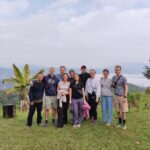
- Is this a small-group tour?
- What language is the guide?
- How much hiking is involved?
- Which places do we visit?
- Is the tour suitable for people with mobility issues?
- Is it safe for people with heart problems?
- What should I bring?
- What’s included in the price, and what’s not?
Key highlights worth planning for

- Monk’s Trail: a forest pilgrimage path monks once used up to Wat Pa Rat
- Wat Pa Lat: a quieter Lanna-era temple used by traveling monks to rest and meditate
- Doi Suthep viewpoints: a classic panoramic stop with the golden chedi and sacred relics
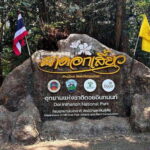
- Doi Suthep-Pui National Park: a nature pause built into the route
- Hmong village visit: handicrafts, cultural time, and a coffee break above the clouds
- Small group feel: limited to 9 people with English/Thai guidance
From your Chiang Mai hotel to the Monk’s Trail start
This tour runs out of Chiang Mai Province, and it begins with hotel pickup in Chiang Mai City. You can typically choose from pickup around the Old City area, and also near Nimman, as long as your accommodation is in Chiang Mai City. You’ll want to be ready in the lobby about 10 minutes before pickup.
From there, you’ll head toward the trailhead for the Monk’s Trail section. Even if you’re excited for the temples, I think the drive-to-trail moment matters, because it sets the tone: you’re moving from city life into a forest rhythm before you even lace up your shoes. The tour uses a car (sedan/MPV/van depending on group size), so it’s straightforward and not a patchwork of transfers.
You can also read our reviews of more tours and experiences in Chiang Mai.

Hiking the Monk’s Trail: a pilgrimage you can feel
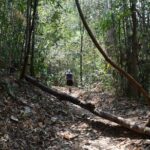
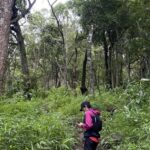
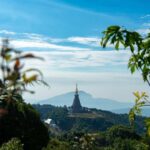
The main hiking experience starts on the Monk’s Trail, a serene forest path monks once used to climb up to Wat Pa Rat. The key detail here is why people use it: even now, monks and locals walk it as a form of pilgrimage. That simple fact changes the hike from exercise into a quieter kind of walk.
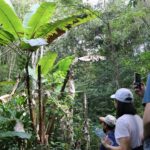
You’ll be moving through green forest with the sounds of nature around you. It’s the kind of trek where you notice the small things—shade, the trail texture underfoot, and the steady rhythm—more than you notice distance. The schedule includes trekking time (the tour is built around a 2+ hour hike), but pacing can vary day to day, and you should expect the hiking segment to feel “real,” not leisurely.
Practical tip: start the hike with energy saved. If you go out too fast early on, you’ll feel it later during the temple walking and the village stop.
Wat Pa Lat Temple: quiet Lanna-era meditation stop
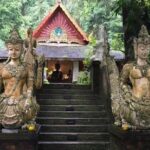
After the trail, you reach Wat Pa Lat, a peaceful temple connected to the Lanna Kingdom. It was built around the 14th century, and it served as a resting and meditation place for monks traveling to Doi Suthep. That history is the reason the temple feels calmer than the big-name sites you’ll visit later.
This is your chance to slow down. You’re not just taking photos; you’re stepping into a space that was designed for pause and focus. If you like temples for more than their architecture—if you like the atmosphere—you’ll probably appreciate this stop more than you expect.
There’s also a “supporting cast” effect: visiting Wat Pa Lat after a hike makes the temple feel earned. You’ll likely notice how temple time is also part of the workout day, but in a gentler way.
Doi Suthep and the golden chedi relics
Then it’s on to Doi Suthep, Chiang Mai’s iconic temple stop. You reach it by car, and the visit focuses on the sacred chedi and the view from the temple grounds.
Inside the golden chedi are sacred relics of the Buddha, which gives the whole visit extra weight. It’s the kind of detail you’ll hear your guide explain, and it helps you see beyond the shiny exterior. If you’re curious about Thai Buddhist sites, this is where you’ll get the most “explain it to me” energy from the guide.
Of course, the view is the big draw. You’ll look out over Chiang Mai from the temple area, and on a clear day the panoramas can be truly rewarding. If the sky is hazy, it’s still worth going—because the temple grounds themselves are a place to slow down and look around.
One consideration: because Doi Suthep is famous, it can feel busy during temple time. This tour helps by keeping your visit structured, but you still shouldn’t expect quiet.
Doi Suthep-Pui National Park: a nature reset between culture stops
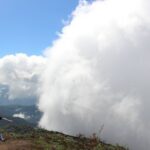
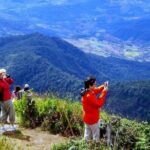
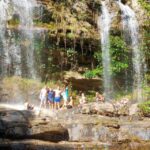
Between the temple highlights and the village visit, you’ll spend time in Doi Suthep-Pui National Park. This part of the schedule acts like a reset. After structured temple time, you get a nature window where the day shifts from stone and gold to trees, air, and open space.
You’ll spend about an hour in this area. It’s not meant to replace a full rainforest outing, but it does break up the day so it doesn’t feel like nonstop sightseeing. I like this because it helps you recharge before the village visit, where you’ll likely do more walking and time outdoors again.
If you’re sensitive to heat or sun, use this break to hydrate and adjust clothing. In Chiang Mai, the difference between early and late daylight can feel bigger than you expect.
Hmong village above the clouds: crafts, culture, and coffee
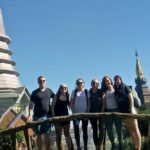
Next comes one of the most meaningful stops: a traditional Hmong hill tribe village. You’ll visit a community tucked above the clouds, and you’ll get time to explore how people live, what they make, and how they talk about their traditions.
The tour also frames where the Hmong come from: an ethnic minority originally from southern China, Laos, Vietnam, and Myanmar’s highlands. That background matters because it turns the visit from “look at crafts” into “understand a people and a journey.” You’ll see handicrafts and learn about daily culture through the visit.
Then there’s a coffee break at the village, which is a genuinely nice change of pace. You’ve been walking, climbing, and touring temples; a warm or comforting drink gives your brain a moment to catch up. Plus, village time tends to be interactive in small ways—questions, photo moments, and just watching daily routines.
One thing to keep in mind: this is outdoors and in village settings. You’ll want to be respectful with how you photograph and move. If you want to buy anything, do it thoughtfully and only if it supports the community in a way you feel good about.
Timing and what 7 hours really means for your feet
This is a full day: about 7 hours total, with hotel pickup included. You’re looking at a mix of car time, temple time, and trekking. The schedule includes hiking time (with a 1.5-hour hiking block mentioned for the Doi Suthep side of the day structure, plus additional trekking), so you should treat it as an active outing, not a casual half-day tour.
A key detail: the hiking length you experience can feel different depending on pacing and group energy. For example, one reviewer noted the walking portion felt closer to around an hour than the “2+ hours” framing might suggest. That doesn’t mean the tour is easy—it just means the actual on-trail time may vary with conditions and how the group moves.
Your best move: wear hiking shoes, bring insect repellent, and keep a daypack ready for basics like water and a light layer. If you start feeling sore, slow down. A steady pace works better than pushing through early.
What to bring (so the day feels smooth, not miserable)
The tour’s packing list is exactly what you should follow for comfort and safety:
- Sunglasses and a hat
- Hiking shoes
- Insect repellent
- Weather-appropriate clothing and an outdoor layer
- A small daypack
I’d also add one simple mindset: treat this as a hike day that also includes temples. That means you want footwear and clothing that can handle uneven ground and sun. If you’re wearing something that’s fine for city walking but not for trail steps, you’ll feel it after the first segment.
Bring what you need for humidity and small changes in temperature. In Thailand, mornings and later in the day can feel different, especially when you’re switching between temple shade, forest shade, and open viewpoints.
Price and logistics: does $57 feel worth it?
At $57 per person, this tour can feel like solid value—mainly because it bundles what adds up fast in Chiang Mai: pickup and drop-off, an English guide, car transport, entrance fees, and a structured day that covers several very different experiences.
You’re not paying just for a ride. You’re paying for:
- guide interpretation in English/Thai
- entrance fees included
- a small-group route that saves you from coordinating multiple stops on your own
- time that includes both hiking and cultural immersion
What’s not included is straightforward: personal expenses and meals. So you’ll want to plan how you’ll handle food during the day. The coffee at the village is included as part of the visit, but meals beyond that won’t be covered.
If you enjoy saving energy and not dealing with logistics, this price makes more sense. If you’re a super independent planner and already know how to navigate temple routes and trailheads, you might compare alternatives—but you’d still be giving up the guided context and the “single day plan” convenience.
Who this tour fits best (and who should skip it)
This experience is not suitable for everyone. The tour involves trekking, and it may not be right if you have mobility impairments or heart problems. It’s also not designed for low fitness levels.
If you’re the kind of traveler who’s happy to walk on trails, climb temple stairs or paths, and spend hours outdoors, you’ll probably love the mix. You’ll get variety in a single day: forest pilgrimage hiking, temple culture, national park time, and a Hmong village visit with crafts and coffee.
If you’re unsure about your stamina, do a quick reality check: can you comfortably hike for sustained periods and still enjoy sightseeing afterward? If the answer is yes, this is a strong match.
Should you book this Chiang Mai trek tour?
Book it if you want a day that connects the dots between Chiang Mai’s spiritual sites and its living culture. I like that the route doesn’t only focus on the famous temple—Wat Pa Lat gives you a calmer, less noisy counterpart, and the Monk’s Trail adds meaning to the whole theme of pilgrimage.
Skip it if you need step-free walking, if heat and insects are a deal-breaker, or if you’re not comfortable with trekking. Even with a guide and car transfers, the day is still outdoors and active.
If your goal is a well-paced, guided day that feels like more than just photo stops, this is the kind of tour that delivers—especially in a small group setting.
FAQ
How long is the tour?
The tour lasts 7 hours.
Where does the tour pickup happen?
Pickup is available from your accommodation in Chiang Mai City, including the Old City area and Nimman. You should be ready in the lobby about 10 minutes before pickup.
Is this a small-group tour?
Yes. It’s limited to 9 participants.
What language is the guide?
The guide provides live interpretation in English and Thai.
How much hiking is involved?
The tour includes trekking and is listed as a 2+ hour hike. There is also a hiking segment of about 1.5 hours as part of the day’s schedule.
Which places do we visit?
You’ll visit the Monk’s Trail area, Wat Pa Lat, Doi Suthep, Doi Suthep-Pui National Park, and a traditional Hmong hill tribe village with a coffee break.
Is the tour suitable for people with mobility issues?
No. It’s not suitable for people with mobility impairments because the day involves trekking.
Is it safe for people with heart problems?
It may not be suitable for people with heart problems. The tour involves trekking and you should consider that before booking.
What should I bring?
Bring sunglasses, a hat, hiking shoes, insect repellent, weather-appropriate clothing, outdoor clothing, and a daypack.
What’s included in the price, and what’s not?
Included: hotel pickup & drop-off, English guide, 2+ hour hike, entrance fees, and a car (sedan/MPV/van based on group size). Not included: personal expenses and other meals.