REVIEW · KATHMANDU
Gokyo-Ranjo Pass Trek On 16 Days (Cheapest Trip On Nepal)
Book on Viator →Operated by Dream Himalaya Adventures Pvt Ltd · Bookable on Viator
Two big passes. One quiet Everest side.
This 16-day private trek is built for mountain views with a strong “Everest region, but different” feel, starting with the mountain flight to Lukla and shifting to the quieter Gokyo Valley route after Namche. You also get steady Sherpa-led support, so the big-picture plan stays clear even when the altitude starts talking.
What I like most is how the itinerary gives you a real rhythm: walk hard enough to feel the trek, then rest or acclimatize before the next push. The biggest drawback is also the most honest one: you’re going high, and the schedule includes high passes and long walking days, plus Lukla flight weather can force changes—so you’ll want to handle that calmly.
The good news is the trip is tightly organized. Permits, national park fees, meals (including hot drinks), airport/hotel transfers, a trek first aid kit, and even rental down gear and sleeping bag are built in. That’s a lot of logistics taken off your plate, so you can focus on the views and your breathing.
In This Review
- Key highlights you should notice
- Why this trek route feels different from the usual Everest path
- Price and what $2,100 buys you in real terms
- Days 1–2: Kathmandu arrival, prep, and a head start on logistics
- Days 3–5: Lukla to Phakding, then Namche and Khumjung
- Days 6–8: Dole and Machhermo acclimatization that keeps you sane
- Days 9–10: Gokyo Valley, Gokyo Lake, and GokyoRi at 5,483m
- Day 11: The 5,340m Renjo La crossing and the descent to Lungden
- Days 12–13: Back to Namche and down to Lukla
- Days 14–16: Kathmandu return, celebration dinner, and a flight cushion
- Guide quality and how Dream Himalaya’s team shows up on trail
- Guesthouses, meals, and what makes the “slow pace” feel easier
- Who this trek suits best (and what to watch)
- Should you book this Gokyo–Renjo Pass trek?
- FAQ
- Where does this trek start, and what time do I meet?
- How long is the Gokyo–Renjo Pass trek?
- What’s included for meals during the trekking days?
- Are trekking permits and national park fees covered?
- Does the trip include trekking guide and porters?
- What trekking gear is provided, and what do I still need to bring?
- How high will I go on the trip?
- Is there a buffer day for Lukla flights?
- What is the cancellation policy?
Key highlights you should notice
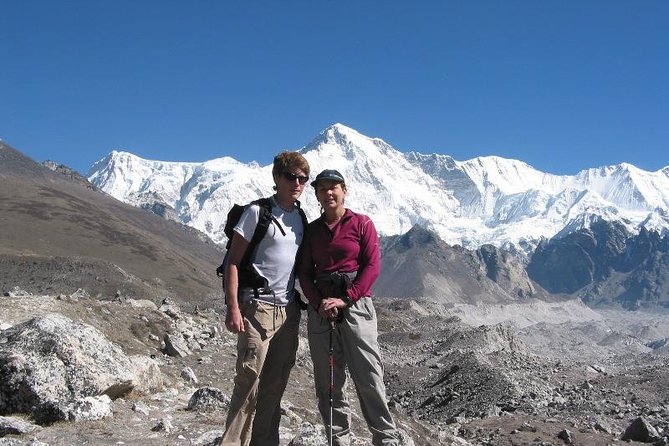
- Lukla flight sets the tone fast: you jump into the Khumbu quickly instead of spending days getting there by road.
- You leave the main Everest trail after Namche, so the route feels more local and less crowded.
- Acclimatization is built in with Dole, Machhermo, and a rest/hike day around 4,470m.
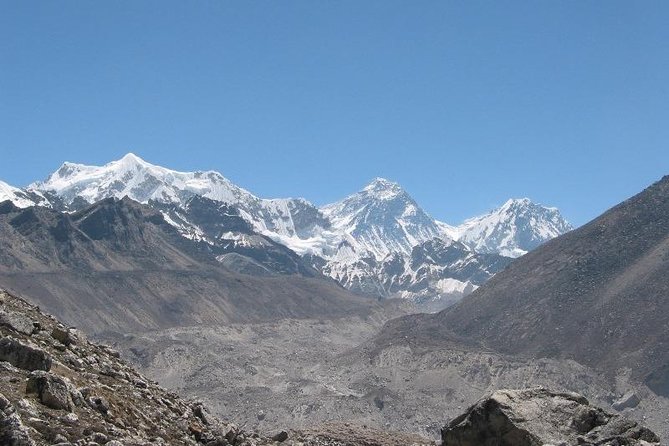
- Gokyo adds variety: Gokyo village, Gokyo Lake area, then GokyoRi (5,483m) and the Gokyo Peak climb (5,360m).
- Renjo/Ranjo La pass payoff: a 5,340m crossing with big panoramic viewpoints and a scenic descent.
- Meals and hot drinks are included on trek along with treated drinking water, so you’re not constantly budgeting day to day.
Why this trek route feels different from the usual Everest path
This trek follows the classic Khumbu “Milk River” idea: you spend days walking along the Dudh Kosi corridor, with waterfalls, prayer flags, and villages that make the altitude feel more human. Then the plan changes course. After Namche Bazar, you take the less mainline path toward Everest View Hotel and on to Khumjung, which is a Sherpa village with its own character.
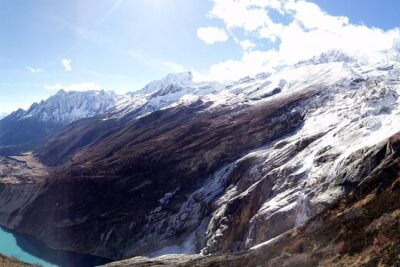
The Gokyo Valley part is the second big shift. Instead of stacking more time on the busiest Everest viewpoints, you head into a valley system that tends to feel quieter in day-to-day life. You’ll still see serious mountains every day, but the trail doesn’t always feel like a conveyor belt.
The climb structure also makes sense. You’re not just “go higher, suffer, go higher.” You get time at key altitudes and even a rest day at Machhermo level (4,470m). That helps you walk better and think clearly, which matters once you’re near the big elevations later.
You can also read our reviews of more tours and experiences in Kathmandu.



Price and what $2,100 buys you in real terms
At $2,100 per person, you’re paying for more than rooms and a guide. The included package covers:
- 3-star hotels for twin sharing on a bed-and-breakfast basis (listed as several nights)
- All meals during the trek (breakfast, lunch, dinner) plus hot drinks and treated drinking water
- Trekking permits and conservation/national park fees plus government taxes
- A Sherpa trekking guide, plus insurance for local team members
- Porters (the required number)
- Trek duffle bag for each trek member
- Trek first aid kit
- Sleeping bag and down jacket rental (on a rental basis)
- A half-day World Heritage site tour in Kathmandu with guide and private transport
- All airport/hotel/airport transfers by private vehicles
You don’t have to fight for basic survival logistics like daily meals, hot drinks, and safe water treatment. That’s the kind of value you feel on day two of your trek, not just in a spreadsheet.
What you should budget separately: bottled/soft drinks/alcohol, international departure taxes, and most personal items. The package also notes personal high-risk medical insurance is not included, and your own trek gear is not included. Most people underestimate how expensive proper evacuation coverage can be until they actually need it. Don’t skip that check.
Also, Kathmandu has extra meals not included, plus tips for local staff. If you’re trying to keep costs tight, ask yourself how much you’ll spend on personal drinks and snacks while you’re resting in Kathmandu.
Days 1–2: Kathmandu arrival, prep, and a head start on logistics
Your trip starts at Tribhuvan Airport (Kathmandu) at 5:00 am, and the first day is about getting you settled. You’ll transfer to your hotel, then get a briefing. This matters because the trek involves flight days, altitude, and a pass crossing. The briefing should help you avoid the classic mistake: arriving in Kathmandu with the wrong layers, too much stress, and zero clarity.
Day 2 is for tour time plus necessary preparation and packing. That packing part is often where you win or lose comfort on the trail. You can sanity-check what you’re carrying, how you’ll layer for cold mornings, and what you really need versus what’s just taking up space. You’ll also do a half-day World Heritage site tour with guide and private transport, which is a solid way to see a real slice of Kathmandu without spending half your vacation getting lost.
Practical note: this trip is private, so it’s only your group. That’s a plus if you want a consistent pace and clear communication with the guide and Sherpa team.
Days 3–5: Lukla to Phakding, then Namche and Khumjung
Day 3 is the big “start moving” day. You fly to Lukla (2,840m) and then trek to Phakding (2,610m), about 3 hours. Even though Phakding is slightly lower, you’re starting the trek immediately in the Khumbu rhythm. It’s a gentle “welcome,” and it lets you warm up before Namche.
Day 4 pushes you to Namche (3,440m) in around 5 hours. Namche Bazar is the Sherpa hub you hear about for a reason: you’ll feel the energy of trade, gear shops, guesthouses, and mountaineering culture. This is also where the itinerary’s next phase becomes clear. After Namche, you’re not staying glued to the main Everest trail.
Day 5 goes to Khumjung (3,840m) in about 3 hours. This is the detour that makes the trek feel more personal. Khumjung is a Sherpa village, and the route gives you a different view of the region’s daily life. The walking day is shorter than some, which is helpful when you’re adjusting to the air.
One consideration: you’ll still face steep climbs and stone steps. Even “short” days at altitude can feel longer than you expect, so pace matters.
Days 6–8: Dole and Machhermo acclimatization that keeps you sane
Day 6 is a longer push to Dole (4,200m), around 5 hours. The climb rate here is steady, and the Dudh Kosi corridor keeps giving you visual breaks: rivers, terraces, and village stops. You’re building altitude gradually instead of jumping straight into the deep high country.
Day 7 takes you to Machhermo (4,470m) in about 4 hours. Machhermo is where the itinerary turns serious. That’s high enough to make sleep feel different and to remind you to hydrate and move carefully. The trek style here is about control, not speed.
Day 8 is a day of hiking and rest at 4,470m. This is a huge win. A rest day is what helps you feel better later when you’re climbing to higher lakes and viewpoints. It also gives you time to settle into the cold morning routine: layers, water, breakfast, then a short walk and an easy afternoon.
If you hate “wasted” days, take this one seriously anyway. This is the day that often determines how you feel on the Gokyo and pass days.




Days 9–10: Gokyo Valley, Gokyo Lake, and GokyoRi at 5,483m
Day 9 treks to Gokyo (4,790m) in about 4 hours. This is the moment when the mountains start looking larger and closer. You’re in the Gokyo zone now, and the views are the main reason people do this route.
Day 10 is the GokyoRi day trip (5,483m). That altitude is no joke, but it’s also why you’re here: the viewpoint day is the reward day. You go up for the panoramic payoff, then you come back down to recover.
Even without getting fancy about it, you can plan your day like this: keep your pace controlled, breathe through the effort, and save energy for the return. Your guide’s job is to keep that plan in motion.
On the comfort side, you’re covered. During the trek, the package includes your meals and hot drinks and beverages, plus treated drinking water, so you’re not stuck spending energy hunting basic comforts.
Day 11: The 5,340m Renjo La crossing and the descent to Lungden
Day 11 is the pass day: you cross Renjo La (5,340m) and then trek to Lungden (4,400m) in about 6 hours. This is the kind of day that feels like two trips in one. First you grind upward, then you switch gears for a long descent.
At pass crossings, conditions can change quickly. Even if the weather is fine when you start, you want to respect cold wind and quick shifts. This is where having a rental down jacket (included) can make the difference between enjoying the view and just surviving it.
The descent to Lungden is a morale builder because you’re dropping elevation and getting back into a calmer walking zone. It’s also where your legs start to feel like they’ve been doing work for weeks, so good hydration habits from earlier days pay off.
Days 12–13: Back to Namche and down to Lukla
Day 12 trek is to Namche (3,440m) in about 5 hours. You’re retracing part of the Khumbu story but with new context. When you’ve crossed the pass and reached the Gokyo high points, Namche doesn’t feel like just a waypoint. It feels like the place you’re returning to with a win under your belt.
Day 13 takes you to Lukla (2,840m) in about 6 hours. This is a long day, and it can feel like your body is balancing two emotions: relief and fatigue. You’re close to the end of the trail, but the trek still asks for steady steps.
One reason this kind of itinerary works well for most people: you have a real buffer in the schedule later, so you’re not forced to gamble on one flight day only.
Days 14–16: Kathmandu return, celebration dinner, and a flight cushion
Day 14 includes flying back to Kathmandu, then an evening celebration meal. That dinner matters more than it sounds. After days of trekking food rhythms, you finally get a proper reset meal in a real Kathmandu setting.
Day 15 is listed as a free day and an emergency day for Lukla–Kathmandu flight. This is practical. If weather messes with flight schedules, you’re not immediately out of options. You still get a day in Kathmandu that can be used for shopping, rest, or just letting your body recover properly.
Day 16 is your transfer to the airport for your onward flight, with an optional extension. This final day is about leaving without stress.
Guide quality and how Dream Himalaya’s team shows up on trail
The trip experience depends heavily on the human side, and the supplied feedback points strongly to that. People highlighted the caring support of Sherpa guides named Pema and Kami, with a focus on kindness and attention to how the trek is going day by day. That kind of guidance matters most when altitude makes everything slower and when you’re trying to decide whether to push or wait.
A detail worth noting: the team includes insurance for local team members and a trek first aid kit, plus the trek sleeping bag and down jacket rental. You’re paying for a support system, not just for a route line on a map.
Guesthouses, meals, and what makes the “slow pace” feel easier
The itinerary uses guesthouse-style stops, and the comfort level comes down to the choices your guide team makes. The feedback you provided mentions warm, clean places and delicious food. That’s not automatic everywhere in the Khumbu, so it’s a good sign that this operator keeps you in decent shelters rather than the bare minimum.
Meals are also included on trek. That means you’re less likely to turn every hunger moment into a decision. You’ll still want to eat sensibly, not everything in sight, but you won’t be stuck guessing where your next meal comes from.
If you do well with a slow, steady pace, this trek is built for it. You can enjoy the villages, take breaks without feeling like you’re breaking the plan, and still hit the key high points like GokyoRi and the Renjo La crossing.
Who this trek suits best (and what to watch)
This trek is for you if:
- You want a classic Everest-region trek but with a less crowded feel once you leave Namche
- You’re okay with altitude and want acclimatization built into the schedule
- You value having permits, meals, and key gear handled for you
- You like mountain views enough to spend days walking to reach them
It may not be your best fit if:
- You get altitude symptoms quickly and you can’t commit to the acclimatization structure
- You’re expecting fully flexible flight plans with no weather delays
- You don’t have proper medical evacuation coverage, since that is not included
Also, the trip states strong physical fitness is needed. “Strong physical fitness” here means you should be comfortable with multiple days of 4–6 hours walking at altitude, including a 6-hour pass day.
Should you book this Gokyo–Renjo Pass trek?
I’d book it if your dream is Gokyo Lakes and Renjo La without spending your whole trip in the busiest Everest corridors. The itinerary’s value comes from the combination of route choice, acclimatization timing, and support details like included meals, hot drinks, treated water, and down gear rental.
Hold off or ask more questions if you’re unsure about altitude risk or if you don’t like the idea of flight weather uncertainty around Lukla. The schedule includes an emergency day, which helps, but flights can still be a stress point.
If you’re ready for the rhythm of high walks and big viewpoints, this is a strong package. You’ll spend your time on the mountains, not on paperwork and guessing.
FAQ
Where does this trek start, and what time do I meet?
You meet at Tribhuvan Airport in Kathmandu, Nepal, starting at 5:00 am.
How long is the Gokyo–Renjo Pass trek?
The trek is scheduled for about 16 days.
What’s included for meals during the trekking days?
All meals of high quality and hygienic are included during the trek (breakfast, lunch, dinner), plus hot drinks and beverages such as tea, coffee, hot chocolate, and treated drinking water.
Are trekking permits and national park fees covered?
Yes. The package includes all required trekking permits, conservation/national park fees, and government taxes.
Does the trip include trekking guide and porters?
Yes. You get an Experience Sherpa Trek Guide, required porters, and support Sherpa staff.
What trekking gear is provided, and what do I still need to bring?
The package includes rental sleeping bag and down jacket. Your personal trek gears are not included, so you’ll need to bring the rest of your essentials.
How high will I go on the trip?
Key elevations listed include GokyoRi at 5,483m, the Gokyo Peak climb at 5,360m, and Renjo La at 5,340m.
Is there a buffer day for Lukla flights?
Yes. Day 15 is a free day and also an emergency day for the Lukla to Kathmandu flight.
What is the cancellation policy?
You can cancel for a full refund up to 24 hours in advance of the experience’s start time, and cancellations within 24 hours are not refundable.