Mu Cang Chai hits you fast: rice terraces and real village days. What makes this trip appealing is the private, modern transport plus an English-speaking guide who can connect you to local communities, not just viewpoints. I love that you get hands-on moments (like farming activity and village exchanges) and you’re not stuck in tourist bottlenecks on a fixed crowd schedule. The one catch to plan around is the long road time out of Hanoi and back, so you’ll want to bring patience and a little good weather luck.
By day 2, you’re walking right among the terraces you’ve seen in photos, and by night you’re in an authentic stilt-house homestay eating regional food with people who live there year-round. If you like culture that’s lived—not staged—this format is a strong fit.
In This Review
- Key Takeaways: What Matters Most on This Trek
- Getting Out of Hanoi: Private Transport Saves More Than Time
- Day 1 (Hanoi → Nghĩa Lộ → Tú Lệ): Rice Fields, Springs, and Village Work
- Nghĩa Lộ lunch stop: warm meal, quick reset
- Tú Lệ valley: rice fields, springs, and ethnic village life
- Homestay night in a wooden stilt house
- Day 2 (Tú Lệ → Khau Phạ Pass → Mù Cang Chải): Terraces, Pass Views, and Real Farming Days
- Soft trek through Lìm Mong and Lìm Thai villages
- Khau Phạ Pass: one of Vietnam’s Four Great Passes
- Arrive in Mù Cang Chải: homestay check-in and terrace trekking
- Evening: Thai chef dinner and fire-side cultural exchange
- Day 3 (Mù Cang Chải → Horseshoe Hill → Back to Hanoi): The Harvest Views and the Final Walk
- Horseshoe Hill at Sang Nhu Village
- Lunch on the way back (Nghĩa Lộ or Tú Lệ)
- Arrive Hanoi
- Food, Water, and Homestay Reality Check (What You’re Actually Paying For)
- Price and Value: Why $193 Can Be a Good Deal Here
- Who This Trip Is Best For (and Who Might Want a Different Plan)
- Gear and Comfort: What to Bring for Mu Cang Chai Walking
- Should You Book This 3-Day Hidden Trail Trek from Hanoi?
- FAQ
- FAQ
- What is the duration of this Hanoi to Mu Cang Chai trekking experience?
- Where does pickup happen in Hanoi?
- Is the tour guide English-speaking?
- What meals are included?
- Do I need to pay extra for entrance fees or permits?
- What kind of trekking is it?
- What should I bring for the trip?
Key Takeaways: What Matters Most on This Trek
- Private door-to-door pickup in Hanoi Old Quarter means less hassle than “find-your-own-way” tours.
- English-speaking local guide helps you understand Thai and Mong/H’mong communities, not just pass through them.
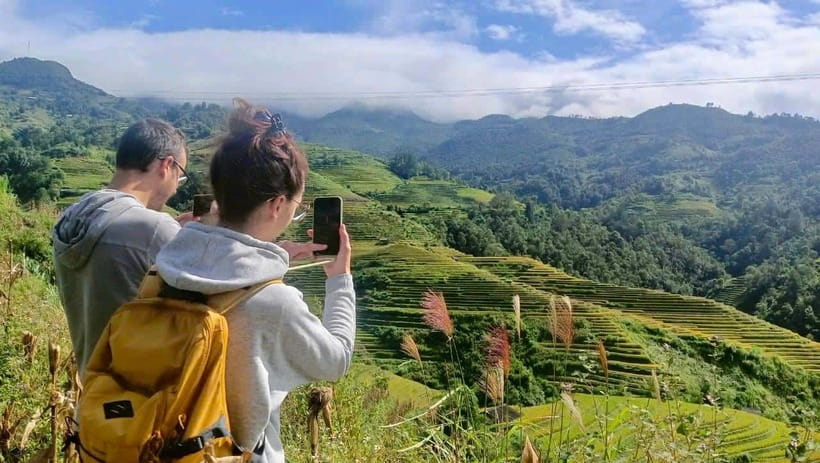
- Soft treks plus hands-on village time: you’re walking, meeting people, and trying simple farming activities.
- Khau Phạ Pass + Horseshoe Hill are built into the timing for big terrace views during harvest season.
- Homestays in stilt houses give you a real mountain-night rhythm, with dinners that focus on local flavors.
- Full 3-day structure with private transport keeps you flexible to stop for photos whenever the scenery asks for it.
Getting Out of Hanoi: Private Transport Saves More Than Time
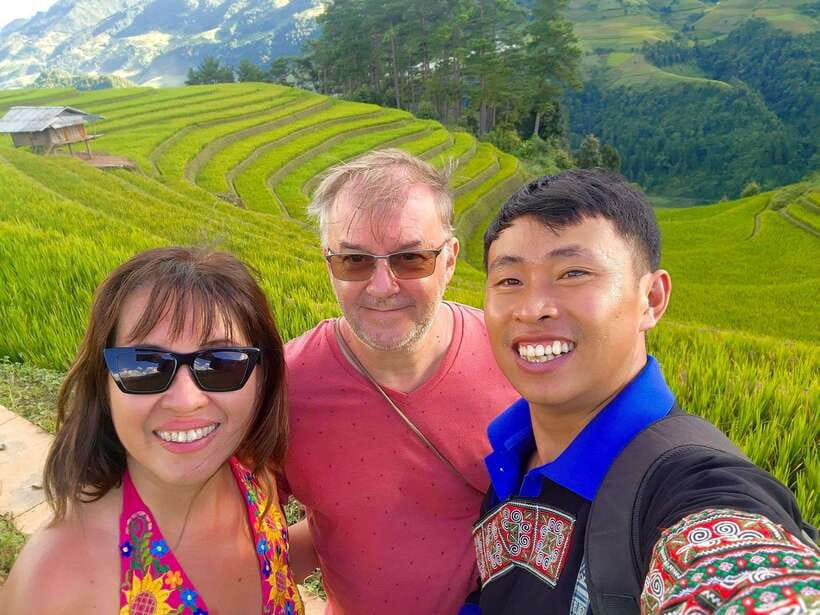
Hanoi to Mu Cang Chai is not a quick hop. You start with an early pickup from Hanoi Old Quarter (Hoàn Kiếm Lake area is also an option). The good news: you’re not juggling buses, unclear transfers, or hunting down drivers who might not get you where you actually need to go.
This tour uses private, modern air-conditioned transport with a safe driver, so you can stay comfortable on a long ride. You also get scenic breakpoints along the way to stretch, look around, and take photos without feeling rushed.
Why that matters: if you’ve ever tried to cobble together transport in Vietnam’s countryside routes, you know the real cost isn’t just money—it’s stress. Here, your day is planned, and you can focus on the scenery and the villages instead of logistics.
Practical note: road access can be tricky on weekends in the Old Quarter. In those cases, you may be dropped at the nearest reachable point instead of directly at your exact pickup spot. It’s still handled, but you’ll want to be okay with a short walk.
Day 1 (Hanoi → Nghĩa Lộ → Tú Lệ): Rice Fields, Springs, and Village Work
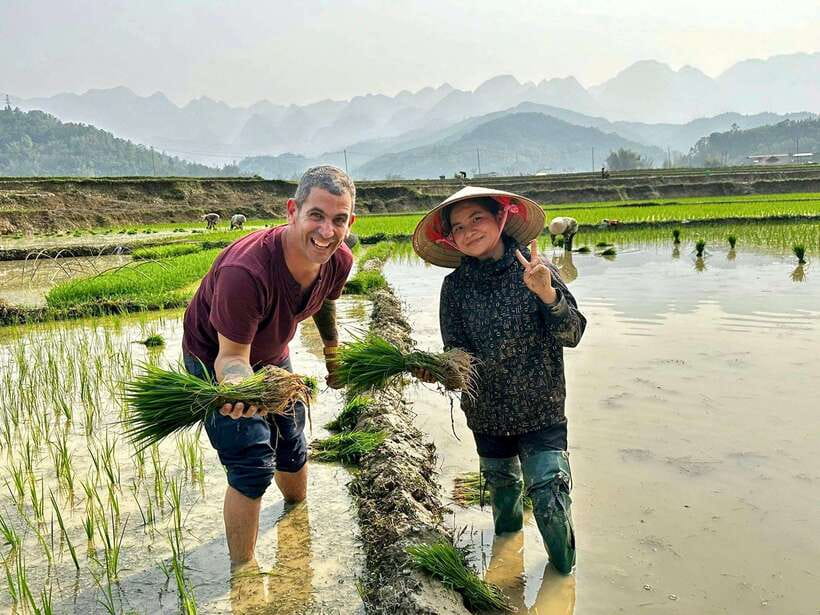
Day 1 is about transition and connection. You leave Hanoi at 7:30 AM with your local expert, then you’ll spend the late morning in the Yên Bái region.
Nghĩa Lộ lunch stop: warm meal, quick reset
Around midday you arrive in Nghĩa Lộ for a traditional lunch at a local restaurant. This is a simple but smart break in a long day: good food keeps your energy up, and it breaks the ride into something human.
You’ll also have photo and scenic viewing moments on the way, which helps you ease into the region instead of feeling like you’re just crossing a distance.
Tú Lệ valley: rice fields, springs, and ethnic village life
Afternoon time shifts into Tú Lệ, where you’ll explore rice fields and peaceful springs and visit authentic ethnic villages. This is where the trip becomes more than a “scenery checklist.”
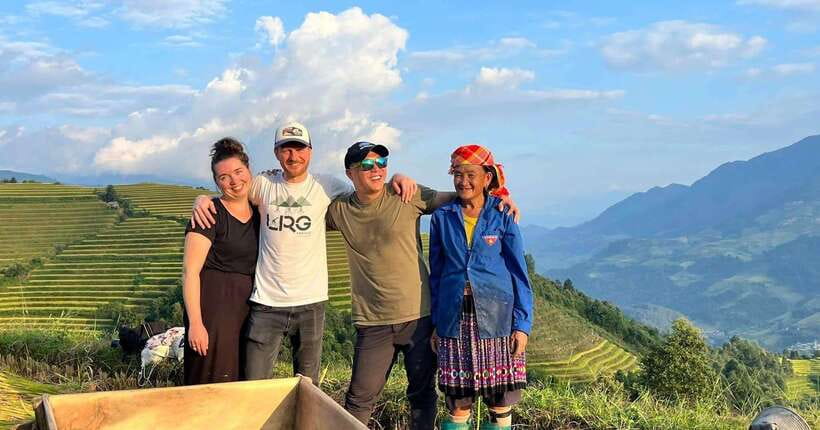
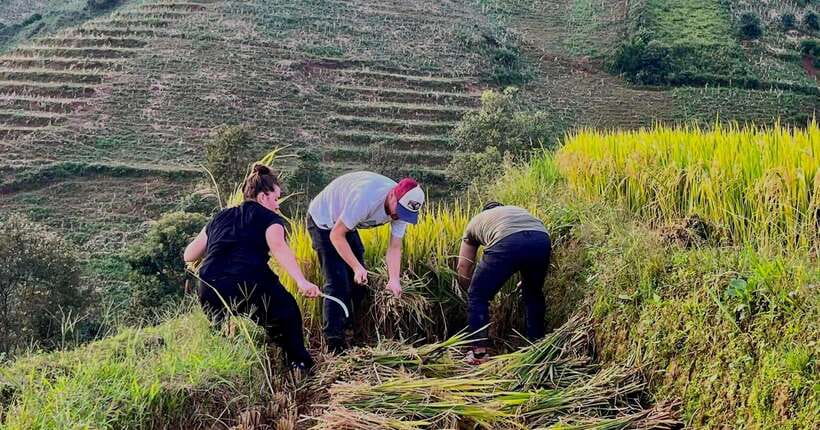
A standout on this day is the hands-on farming experience with Thai and Mong communities—things like rice planting or harvesting activities. This isn’t just a photo op. You’ll get a glimpse into how people manage mountain agriculture and daily routines.
What I like about this approach for you: it turns the terraces from something you look at into something you can understand. When you watch work done in the fields, you start noticing the details that make the landscape possible—paths, water management, and the sheer effort behind each terrace section.
Homestay night in a wooden stilt house
By early evening, check in at a cozy wooden stilt house homestay in Tú Lệ valley. Dinner follows with local specialties, plus cultural exchange with ethnic locals.
This part is important. Homestays can range from basic to meaningful, and here the emphasis is on cultural sharing. You’re not just sleeping; you’re part of the rhythm of the village for the night.
If you’re thinking about comfort: bring insect repellent and expect mountain air. Also, pack for layering because nights can feel cooler once you’re in the valley.
Day 2 (Tú Lệ → Khau Phạ Pass → Mù Cang Chải): Terraces, Pass Views, and Real Farming Days
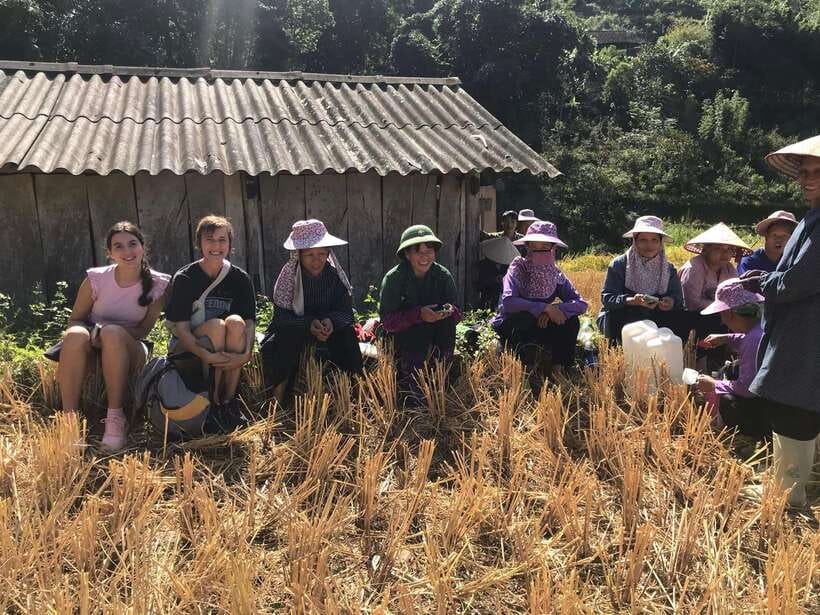
Day 2 is the “big scenery” day. It starts early—fresh mountain air, breakfast, and then straight into walking and viewpoints.
Soft trek through Lìm Mong and Lìm Thai villages
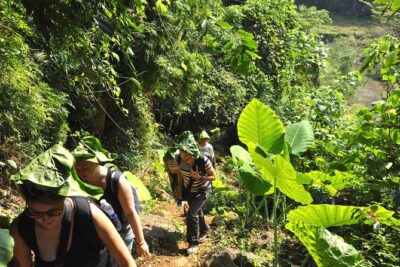
At around 8:00 AM, you head out for a soft trek to Lìm Mong and Lìm Thai villages, surrounded by rice terraces. You meet locals, learn about traditional farming techniques, and you get time for photos.
Even if you’re not a hardcore hiker, this trekking style tends to feel more like moving through daily life than doing a fitness challenge. The main goal is being present in the terraces and community spaces.
Khau Phạ Pass: one of Vietnam’s Four Great Passes
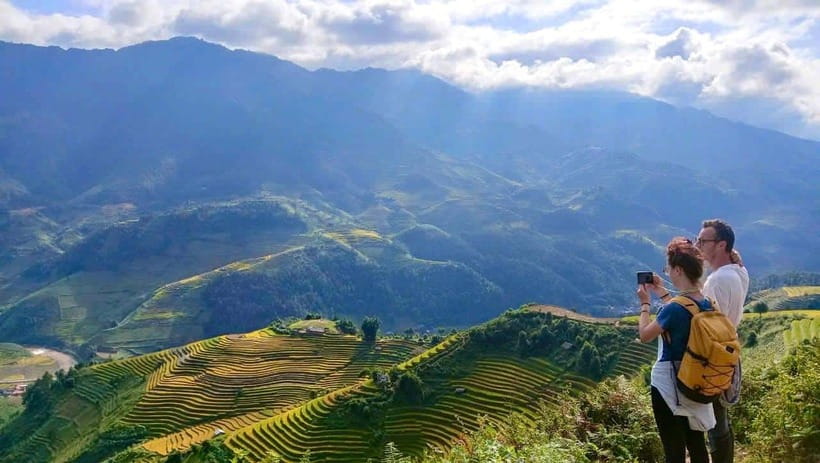
Later, you drive through Khau Phạ Pass, known as one of Vietnam’s Four Great Passes. You’ll stop for panoramic views of terraced hills, and there’s also a mention of paragliding spots nearby.
This stop works because it resets your eyes. After hours near village lanes and terraces up close, the pass gives you a wider perspective.
Arrive in Mù Cang Chải: homestay check-in and terrace trekking
You reach Mù Cang Chải by midday, check in at a traditional homestay, and enjoy lunch featuring fresh regional ingredients.
Then you’re back outside for afternoon trekking through Che Cu Nha and La Pan Tan—two areas known for some of the region’s most iconic rice terraces. You’ll interact with H’mong farmers and even try planting rice yourself.
That hands-on rice activity is a big deal for value. A lot of terrace tours stop at the edge of a viewpoint. Here, you get closer to how people work the land.
Evening: Thai chef dinner and fire-side cultural exchange
Dinner on day 2 is prepared by a skilled Thai chef, and then you’ll join a cultural exchange with traditional dances and storytelling by the fire.
This is the “slow down” portion of the schedule. After walking and driving all day, it’s the kind of evening that makes the trip feel personal instead of just scenic.
A practical tip: if you want photos, plan for low light. Bring your camera settings knowledge or just accept that some moments are best captured as memories, not perfect shots.
Day 3 (Mù Cang Chải → Horseshoe Hill → Back to Hanoi): The Harvest Views and the Final Walk
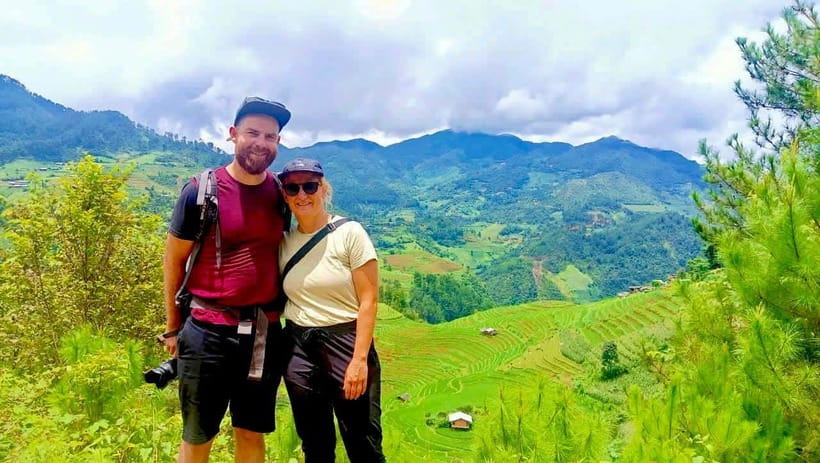
Day 3 keeps it focused. Breakfast first, then a highlight view, and then a return to Hanoi with a final meal break.
Horseshoe Hill at Sang Nhu Village
You visit Horseshoe Hill in Sang Nhu Village. This is a prime terrace viewpoint, especially during harvest season when the terraces can look golden.
If you’re planning around timing: terraces look different depending on season. Since the schedule specifically calls out harvest timing for golden views, aim for the right months if you can. If you can’t, you’ll still get strong views, but the color vibe may change.
Lunch on the way back (Nghĩa Lộ or Tú Lệ)
Around late morning you stop for lunch in Nghĩa Lộ (or Tú Lệ, depending on routing). This is another good energy reset before the long drive back.
Arrive Hanoi
You typically return to Hanoi around 5:30 PM and head to your hotel drop-off area in the Old Quarter.
If you like day trips that feel like a mini-adventure, this timing helps. You’re out for only three days, but you get real village time, multiple treks, and two homestays.
Food, Water, and Homestay Reality Check (What You’re Actually Paying For)
This trip includes a lot of your daily “life costs”: breakfast twice, lunch three times, and dinners twice. It also includes bottled water and something the tour calls happy water, a local wine.
Meal value is part of why the price can work. You’re not just buying transport and a guide; you’re also buying meals and entry/permit costs. For rural routes like this, those costs can add up quickly when you build your own plan.
Vegetarian food is available on request. If you have dietary needs, tell the provider ahead of time so meals can be planned.
Homestay experience is included as a private room based on twin. That’s important: you avoid the “shared room chaos” some budget homestay setups can create, and you still get the community setting that makes the experience worthwhile.
Price and Value: Why $193 Can Be a Good Deal Here
At about $193 per person for three days, the biggest value isn’t the total number—it’s what’s wrapped into it.
You get:
- Private air-conditioned transportation for the full route
- An English-speaking local guide
- Entrance fees and travel permits on frontier areas
- Homestay lodging (private room based on twin)
- Most meals (breakfasts, lunches, dinners)
- Support via a hotline and included travel insurance
Where this helps you: you’re paying for fewer moving parts. You’re not trying to coordinate separate drivers, negotiate the route, or lose half a day to uncertainty. That’s especially meaningful in areas where transport is not as straightforward as major tourist corridors.
Also, the route is long, and private transport reduces fatigue. When you’re tired, you don’t enjoy terraces, photos, or village conversations as much. This itinerary is built to keep you moving while still allowing stops for views.
Who This Trip Is Best For (and Who Might Want a Different Plan)
This style of Mu Cang Chai experience is best for you if:
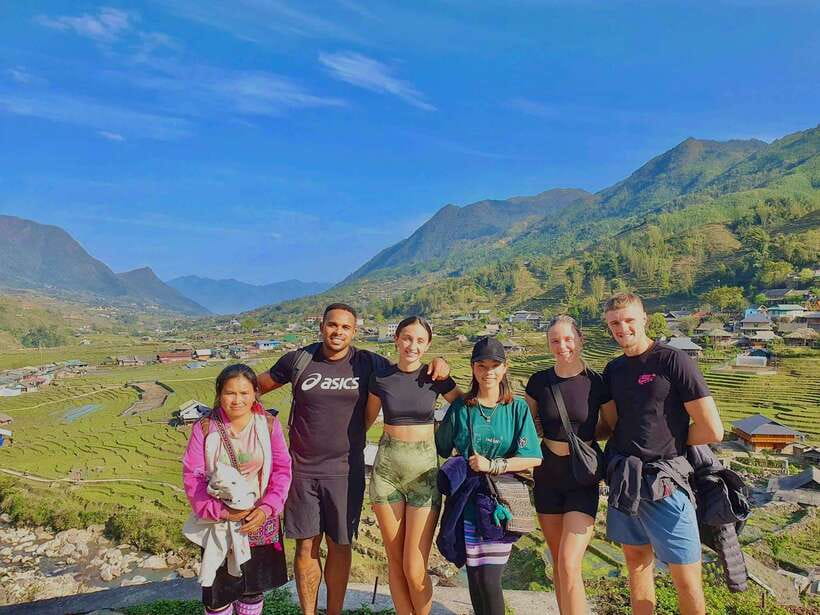
- you want a private group with a guide who can explain what you’re seeing
- you like rice terrace areas plus ethnic village life, not just scenic pull-offs
- you’re okay with soft trekking and a bit of outdoor time each day
- you prefer homestays over hotels, at least for part of the trip
You might want a different plan if:
- you hate long driving days (you’re on the road out of Hanoi and back)
- you expect an itinerary made only of flat, minimal walking (this includes trekking and hikes)
- you’re traveling during a period where weather could disrupt outdoor days (the tour runs daily, but it depends on good weather)
Gear and Comfort: What to Bring for Mu Cang Chai Walking
Bring the basics, because mountain weather and bugs can both get annoying.
Suggested items from the tour include:
- Hiking shoes (really important for terrace paths and village trails)
- Sunglasses and sun hat
- A jacket (layers matter)
- Insect repellent
- Camera
- Cash
- Weather-appropriate clothing
Also: pack light, but don’t forget a rain layer if your season is unpredictable. The schedule depends on weather, and you’ll be glad for a small comfort kit.
Should You Book This 3-Day Hidden Trail Trek from Hanoi?
I’d book it if your top priority is a guided, low-stress route that mixes terrace trekking with real ethnic village contact—plus stays in homestays. The private transport and English-speaking local expert make the difference between seeing places and understanding them. You also get major terrace highlights like Khau Phạ Pass viewpoints and Horseshoe Hill, without having to manage the driving.
If you’re flexible about the day’s pace and can handle a long road trip, this is strong value for three days in a region that’s tough to DIY comfortably.
FAQ
FAQ
What is the duration of this Hanoi to Mu Cang Chai trekking experience?
It’s a 3-day tour.
Where does pickup happen in Hanoi?
Pickup options include Hoàn Kiếm Lake and the Hanoi Old Quarter. The tour also notes that airport pickup is available 24/7.
Is the tour guide English-speaking?
Yes, you’ll have an English live tour guide.
What meals are included?
The tour includes breakfast twice, lunch three times, and dinner twice, following the itinerary. Vegetarian food is available on request.
Do I need to pay extra for entrance fees or permits?
Entrance fees and travel permits on frontier areas are included.
What kind of trekking is it?
You can expect soft trekking and hiking, plus village visits and hands-on activities like rice planting or harvesting.
What should I bring for the trip?
Bring hiking shoes, a jacket, sunglasses, a sun hat, insect repellent, a camera, cash, and weather-appropriate clothing.