REVIEW · ARUSHA
3 Days Mount Meru Trek
Book on Viator →Operated by MERU SLOPES TOURS AND SAFARIS · Bookable on Viator
Mount Meru grabs you because the trail is short but the experience feels big. You get wildlife right near Arusha with an armed ranger escort, plus a summit day timed for sunrise over the crater ridgeline. I also like the variety of terrain on the way up: streams, parkland, montane forest, giant heather, and moorland. The main drawback is that this is a tough, high-altitude trek packed into just 3 days, so you need solid fitness before you commit.
If your goal is to climb Kilimanjaro later, this route is a smart warm-up. The schedule builds acclimatization while still giving you that real summit feeling on Mount Meru, which reaches 4,568m. Just know the final day can mean a long stretch on your feet (often 12–14 hours of walking), especially with a 1:30 a.m. start.
In This Review
- Key highlights to know before you go
- Why Mount Meru is the Kilimanjaro warm-up you can actually fit
- Price and logistics: what you’re paying for (and what to budget extra)
- Day 1: Momela Gate to Miriakamba Hut, plus wildlife on the easy start
- Day 2: Saddle Hut to Little Meru, crater views that make the climb feel worth it
- Day 3: 1:30 a.m. start, Rhino Point and Cobra Point, then a sunrise summit
- Your guide and ranger setup: why this trek feels well-run
- What makes the itinerary “good value” in real life
- Who this trek suits best (and who may want a different option)
- Should you book this 3 Days Mount Meru Trek?
- FAQ
- What time does the trek start?
- How long is the Mount Meru trek?
- What’s included in the price?
- What’s not included?
- How high is the summit?
- Is pickup or transfer included?
Key highlights to know before you go
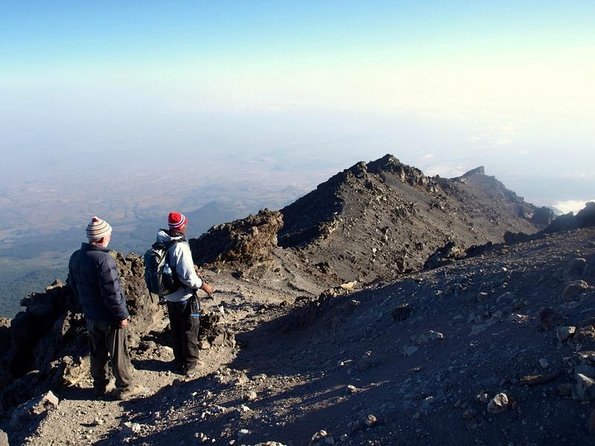
- Armed ranger escort from Momela Gate for wildlife spotting like elephants, zebras, giraffes, and more
- Meru Crater and Ash Cone views from the ridges on a steep, but scenic day
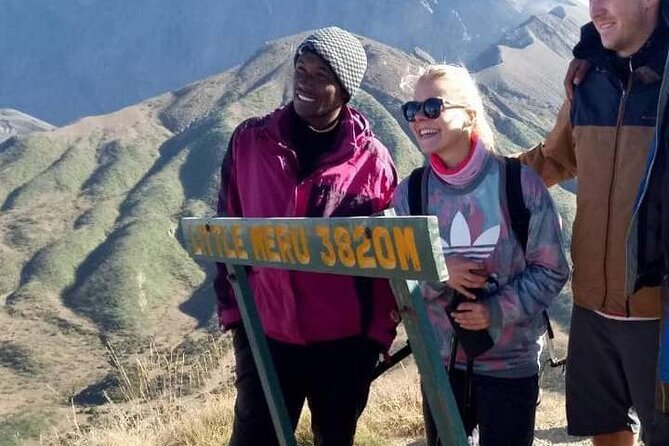
- Little Meru (3,820m) at sunset for a high payoff without an all-day slog
- 1:30 a.m. summit start with Rhino Point, Cobra Point, and a narrow ridgeline finale
- Kilimanjaro acclimatization in 3 days without committing to a longer trek
Why Mount Meru is the Kilimanjaro warm-up you can actually fit
Mount Meru sits near Arusha and is one of Tanzania’s great height tests at a pace that fits a lot of travel plans. It’s the third highest peak in Africa and the second-highest peak in Tanzania, topping out around 4,568m. That altitude matters because your body needs time to adjust before you try Kilimanjaro’s higher, longer climb.
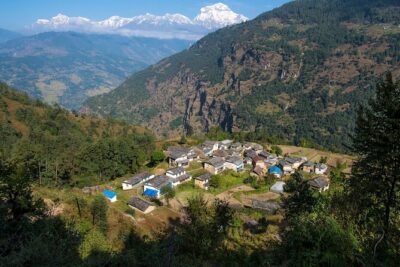
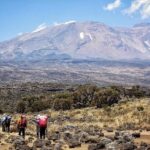
What makes this trek especially useful for future Kilimanjaro climbers is the route itself. You’re not just walking uphill—you’re moving through changing zones. The climb passes streams, then parkland, then montane forest, then a giant heather zone, and finally moorland. That variation isn’t just scenery. It changes how the hike feels underfoot and how your body reacts, which is exactly what you want in an acclimatization trek.
Even if Kilimanjaro isn’t on your agenda, Mount Meru has its own payoff. The summit route follows a narrow, barren ridgeline. On clear mornings, the crater views can be dramatic, and you can sometimes see Kilimanjaro Peak above the clouds from the sunrise timing window. You’ll be climbing for views, not just for distance.
You can also read our reviews of more tours and experiences in Arusha.
Price and logistics: what you’re paying for (and what to budget extra)
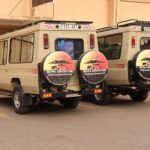
At $980 per person for a 3-day trek, the price isn’t just “a guide and a hike.” It includes the heavy essentials that often get added later elsewhere: all fees and taxes, guides and porters, cook salaries, and park fees. It also includes private transportation and arrival/departure transfers, plus meals (breakfast 3 times, lunch 3 times, dinner 3 times).
It’s also priced with a comfort factor that matters on summit days: the itinerary includes 2 nights accommodation in Arusha and the trek uses mountain huts for the overnights (Miriakamba Hut on Day 1, then Saddle Hut on Days 2 and 3). Even if you don’t love spending time in huts, having those set points helps you avoid the chaos of day-to-day planning.
Two extra costs you should plan for up front:
- Tips (not included)
- Tanzania visa costs $50 per person on arrival
Flights are also not included, whether they’re international or internal. If you’re combining this with safari or Zanzibar, map out your transfer times carefully so you don’t feel rushed right before a high-altitude climb.
Finally, timing matters with weather. This experience requires good weather. If it’s canceled due to poor weather, you should be offered a different date or a full refund. That’s important because you don’t want a “technically possible” trek that turns into a scramble.
Day 1: Momela Gate to Miriakamba Hut, plus wildlife on the easy start
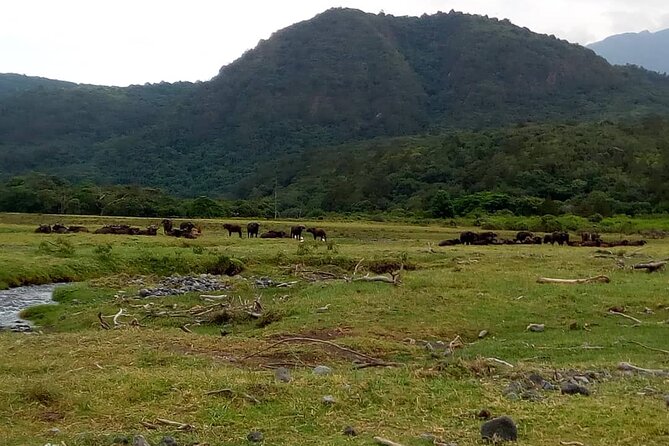
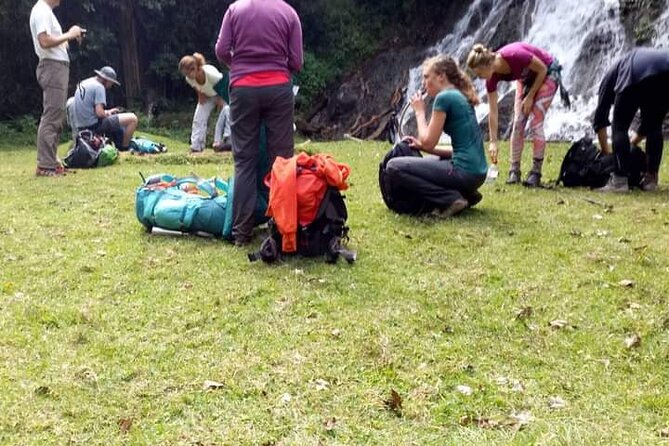
Day 1 is built to get you moving without wrecking you. You’ll drive from your Arusha hotel to Momela Gate, register briefly, then start walking with a full armed ranger escort. That escort is a big deal on this route—not for drama, but for practicality. It also sets the tone: you’re hiking in a park environment where wildlife is present.
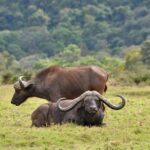
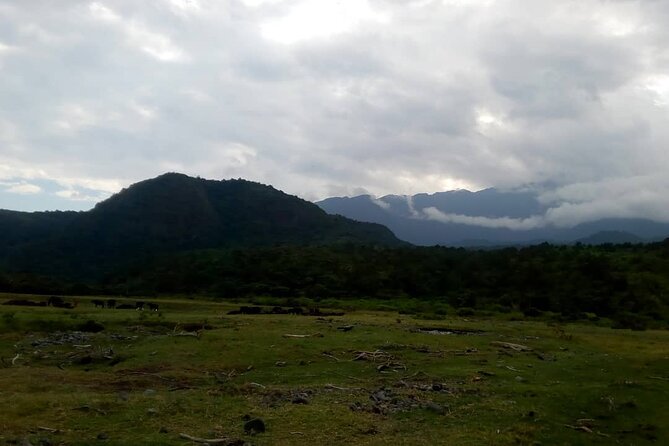
What I’d bet you’ll remember from Day 1 is how often you’re likely to see animals close to the trail. The route can include elephants, zebras, giraffe, monkeys, antelope, and sometimes elephants along the way. You’re not on a city sidewalk. You’re moving through a living landscape where the animals are truly part of the hike.
The hike ends at Miriakamba Hut for dinner and overnight. For most people, this is the “let your body wake up” day. You’re still gaining altitude and time, but you’re not doing the long, steep summit push yet. It’s a good first step if you’re trying to acclimatize intelligently.
Potential consideration: because this is early in the trek, it’s tempting to treat it like a warmup walk and go too fast. Don’t. If you feel like you can race, slow down anyway. This is the kind of trek where steady effort helps more than macho effort.
Day 2: Saddle Hut to Little Meru, crater views that make the climb feel worth it
Day 2 starts at Miriakamba Hut and takes you toward the ridge areas below Little Meru. The day’s walking is described as relatively short, but the climb is steep. That combination is common in high mountains: shorter distance, more intensity. You’ll feel it in your legs even when your total hours don’t look extreme on paper.
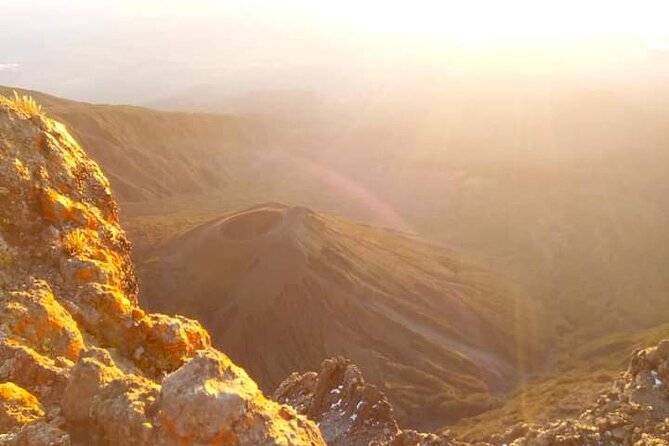
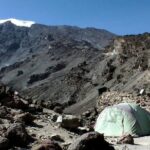
The route moves along a ridge with what can feel like constant “look, wow” moments. You’re treated to views of the Meru Crater and the impressive Ash Cone. If you like geology, this is the day that will make you study the views instead of just taking photos. The crater structure becomes part of how you understand the route.
You’ll stop for a hot lunch at Saddle Hut. That matters. On multi-day mountain hikes, a hot meal is a morale booster and it helps you eat enough to keep energy levels steady. After lunch, you get a short climb to the summit of Little Meru (3,820m) before sunset, which is timed so you can enjoy the light when the air tends to look clearer.
The Little Meru summit portion is often the “best return for your effort” segment of the day. You’re not spending all day grinding upward. You’re getting a high point and then returning to Saddle Hut for dinner and overnight.
Potential drawback: if you’re not used to steep trails, Day 2 can feel like it came on too fast. That’s the nature of ridge climbing. Your breathing may tighten even if you’re moving slowly. The right strategy is pace control: small steps, consistent rhythm, and no surges.
Day 3: 1:30 a.m. start, Rhino Point and Cobra Point, then a sunrise summit
Day 3 is the headline. You start extremely early, around 1:30 a.m., and you climb steeply to Rhino Point (3,800m). From there you continue to Cobra Point (4,350m) and then on to the summit at about 4,566m.
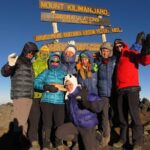
The purpose of this timing is sunrise. Reaching the summit on time is key, and there’s a possibility you can see Kilimanjaro Peak above the clouds. Even when Kilimanjaro isn’t visible, the crater ridgeline views and the feeling of being above the interior cliffs tend to make the early start worth it.
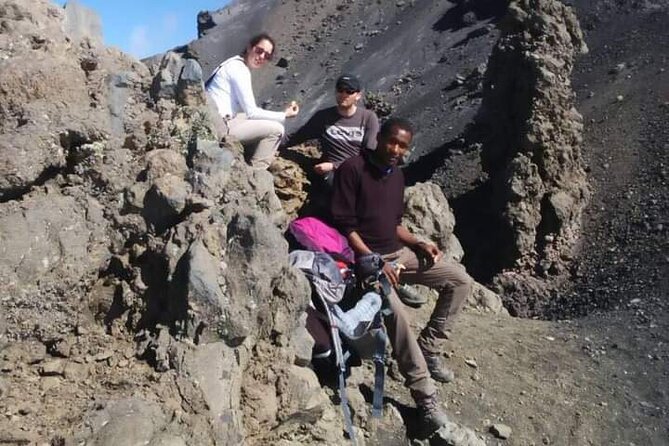
The final approach is described as a narrow ridgeline between the sheer inner cliffs and the sloping outer wall of the crater. That sounds intense because it is. This is where your footing matters and where “slow and steady” isn’t just advice—it’s how you keep the hike smooth and safe.
After a short rest and brunch at Saddle Hut, you begin the descent toward Momela Gate. This portion can be long: the Saddle Hut to summit to Momela Gate segment is listed as 12–14 hours of walking. That’s not a typo kind of number. You’re packing descent, getting back down in altitude, and finishing the trek the same day.
Practical consideration: Day 3 is physically demanding even if you’re a confident hiker, because it combines early hours, steep sections, and a long descent all in one. If you’re the type who hates long days, this is the point where you’ll feel it most.

Your guide and ranger setup: why this trek feels well-run
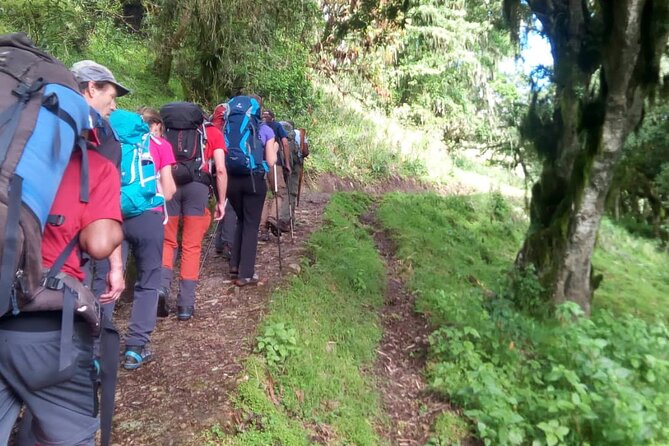
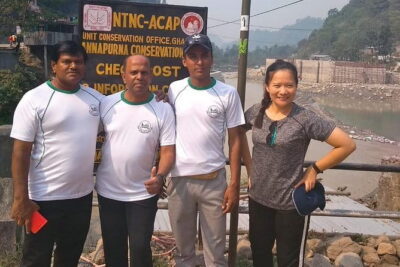
The strongest praise pattern in the experience is how organized the whole trip feels. The director Geofrey Nassari is noted for being responsive and helpful in setting things up, which matters when you’re dealing with visas, schedules, and high-altitude logistics.
On the mountain side, one guide name that comes up is William, described as patient and positive. That type of guiding is not about comfort talk. It’s about keeping the pace right, encouraging you through tough moments, and helping you keep your focus during the early push and steep sections.
Also, your Day 1 start includes an armed ranger escort. That adds a layer of structure on the trail and can help you stay calm and attentive instead of wondering what rules apply. You get to hike in a park environment with animals present, and the system supports that reality.
Even if you’re experienced outdoors, it’s worth valuing this. Good guiding on Mount Meru can mean the difference between feeling stressed and feeling in control.
What makes the itinerary “good value” in real life
This trek is priced so that you’re not piecing the experience together. You’re not paying a separate amount for park fees, for the mountain hut plan, or for the staff who keep you moving. Many treks look similar on the outside, but pricing only feels fair when the non-obvious costs are already handled.
Here’s what stands out as value for the money:
- Private transportation and transfers, so you’re not waiting around in Arusha
- Guides, porters, and cook salaries handled in the package
- Meals built into each day, including hot lunch and dinner routines
- Park fees and admission ticket included, so you don’t get surprise add-ons
You also get a focused route. You’re not wandering for days. You’re climbing ridges, hitting a summit moment on Little Meru, then aiming for sunrise on the main summit. That structure is perfect if you want acclimatization for Kilimanjaro without turning your entire trip into a long mountain season.
Who this trek suits best (and who may want a different option)
This is aimed at people with strong physical fitness. If you’re used to multi-day hikes, you’ll likely find it challenging but manageable. If you’re brand-new to hiking mountains for more than a day, you can still do it, but you should go in with realistic expectations. The trek is short, and that makes the effort intense.
This is also a good fit if you want to combine mountain time with safari and beach time. Mount Meru sits close enough to Arusha that you can realistically stack it with other parts of Tanzania, rather than turning your trip into only hiking.
What you should consider before you book:
- Day 2 includes a steep ridge climb even though it’s described as short
- Day 3 is long (12–14 hours walking) after a 1:30 a.m. start
- Altitude is a factor, and your pace will need to be slow and steady
If you know you struggle with early mornings or long walking days, you might find a longer acclimatization option more comfortable. A 4-day alternative is suggested as a better match for people new to multi-day trekking in at least one previous experience.
Should you book this 3 Days Mount Meru Trek?
Book it if you want a high-impact acclimatization trek that doesn’t eat your entire vacation. The combination of wildlife potential with ranger escort, crater and Ash Cone views, and a sunrise summit attempt makes it a very “worth it” mountain itinerary for its length.
Don’t book it (or at least reconsider) if you’re hoping for an easy hike or if you’re not ready for steep sections plus a long final day. This trek is compact and demanding, and your success depends on pace, endurance, and getting enough rest.
If you do book, go in knowing the goal isn’t speed. The goal is steady climbing, smart acclimatization, and arriving at the summit feeling like you controlled the day—not survived it.
FAQ
What time does the trek start?
The meeting/start time is listed as 8:00 am.
How long is the Mount Meru trek?
The duration is listed as 3 days (approx.).
What’s included in the price?
The price includes all fees and taxes, private transportation, 2 nights accommodation in Arusha, arrival and departure transfers, guides, porters, cook salaries, and park fees. It also includes meals (breakfast 3 times, lunch 3 times, dinner 3 times) and the admission ticket.
What’s not included?
Tips are not included. The Tanzania visa cost is listed as $50 per person on arrival. International and internal flights are also not included.
How high is the summit?
The summit is listed at about 4,566 m.
Is pickup or transfer included?
Yes. Private transportation plus arrival and departure transfers are included, with pickup offered.