REVIEW · KATHMANDU
12 Days Trek Tour in Nepal
Book on Viator →Operated by Mountain Delights Treks & Expeditions · Bookable on Viator
A quieter trek awaits in Nepal. Mohare Danda is a newer route in the Annapurna region, built around community-based lodges and a sense of calm you rarely get on the well-trodden trails. You’ll hike for days with big mountain moments, but also with daily life—farms, schools, and village hospitality—right alongside the scenery.
I love the way this trip handles the hard parts for you. Trek planning is simplified with shared logistics, a professional guide team, and even loan gear like a down jacket and sleeping bag (so you’re not stuck buying winter gear before you arrive). Many Mountain Delights treks have credited staff like Baburam, Mingur Sherpa, and Purna for keeping groups safe and moving well, including helping slower walkers feel comfortable.
One consideration: this is still a mountain trek. You need moderate fitness, and there’s a tougher day with about a 1,000-meter climb as you work toward Mohare Danda.
In This Review
- Key things I’d bookmark before you go
- Mohare Danda’s quieter magic in Nepal’s Annapurna region
- Your 12 days, step by step: from Kathmandu calm to ridge-top mornings
- Kathmandu without the jet-lag blur: temples, stupa, and Durbar Square lanes
- The road to Pokhara: long drives, useful decompression time
- Trek days 4–6: rivers, Magar villages, and the climb toward Mohare Danda
- Sunrise on Mohare Danda, then back toward Deurali and the busier Gorepani area
- Ghandruk village culture and the end-of-trek descent to Pokhara
- Gear, permits, and the guide team: where the package earns its money
- Price and value: what $1,500 buys beyond the badge
- Who should book Mohare Danda (and who should reconsider)
- Should you book this Mohare Danda trek?
- FAQ
- FAQ
- What’s the main trek experience on this tour?
- How crowded is the Mohare Danda trek?
- What fitness level do I need?
- Is trekking gear included?
- Which permits are included?
- What’s included for hotels and meals?
- How big is the group?
- What’s the cancellation policy if weather is bad?
- Does the tour include sightseeing in Kathmandu and Pokhara?
Key things I’d bookmark before you go
- Less-crowded Mohare Danda route: a newer trekking path where you’re more likely to find quiet trail time.
- Community lodges and village visits: you sleep in eco-focused guesthouses and connect with local life, including Magar communities.
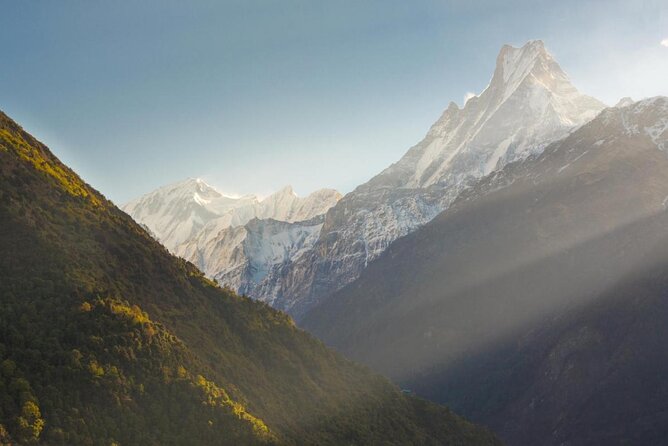
- Big sunrise payoffs: Machapuchre, Annapurna, Dhaulagiri, plus classic views from Mohare Danda and nearby ridges.
- Gear loan included: down jacket, sleeping bag, fleece liner, plus a duffel bag—helpful if you travel light.
- Permits handled: Annapurna Conservation Area Permit (ACAP) and TIMS are included in the price.
- Group size capped: maximum 16 travelers, so you’re not swallowed by a huge crowd.
Mohare Danda’s quieter magic in Nepal’s Annapurna region
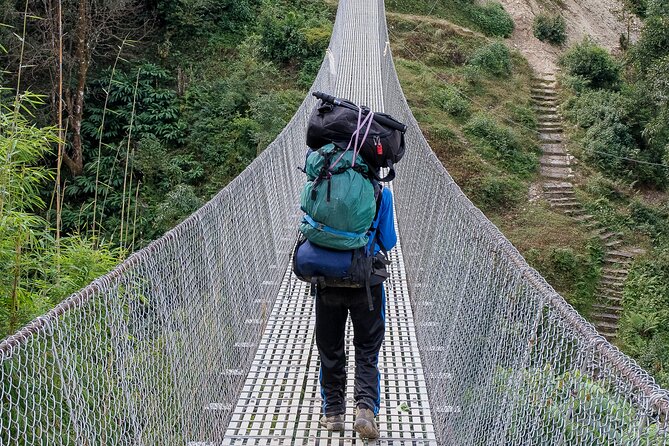
If you’ve ever daydreamed about trekking Nepal without feeling like you’re stepping through a line at a theme park, Mohare Danda is your style. The route is described as newly discovered and generally less crowded, which matters because the trek isn’t just about pictures. It’s about sound—birds, footsteps, voices from nearby houses—rather than constant passing traffic on the trail.
This trek also leans into something practical: you sleep and eat at community-run lodges and eco-focused places, not just generic stopping points. That’s why it feels different from the standard lodge-to-lodge treadmill. You’ll be moving through rural Nepal where farming, school life, and everyday routines shape the day as much as the weather does.
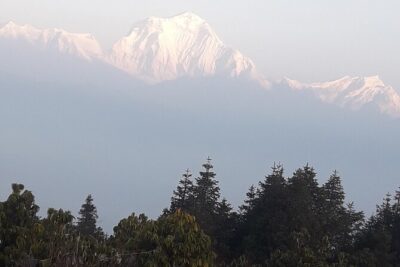
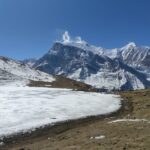
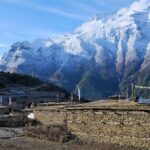
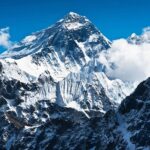
And yes, the mountains are the main event. The view list is strong: Machapuchre, Annapurna, Dhaulagiri, plus the famous Annapurna South and Himchuli angles around the Ghandruk area. You’ll time at least one morning and one late-day viewpoint around sunrise and sunsets, when light changes the whole tone of the ridgelines.
You can also read our reviews of more tours and experiences in Kathmandu.
Your 12 days, step by step: from Kathmandu calm to ridge-top mornings
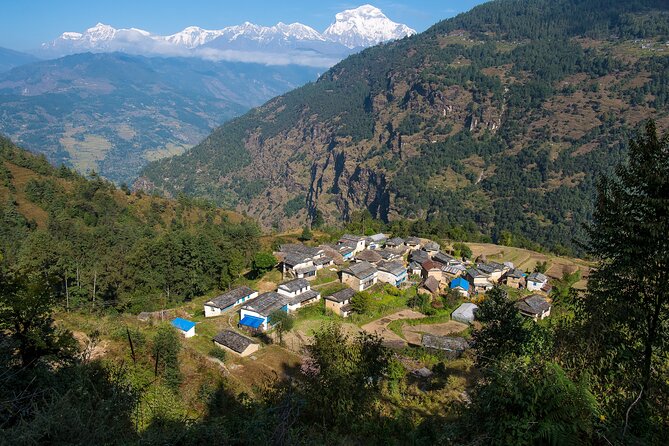
This trip runs about 12 days and blends city time with real walking. You start in Kathmandu, get oriented, then head west to Pokhara before your trekking legs begin. The trek portion moves steadily toward Mohare Danda, then transitions into a descent and village finish, ending back in Pokhara for sightseeing and flights.
Here’s the rhythm you can expect:
- Day 1 (Kathmandu): arrive, meet the representative, transfer to your hotel, then ease into Thamel for food, gear shopping, or simple wandering. You’ll also get a trip briefing at the office.
- Day 2 (Kathmandu Valley): guided sightseeing at Pashupatinath and Boudhanath, two of the most important spiritual sites in the valley, including UNESCO-listed Pashupatinath.
- Day 3 (Drive to Pokhara): a long mountain highway drive early, then a lighter day at lakeside Pokhara.
- Days 4–9 (trek): start with a drive to the trailhead area (Galeshwor), then walk through villages and forest, reaching Mohare Danda for peak viewpoint time, then finishing through places like Deurali and Ghandruk before dropping down to the final village area.
- Day 10 (Pokhara to Kathmandu): sightseeing in Pokhara plus an included flight back to Kathmandu.
- Day 11 (Kathmandu streets): markets and courtyards, including Kathmandu Durbar Square and narrow-lane areas tied to historic royal quarters.
- Day 12 (fly home): transfer to the airport about 3 hours before departure.
That pacing matters. You don’t jump into long hikes immediately. Instead, you build from city rhythm to a day of driving, then ramp into trekking days with clear progression.
Kathmandu without the jet-lag blur: temples, stupa, and Durbar Square lanes
Kathmandu can feel chaotic on arrival. This plan helps you get your bearings fast without cramming everything into one exhausting day.
On your second day, you visit Pashupatinath Temple and Boudhanath Stupa. Pashupatinath is devoted to Lord Shiva and holds huge significance during festivals like Shivaratri. The Bagmati River right next to the temple is also important for religious rituals. Boudhanath is a massive Buddhist stupa, with a different atmosphere—more meditative, more slow-moving.
Then your final Kathmandu day shifts the vibe from monumental landmarks to street-level history. You’ll walk through areas around Ason market and Indrachowk (including glass bead shopping), plus New Road and Kilagal. The tour also includes temple stops inside family courtyards, which is a smart way to understand how the city’s spiritual life works on a daily basis.
You’ll also visit Kathmandu Durbar Square, a former royal administrative center. It’s the kind of place where you’ll notice details you would normally miss if you only skimmed from taxi to entrance gate.
The road to Pokhara: long drives, useful decompression time
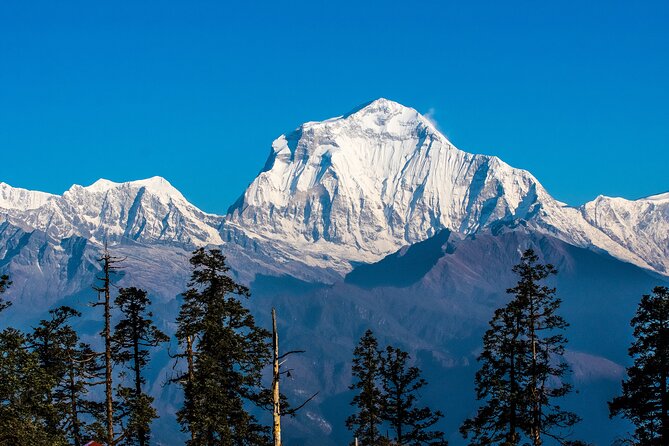
On the way from Kathmandu to Pokhara, you’ll spend around 7 hours on a winding mountain highway. That’s not short, but it’s not wasted time either. It’s a decompression buffer. After you arrive in Nepal, you get enough mental energy back to enjoy lakeside Pokhara without feeling wrecked.
Pokhara itself is a good staging point because it’s both scenic and practical. On your first Pokhara day, you can keep it light: lakeside strolling, local food, and optional viewpoints nearby. Then later in the trip, you get a second, more structured Pokhara day with famous stops like Devi’s Fall, Gupteshwar Cave, and the International Mountain Museum, which is geared toward mountaineering and Himalayan exploration themes.
This matters for value. A lot of trek packages only give you a quick look at Pokhara. Here you actually get time to learn and reset before your flights.
Trek days 4–6: rivers, Magar villages, and the climb toward Mohare Danda
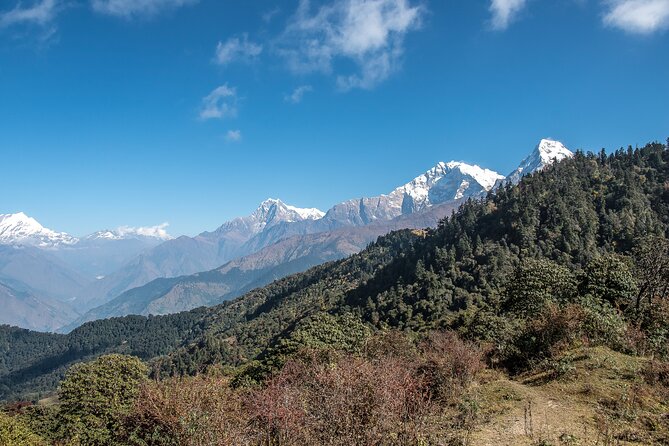
Once you start trekking, you’ll move in a way that feels tied to local geography and community life.
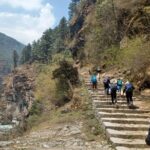
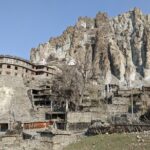
Day 4 begins with a drive from the Kathmandu-Pokhara region to Galeshwor, then your first walking segment toward Bas Kharka. The route follows the bank of the Kali Gandaki River, and the walk includes a bridge crossing early on. You’ll pass villages and farmland scenes that feel lived-in rather than staged. That night, you stay at an eco community lodge.
Day 5 continues with a longer walk to Nangi. This is one of the more culturally flavored days. The area is described as inhabited by Magar people, one of the largest ethnic communities in Nepal, with a distinct language and culture. You’ll also explore organic farms and visit a school in the latter afternoon. Even if you keep your contribution simple—smiling, listening, taking it all in—that school stop can be one of the most grounding moments of the trek.
Day 6 is the hardest day in the walking portion. You head toward Mohare Danda, the trek’s final destination, and the climb is significant—nearly 1,000 meters of gain. The trail goes through forest and is paired with mountain views that include Machapuchre, Annapurna, and Dhaulagiri. This is the day where you’ll feel your legs working, but it also sets up the big viewpoint payoff.
If you’re the kind of traveler who likes a challenge but hates suffering for suffering’s sake, this is a fair trade. The climb is tough, but it’s tied to a destination with meaningful reward.
Sunrise on Mohare Danda, then back toward Deurali and the busier Gorepani area
On Day 7, you wake for sunrise. That morning is described as mesmerizing over the Himalayan peaks, with clear spotting of Machapuchre, Dhaulagiri, and Annapurna plus smaller surrounding peaks.
Then you walk to Deurali. The trail passes Gorepani, which is popular and more busy in the Annapurna region, especially because of sunrise trekking from Poon Hill above the town. You don’t get Gorepani as a full-time destination here, but you do get a taste of the contrast. Some days are peaceful; some sections feel more like a shared trekking lane.
This is worth noting for expectations. The Mohare Danda route aims for quieter trail time, but the Annapurna region has hubs. If you’re sensitive to crowds, plan mentally for a shift in atmosphere around Gorepani, then relax again as you move away from it.
Ghandruk village culture and the end-of-trek descent to Pokhara
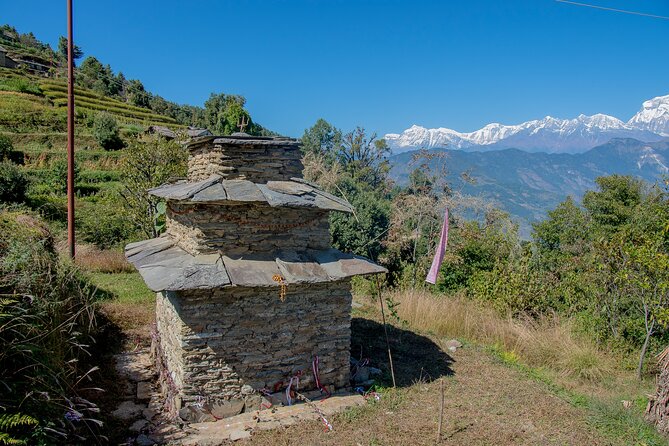
Day 8 walks you to Ghandruk through forest and into a village area known for its views. When you reach Ghandruk, you can see Annapurna South and Himchuli, plus surrounding peaks that make the area a long-time favorite among trekkers.
You’ll also spend time with the Gurung museum and culture. This kind of stop is more than a checkbox. It helps explain why Ghandruk has become a cultural touchstone, not just a photo stop.
Day 9 brings the end of the trekking. After breakfast and enjoying the view of Annapurna South, Himchuli, and Fishtail close up, you descend to Ghandruk Bensi or Syaulibazar along the Madi River. The trek finishes there, and then you drive to Pokhara for about 2.5 hours.
That transition day is practical. Instead of dragging yourself into another long hike, you close trekking legs, then move into comfort and food. In my view, this is how a good trekking company protects your energy so the trip ends with satisfaction, not exhaustion.
Gear, permits, and the guide team: where the package earns its money
Let’s talk about the included stuff, because it’s not filler.
You get trekking gear loaned for the trek: a down jacket, sleeping bag, fleece liner, and a duffel bag. If you travel with limited luggage, this can be a real cost saver and a comfort upgrade. It also means your nights should be warmer and easier to manage, especially if temperatures drop.
You also get a trekking team: a professional trekking guide, porter, and assistant guide. You’re maxed at 16 travelers, so it’s not a huge crowd for your guide to manage. That typically translates into faster problem-solving if weather shifts or you’re moving at a slower pace.
Permits are included too: ACAP (Annapurna Conservation Area Permit) and TIMS (Trekkers’ Information Management System), plus government taxes. That’s important because permits are a must-do in this region, and sorting them out on your own after you land is a headache you don’t need.
From the operator’s broader track record, the standout theme is care plus organization. In prior Mountain Delights experiences, guides such as Baburam, Mingur Sherpa, and Purna have been credited with keeping people safe, managing details smoothly, and supporting slower walkers without drama. One reason I trust that matters: trekking goes from fun to stressful quickly when logistics wobble.
Price and value: what $1,500 buys beyond the badge
At $1,500 per person for a roughly 12-day program, you’re paying for more than walking days. You’re buying a full support system: city transfers, hotel nights with breakfast in Kathmandu and Pokhara, trekking staff and their transportation and support, permits, and the trek loan gear.
Not included are two items you should budget for early: lunch and dinner in Kathmandu and Pokhara, plus expected tips for the guide, porter, and driver. The trip includes breakfasts throughout the hotel parts, plus trekking food, drinks, lodging, and staff support on the hiking segment.
Here’s the value math that usually makes or breaks trekking deals:
- If you had to rent cold-weather gear locally or ship it yourself, costs can rise fast.
- If you had to organize permits, guide, and transfers yourself, you’d lose time and risk mistakes.
- If you’re paying for a quieter trail and community-based lodges, you’re not just chasing mountains—you’re funding local operations along the route.
In other words, the price is easier to justify if you like a structured trip where someone handles the moving parts so you can focus on the walking and the view.
Who should book Mohare Danda (and who should reconsider)
This trek is built for travelers with moderate physical fitness. You’ll do multiple full trekking days, including a tougher climb with about 1,000 meters of ascent on the way to Mohare Danda.
You’ll likely enjoy it most if you:
- want quiet trail time rather than constant crowds
- like cultural encounters tied to daily village life (farms, schools, museum/culture stops)
- prefer having a guide and porter team managing the details
- can handle a long drive day and a couple of long walks
You might rethink it if you’re looking for a mostly flat stroll. Even though the daily durations aren’t always extreme, the uphill day toward Mohare Danda is real work. Also, you’re in a group up to 16, so it’s not the private guide experience.
One more practical note: the trek requires good weather. If conditions are poor, the operator can move you to a different date or issue a full refund under the listed policy terms.
Should you book this Mohare Danda trek?
I’d recommend booking if your priority is a quieter Annapurna trek with real community connection, solid support, and sunrise mountain views that feel earned. The combination of less-crowded trail style, community lodges, and included gear plus permits makes it a strong value package for people who want less stress and more experience.
If your top priority is total freedom and total crowd control, then any route in the Annapurna region may feel mixed because areas like Gorepani are popular. But if you’re okay with brief exposure to that busier side, Mohare Danda’s overall calmer mood still comes through.
FAQ
FAQ
What’s the main trek experience on this tour?
This is a trek in the Annapurna region focused on Mohare Danda, with community-based lodges and multiple viewpoint days. You also spend time in Kathmandu and Pokhara with guided sightseeing.
How crowded is the Mohare Danda trek?
The route is described as less crowded than many popular treks. You may still pass through more popular areas in the Annapurna region, such as Gorepani.
What fitness level do I need?
The tour says you should have moderate physical fitness. There is a harder trekking day with about a 1,000-meter climb on the way toward Mohare Danda.
Is trekking gear included?
Yes. The included trekking gear loan includes a down jacket, sleeping bag, fleece liner, and a duffel bag.
Which permits are included?
The tour includes the Annapurna Conservation Area Permit (ACAP) and TIMS.
What’s included for hotels and meals?
Hotels in Kathmandu and Pokhara are 3-star standard with breakfast included. Lunch and dinner in Kathmandu and Pokhara are not included, while trekking lodging and food are included during the hiking portion.
How big is the group?
The tour has a maximum of 16 travelers.
What’s the cancellation policy if weather is bad?
The tour requires good weather. If it’s canceled due to poor weather, you’ll be offered a different date or a full refund. You can cancel up to 24 hours in advance for a full refund; within 24 hours, refunds aren’t available.
Does the tour include sightseeing in Kathmandu and Pokhara?
Yes. You’ll visit major sites in Kathmandu, including Pashupatinath and Boudhanath, and you also tour Kathmandu’s historic lanes and Durbar Square. In Pokhara, you can visit places like Devi’s Fall, Gupteshwar cave, and the International Mountain Museum.