REVIEW · SICILY
Etna Southern Slope Guided Easy Trek
Book on GetYourGuide →Operated by Sicily Touring Tour Operator · Bookable on GetYourGuide
Etna is a walkable science lesson. This southern slope trek starts around 1900 m near Rifugio Sapienza and takes you around crater areas tied to major eruptions, including the 2001 eruption and its volcanic fracture. What I especially like is how the guide turns the ground itself into the story, and how the route stays manageable with smart pacing. One thing to consider: it runs only in fair weather, so if rain or storms roll in, this trek won’t happen.
For your money, you get a live nature guide focused on volcanology, with the freedom to stop, look, and ask questions as you go. The route is described as medium difficulty, and it’s not a sit-and-snap kind of outing: you’ll be walking over volcanic terrain toward multiple crater areas and viewpoints. If you’re prone to motion sickness or you have heart issues or limited fitness, this is one to think twice about.
In This Review
- Key highlights
- Mount Etna’s southern slope trek: what you’re really signing up for in 2.5 hours
- From Rifugio Sapienza to the upper craters of Monti Silvestri
- Connecting 1766, 1892, and 2001: seeing how Etna writes history in rock
- Walking the 2001 lava and reaching the volcanic fracture that triggered it
- Calcarazzi craters and the Silvestri overlook: your end-of-trek view in context
- The guide matters: Mario and Thomas set the tone with fast, practical explanations
- Weather rules and what to pack for volcanic terrain
- Price and value: is $46 for Etna’s southern slope worth it?
- Should you book the Etna Southern Slope Guided Easy Trek?
- FAQ
- How long is the Etna Southern Slope Guided Easy Trek?
- Where do I meet the guide?
- What is included in the price?
- What should I bring with me?
- Does the tour run in rainy or stormy weather?
- Is this trek suitable for people with heart problems or low fitness?
Key highlights
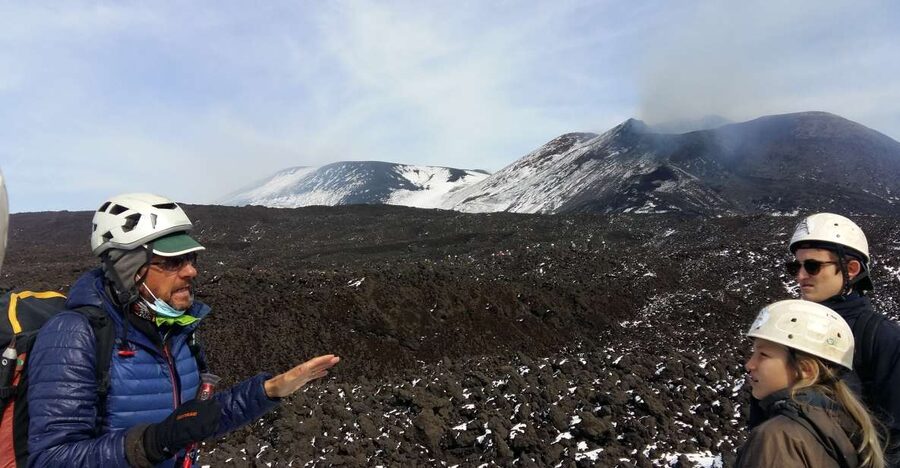
- Rifugio Sapienza starting point at about 1900 m, with easy access to Etna’s southern-slope area
- Silvestri Craters and upper crater walks as you move through the Monti Silvestri area
- Eruption route logic that connects 1766, 1892, and 2001 evidence across the trail
- 2001 volcanic fracture site plus lava walking tied directly to that eruption
- Big end-view payoff from the highest point of the upper Silvestri craters toward Catania’s Ionian coast
Mount Etna’s southern slope trek: what you’re really signing up for in 2.5 hours
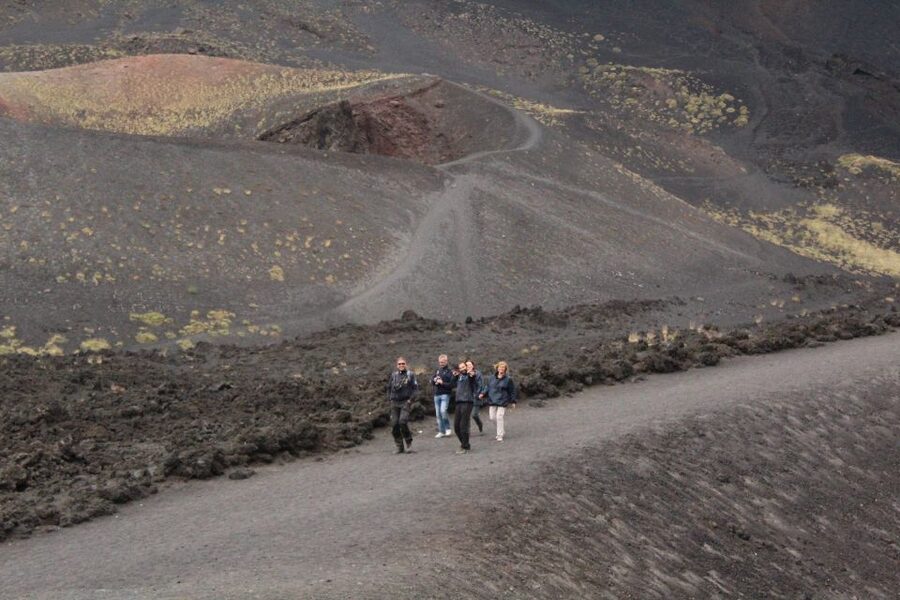
This isn’t a long hike. It’s a tight, guided loop built for understanding how Etna changes over time, using the southern part of the volcano as your classroom. You start at Rifugio Sapienza (right next to the Etna cable car departure station on the southern slope), then you’ll spend about 2.5 hours moving through a chain of crater zones and eruption remnants.
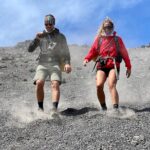
The “easy” part is more about flow and time than about flat ground. You’re trekking at altitude, around volcanic surfaces, and crossing areas that can feel like they belong on another planet. The guide’s job here matters: they help you keep track of what you’re seeing and why it matters, from eruption to eruption.
In practice, this kind of tour fits best if you want value in a short time window and you like learning while you walk. If your goal is a gentle stroll with minimal exertion, you might find the terrain more demanding than expected—even though it’s guided and paced.
You can also read our reviews of more tours and experiences in Sicily.
From Rifugio Sapienza to the upper craters of Monti Silvestri
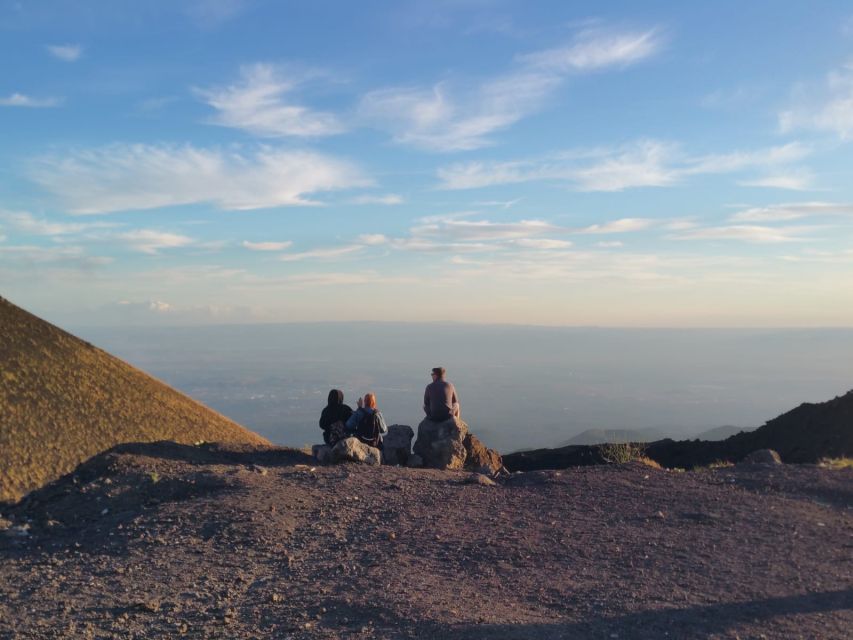
After meeting inside the Esagonal bar (look for the flag with the Sicily Touring symbol and the guide greeting you), you head out from the Rifugio Sapienza area, starting at roughly 1900 m. This matters because altitude changes the feel of the hike and often makes the views clearer, especially when conditions are stable.
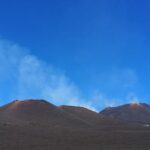
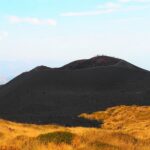
Your early movement goes through the southern Etnean terrain tied to major eruptions. The route crosses into the upper craters of the Monti Silvestri, which is one of the most interesting parts of the experience because it forces you to look at Etna as a sequence, not a single event. You’re not just looking at one crater—you’re walking near crater areas and reading their shapes as part of a bigger pattern.
One practical benefit: being on a guided path means you’re less likely to wander in circles and more likely to hit the spots that tell the story. You’ll also get time to stop and look from positions that make the crater terrain easier to understand.
Connecting 1766, 1892, and 2001: seeing how Etna writes history in rock
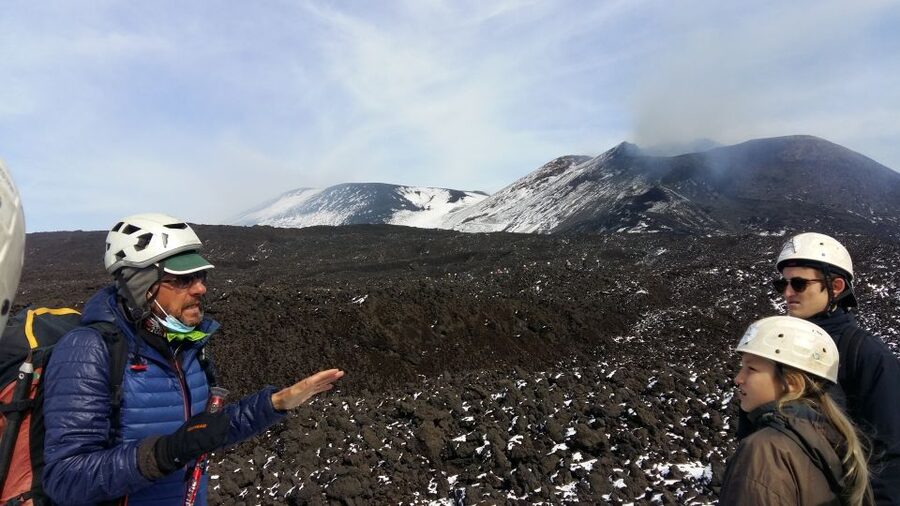
Etna’s eruptions are not random chaos. This trek is structured to connect 1766, 1892, and 2001 as clear chapters you can physically move between. You’re taken through areas described as evolving from those eruption periods, and that’s where the guide earns their keep.
Here’s what you’ll notice as you walk. The trail takes you through places where volcanic material has hardened into fields and edges you can follow on foot. When you move from one eruption-related area to the next, you’re basically watching how time leaves different signatures on the ground.
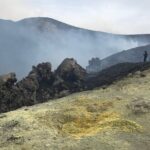
The 2001 segment is a highlight because the tour includes time walking on the lavas from that eruption. That changes the feeling of the hike: it’s one thing to hear about lava, and another to step across it as part of the route. Even in a short outing, it makes volcanology feel concrete.
And yes, the tour is described as medium difficulty, so you’ll want proper hiking shoes and enough water to stay comfortable. The good news is the guide’s pacing is built into the experience, not left to luck.
Walking the 2001 lava and reaching the volcanic fracture that triggered it

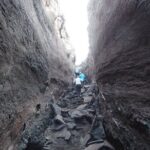
The middle of the trek leans into the “how” of eruption mechanics. You’ll cross lavas of the 2001 eruption and then reach the volcanic fracture that generated it. That’s the part of Etna that turns the story from dramatic scenery into cause-and-effect.
Why this matters to you: seeing a fracture area on foot gives you a better mental model for how volcanic systems shift, crack, and release energy. Without the guide, a fracture might read as just another line in rock. With the guide, it becomes an explanation you can hold onto as the hike continues.
It’s also a useful moment for photos and for slowing down. The tour doesn’t promise a museum-style lecture. Instead, you get moving explanations while you’re physically present near the features. That makes it easier to connect what you see to what you hear.
From there, the route continues onward toward the Calcarazzi craters of the 1766 eruption, keeping the sequence tight and keeping you oriented.
Calcarazzi craters and the Silvestri overlook: your end-of-trek view in context
After working through the 2001 fracture area, you move toward the Calcarazzi craters tied to the 1766 eruption. This is another “reading the ground” moment: you see crater evidence, then you link it back to what the guide has been building all along.
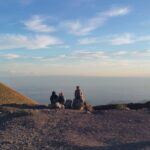
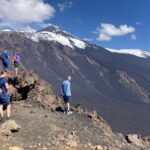
The trek continues until you reach the highest point of the upper Silvestri craters. This is where you get the classic payoff view: a panorama toward Etna’s foothills and the Ionian coast of Catania. It’s not just pretty. Being at a higher vantage makes the crater terrain easier to interpret, because you can see how the features relate to the surrounding area.
If you’re the type who likes to end a hike with something that ties everything together, this ending works well. You finish with context: not only do you see the view, you also understand how the ground under your feet belongs to the eruption chapters you just walked through.
The guide matters: Mario and Thomas set the tone with fast, practical explanations
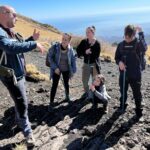
This trek is only as good as its guide, and the signals here are strong. Guides like Mario are described as passionate, delivering lots of detailed information quickly and in a way that feels natural rather than forced. Thomas is also mentioned for professional, enthusiastic guidance.
Two things I’d call out for your experience:
- Explanations that keep pace with the walk. When the guide can compress big ideas into short, clear points, you stay engaged instead of zoning out.
- Space for questions. The tour includes the chance to ask questions, and the guidance is described as pedagogical, meaning the answers land in a way that helps you understand rather than just hearsay.
There’s also a practical win: pacing. One of the most repeated ideas in the feedback is that pauses are placed at the right moments. That matters on Etna, where your attention, legs, and patience all affect how much you actually enjoy the terrain.
The tour runs with live guidance in English and Italian, so you’re not stuck if your Italian is rusty.
Weather rules and what to pack for volcanic terrain
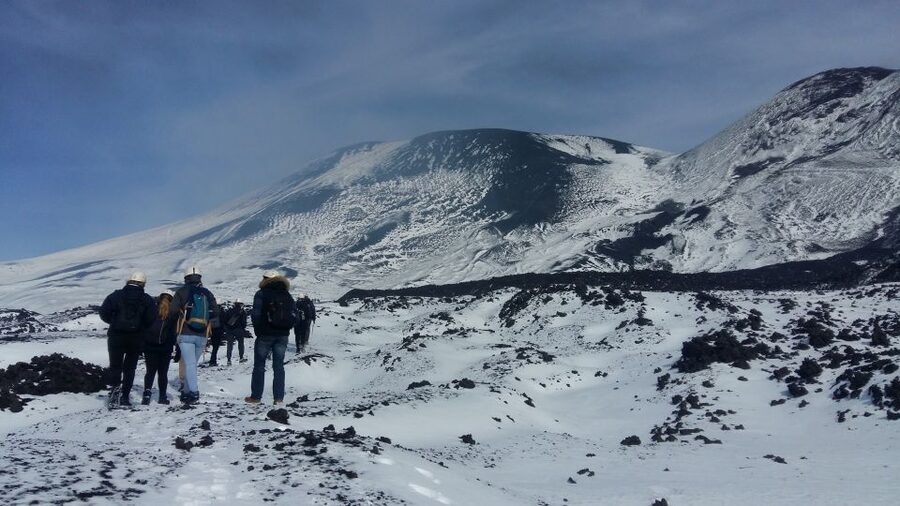
This is one of those trips where conditions really do decide the day. The tour will not take place in rain or stormy weather. That’s not just about comfort; volcanic areas can get slippery and visibility can drop fast when the sky turns.
Plan for real walking in the mountains. Pack:
- Hiking shoes
- Water
- Rain gear
- Comfortable clothes
Even if it looks sunny at booking time, Etna can change quickly. Rain gear is a smart call, and it’s especially useful because the tour is weather-sensitive. If the sky clears later, you still want to be ready for a fast shift in conditions.
Also, the trek is listed as not suitable for certain groups, including pregnant women, people with heart problems, people with low level of fitness, people with motion sickness, and people over 95 years. If any of those apply to you, it’s worth choosing a different Etna experience that better matches your body and comfort level.
Price and value: is $46 for Etna’s southern slope worth it?
At $46 per person for about 2.5 hours, you’re paying mainly for a guided, naturalistic volcanology experience. The only inclusion listed is the nature guide service, and that’s the heart of the value.
Why it’s good value: you’re not just walking—you’re walking with context. The route connects specific eruption areas and features like the 2001 volcanic fracture and the Calcarazzi craters. Getting the explanation while you’re near the rock helps you understand what you’re seeing without needing to read a book afterward.
What’s not included is also straightforward: food and drinks and no mention of climbing gear beyond what you bring yourself (it lists clothing and mountain equipment as not included). So factor that into your budget if you’re thinking of making this a full morning out.
If you want maximum Etna learning in a short time, this price makes sense. If you already know a lot of volcanology and prefer to explore solo, you might feel the guide cost. But for most first-time Etna visitors who want real meaning, the math is usually favorable.
Should you book the Etna Southern Slope Guided Easy Trek?
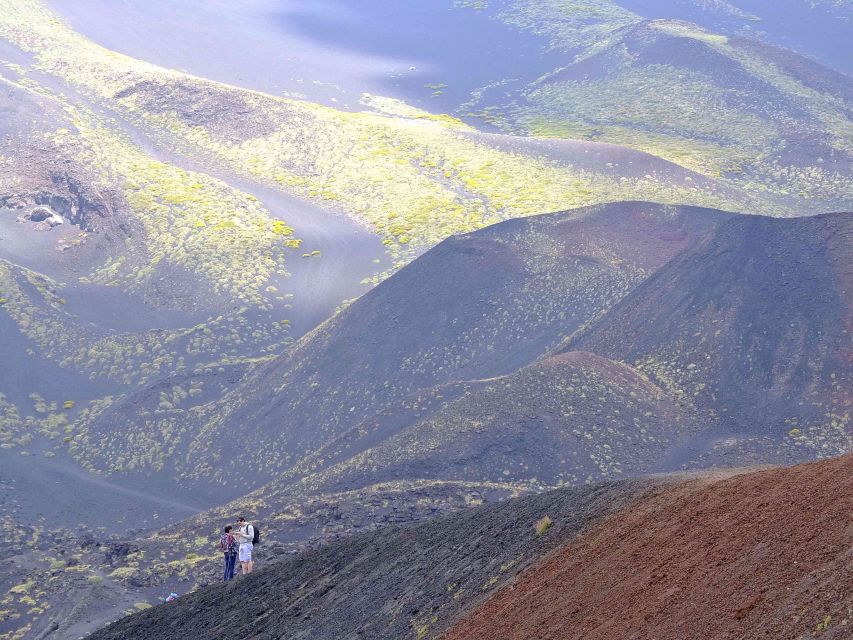
Book it if you want a short, guided way to understand Etna’s southern eruption history, and you like the idea of walking from the Rifugio Sapienza area into Silvestri crater territory, across lava from the 2001 eruption, and toward an end viewpoint over Catania’s Ionian coast. It’s also a great choice if you’re learning-friendly: the guides described in feedback focus on fast, clear explanations and answer questions well.
Skip or rethink it if the weather forecast is unstable, because rain and storms shut it down. Also take the suitability notes seriously; this is not designed for everyone, especially with limits for heart problems, motion sickness, low fitness, and pregnancy.
If your schedule is tight and you want Etna to feel more than scenery, this is a strong pick.
FAQ
How long is the Etna Southern Slope Guided Easy Trek?
The tour lasts about 2.5 hours.
Where do I meet the guide?
Meet inside the Esagonal bar, where you’ll find a flag with the Sicily Touring symbol and the guide welcoming you.
What is included in the price?
The price includes the nature guide service.
What should I bring with me?
Bring hiking shoes, water, rain gear, and comfortable clothes.
Does the tour run in rainy or stormy weather?
No. The tour will not take place in rain or stormy weather.
Is this trek suitable for people with heart problems or low fitness?
No. It is listed as not suitable for people with heart problems or low level of fitness (also not suitable for pregnant women, people with motion sickness, and people over 95 years).