REVIEW · POKHARA
Mardi Himal Trek 4N-5D
Book on Viator →Operated by Sisne Rover Trekking · Bookable on Viator
Mardi Himal delivers big mountain views with less fuss than the Annapurna headline routes. This 4N-5D trek runs east of Annapurna Base Camp, with a steady rise from Gurung villages into rhododendron forests, then jumps up into rocky high-country terrain under Mardi Himal and Machhapuchhre. I love how the route feels calm and varied, with village stops like Dhampus and Deurali giving you a real taste of everyday Nepal between the harder hiking hours.
I also like that the company includes the practical stuff that usually becomes a headache: permits, a licensed English-speaking guide, teahouse lodging, and the bulk of your meals. The whole trip also comes with pickup support from Pokhara, plus a souvenir t-shirt, which is a nice touch for a short trek. One thing to consider: you reach 4500m, and some days include rocky, uneven sections plus a stretch with no tea houses, so you’ll want to hike smart and plan for a long day on the higher ground.
In This Review
- Key points that make this trek worth your time
- Why Mardi Himal feels quieter than the Annapurna headline routes
- Getting to the trailhead: Pokhara pickup and your first village intro
- Day 1 from Banskot to Deurali: easy rhythm, big sightlines
- Day 2 sunrise and rhododendron forest with a key no-teahouse stretch
- Day 3 ridgelines toward Mardi views: camps, rhododendrons, and a bird callout
- Day 4 Mardi Base Camp at 4500m: the hardest day, best reward
- Day 5 descent through Siding to Kalimati and back to Pokhara
- Price and value: what $413.33 actually buys you
- Guide support that makes the trek feel manageable
- Things to be ready for: altitude, weather, and pacing reality
- Who should book this trek (and who might skip it)
- Should you book Mardi Himal 4N-5D with Sisne Rover Trekking?
- FAQ
- Where is the trek based and where do I meet the operator?
- Does the tour include pickup from Pokhara?
- How many days is the Mardi Himal trek?
- What’s the highest altitude on this trek?
- Are permits included?
- What kind of accommodation should I expect?
- Are meals included?
- Is there a section without tea houses?
- Do I need travel and rescue insurance?
- Is a guide included?
- FAQ
- What is the refund/cancellation policy?
- Is this a private group trek?
Key points that make this trek worth your time
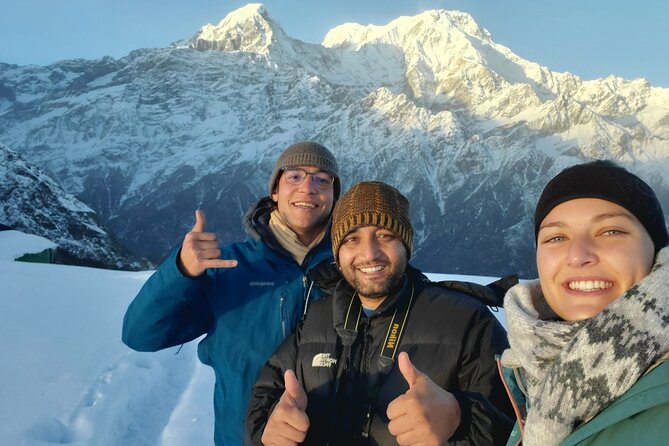
- Real village rhythm: Dhampus, Australian Camp, and Deurali break up the hike with rural culture and views.
- Rhododendron + high-country switch: you climb out of dense forest and then step into rugged terrain.
- A no-teahouse section: the Deurali to Forest Camp stretch has no tea houses, so you need to be ready.
- Wildlife might show up: the route is described as possible habitat for Himalayan Thar, Spotted Deer, and even snow leopard sightings (not guaranteed).
- Day 4 is the payoff: Mardi Base Camp at 4500m is the highest point and the main view day.
- Guide quality matters here: reviews highlight guides such as Milan, Krishna, Dilaram Poudel, Ram, Manoj, and Prince Dila Ram for strong support and leadership.
Why Mardi Himal feels quieter than the Annapurna headline routes
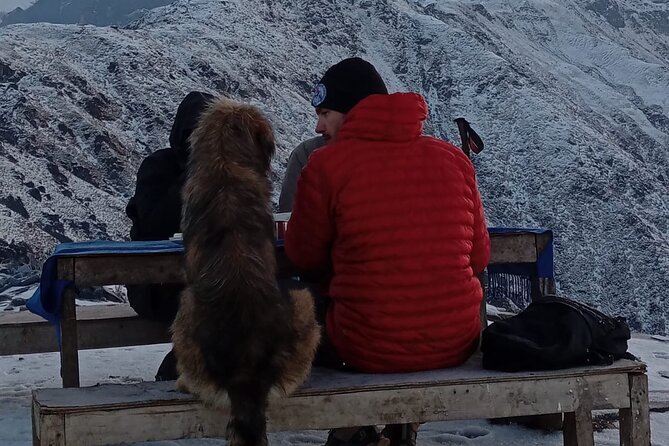
Mardi Himal sits in a sweet spot for people who want serious views but don’t want every minute of the trek to feel like a traffic jam. You’re trekking at the base of Mardi Himal and with the iconic Machhapuchhre sitting in the backdrop, and the scenery changes enough that you don’t get bored.
The route also does something smart for a short trek: it mixes forest walking, ridge hiking, and a high-altitude day that actually earns its keep. If you’re short on vacation time but still want a proper “Himalaya day” with snow-capped peaks in view, this delivers.
You can also read our reviews of more tours and experiences in Pokhara.
Getting to the trailhead: Pokhara pickup and your first village intro
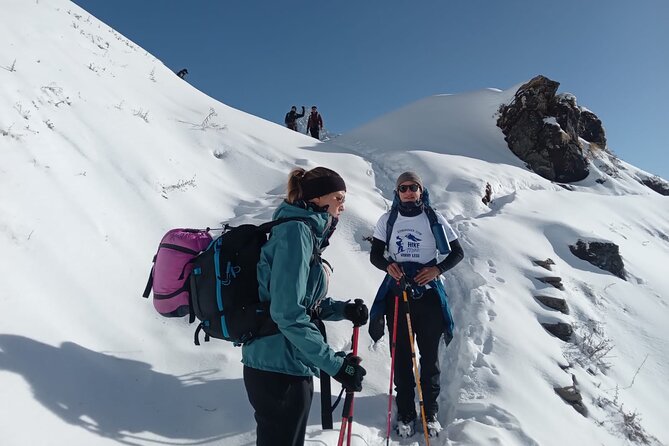
Most people start their trekking story in Pokhara, and this one begins with easy logistics. You meet the operator at Sisne Rover Trekking Pvt. Ltd. in central Pokhara, and the tour includes transportation support (plus pickup is offered).
From there, you start the trek at Banskot (about 1100m). Day 1 then layers in a classic Nepal pattern: a climb, a couple of village overlooks, a descent, and another rise. You don’t just hike uphill all day—you get to see how the foothills communities sit in the mountains.
Two first-day stops I like for first-timers are Kalikasthan (1600m) for views over villages and peaks, and Dhampus for the Gurung village feel. You also get Hemjakot along the way, which helps the day feel like part trekking, part travel through Nepal, not just miles.
Day 1 from Banskot to Deurali: easy rhythm, big sightlines
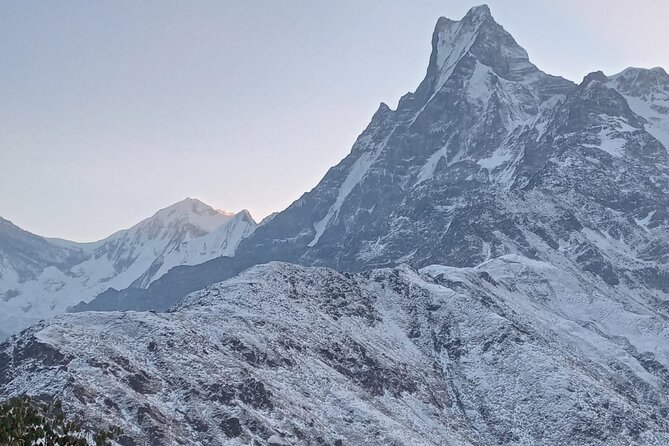
Day 1 starts with a short drive and then you’re on foot, climbing after Banskot. About an hour later you reach Kalikasthan (1600m), which is a good early reminder that altitude can change quickly in this region even before you feel “high.”
After Kalikasthan, the trail descends to Hemjakot (1500m). That kind of stop-and-sight sequence matters on a short trek because it keeps your energy smooth. Then you head down further to Dhampus (1170m), a small Gurung village where you can shift gears from “climb mode” to “walk slower and look around.”
After lunch at Dhampus, the hike continues upward to Australian Camp (2100m), then onward to Deurali (2142m) via Pothana. This day is described as pleasant with easy, gradual ascending trails from Australian Camp, and Deurali has a viewpoint vibe plus a look toward Fewa Lake.
Practical note: your body will feel the change as you move from lower hills into higher trekking country. Day 1 is built to help you adapt without crushing you.
Day 2 sunrise and rhododendron forest with a key no-teahouse stretch
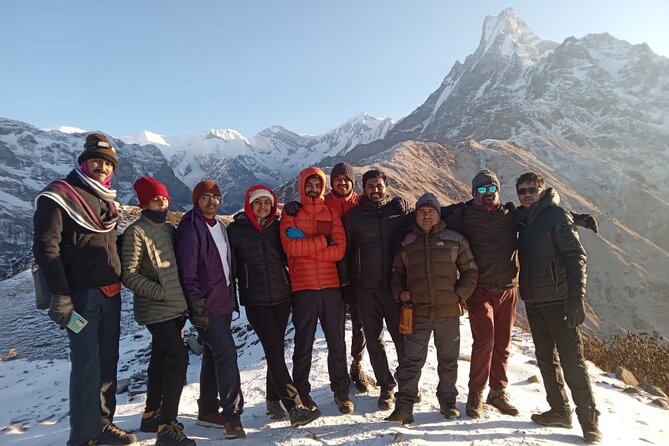
Day 2 is the “start early, keep it simple, and let the mountains do the work” day. You wake up for sunrise and mountain views, then hike along the forest after breakfast. One detail that really matters: the path between Deurali and Forest Camp (around 2550m) is noted as having no tea houses.
That affects how you should prepare. Even if you’re normally fine buying snacks as you go, you won’t have that safety net on this specific stretch. Plan to have what you need before you enter it, and don’t wait until you’re hungry to start thinking ahead.
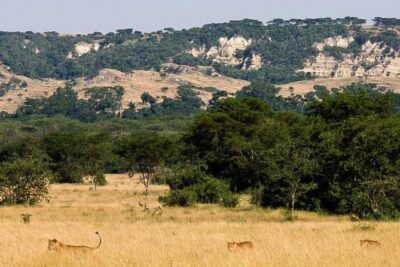
The route climbs into grassland pockets and rhododendron-filled sections. The description also points out possible wildlife sightings—Himalayan Thar and Spotted Deer are named, plus snow leopard sightings are mentioned as a possibility. You shouldn’t count on it, but it’s a strong sign the trek passes through habitats worth respecting.
You reach Forest Camp for lunch, then continue about an hour to Rest Camp for the night stop. This structure keeps Day 2 from turning into one long grind.
Day 3 ridgelines toward Mardi views: camps, rhododendrons, and a bird callout
Day 3 gently ascends from Rest Camp to Low Camp (about 2990m), then continues to Badaldanda. Badaldanda is called out as a nice place for mountain views, and the climbing is described as easier than what comes before.
This is also where the trek starts feeling more “high-country.” After leaving Badaldanda, you walk along the ridge of Mardi Himal. That ridge section is the kind of hiking that rewards steady pace: you’re not only walking upward, you’re watching the bigger picture.
The itinerary mentions that you can view Mardi Himal and Machhapuchhre along the way, and the route still includes rhododendron forest for roughly 1.5 hours before you enter middle camp. It’s also a day where the tree line feels like it changes—described as more vague and covered with rhododendron bushes.
A fun Nepal detail on Day 3: Daphne is noted as the national bird of Nepal, and it might be seen on the trek around the High Camp area. Even if you don’t spot it, it’s a good reminder to slow down for small moments, not only for the huge photo spots.
Day 4 Mardi Base Camp at 4500m: the hardest day, best reward
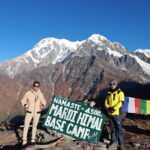
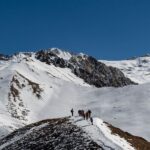
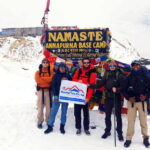
This is the main event. You wake early and hike for about 4 hours to Mardi Base Camp at 4500m, which is the highest point on the trek. The day is described as more difficult than the previous ones: longer distance, plus a rocky and uneven trail section at points.
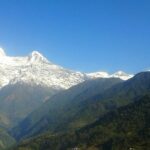
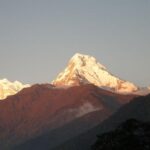
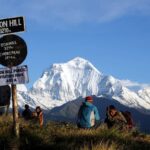
If you’re the type who wants a clear “why this trek is worth it” moment, this is where it happens. Once you reach the base camp, you’re described as being surrounded by snow-capped mountains and seeing natural vegetation up there. The views are broad too—Dhaulagiri, Machhapuchhre, and Mardi are explicitly called out.
After exploring and soaking it in, you retrace back to Badaldanda. That means you’re getting both the altitude experience and the return-day strategy. You’ll want to pace the descent because rocky sections can feel rough on tired legs.
One more thing I appreciate: for a short trek, this trek still gives you a true high-altitude target. Not all 4-5 day options do.
Day 5 descent through Siding to Kalimati and back to Pokhara
Day 5 is built around a gradual letdown from altitude to comfort. You start at Badaldanda and descend toward Low Camp after breakfast.
Then the trail diverts east through forest with a steep descent to Siding. A steep, forested drop can feel faster than you expect, so I’d treat it like a “controlled speed” day—don’t let your legs sprint ahead and then regret it on the final sections.
Kalimati is next, around 1700m. It’s described as a ridge with mountain views, farm lands, and valley sights. That makes it a nice mental shift: the trek stops being about reaching points and becomes about enjoying the region again at a lower, easier altitude.
You have lunch at Kalimati, then walk down to Lumre for about an hour. From Lumre, you drive back to Pokhara. The day ends with a farewell dinner, which is a good closing ritual when you’re doing a group trek and want time to talk over what you saw.
Price and value: what $413.33 actually buys you
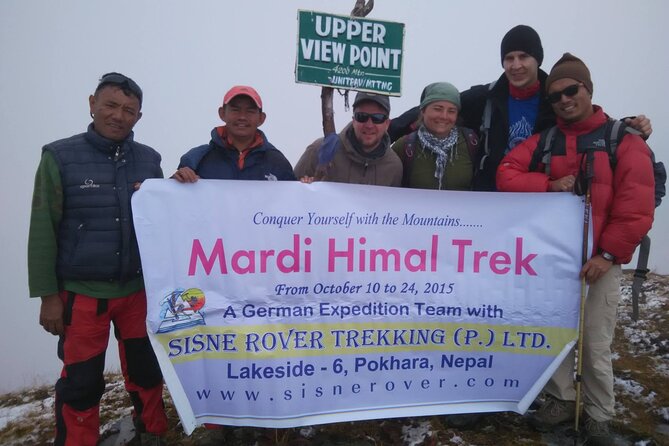
At about $413.33 per person, the value here is less about luxury and more about reducing the usual trip friction.
What’s included:
- trekking permits (ACAP and TIMS)
- an experienced English-speaking guide who’s government-licensed
- teahouse accommodation during the trek
- breakfast (4), lunch (5), dinner (4)
- medical kit carried by the guide
- staff costs (insurance, equipment, food, accommodation)
- transportations plus pickup support
- a trekking completion certificate and the Hike More, Worry Less t-shirt
When you price trekking in Nepal, permits and guiding often eat up a big chunk quickly. Here, meals and teahouse stays are also bundled, so you’re not constantly doing micro-decisions about what you’ll eat and where you’ll sleep.
Is it the cheapest option on the map? Maybe not, but for a short trek that includes permits, guide support, and meals, you’re paying for convenience and reduced risk. In practical terms, that matters when you’re going up to 4500m and want a smooth pace plan rather than improvising.
Not included items worth budgeting for:
- travel and rescue insurance
- tips for guide/porter/driver
- personal expenses like bottle or boiled water, laundry, and battery recharge
- bar bills
- excess baggage charges
Guide support that makes the trek feel manageable
This is one of the strongest parts of the experience. Reviews consistently highlight how responsive and supportive the team is during booking and on trek day.
I’d call out a few guide names that have been praised: Milan is noted for nature and trekking knowledge plus leadership; Krishna is described as strong, patient, and good company; Dilaram Poudel and Ram are praised for helpful guidance; Manoj is mentioned as taking time for culture and companionship; and Prince Dila Ram is highlighted for attention and support. Even though guides can vary by departure, that pattern tells you what the operator tends to emphasize: real human support, not just moving people from A to B.
For you, the practical takeaway is simple. On days with rocky uneven sections or steep descents, a good guide keeps pace reasonable and helps you focus on what matters: walking safely, drinking enough, and staying present.
Also included: the guide carries a medical kit, which doesn’t replace insurance, but it does make day-to-day trekking feel more grounded.
Things to be ready for: altitude, weather, and pacing reality
You reach 4500m at Mardi Base Camp. That’s not extreme for the Himalaya, but it’s high enough that you should take the hike seriously. The trek includes early mornings and longer segments, especially around Day 4.
You also have trail variety: forest climbs, ridge walking, and rocky uneven sections. If you’re expecting a smooth stroll with no stony bits, you’ll be surprised at how quickly trail texture changes once you leave lower terrain behind.
Weather is another factor. The experience requires good weather, and if conditions aren’t right, you’ll be offered a different date or a full refund. For a trek like this, that’s not an inconvenience—it’s a safety issue.
Who should book this trek (and who might skip it)
This trek fits best if you want:
- a short 4N-5D plan from Pokhara
- quiet-feeling mountain time without a super long schedule
- rhododendron forest plus a real high point at 4500m
- village culture stops like Dhampus and scenic viewpoint moments like Deurali
You might want to choose something else if:
- you struggle with altitude hikes or long uneven descents
- you strongly prefer routes with frequent teahouses at every step (because the Deurali to Forest Camp stretch has no tea houses)
Should you book Mardi Himal 4N-5D with Sisne Rover Trekking?
If you’re weighing this against other short Nepal treks, I’d recommend it for the combination of views, pacing, and included logistics. You get a proper “top day” at Mardi Base Camp, plus calmer hiking earlier on through forests and villages. The guide emphasis is a real plus—people remember who walked with them, not just where they stood for photos.
Before you book, do one simple self-check: are you comfortable with a moderate fitness level and the idea of early starts and a rocky day? If yes, you’re in the right zone.
If the weather isn’t cooperating, the trip can be moved or refunded, and that’s better than pushing hard in bad conditions. Overall, this is a strong pick when you want an authentic Annapurna-region trek that still feels human-sized.
FAQ
Where is the trek based and where do I meet the operator?
You’ll meet Sisne Rover Trekking Pvt. Ltd. at Center Point, Pokhara 33700, Nepal. The trek itself starts at Banskot, around 1100m.
Does the tour include pickup from Pokhara?
Pickup is offered, and transportation is included in the tour.
How many days is the Mardi Himal trek?
It runs about 5 days (listed as 4N-5D).
What’s the highest altitude on this trek?
The highest point is Mardi Base Camp at about 4500m.
Are permits included?
Yes. The included permits are ACAP and TIMS.
What kind of accommodation should I expect?
You stay in teahouses during the trek.
Are meals included?
Yes. Breakfast is included for 4 days, lunch for 5 days, and dinner for 4 days.
Is there a section without tea houses?
Yes. The route between Deurali and Forest Camp (around 2550m) does not have tea houses.
Do I need travel and rescue insurance?
Travel and rescue insurance is not included, so you’ll need your own coverage.
Is a guide included?
Yes. You get an experienced, English-speaking, government-licensed trekking guide, plus a medical kit is carried by the guide.
FAQ
What is the refund/cancellation policy?
You can cancel up to 24 hours in advance for a full refund. If it’s canceled due to poor weather, you’ll be offered a different date or a full refund.
Is this a private group trek?
It’s described as a private tour/activity, so only your group participates.