REVIEW · KATHMANDU
Kanchenjunga Circuit Trek 19 Days
Book on Viator →Operated by Nepal Nirvana Trails · Bookable on Viator
Kanchenjunga feels like Nepal before Instagram. I loved the quiet, less-crowded route that takes you through jungle woodlands, unspoiled villages, and big-mountain days, and I also liked that you get multiple-angle base camp views from both sides of Kanchenjunga. One thing to plan for: long jeep rides are part of the deal, and they can eat time on travel days.
This trek is built for people who want effort to pay off with scenery, not crowds. The trail is newer than Nepal’s headline treks, so even in peak season you should expect fewer faces on the path and more breathing room at tea houses. You’ll also travel with a small group (max 8) and rely on a licensed guide plus a porter arrangement that keeps the focus where it belongs: walking smart and staying safe.
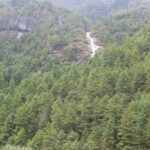
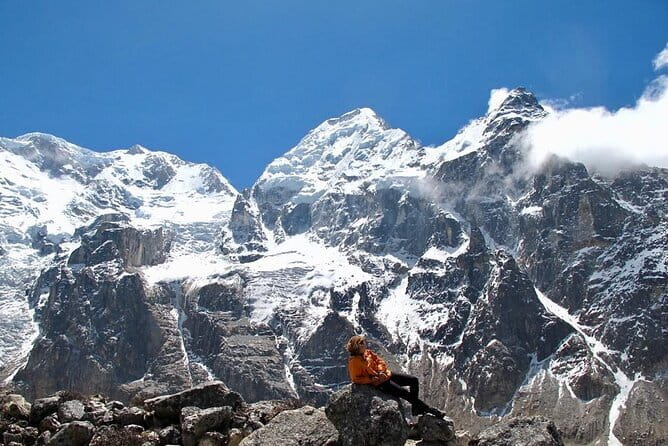
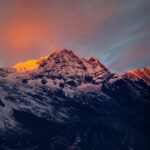
You’ll spend days moving from river valleys to pine and rhododendron forests, crossing high passes, and getting close to glacier country. The route also includes acclimatization stops and rest days, and that matters once you start stacking altitude with big views.
In This Review
- Key Things I’d Tell a Friend Before You Go
- Why the Kanchenjunga Circuit Feels Quieter Than the Big Names
- Getting There: Kathmandu Start, Permits, and the Fly-Jeep Chain
- Days 3–7: Taplejung to Ghunsa via Forest Valleys and Bridges
- Days 8–10: Pine Forests, Khambachen Rest, and the Glacier Approach
- Days 11–12: North Base Camp (Pang Pema) and the Return That Sticks With You
- Days 13–16: Sele Le Pass Country, High Pass Names, and Yalung Glacier Views
- Days 17–19: Yamphudin, Kanyam, and a Green Tea Goodbye
- Guides, Porters, and the Small-Group Difference (Max 8)
- Price and Value: What $2,000 Covers and What You Still Need
- Food, Water, and Altitude Reality Checks
- Should You Book the Kanchenjunga Circuit Trek?
- FAQ
- How long is the Kanchenjunga Circuit trek?
- What is the price per person?
- Where does the trek start and end?
- Are flights included?
- What kind of accommodation do you use during the trek?
- What’s included in the trek price?
- Is travel or health insurance included?
Key Things I’d Tell a Friend Before You Go
- A quieter Kanchenjunga route: newer trail and less developed villages mean fewer crowds than the usual classics.
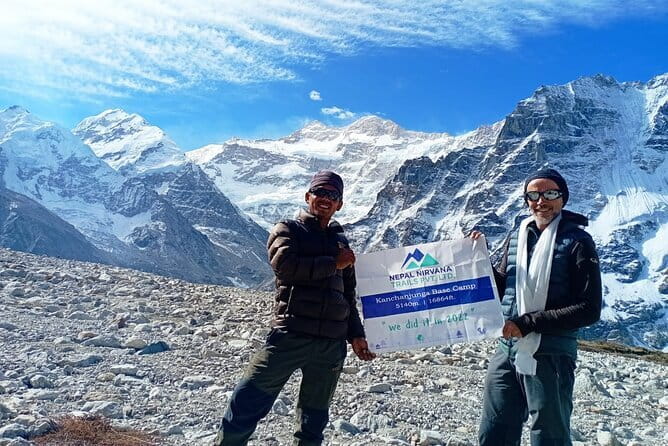
- Base camp time on multiple angles: you visit both North and South Base Camp areas for a fuller mountain picture.
- Small group support (max 8): you’re not lost in a huge herd.
- Licensed guide + porter coverage: between 2 trekkers, 1 porter, with first-aid trained staff and a kit.
- High passes around 4,400–4,650m: serious walking days, with specific pass names and altitudes on the plan.
- Expect very basic trekking food: plan to lean on simple veg options when you can.
Why the Kanchenjunga Circuit Feels Quieter Than the Big Names
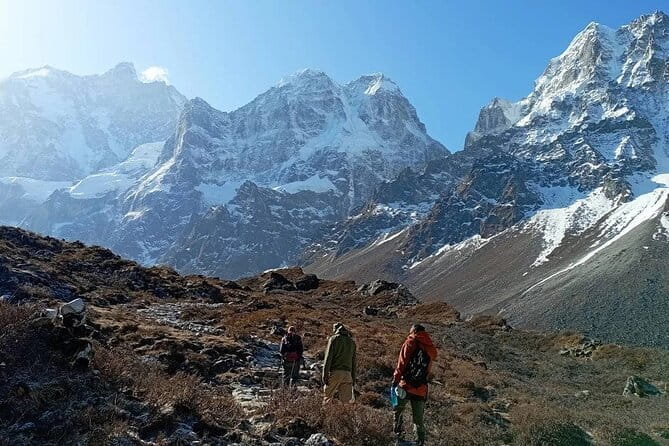
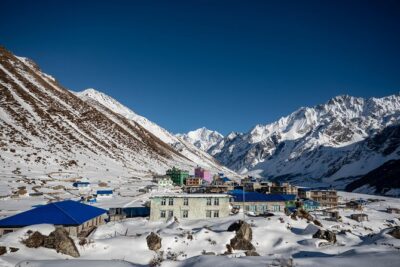
Kanchenjunga’s circuit has a different vibe than the more famous trekking highways in Nepal. The route here is described as newly established compared to other major trails, and the villages along the way haven’t grown into tourist hubs. That’s the practical reason it tends to feel calmer: fewer trekkers, fewer guesthouses stretched thin, and less of the constant “tour bus” energy.
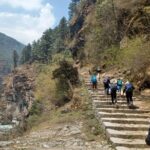
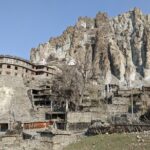
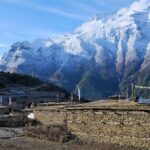
What you’ll notice day to day is the texture of the trail. You pass through dense woodland at times, then you’re suddenly in village life again—stone, dust, wood smoke, and the kind of tea-house routine that feels familiar quickly. Even at the places where you might meet other trekking parties (like the approach corridors in the main season), the overall crowd level stays lower than what most people expect from a Himalayan trekking region.
Also, because the area is less developed for mass tourism, you’re signing up for a more honest version of trekking hospitality. Tea houses do their best, but you shouldn’t expect the polished comfort style you might find on heavily marketed routes. If you like quiet conversations with your guide, early mornings with the mountain air, and the freedom of fewer people around you, this is a strong match.
You can also read our reviews of more tours and experiences in Kathmandu.
Getting There: Kathmandu Start, Permits, and the Fly-Jeep Chain
The trip starts in Kathmandu, with pickup offered and a representative meeting you at Tribhuvan International Airport (TIA). You get transferred to the hotel booked by the operator, and then you get a smooth start into the permit process.
On the Kathmandu side, you’ll have a day where the team management meets you around 9 am to prepare your permits. The big practical detail: you hand over your original passport for the paperwork, and later you’ll get it back the same day (a 5 pm handover at the office is mentioned). It’s a normal process for trekking permits in Nepal, but it’s still worth planning around so you’re not surprised by timing.
Then comes the travel rhythm that defines this trek. You fly from Kathmandu to Bhadrapur (around 45 to 50 minutes), then you switch into local jeep driving for the long stretches toward the trailheads. The plan includes private jeeps for sections like Bhadrapur to Taplejung and back out from the trekking area toward Yamphudin and Kanyam.
This matters because Kanchenjunga is remote. Even if the trek is the main event, the getting-there days can be tiring. One review-style warning you should take seriously is the long 4×4 jeep ride since the trekking areas sit far from civilization. If you’re prone to motion sickness, plan for that.
Days 3–7: Taplejung to Ghunsa via Forest Valleys and Bridges
Day 3 is travel-heavy but important: you switch from Kathmandu city rhythm to the eastern Nepal trekking region. The route goes Kathmandu to Bhadrapur, then a jeep drive through places like Kanyam, taking you toward Taplejung’s area.
Day 4 pushes you deeper. You take breakfast, then continue by jeep to reach Sekathum. The plan notes that many trekkers prefer walking up to Sekathum from Taplejung, but this itinerary uses a ride instead. That choice is for energy management—less time spent on the hardest access walk means you can start your trekking blocks with a clearer head.
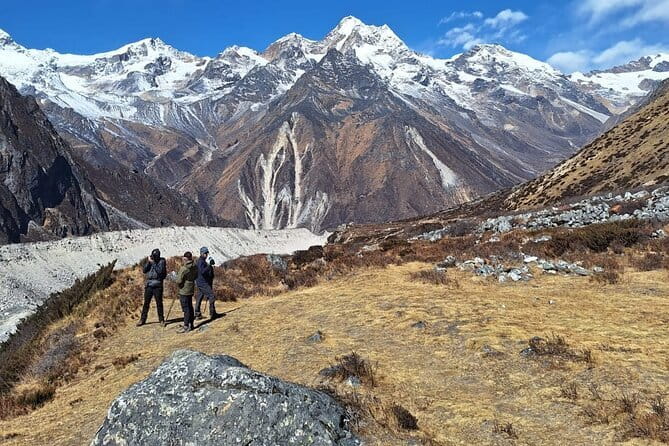
On Day 5 you start hiking from Sekathum toward Amjilosha. The description focuses on the early adventure: ascent along Ghunsa Khola, multiple bridges, and that first real sense of river-valley trekking. Bridges are more than just scenery here—they’re part of how the route keeps moving through rugged terrain, so expect plenty of “step, balance, keep going” walking.
Day 6 moves you to Gyabla (also called Kyapra) after Amjilosha. This is a day that’s about forest trekking. The route mentions dense forest and a trail without human settlements for stretches, which can feel wonderfully remote.
Day 7 reaches Ghunsa. The approach goes through woodlands and mentions reaching Phale village along the way. Ghunsa is also described as a common acclimatization stop, so you’re likely to feel that “settling in” vibe rather than only chasing altitude.
Days 8–10: Pine Forests, Khambachen Rest, and the Glacier Approach
Day 8 takes you to Khambachen. This is where the scenery starts turning more Himalayan in character. You walk through open pine forest, with a chance to spot animals like blue sheep and possibly snow leopards (as a chance, not a promise). The route also flags landslide-prone areas, which is a good reminder that the guide’s judgment matters—trail conditions can change.
Day 9 is a rest day in Khambachen, but not a “do nothing” day. There’s a short hike to nearby glaciers, viewpoints, and lakes meant for altitude adjustment. This is smart design. Instead of jumping to the next big altitude day cold, you get controlled movement that helps your body handle the situation.
Then Day 10 heads to Lhonak. The description says this part connects with the Kanchenjunga glacier trail. It also notes that in the main trekking season you may run into trekkers walking toward and returning from the Kanchenjunga North Base Camp route. Even if the overall trek is quieter, this is one of the corridors where you’ll likely see more people than on the fully “off-the-grid” segments.
Days 11–12: North Base Camp (Pang Pema) and the Return That Sticks With You
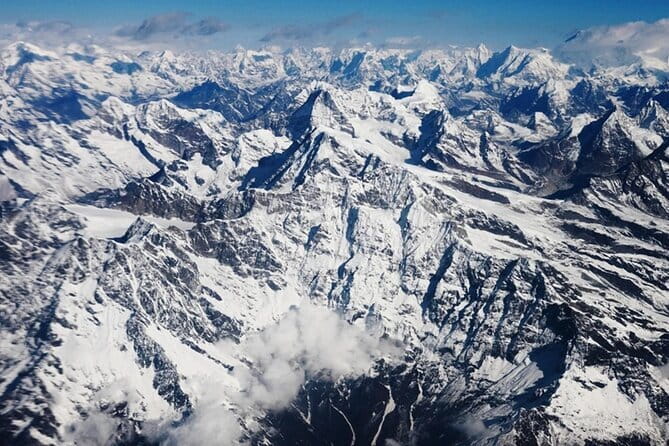
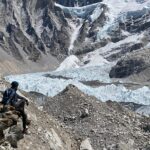
Day 11 is your North Base Camp push. The route describes a gradual climb following moraines to reach the Kanchenjunga Base Camp area, also referenced as Pang Pema. Moraines can look like chaotic gravel—walking over them is slower than you’d hope—so patience matters. The win is that you’re not just “arriving at a view.” You’re earning the view with steady steps.
Day 12 turns the corner emotionally: you leave the North Base Camp area and return to Ghunsa. The description calls out passing stone huts and a path that can feel like a highlight reel of the trek once you’re heading back through familiar ground. This is one of those days where the body gets relief, but the mind keeps replaying what it saw.
Also, the return day gives you a chance to reset walking form. After a base-camp-style push, your best move is to stay relaxed, keep footing careful, and let your legs settle rather than sprinting through.
Days 13–16: Sele Le Pass Country, High Pass Names, and Yalung Glacier Views
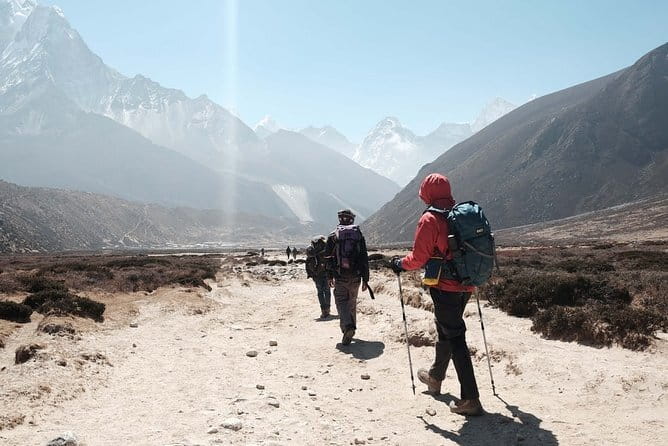
Day 13 goes to Sele Le, with the trail moving through dense forest and offering a chance to see snow leopards. There are isolated settlements with a few teahouses, but the key point is that this isn’t dense tourism. You’ll likely feel the route’s independence more here than on typical “every day is a hotel day” treks.
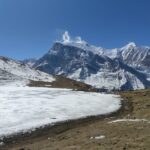
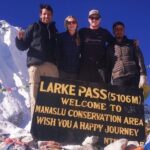
Day 14 is the big pass day segment. After leaving Sele Le Pass, you hike up to Sinion La (4440m), then Mirgin La (4480m), and finally Sinelapche Bhanjyang (4645m). These specific altitudes are a helpful reality check: your lungs will work, and you’ll want to keep a steady rhythm. The description also promises spectacular panoramas—on high passes, that promise is usually true, but the bigger value is the way you see the mountain system change from each pass.
Day 15 heads to the Yalung Glacier area. The plan says you get higher and walk close to the glacier views, with lookouts mentioning Rathong (6682m) and Kabru (7412m). You’re not just looking at one peak; you’re collecting a whole skyline of neighboring giants, which is one reason this trek is often described as a “multi-angle” experience.
Day 16 shifts gears again. The trek starts downhill and ends at Tortong, passing through Simbuwa Khola, with mention of rhododendron forests and more tranquil walking. This is the kind of day that helps you enjoy the scenery without fighting the same steep altitude. It’s also where you’ll start mentally counting down toward the final valley steps.
Days 17–19: Yamphudin, Kanyam, and a Green Tea Goodbye
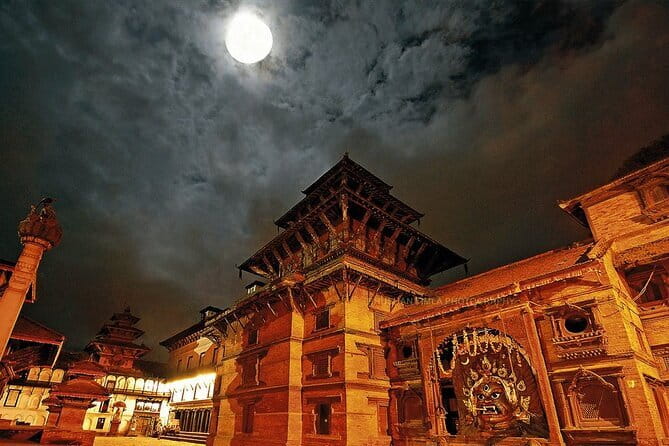
Day 17 descends to Yamphudin. You pass through areas like Lasiya/Lamite Bhanjyang (3415m) and Dhupi Bhanjyang (2665m) along Amji Khola. Compared to the 4,400m+ pass section, this is a gentler altitude profile on paper. Still, after many days of trekking, “gentle” just means less punishing, not easy.
Day 18 moves through villages after breakfast in Yamphudin, trekking alongside Kabeli Khola. Then you take a drive to Kanyam. That drive is your transition from trail pace back into travel pace.
Day 19 is the finish. After breakfast, you explore a green tea cultivation area for a while, then drive 2–3 hours to Bhadrapur for your flight back to Kathmandu (around 45 to 50 minutes). It’s a nice way to cap the trek: you leave snowy country and return to farmland mood.
Guides, Porters, and the Small-Group Difference (Max 8)
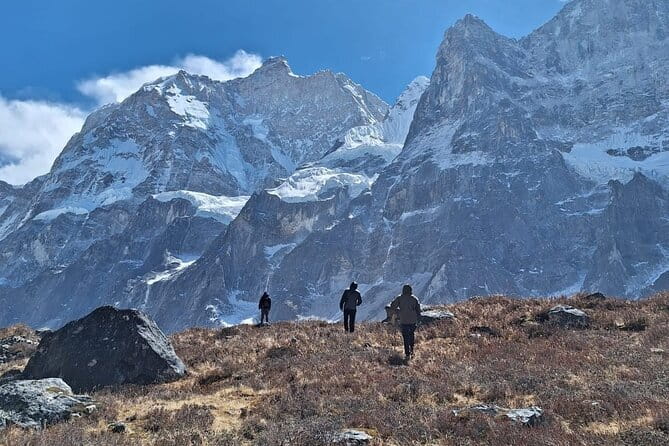
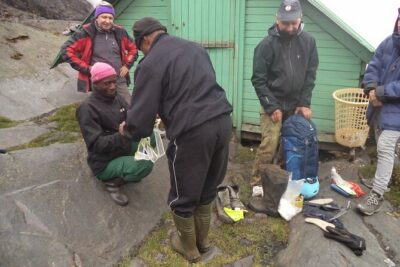
This trek is priced and structured around a support team that actually helps you function on rough days. You get a government licensed trekking guide who’s also first-aid trained, plus a porter arrangement: between 2 trekkers, 1 porter. That ratio matters. It means your gear doesn’t turn every day into a weight-pulling contest, and it makes sense on a trek where you also have altitude days.
The operator also includes a first aid kit with basic medication. That’s the minimum you want on a route with passes and long hiking days.
What I like most is the human side. In the guidance staff described for this operator, people have been specifically praised by name—Raj, Jangbu, and Abinta—for being warm, knowledgeable about the region, and supportive on the trail. That kind of staff reputation isn’t about marketing fluff. On a long trek, it’s the difference between feeling lost and feeling guided.
And because the group cap is 8 travelers, you’ll likely get a more personal experience than big treks where guides can only manage the loudest questions.
Price and Value: What $2,000 Covers and What You Still Need
At $2,000 per person, the value equation here is pretty clear once you list what’s included.
Included in your price:
- All necessary trekking permits
- 3 nights in Kathmandu at a 3-star hotel with breakfast
- Tea-house accommodations during the trek
- Licensed guide and porter (with salary, food, equipment, insurance)
- Private jeep transfers for key legs (Bhadrapur–Taplejung–Sekathum and Yamphudin–Kanyam–Bhadrapur)
- Flights Kathmandu–Bhadrapur and Bhadrapur–Kathmandu
- Daily meals on the trek listed as breakfast (18), lunch (17), dinner (16)
- First aid kit and local taxes/VAT
Not included:
- International flight tickets and Nepal entry visa
- Travel and health insurance covering emergency rescues/evacuation
- Personal expenses (snacks, beer, coke, juice, water, Wi-Fi, charging, hot shower, etc.)
- Extra nights and extra meals in Kathmandu
- Tips for guide and porter (appreciated)
So what are you really paying for? This price is largely paying for the hard-to-arrange parts: permits, domestic flights, jeep access, staffing, and the day-by-day logistics that keep you from wasting time figuring things out yourself. If you’d otherwise have to cobble together transport and guidance separately, it’s not a bad deal.
Still, be honest about the “cash you’ll need in your pocket” part. Personal water and snacks add up, and the trek food is described as very basic. The operator suggests opting for veg foods during the trek. That’s practical advice and worth following if you’re sensitive to meal variety.
Food, Water, and Altitude Reality Checks
Food on this trek is described as basic, with a tip to choose vegetarian options available during the route. That’s your clue to pack your expectations correctly. Tea-house meals can be filling but simple; you’ll want to eat what’s consistent and available instead of expecting fine dining.
On altitude, the itinerary design helps you manage it:
- You have an acclimatization-style stop at Ghunsa
- You get a rest day in Khambachen with a short hike to nearby glacier features
- You pass over specific high points like Sinion La, Mirgin La, and Sinelapche Bhanjyang (4440m–4645m)
Even with good planning, you should treat each steep day as serious. Slow breathing, steady pace, and listening to your guide matter most on pass terrain.
And again, don’t ignore the travel days. Long jeep stretches plus walking days is a combo. If you’re the type who feels drained quickly in transit, build extra rest into your mindset.
Should You Book the Kanchenjunga Circuit Trek?
I’d book this trek if you want a quieter Kanchenjunga experience with a small group, you’re okay with basic tea-house comfort, and you’re fit enough for pass days around the mid-4,000 meters range. It’s a good pick when you want to see more than one side of the mountain and you like the idea of slower village life rather than crowds.
I’d pause if you hate long jeep rides, you need lots of modern creature comforts (hot showers, charging, varied menu options), or you’re not comfortable with basic food and rustic facilities. Also, make sure you arrange travel and health insurance that covers emergency rescues and evacuations—this is specifically called out as not included.
If you do book, your best move is to ask the operator how they handle guide/porter assignments and what day-to-day pacing looks like for your group. With a small cap of 8, those details can make a big difference once you’re out on the trail.
FAQ
How long is the Kanchenjunga Circuit trek?
It runs for about 19 days.
What is the price per person?
The price is $2,000.00 per person.
Where does the trek start and end?
It starts in Kathmandu and ends in Kathmandu.
Are flights included?
Yes. The trip includes flights from Kathmandu to Bhadrapur and Bhadrapur to Kathmandu.
What kind of accommodation do you use during the trek?
You use tea-house accommodations during the trek, plus a 3-star hotel in Kathmandu for 3 nights including breakfast.
What’s included in the trek price?
Permits, guide and porter services, tea-house lodging, most meals during the trek, private jeep transfers for key legs, domestic flights, a first aid kit, and local taxes/VAT are included.
Is travel or health insurance included?
No. Travel and health insurance that covers emergency rescues and evacuations is not included.