REVIEW · KATHMANDU
From Kathmandu: 12-Day Everest Base Camp Guided Trekking
Book on GetYourGuide →Operated by Welcome Nepal Treks P.Ltd · Bookable on GetYourGuide
The Everest Base Camp trek starts with a short flight and big altitude. This 12-day guided route takes you from Kathmandu to Lukla, up through Sherpa towns, and all the way to Everest Base Camp at 5,364m. You’ll also aim for Kala Patthar at 5,545m, one of the classic viewpoint days in the Khumbu region.
I especially like the acclimatization plan: you get scheduled altitude rest days in Namche Bazar and Dingboche, not just nonstop walking. I also like how this trip is run as a tight group (up to 15 people) with an English guide—plus permits and national park entry handled up front, so you focus on breathing and hiking.
One consideration: the trek relies on tea house-style lodging, and in colder months the nights can feel rough. If you’re sensitive to cold or have medical limitations, this is not the easiest way into the high Himalaya.
In This Review
- Key Things That Make This Everest Base Camp Trek Work
- Why Lukla Changes Everything on Day 1
- The Acclimatization Days That Keep You Moving Without Wrecking You
- Namche Bazar: Your altitude “breather” town
- Dingboche: The second checkpoint for altitude management
- The Walk Up: Tengboche, Rhododendrons, and Ama Dablam’s Shadow
- Tyangboche (Day 4): a classic high stop
- Rhododendron forests and the Imja Khola crossing (Day 5)
- From Dingboche to Lobuche: The 5.5-Hour Step That Sets Up Everest Day
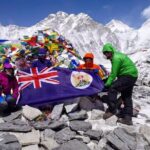
- Everest Base Camp and Gorakshep (Day 8): The Most Rewarding Segment
- Kala Patthar and the Descent Engine (Day 9)
- The Return Route: Tyangboche to Namche, Then Lukla
- Day 10: Pheriche to Tyangboche, then Namche Bazar
- Day 11: Namche to Lukla, last night at Lukla
- Day 12: The Scenic Flight Back to Kathmandu
- Value Check: Is $1,002 a Good Deal for Everest Base Camp?
- Guides and Porters: The Human Part You’ll Feel Every Day
- What You’ll Actually Need to Bring (and What You Don’t)
- Who This Trek Fits Best (And Who Should Skip It)
- Should You Book This Everest Base Camp Trek?
- FAQ
- What is the duration of the Everest Base Camp guided trek?
- What’s the price for this tour?
- Are meals included during the trek?
- Do I need a porter, and what are the porter rules?
- What domestic transport is included?
- What are the main lodging arrangements on the trail?
- Is this trek suitable for everyone?
Key Things That Make This Everest Base Camp Trek Work
- A real acclimatization rhythm with rest days in Namche Bazar (3,440m) and Dingboche
- Everest Base Camp plus Kala Patthar for both the destination and the signature sunrise-style views
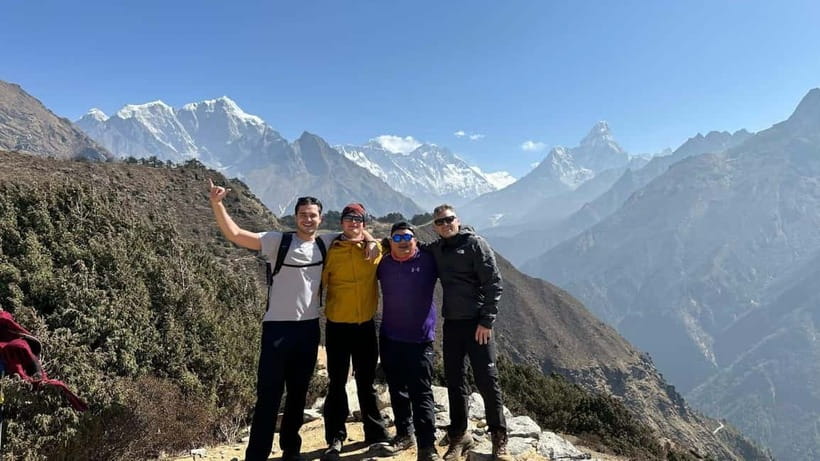
- Guides who manage pace and safety (multiple guides are cited in feedback, including Padam, Nishan, Rohan, and Adhish)
- Small-group trekking capped at 15 people, with English interpretation for the whole route
- Lodges/tea houses every night on the trekking path, so you’re not planning where to sleep each day
- Weather-disruption handling showed up in one past experience, when flights were adjusted due to conditions
Why Lukla Changes Everything on Day 1
Most Everest Base Camp itineraries begin with the same headline idea: “fly to Lukla, start hiking.” But what you actually feel is that this trek compresses the dramatic altitude shift into a short window.
Day 1 includes hotel pickup in Kathmandu (Bhaktapur and Lalitpur are also covered) and an early flight from Kathmandu to Tribhuvan International Airport → Lukla. After landing, you’ll transfer to the start point and walk to Phakding for the first overnight in tea house lodging. It’s a gentle on-ramp to the region—still busy with stairs, still high-enough to feel it, but not immediately brutal.
Practical note: there are restrictions on luggage or large bags. The trek uses practical travel weight, and it’s worth packing like you’ll carry it day to day (even if you choose to pay for a porter).
You can also read our reviews of more tours and experiences in Kathmandu.
The Acclimatization Days That Keep You Moving Without Wrecking You
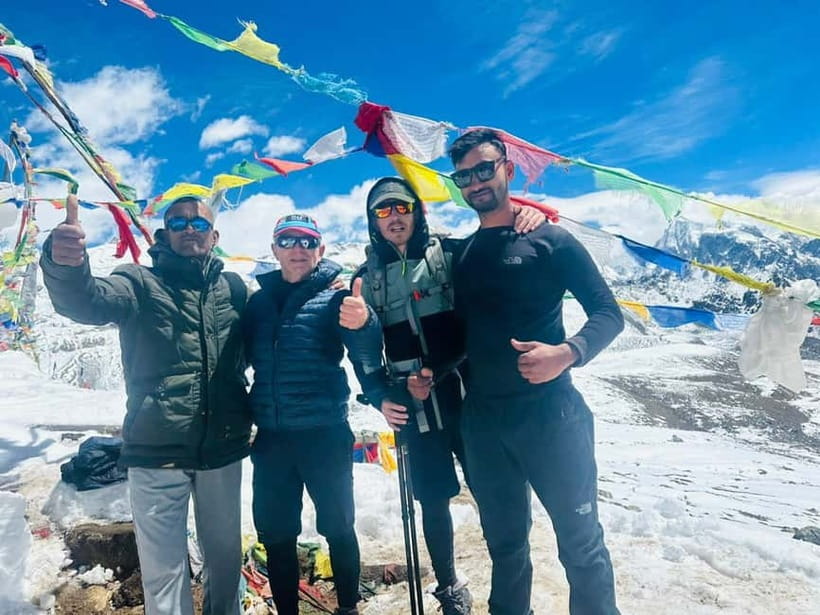
This is where good Everest treks earn their keep. You’re going to rise in altitude fast, so you need time for your body to catch up.
Namche Bazar: Your altitude “breather” town
On Day 2, you hike from Phakding to Namche Bazar (3,440m). Day 3 is a rest/acclimatization day in Namche. That matters because Namche sits at an altitude where headaches and fatigue can show up quickly if your body isn’t ready.
In practice, this kind of day gives you time to:
- settle into tea house routines,
- take slow walks,
- drink more fluids,
- and let your breathing calm down.
Dingboche: The second checkpoint for altitude management
After Tyangboche and the Imja Valley approach, you’ll reach Dingboche (4,260m) for an overnight on Day 5. Then Day 6 is another acclimatization day. You’re already higher by then, so this second break is a smart pacing move rather than a “bonus.” It helps set you up for the climb toward Lobuche and then higher still.
If you ignore these days, you can pay for it later—usually on the hardest parts of the trek. This itinerary doesn’t ignore them.
The Walk Up: Tengboche, Rhododendrons, and Ama Dablam’s Shadow
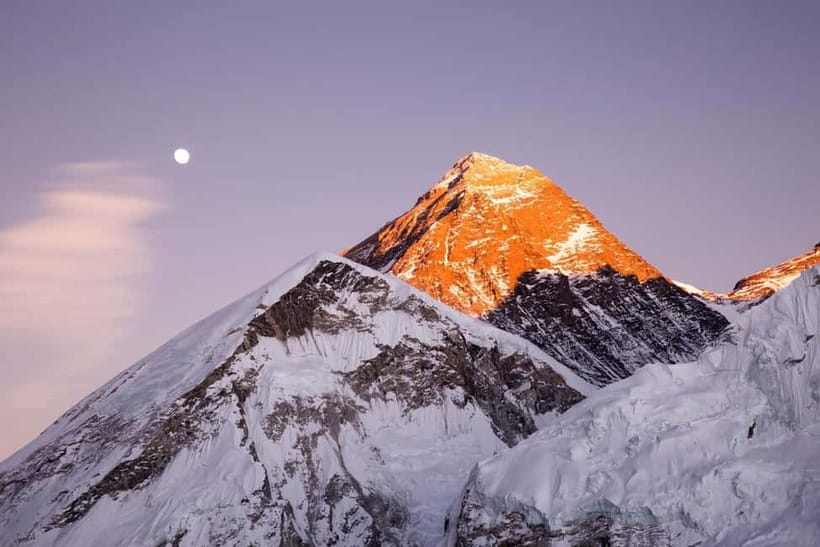
After Namche, the trek becomes more “Himalaya theater”: the views keep getting better, and the terrain changes in ways you feel in your legs.
Tyangboche (Day 4): a classic high stop
Day 4 hikes from Namche Bazar to Tyangboche (3,867m). This is one of the big Sherpa-route milestones. You’ll spend the night there in a tea house lodge, letting you enjoy the area and set your rhythm for the next leg.
Why this stop helps: it’s high enough to feel like progress, but not so high that you’re instantly climbing again at full intensity.
Rhododendron forests and the Imja Khola crossing (Day 5)
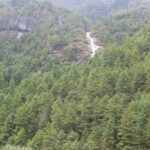
Day 5 shifts gears. You hike through a rhododendron forest, cross a suspension bridge over the Imja Khola, and then continue toward Minlinggo before entering the Imjatse Valley beneath peaks you’ll recognize: Ama Dablam, Nuptse, and Lhotse.
You’ll reach Dingboche for the night (4,260m). The value of this day is simple: it’s a long visual and sensory lead-in to Everest country—valleys, bridges, and then the dramatic walls of snow and rock that make the Khumbu region famous.
A drawback of this kind of route: suspension bridges and uneven trails can be tiring in wind or cold. Take it slow and keep your footing.
From Dingboche to Lobuche: The 5.5-Hour Step That Sets Up Everest Day
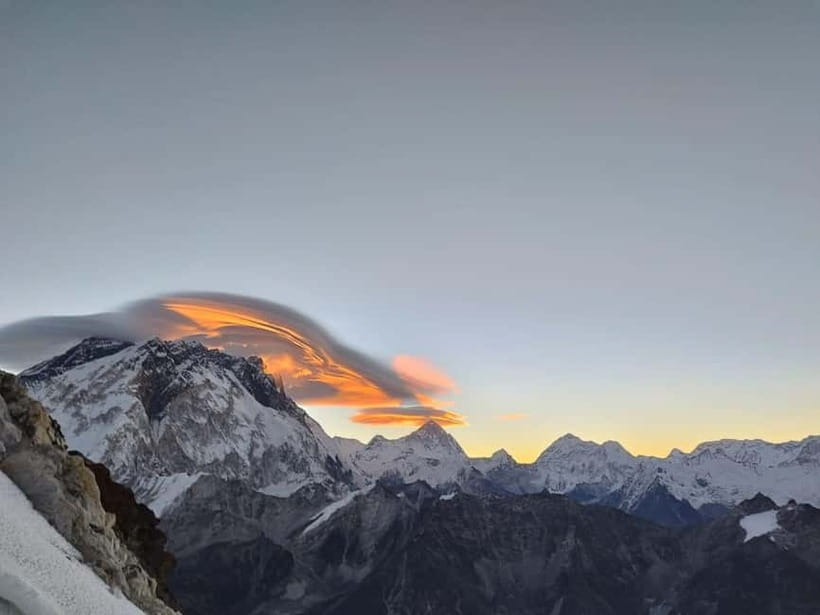
Day 7 is where your planning brain should kick in. The trek from Dingboche to Lobuche takes about 5.5 hours, with lunch in Dugla, and you arrive at Lobuche (4,930m).
This day is a key “bridge” between acclimatization life and high-altitude trekking. It’s not the final climb, but it pushes you into a higher oxygen reality. If you’ve been tempted to speed up because you feel good, resist. Save energy for Day 8-9.
Everest Base Camp and Gorakshep (Day 8): The Most Rewarding Segment
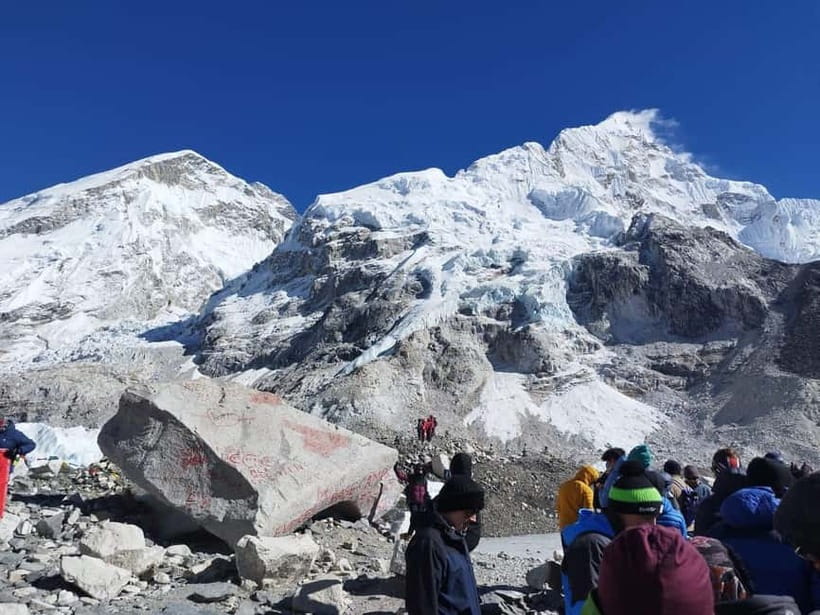
Day 8 is the heavy-hitter. You start after breakfast at Lobuche, trek via Gorakshep, and climb along rocky paths with big views of the Khumbu glacier.
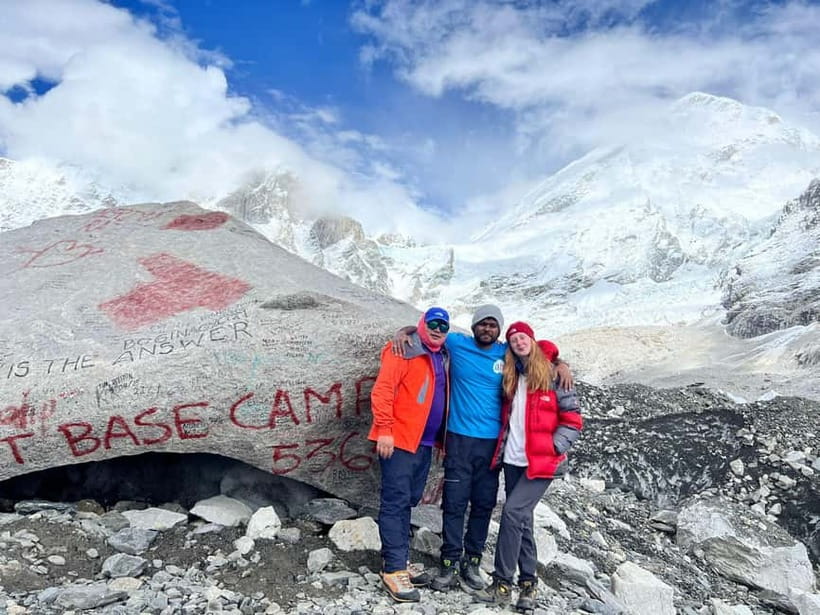
You reach Everest Base Camp at 5,364m, then head back to Gorakshep for the night.
This is one of the most rewarding sections of the excursion—so treat it like the day you’ll remember, not the day you sprint through. Your pace won’t be the same as lower trails. You’ll earn the payoff by keeping your breathing controlled.
Also: Base Camp here is a destination within a trekking route, not a “walk in the park.” It’s still high, still cold, and you’ll likely feel like the day takes more effort than you expected.
Kala Patthar and the Descent Engine (Day 9)
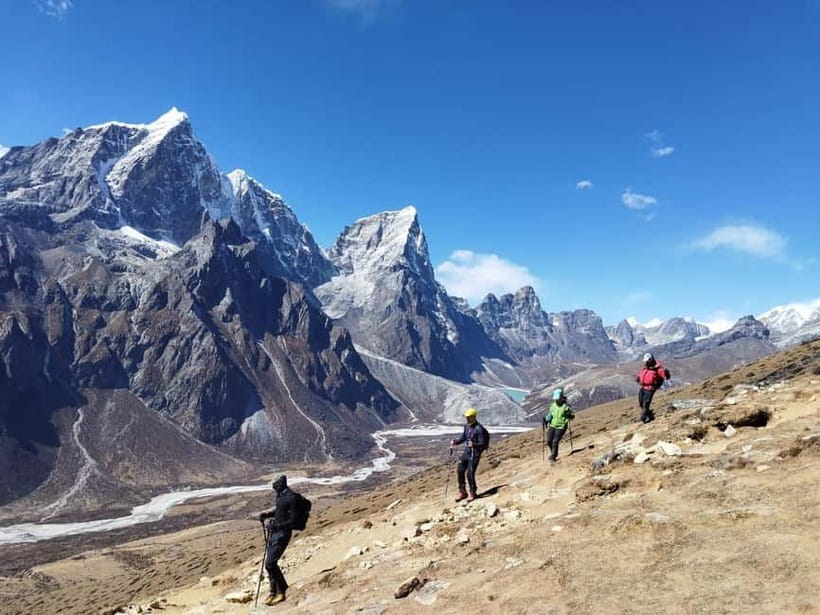
Day 9 is a two-step: Gorakshep to Kala Patthar (5,545m), then continuing on to Pheriche (4,243m) for overnight.
Kala Patthar is famous for a reason—at that altitude, you get a strong vantage for Everest’s surrounding drama. You’ll work for that view with altitude and cold, but the payoff comes from being able to see the region spread out around you.
Then comes the smart shift: you drop down to Pheriche for sleep. That descent matters because it helps your body recover from the high trekking days.
The Return Route: Tyangboche to Namche, Then Lukla
Days 10 and 11 are about moving downhill without turning it into a knee-killer.
Day 10: Pheriche to Tyangboche, then Namche Bazar
You start by hiking from Pheriche to Tyangboche (3,867m), then continue to Namche Bazar where you’ll spend the night (back around 3,440m altitude). This is a long day, but it’s also a relief: you’re going down into more oxygen and usually more comfortable temperatures.
Day 11: Namche to Lukla, last night at Lukla
You head to Lukla from Namche Bazar, with a final night in Lukla.
This is also the day you’ll appreciate having the logistics handled. When you’re tired, it’s nice to know your arrival plan is fixed.
Day 12: The Scenic Flight Back to Kathmandu
On Day 12, you board an early flight back to Kathmandu and then get transferred to your hotel by the tour representative.
That flight is the final “click” moment for many people. You’ve been chasing altitude for over a week; now you’re swapping thin air for city air, fast.
Value Check: Is $1,002 a Good Deal for Everest Base Camp?
At $1,002 per person, the price looks low enough to raise eyebrows—until you read what’s included.
What you get included:
- airport pickup and drop-off,
- domestic flight Kathmandu ↔ Lukla,
- paperwork, permits, and Sagarmatha National Park entry fees,
- the TIMS card fees,
- lodge/tea house accommodations during the trek,
- an experienced English guide (including salary/food/insurance),
- and trekking gear to use if requested: a jacket, sleeping bag, and duffle bag.
What’s not included:
- trek meals (breakfast/lunch/dinner),
- alcohol and non-alcoholic drinks,
- hot showers and internet during the trek,
- a porter (available for an extra cost),
- and travel insurance.
Here’s how I’d judge the value for you: this price covers the big “can’t-miss” items—permits, flights, lodging, and guiding. The main extra costs you should plan for are food and drinks during the trek, plus porter help if you want it. If you already have travel insurance and you’re okay paying for meals on-route, this can be a solid value for a guided Everest Base Camp plan.
Guides and Porters: The Human Part You’ll Feel Every Day
This trek’s success depends heavily on pacing, communication, and calm in cold conditions. The feedback you provided puts that in focus.
- Hari is named as a manager who helped someone prepare for the trip, with confidence built before hiking began.
- Padam is repeatedly praised as a guide who helped people feel safe in a dangerous environment, and also kept the mood light. One review notes the December nights were tough, but daylight sights made up for it.
- Nishan is praised for being kind and attentive, with a pace adjusted to individual needs.
- Rohan is mentioned as an excellent experienced guide, plus a porter named Bahla described as punctual (and given a fun nickname in the feedback).
- Adhish is mentioned as making the trip fun.
Why this matters: on this trek, the “guide job” isn’t just pointing the way. It’s managing time, altitude strain, and small decisions (when to rest, how fast to move, how to handle bad weather).
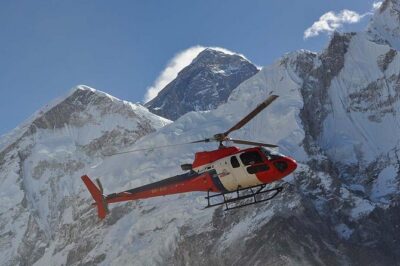
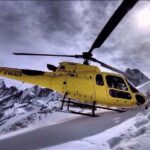
One more logistics detail from feedback: in at least one case, aircraft plans were adjusted to a helicopter due to weather, handled professionally. You can’t assume that will happen to you, but it’s a reminder that conditions can change fast in the Khumbu airspace.
What You’ll Actually Need to Bring (and What You Don’t)
For this trek, the explicit must-haves are simple:
- Passport.
And you should plan to deal with the realities of high-altitude trekking:
- nights can get cold,
- you’ll be moving on rocky paths and stairs,
- and you’ll want a small, efficient carry.
Good news: the included gear-to-use options (jacket, sleeping bag, duffle bag) can help reduce what you have to pack. Just remember the rule about no luggage or large bags—so pack smart from the start.
Who This Trek Fits Best (And Who Should Skip It)
This guided plan is listed as not suitable for:
- pregnant women,
- people with heart problems,
- wheelchair users.
That’s not just paperwork. Everest region trails involve sustained altitude, cold, and uneven paths—plus the risk factor rises if you have existing limitations.
Who it suits well:
- people who want a structured route with acclimatization days,
- hikers who don’t want to manage permits and transfers alone,
- and anyone who values a guide who can keep the group safe and moving at a realistic pace.
Should You Book This Everest Base Camp Trek?
If you want a guided, small-group Everest Base Camp trek that includes permits, domestic flights, tea house lodging, and a trained English guide, this looks like a strong fit. The itinerary is built around altitude management, and the praised guides and “felt-safe” comments point to good on-trail decision-making.
Book it if:
- you’re okay paying extra for meals during the trek,
- you can handle cold nights,
- and you fit the listed health constraints.
Skip it if:
- you’re planning to rely on wheel access,
- you have heart issues,
- or you’re seeking something more comfortable and less demanding. This is high-altitude hiking with real cold and real effort.
FAQ
What is the duration of the Everest Base Camp guided trek?
The trek runs for 12 days, from Kathmandu to Lukla and back to Kathmandu.
What’s the price for this tour?
The price is listed as $1,002 per person.
Are meals included during the trek?
No. Standard meals (breakfast, lunch, and dinner) during the trek are not included.
Do I need a porter, and what are the porter rules?
Porters are not included, but porter service is available for an additional cost. The information provided says one porter can assist up to 25 kg weight for up to 2 guests.
What domestic transport is included?
Return domestic flights between Kathmandu and Lukla are included, along with domestic airport pickup and drop-off.
What are the main lodging arrangements on the trail?
You’ll stay in lodges/tea houses during the trek for all nights included in the itinerary.
Is this trek suitable for everyone?
No. It is listed as not suitable for pregnant women, people with heart problems, and wheelchair users.