REVIEW · KATHMANDU
Annapurna Ghorepani Poonhill Trekking
Book on Viator →Operated by Nepal Horizon Treks and Expedition Pvt. Ltd. · Bookable on Viator
A Himalayan sunrise in just 8 days. What makes this trek so appealing is the mix of Poon Hill mountain views and real village walking in the Annapurna region, without needing technical climbing skills. I also like how the trip builds in time to ease into Nepal first, with UNESCO Kathmandu sights before you hit the trail.
The big possible drawback to plan around is the early start and stair-heavy sections. Even if the overall trek is often described as moderate, you’ll still feel it—especially if you’re newer to hiking.
In This Review
- What stands out on this trek (key takeaways)
- Why this trek works so well for first-timers
- Kathmandu before the trek: temples, squares, and getting your bearings
- Pokhara and the Trishuli River route: a calm break with real scenery
- Day 4: Nayapul to Ulleri—your first dose of steps and mountain drama
- Day 5: rhododendron and oak forests to Ghorepani
- Day 6: Poon Hill sunrise at 3,210m—how to get the best morning
- Day 7 and Day 8: rest in Kathmandu, then a proper send-off
- Price and value: what $400 covers (and what you should mentally add)
- The guides and service touch: what past hikers clearly appreciated
- Who should book this Annapurna Ghorepani Poon Hill trek
- Things to watch: altitude timing, stairs, and early mornings
- Should you book this trek or keep looking?
- FAQ
- How long is the Annapurna Ghorepani Poon Hill trek?
- Is airport pickup included?
- What meals are included in the price?
- What fitness level do I need?
- Is this tour private or shared with other people?
- Can I get a full refund if I cancel?
What stands out on this trek (key takeaways)
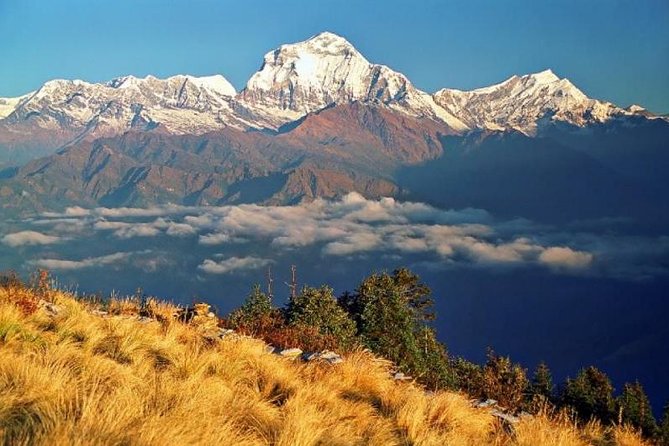
- Poon Hill at 3,210m with a sunrise-style payoff and wide panorama of multiple ranges
- Kathmandu culture days before the climb (Pashupatinath, Swayambhunath, Boudnath, and Durbar Squares)
- Easy-to-follow routing with classic villages like Tikhedhunga, Ulleri, and Ghorepani
- Forest walking through rhododendron and oak before you reach Ghorepani
- Local-service focus from Nepal Horizon Treks and Expedition, with guides like Raju and Bishal praised for support and care
Why this trek works so well for first-timers
This is one of those rare Nepal trips where the effort feels matched to the reward. You’re trekking in the Annapurna foothills, so the scenery is dramatic, but the route is geared for hikers who want altitude and mountain views without ropework or climbing gear.
What I like most is how the trek balances two kinds of experience. You get the obvious draw—early-morning views from Poon Hill—but you also get everyday Nepal: riverside villages, suspension bridges, stone steps, and teahouse-style hiking days. If you want a Himalayan intro that still feels authentic, this is a strong choice.
You can also read our reviews of more tours and experiences in Kathmandu.

Kathmandu before the trek: temples, squares, and getting your bearings
Your trip starts with an airport representative meeting you outside the terminal and transferring you to your hotel. Then you get an evening stroll around Thamel, the common base for travelers gearing up for trekking. It’s a practical way to get settled, pick up basics, and adjust to Nepal time before the first long day.
Day 2 is your Kathmandu culture buffer, packed with major UNESCO sights. You visit Pashupatinath Temple on the Bagmati River, Swayambhunath (the Monkey Temple), and Boudnath Stupa—plus Durbar Square areas including Patan Durbar Square. You’ll also pass through or near other temple clusters like Krishna Temple and Kumbheswore Temple, with mention of the Golden Temple as part of the wider circuit.
The value here is simple: it makes the trek feel less like a random jump into altitude. You learn the shape of the Kathmandu Valley, see different religious and cultural traditions side by side, and you’re less likely to feel lost when you later hear trekking logistics talked about in the same city.
Pokhara and the Trishuli River route: a calm break with real scenery
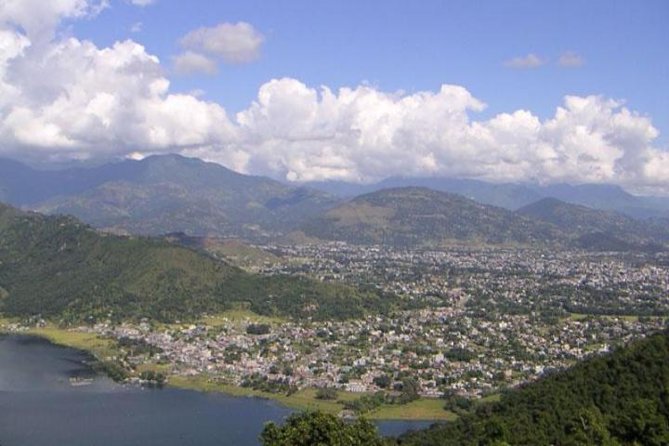
On Day 3, you drive from Kathmandu to Pokhara via the countryside and follow the Trishuli River corridor. Trishuli is also known for rafting, and this matters because it signals what you’ll feel on the road: fast scenery, big river energy, and a change in pace from Kathmandu.
Pokhara is where many trekkers decompress. Your afternoon is free after check-in, which is exactly what you want before a few days of walking. Use the time for a low-key meal, a short orientation walk, or simply resting your legs. The trek starts early enough that you’ll be grateful for this downshift.
Day 4: Nayapul to Ulleri—your first dose of steps and mountain drama
Day 4 is the day you officially start earning those sunrise views. You drive along a zigzag route to Nayapul, the usual starting point, and then begin trekking toward Birethanti, a riverside village at the confluence of the Modi and Bhurungdi Kholas.
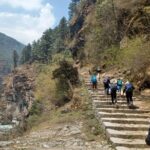
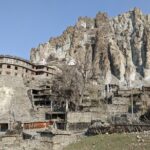
From there, the route climbs above Sudame, rises gradually toward Tikhedhunga, then crosses a suspension metal bridge. After that comes a steep push up a stone staircase to reach Ulleri. This part is classic Poon Hill trekking: it’s not long in distance, but it can feel punchy because of the repeated climbing.
The payoff on this day is not just the destination. It’s the sense of stepping into the Annapurna foothills—valley views opening up as you move uphill. Ulleri is also described as having amazing scenery with views toward Annapurna South and Hiunchuli, so you’re walking with mountains increasingly in view instead of staring at rocks the whole time.
Practical note: if you’re new to hiking, Day 4 is where you’ll learn your own pace. Keep it steady. Don’t sprint the stairs. Save your energy for sunrise later.
Day 5: rhododendron and oak forests to Ghorepani
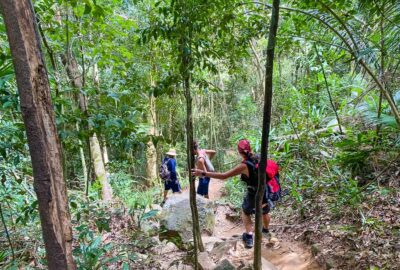
Day 5 shifts the mood from climbing to sustained effort through forest. You trek through dense stretches of rhododendron and oak, which is a big reason this trek feels more pleasant than some purely rocky routes. The scenery changes under your feet—shade, color, and forest texture—so it’s easier to keep walking without feeling stuck.
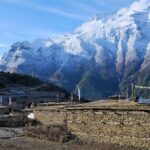
You’ll eventually reach Ghorepani, and the trip specifically highlights Upper Ghorepani (Deurali) as a viewpoint area. It’s noted for mesmerizing views across Dhaulagiri and the wider Annapurna range.
What’s smart about this day is that it sets you up for your Poon Hill morning. You’re not jumping straight into the steepest part without a buffer. You’re putting in real walking time, staying in the right area, and getting familiar with the trail rhythm before you wake up for the early hike.
Day 6: Poon Hill sunrise at 3,210m—how to get the best morning
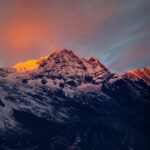
This is the centerpiece. On Day 6, after an early breakfast, you hike up to Poon Hill in about 45 minutes. Poon Hill sits at 3,210m (10,530ft), so the air feels sharper, and the early start matters for visibility.
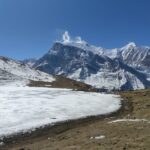
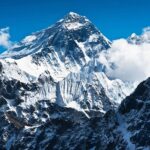
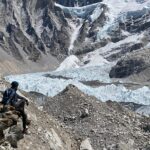
Once you reach the summit, the description is clear: you’ll get an unobstructed view of sunrise over the high Himalayas. You should expect a panorama that can include Dolpo (far western region), Mt. Dhaulagiri, the Annapurnas, Machhapuchhre (the fish tail peak), and Manaslu.
The sunrise experience is why many people do this trek. But I’d treat it like a full morning activity, not a quick photo stop. Give yourself time to adjust, watch light shift across peaks, and enjoy the moment without rushing back down instantly.
After sunrise, you trek downhill to Nayapul and then catch a private vehicle back to Pokhara. That’s a nice practical touch: you get to end the hard part and return to comfort before the trip turns back toward Kathmandu.
Day 7 and Day 8: rest in Kathmandu, then a proper send-off
On Day 7, you drive back to Kathmandu via the same general route. Once you arrive, you get time to rest, refresh, and enjoy a free day. You can shop for last-minute items or revisit places you want to see again now that you’re not carrying a backpack.
The evening includes a farewell dinner hosted by Nepal Horizon Treks and Expedition in a typical Nepali restaurant with cultural shows. This is a good capstone: it’s a reminder you’re not just hiking mountains—you’re also building a Nepal memory that includes food and performance.
Day 8 is departure day. Breakfast first, then optional last-minute shopping, then your airport representative transfer with plenty of time before your flight. In plain terms: no stressful scramble, which is exactly how you want to end a trek.
Price and value: what $400 covers (and what you should mentally add)
At $400 per person for an 8-day trip, the value mostly comes from what’s organized for you. Your package includes 7 breakfasts, 3 lunches, and 4 dinners. That’s a meaningful chunk of daily cost you don’t have to solve yourself after a long day of walking.
You also get key movement support. There’s airport pickup, transfer to and from trekking start points, and the back-and-forth between Kathmandu and Pokhara. That kind of logistics is usually where first-time trekkers accidentally overpay or lose time.
What’s not included is also important for your planning: international flights and visa fees are separate, and some city meals are not covered. WiFi on board is listed as not included too, which matters mainly if you’re the type who wants to post sunrise updates immediately.
Also, since this is priced as a private tour/activity with only your group participating, you’re not just paying for the trek. You’re paying for coordination and a more controlled schedule—useful when you want your guide to help pace you and keep things moving.
The guides and service touch: what past hikers clearly appreciated
The most repeated praise in the feedback is service quality: care with food, attention to accommodation, and concern for health while trekking. That’s not a small thing. In the Himalaya, the difference between a good trip and a frustrating one is often hydration, timing, and whether someone notices you’re not feeling right.
Several guide names come up. Raju is repeatedly mentioned for strong support, professionalism, and being helpful—especially for people who found the trek hard as beginners but still made it to the top. Bishal is also singled out for being kind, funny, and helpful. Dipendra appears as an owner/manager figure who helped with planning and smooth arrangements, while Deep shows up in a specific context: organizing a Poon Hill plan for hikers who arrived with minimal cold-weather gear.
If you’re considering this trek, I’d take those clues seriously. On any Poon Hill itinerary, the sunrise is scheduled, but your comfort is not automatic. A good guide makes the difference between pushing too hard and actually enjoying the walk.
Who should book this Annapurna Ghorepani Poon Hill trek
You’ll probably love it if you:
- want a beginner-friendly Himalayan introduction with moderate fitness requirements
- like a trip that mixes culture time (Kathmandu) and water-and-mountain reset time (Pokhara)
- want iconic sunrise views without long, high-intensity routes
- travel as a small group, since this is private and only your group participates
It’s also a good match for families and hikers looking for a shorter itinerary. The trekking route is described as comfortable altitude trekking beneath high mountains, and it’s built around approachable village stages.
If you’re extremely time-limited, it still works because the main trek is condensed into a short sequence with Poon Hill as the highlight. Just don’t treat it like a casual stroll—Day 4’s staircase climb is real effort.
Things to watch: altitude timing, stairs, and early mornings
Even when a trek is called moderate, you’re still hiking at altitude and walking up repeated elevation changes. Poon Hill is 3,210m, and you’ll be up early. That means cold mornings, early movement, and a body that may feel a bit stiff until you warm up.
The itinerary also includes steep stone steps around Ulleri. If you have knee issues, plan for slower pacing and more frequent breaks. If you’re sensitive to cold, pack layers for sunrise. The feedback around gear guidance from leaders like Deep is a hint that cold-weather planning matters.
Finally, remember that you’re doing this as a short trek. Short trips are great, but they mean you’re stacking key experiences—Kathmandu sights, Pokhara decompression, multiple trekking days, then the return to Kathmandu.
Should you book this trek or keep looking?
Book it if you want the classic Poon Hill sunrise payoff plus real Nepal culture, all within a tight schedule. The combination of Kathmandu UNESCO sights, Pokhara reset time, and a trekking route designed for moderate fitness is a strong formula—especially if you’re new to trekking.
I’d lean “yes” for groups who value good on-the-ground care. The service notes—food and accommodation attention, health awareness, and guide support from people like Raju and Bishal—are exactly what you hope for on a short, high-visibility itinerary.
I’d also say “book” if your goal is a well-run, structured trip with transfers handled, not a self-planned scramble.
If you hate early mornings, hate stairs, or want a fully off-the-beaten-path route with no major tourist landmarks at all, you might feel less thrilled. But if sunrise views, mountain villages, and organized support are your priorities, this is a very sensible choice.
FAQ
How long is the Annapurna Ghorepani Poon Hill trek?
The trek is listed as about 8 days in total.
Is airport pickup included?
Yes. The airport representative meets you outside the airport terminal and transfers you to your hotel at the start, and you also get an airport transfer on the final day.
What meals are included in the price?
The package includes 7 breakfasts, 3 lunches, and 4 dinners.
What fitness level do I need?
You should have moderate physical fitness level for this trek.
Is this tour private or shared with other people?
It is private. Only your group participates.
Can I get a full refund if I cancel?
Yes. Free cancellation is available if you cancel up to 24 hours in advance of the experience start time for a full refund.