REVIEW · UBUD
Mount Batur Sunrise Trekking Private Guide
Book on Viator →Operated by Private Bali Tours · Bookable on Viator
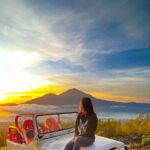
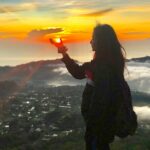
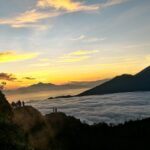
Sunrise on an active volcano feels unreal. A Mt. Batur crater-rim sunrise is the main event, and the included volcanic-steam breakfast gives you real energy for the walk. The only catch is the weather: if clouds roll in, the sunrise can be less dramatic, and the hike still takes real effort.
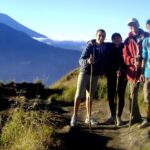
What I really like is how the experience is handled like a proper private outing: a local guide, your own group, and a flashlight for the early-dark climb. Pickup is available, and it can be as smooth as having a driver like Hendra sharing practical tips before you head up.
Then there’s the “build your day” part. The base trek is short, but you can tack on extra stops like hot springs, temples, rice terraces, and even a waterfall. This matters because Mt. Batur is often enough to fill your morning, and you’ll have time to keep exploring after.
In This Review
- Key things that make this Mt. Batur trek work
- Mt. Batur sunrise: what makes it special (and why it’s worth the early start)
- The 4-hour rhythm: what your morning is likely to feel like
- Volcanic-steam breakfast: simple, filling, and actually relevant
- Stop-by-stop: how the day flows around Kintamani and beyond
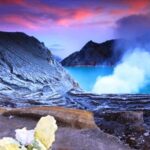
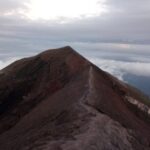
- Mount Batur (the main event)
- Istana Tampak Siring (a cultural and scenic pause)
- Batur Natural Hotspring
- Kintamani
- Lake Batur (Danau Batur)
- Tegalalang Rice Terrace
- Tirta Empul Temple
- Kanto Lampo Waterfall
- Private guide logistics that actually matter
- Transfers from Ubud and the south coast: easy mode vs. self-arrange
- Price and value: why $17.11 can make sense here
- Fitness and comfort: who will enjoy this most
- Weather reality check: when sunrise gets cloudy
- Should you book this Mt. Batur sunrise trek?
- FAQ
- How long is the Mt. Batur sunrise trekking experience?
- Is pickup included?
- What’s included in the trek?
- What should I bring or expect regarding fitness?
- What does the itinerary include besides Mt. Batur?
- What happens if weather is poor?
Key things that make this Mt. Batur trek work
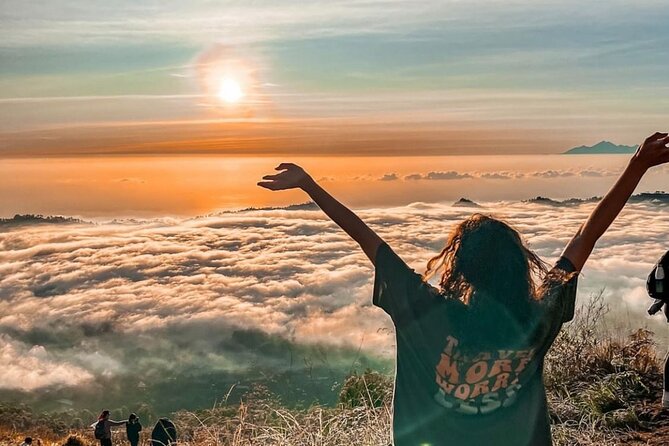
- Crater-rim sunrise goal: you’re going for the rim view at first light, not just a hike with photos later.
- Volcanic-steam breakfast included: fuel that feels very Bali and very Mount Batur.
- Private guiding with flexible pace: you can move at a pace that fits your legs, not a sprinting group.
- Practical hike kit included: flashlight, bottled water, and an air-conditioned vehicle.
- Easy to combine with north Bali: your morning can roll into Kintamani scenery, Tirta Empul, Tegalalang, and Kanto Lampo, depending on the package you pick.
- Weather-dependent: good conditions matter because sunrise is the whole point.
Mt. Batur sunrise: what makes it special (and why it’s worth the early start)
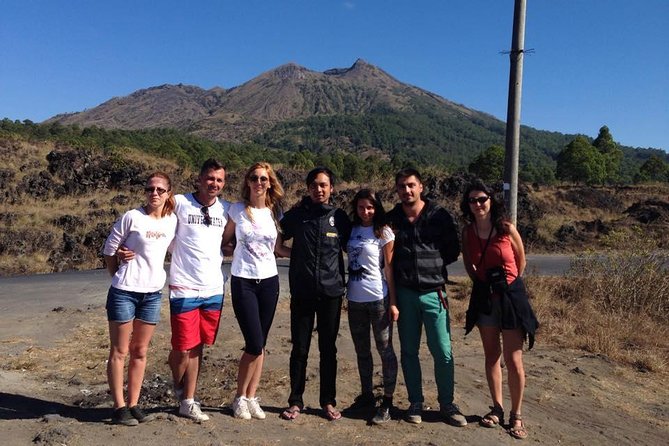
Mt. Batur isn’t a sleepy viewpoint. It’s an active volcano in Bali’s higherlands, and the whole vibe starts the moment you begin the climb in the dark. You’re working uphill while the world is quiet, then the crater rim opens into a wide view as light comes up. That rhythm is what makes this feel different from a standard day trip.
I also like that the trip is designed around a clear outcome. The goal is sunrise from the crater rim, which means you’re not wasting time hopping between random stops. Even the included breakfast is tied to the experience, cooked using volcanic steam, so you’re getting an edible souvenir, not just a scenic one.
One practical note: sunrise depends on cloud cover. If it’s overcast, you may still get dramatic caldera views, but the “golden moment” can be muted. If you’re the kind of traveler who hates uncertainty, you might want a backup plan for the rest of your day, because weather can change what you see.
You can also read our reviews of more tours and experiences in Ubud.

The 4-hour rhythm: what your morning is likely to feel like
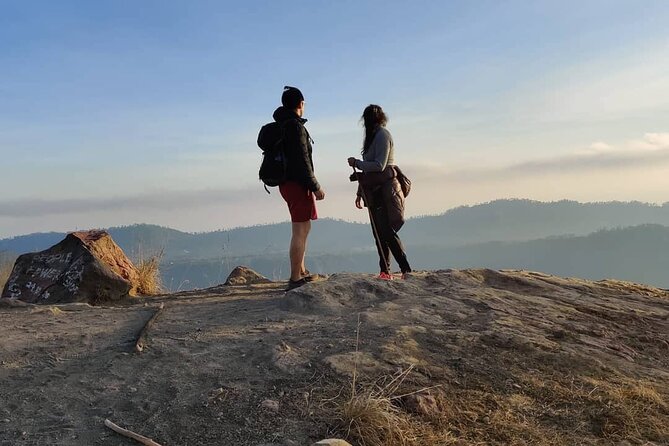
The trek is listed at about 4 hours total, which is a big deal. It’s long enough to feel like a real adventure, but short enough that you’re not stuck on the go all day.
A clear example of what that pacing feels like: one experience described the climb taking about 1.5 hours and the descent around 1 hour. That’s not “easy-peasy,” but it’s also not an all-day endurance test. Your guide will help set a pace, and since it’s private, you’re not dragged along by fast walkers or slowed down by slower ones.
You should also plan for the fact that early starts mean cooler air on the mountain. Even if Bali is warm later, dawn on Batur can feel chilly, and you’ll be moving at altitude in low light. Wear shoes that handle uneven footing and bring layers you can move in.
Volcanic-steam breakfast: simple, filling, and actually relevant
The breakfast is not a fancy buffet. It’s described as a light breakfast on top of the volcano, cooked using volcanic steam. Translation: you get something warm and filling right where the story happens.
This is smart for two reasons. First, you’re burning energy on the hike, so having food up there helps you avoid the dreaded mid-morning crash. Second, it anchors the sunrise moment. Instead of chasing photos and then scrambling for breakfast later, you’re fueled as part of the climb.
What to expect in practice: you’ll get bottled water included, and you’ll have a chance to reset before heading down. Since the trek ends back at the meeting point, that breakfast timing helps you avoid spending the rest of the day searching for a café while everyone else is relaxing.
Stop-by-stop: how the day flows around Kintamani and beyond
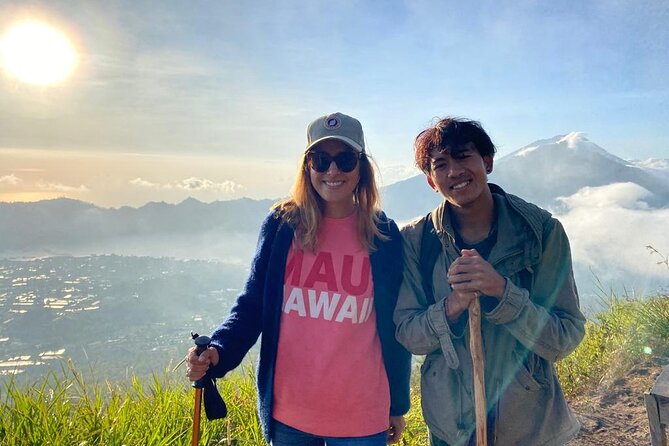
The experience includes a set of stops, but the way they fit together depends on what you choose to add. Think of the listed itinerary as your menu: the Mt. Batur sunrise trek is the core, and other stops can be layered on, especially because the climb finishes early.
Mount Batur (the main event)
This is your crater rim sunrise. The focus is the climb, the timing, and the view when the horizon lights up. The good part: this is the kind of scenery you can’t fake later in the day. The consideration: it’s still a hike, so plan your effort for uphill seconds, not just downhill comfort.

Istana Tampak Siring (a cultural and scenic pause)
Istana Tampak Siring is a named stop on the route. In practical terms, you’ll be taking a break and getting a change of scenery as your day extends beyond the volcano. If you’re doing the add-ons, this is one of those “small detours that make the day feel complete” moments.
Potential drawback: if you’re mostly chasing sunrise and want minimal extra driving, you might skip the later add-ons and keep your day simple.
Batur Natural Hotspring
After a sunrise trek, hot springs can feel like the best decision you’ll make all day. This stop gives you a way to recover while still staying on the same overall theme: Bali’s natural energy, steam, heat, and landscapes.
Consideration: hot springs can be relaxing, but timing matters. If you go too long, you can run behind for later sightseeing stops.
Kintamani
Kintamani is more than a dot on the map here. It’s part of the caldera region’s viewpoint vibe. If you’re the sort of traveler who likes big overlooks and natural scale, Kintamani fits that style.
In a day with multiple add-ons, Kintamani also works as a “reset stop” where you’re not constantly walking.
Lake Batur (Danau Batur)
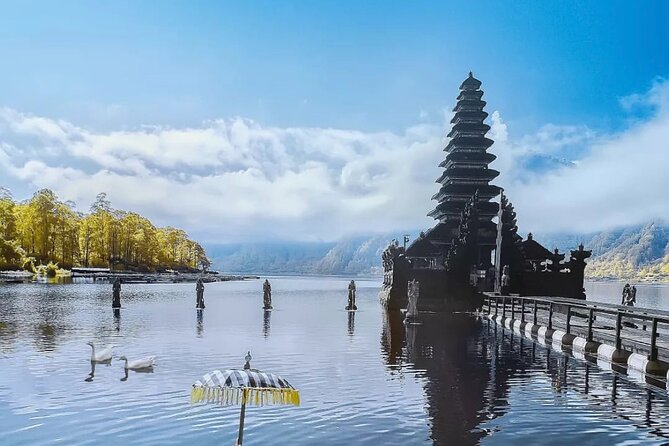
Lake Batur is the visual partner to the volcano. You’re moving through viewpoints where the lake and crater landscapes shape the scene. Even when sunrise is clouded, you can still get strong contrast from the water and slopes.
A simple takeaway: if you want photos, you’ll want to be ready at the stops rather than expecting everything to fall perfectly into place.
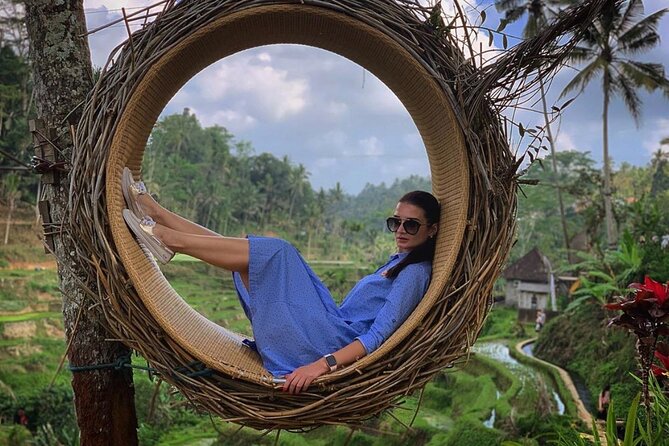
Tegalalang Rice Terrace
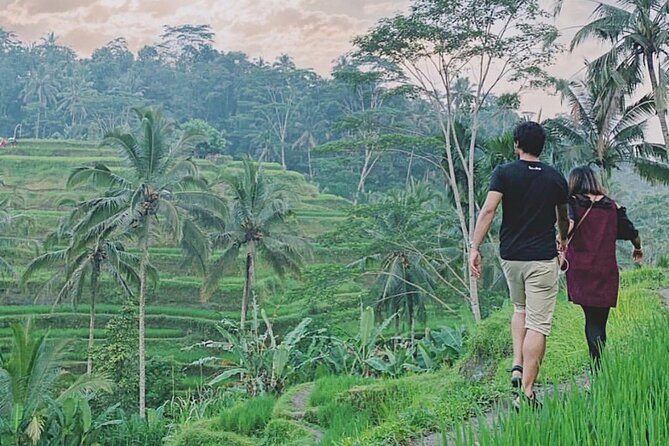
Tegalalang Rice Terrace adds a classic Bali look: terraced farmland and layered green (even if the day isn’t perfectly clear). If your sunrise is mostly about volcano drama, Tegalalang gives you a calmer, cultural landscape style.
Tradeoff: rice terrace stops are often photo-focused. If you’d rather spend your energy on hands-on moments, keep your expectations realistic and use the time for quick viewpoints rather than assuming it will be a long guided walk.
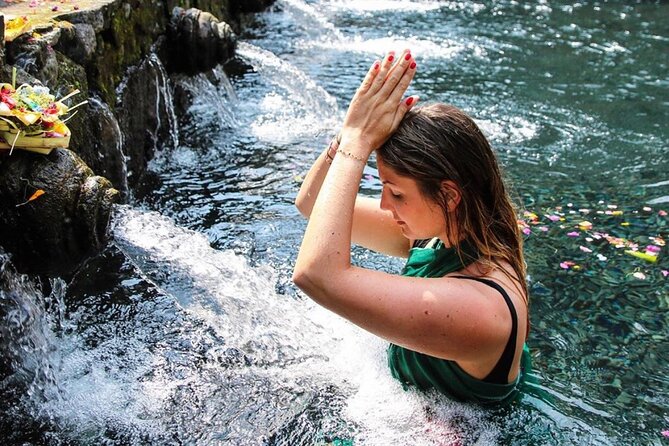
Tirta Empul Temple
Tirta Empul Temple is included as another named stop when you choose the broader day plan. This is where the trip shifts from scenery into place-based culture.
Practical note: temples usually come with dress and etiquette needs, and you should plan on respecting the space. Bring a cover if you’re unsure, and keep your movements calm.
Kanto Lampo Waterfall
Kanto Lampo Waterfall is your final nature-focused stop. If you finish your morning on an active volcano, a waterfall is a great way to keep the day feeling like “Bali’s energy” instead of just “driving and looking.”
Consideration: waterfalls can be less impressive after heavy rain or if trails are slick. You’ll want sturdy shoes, since you’re still on a day that includes hiking.
Private guide logistics that actually matter
This is listed as a private tour/activity, so only your group participates. That sounds like a marketing line, but for this specific kind of activity, it changes the feel. You’re walking in the dark before sunrise. Having someone local who can pace you and guide you safely makes the experience more comfortable, especially if you’re not a regular early-morning hiker.
You’ll also get an air-conditioned vehicle and bottled water, plus a flashlight included. Those details matter because they reduce stress. You don’t have to hunt for supplies in the evening before you climb.
Also, you’ll have a mobile ticket, which is helpful if you prefer fewer paper pieces. Confirmation is received at the time of booking.
If you’re comparing options in Bali, this is one reason to consider private rather than group: you can move at a pace that suits you without losing the sunrise timing.
Transfers from Ubud and the south coast: easy mode vs. self-arrange
Pickup is offered, and transfers can be upgraded from areas including Ubud, Seminyak, Nusa Dua, Sanur, or Canggu. This matters because Mt. Batur is not next door to the beach neighborhoods.
If you’re staying in Ubud, the upgrade can be a convenience win: you avoid early-morning navigation and parking stress. If you’re farther out, the value of transfers tends to increase because drive time can eat into your day more than you expect.
What I’d do: if your hotel is listed in the transfer areas, seriously consider the upgrade. Waking up, grabbing a scooter, and timing a sunrise hike is how you end up rushing. A vehicle with an early pickup lets you arrive calmer and ready.
Price and value: why $17.11 can make sense here
The price listed is $17.11 per person, with the experience typically booked about 8 days in advance on average. On paper, that’s low for a private sunrise trek experience, especially one that includes breakfast, a local guide, and added support items like flashlight and bottled water.
Here’s how I think about value for this kind of activity:
- You’re paying for an early morning with logistics handled (guide + timing + transport support).
- You get something tangible tied to the volcano: a light breakfast cooked in volcanic steam.
- The trek is time-efficient at about 4 hours, which makes it easier to justify alongside other Bali plans.
- You can extend the day with add-ons (hotspring, temples, terraces, waterfall), which can spread your overall travel costs across a bigger sightseeing day.
The only situation where it may feel less like a bargain is if you end up adding multiple paid extras elsewhere. But if you’re staying flexible and choosing the package options that fit what you want to see, the base value is strong.
Also, this experience has a 5/5 average rating from 26 bookings. That matters because sunrise treks can be hit-or-miss when weather is bad. A high score usually signals smoother execution.
Fitness and comfort: who will enjoy this most
The guidance is moderate physical fitness. That’s a fair description based on the hike timing people commonly report: it’s uphill effort, then a descent that still takes coordination.
This works best if you:
- can walk uphill for about 1.5 hours at a steady pace
- don’t mind early wake-ups
- want a mix of nature and culture in one morning-to-midday flow
You might rethink if you have knee issues or you’re prone to getting cold easily, because you’ll be climbing before the sun warms things up. If you’re unsure, ask your guide to set a pace that protects your knees on the way down.
One more comfort tip: bring a headlamp if you have one, even though a flashlight is included. It’s not required by the information provided, but it can make you feel more in control. On Batur, small extras can be big comfort when it’s still dark.
Weather reality check: when sunrise gets cloudy
The experience requires good weather. That’s not a small detail; it’s the whole point. If clouds block sunrise, you’ll lose some of the drama in the sky even though the hike and the landscapes still happen.
The good part is that you’re not paying for a fragile, one-minute event only. The volcanic steam breakfast, crater area, and the broader caldera views can still deliver a memorable morning even if the sky doesn’t fully cooperate.
If the weather forces a cancellation, you should expect options like a different date or a full refund. That gives you some confidence, because you’re not stuck absorbing the disappointment.
Should you book this Mt. Batur sunrise trek?
Book it if you want a classic Bali “this is why I came” morning: an active volcano sunrise target, a guided hike with practical gear, and breakfast that feels tied to the place. The private format is especially worth it if you hate feeling rushed in the dark.
Skip or simplify the add-ons if you’re short on time, prefer fewer stops, or want a purely volcano-focused morning. The core sunrise trek is the star, and you can always let the day be whatever you feel like after you return.
If you’re deciding today, I’d weigh two things: your comfort with moderate uphill hiking and your willingness to accept weather uncertainty. If both are fine, this is a solid-value way to experience Mt. Batur at first light.
FAQ
How long is the Mt. Batur sunrise trekking experience?
It runs about 4 hours (approx.). The activity ends back at the meeting point.
Is pickup included?
Pickup is offered. Transfers are available as an upgrade from Ubud, Seminyak, Nusa Dua, Sanur, or Canggu.
What’s included in the trek?
A local guide, light breakfast on top of the volcano, a flashlight, bottled water, and an air-conditioned vehicle.
What should I bring or expect regarding fitness?
You should have moderate physical fitness. The hike is not described as extreme, but it is still an active uphill walk in time for sunrise.
What does the itinerary include besides Mt. Batur?
Depending on the package you choose, the day can include stops such as Istana Tampak Siring, Batur Natural Hotspring, Kintamani, Lake Batur (Danau Batur), Tegalalang Rice Terrace, Tirta Empul Temple, and Kanto Lampo Waterfall.
What happens if weather is poor?
The experience requires good weather. If it’s canceled due to poor weather, you’ll be offered a different date or a full refund.