REVIEW · UBUD
Bali Pure trek with spiritual journey, purification ceremony, local priest -Ubud
Book on Viator →Operated by Bintang Komodo Tours · Bookable on Viator
Water, prayers, and rice terraces in one day.
This Bali Pure trek pairs Bali Hindu ceremony with a countryside hike, starting in the cool Kintamani area and ending back in Ubud. I especially liked the coffee plantation breakfast with tastings, fruit, and a calm start before you hit the trails.
I also love the practical side of this spiritual route: private water purification at a temple, followed by time with a local priest/healer. One possible drawback to consider is that the purification and priest visit are very traditional and personal, so if you dislike ceremonies or water-on-body rituals, you may feel out of place.
In This Review
- Key highlights you should know
- From Ubud to Kintamani: bamboo forest trek with real rural views
- Coffee plantation breakfast: why it matters before a full spiritual day
- Tampaksiring purification at a riverside temple: the Melukat experience in practice
- Meeting a local priest/healer after purification: calm, guidance, and culture
- Back toward Ubud: temples and secret spots without the tourist rush
- What’s included (and why the included items are smart)
- Price and value: is $95 a fair deal for an 8-hour private spiritual day?
- Who this Bali Pure trek is best for
- A few practical tips to get the best from the day
- Should you book Bali Pure with spiritual journey in Ubud?
- FAQ
- FAQ
- What time does the Bali Pure trek and spiritual journey start?
- Does this experience include pickup and drop-off in Ubud?
- What is included in the price?
- Are admission tickets included?
- What is the purification ceremony like?
- Do I need to bring a sarong for the ceremony?
- Is this a private tour?
- What’s not included in the tour price?
- What happens if the weather is poor?
- Can I cancel for a refund?
Key highlights you should know
- Melukat-style purification at a riverside Hindu temple in Tampaksiring
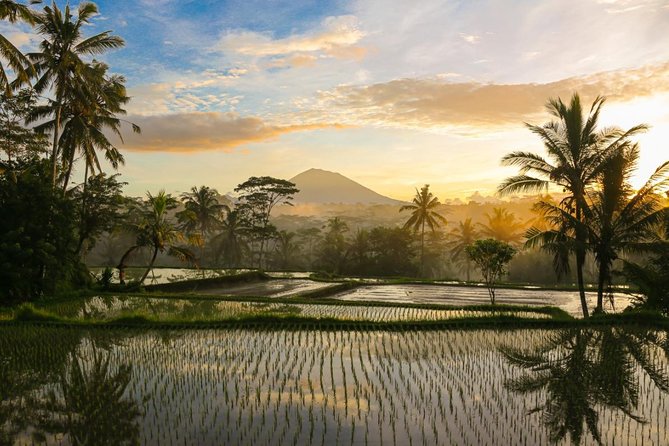
- Kintamani bamboo forest + jungle-like trekking with rice-terrace scenery
- Sarong and towel provided for the purification ceremony
- Coffee tasting and fruit breakfast, plus lunch in a village setting
- Local priest/healer session after the ritual to connect it to everyday life
- Private transport and pickup/drop-off so you can focus on the experience
From Ubud to Kintamani: bamboo forest trek with real rural views
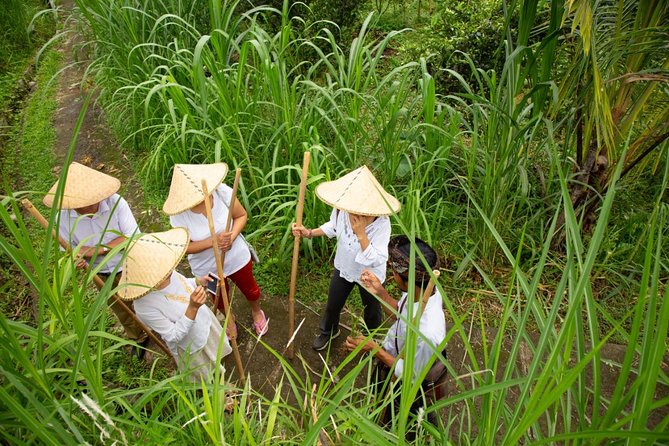
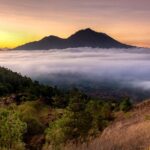
The day starts early, around 7:30 am, with pickup offered and private transportation that keeps things simple. You’re heading toward Kintamani first, where you begin near what’s described as the largest bamboo forest in Bali and get big views over the volcano and lake area.
Before the hike, there’s a coffee plantation stop for breakfast. This isn’t just a quick coffee break. You get coffee and/or tea tasting plus a small breakfast, and the fruit portion is a real treat because it’s the kind of meal that makes the rest of the morning easier on your energy level. If you’re the type who always wonders how the island grows flavors, this is where you get that answer without turning it into a hard sell.
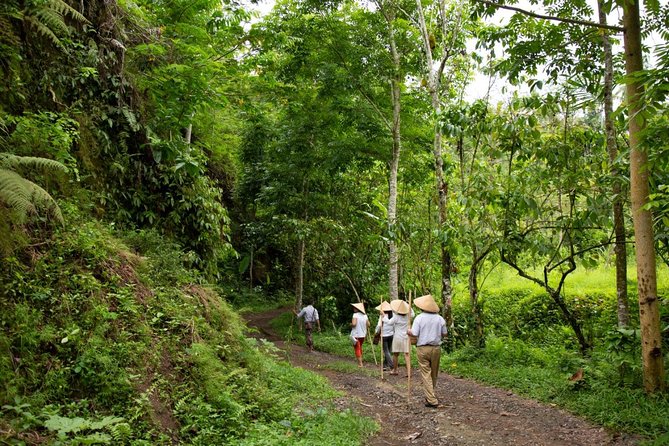
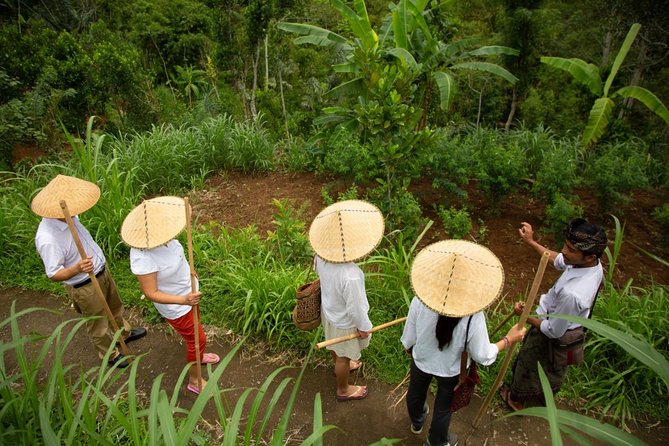
Then the trek begins. You’ll walk through lush, jungle-like paths with village scenes and temples along the way. It’s not presented as a “sporty” hike; it’s more of a slow, guided walk through how people live, farm, and worship in the countryside. Your guide also talks about local culture, Bali Hindu beliefs, and history as you go, so the route feels like a moving classroom, not just a path with photos.
One thing to mentally prepare for: this is a full-day rhythm. When you’re out walking in warm Bali weather, even “easy scenic trekking” feels longer if you don’t pace yourself. Plan to stay relaxed, drink your bottled water, and accept that you’re going to be in motion for hours.
You can also read our reviews of more tours and experiences in Ubud.

Coffee plantation breakfast: why it matters before a full spiritual day
This tour gives you a breakfast that functions like fuel and a warm-up. The tastings and fruit mean you’re not starting the trek hungry or stuck relying on later meals.
I like tours that put food at the right moment. Here, breakfast happens before the walking, so you get to enjoy it instead of wolfing it down in transit. You’ll also be in a better mood for the emotional parts of the day, because temples and ceremonies go smoother when you’re not running on empty.
If you have a sensitive stomach, start with small tastes. The tour doesn’t say this is a strict “only coffee” setup; it’s coffee and/or tea, and you can choose what feels comfortable.
Tampaksiring purification at a riverside temple: the Melukat experience in practice
After the morning trek, you shift toward a totally different kind of focus: stillness, ritual, and water. Your next stop is in Tampaksiring, where you’ll take part in a private water purification ceremony at an ancient Hindu temple on a river.
This is where the tour’s spiritual identity shows clearly. The purification involves being cleansed with free-flowing water beneath a waterfall stream. The goal is described as warding off disease and purifying the mind and body. In plain terms: you’re not just watching ritual; you’re joining it, and that changes the day’s energy.
A key practical detail is that towel and sarong are included, which matters. Ceremonies can be expensive and stressful if you have to scramble for clothing. Here, you’re set up to participate correctly without turning the morning into a shopping errand.
That said, consider how you feel about being wet and changing your normal routine. Even if you’re comfortable with water, the experience is designed to be taken seriously, so arrive ready to slow down and follow guidance.
Also note the length: you’ll spend about one hour here. That’s long enough to feel the rhythm of the ritual, but not so long that it becomes exhausting or numb.
Meeting a local priest/healer after purification: calm, guidance, and culture
Right after purification, the day continues with another spiritual layer. You’ll visit a local priest and spiritual healer and spend time in the village area afterward.
This part is positioned as the bridge between ritual and daily life. The priest/healer visit is described as helping you feel relaxed, healthier, and rejuvenated. Whether you take that literally, spiritually, or just as a soothing guided moment, the structure makes sense: purification first, then personal guidance.
Spending about three hours in this segment is a lot of time, but it’s not just sitting. You’ll also stop at the village for lunch, and you’ll have a chance to chat and learn more about Balinese culture while you’re there.
This is the point where the day becomes more human. A guided explanation can turn into real conversation, and that’s often what people remember. One of the supplied reviews highlights how the guide put real effort into explaining different facets of Balinese life and answering questions, even adjusting so you could see a temple. That kind of flexibility makes a big difference on a day like this, where meaning matters more than rushing from one sight to the next.
If you’re visiting Bali for spirituality, this priest/healer stop is one of the strongest reasons to book. If you’re visiting for scenery alone, it may feel like a different pace than you planned. You’re trading a sightseeing-heavy day for a meaning-heavy one.
Back toward Ubud: temples and secret spots without the tourist rush
Once lunch ends, you head back toward Ubud. You’ll visit more temples and some secret spots along the way.
This portion is shorter, about two hours, and it works like a buffer. You’re not starting another long hike, but you’re still out seeing the island’s sacred and everyday spaces. The “secret spots” wording suggests you’re not only doing the most famous stops, which usually means calmer photos and less crowd energy.
It’s also where you can catch your breath after the emotional intensity of purification and the priest visit. By now, you’ll likely have a clearer sense of what the day is trying to do: connect Bali’s spiritual practices with the physical land you walked through earlier.
The tour ends with drop-off at your hotel in Ubud, about 30 minutes.

What’s included (and why the included items are smart)
This tour is priced as a full experience, not just a hike with a ceremony tacked on. What’s included helps you participate without friction.
Included items:
- Towel and sarong for the purification ceremony
- Coffee tasting and small breakfast
- Lunch
- Bottled water
- Private transportation
- All fees and taxes
- Admission tickets marked as free for the stops included
The sarong and towel are the big “quality of life” items here. They remove a common headache when you’re joining sacred activities in Bali Hindu spaces. The food is also well placed: breakfast before trekking and lunch after the more intense spiritual segment.
What’s not included is also clear: donations and gratitudes. In many Bali ceremonies, offerings are part of the cultural etiquette. The tour doesn’t force you to pay this as a package; it leaves room for your own comfort level. If you want to be respectful, budget a little for that.
Price and value: is $95 a fair deal for an 8-hour private spiritual day?
At $95, this is not a cheap “just transport me around” tour. But it’s also not priced like a high-end luxury wellness retreat. The value comes from three things the day includes: meaningful guided time, participation materials, and meals.
You’re getting:
- A countryside trek with guidance and cultural explanation
- A private purification ceremony with included sarong and towel
- A priest/healer visit plus time in a village setting
- Breakfast, lunch, bottled water, and transport
That combination is the real value. Many tours split these elements across different bookings, different days, or without the same level of participation in the ritual. Here, you’re paying once for a structured spiritual journey that also includes physical movement and traditional meals.
Two practical value notes:
- If you can travel in a group and qualify for group discounts, the per-person value improves.
- Because admission tickets are marked free and fees are included, you’re less likely to get surprise costs mid-day.
Who this Bali Pure trek is best for
You’ll probably love this tour if you:
- Want a Bali day that mixes spirituality and countryside walking
- Enjoy guided explanation of Bali Hindu ritual and daily life
- Want a calmer, more personal experience than a standard bus tour
- Are comfortable joining ceremonies that involve water contact
It may not be the right fit if you:
- Dislike rituals or being part of a structured ceremony
- Want only “look at stuff” sightseeing with minimal cultural participation
- Get uncomfortable in wet conditions or don’t like changing your routine
A few practical tips to get the best from the day
Even though the tour provides key ceremony items, you still control how comfortable you feel.
- Wear comfortable shoes for trekking. You’ll be on a countryside route that isn’t a smooth city sidewalk.
- Plan for warm weather. You’ll walk for hours and then spend time at temples.
- Think about modest coverage and follow the guidance you’re given for the ritual.
- Keep expectations flexible. The value isn’t only in the views; it’s in how the day’s meaning connects.
Should you book Bali Pure with spiritual journey in Ubud?
If you want Bali in a way that goes past postcards, I’d lean yes. This tour is built around participation: purification, priest/healer guidance, and a countryside trek that ties culture and belief to the land. The inclusion of sarong/towel, meals, and private transport makes it feel organized and respectful without turning it into a hard-sell show.
Book it if you’re curious about the spiritual side of Bali and you’re okay with a day that’s more reflective than checklist. Skip it if ceremonies and water-contact traditions aren’t your thing, because this experience is designed to be felt, not just observed.
FAQ
FAQ
What time does the Bali Pure trek and spiritual journey start?
The tour start time is 7:30 am.
Does this experience include pickup and drop-off in Ubud?
Yes. Pickup is offered, and the tour ends with drop-off at your hotel in Ubud.
What is included in the price?
The experience includes private transportation, bottled water, towel and sarong for the purification ceremony, coffee and/or tea tasting with a small breakfast, and lunch. All fees and taxes for the included parts are also covered.
Are admission tickets included?
The stops are listed with admission ticket free, so you generally should not need to pay for entry during the included visits.
What is the purification ceremony like?
You’ll take part in a private water purification ceremony at an ancient Hindu temple on a river. It uses free-flowing water (described as beneath a stream of a waterfall) to cleanse the mind and body.
Do I need to bring a sarong for the ceremony?
No. The tour includes a towel and sarong for the purification ceremony.
Is this a private tour?
Yes. It’s described as private, meaning only your group participates.
What’s not included in the tour price?
Donations and gratitudes are not included.
What happens if the weather is poor?
The experience requires good weather. If it’s canceled due to poor weather, you’ll be offered a different date or a full refund.
Can I cancel for a refund?
You can cancel for a full refund up to 24 hours in advance. If you cancel less than 24 hours before the start time, the amount paid is not refunded.