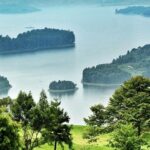
A gorilla trek is a life event. This private 3-day adventure from Kigali blends Volcanoes National Park tracking with Rwanda culture stops you usually miss. I like how the itinerary is built around real timing (drive days, briefing days, then the trek) and not just a checklist.
Two things I especially like: you get the gorilla permit included, and you also get access to the Gorilla Guardians experience with former poachers turned conservationists. One thing to consider: the trek can take 1–4 hours, so you’ll want a moderate fitness level and a flexible mindset about pace.
If you want Rwanda that goes beyond seeing animals from a distance—markets, memorials, and people-led conservation—this is a strong option. And with a company team that’s been reported as punctual and professional (including reps like Olivier and Alain), the experience should feel well run from start to finish.
In This Review
- Key things I’d zero in on
- 3 Days, 2 Nights: what this gorilla package really includes
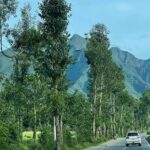
- Kigali to Musanze: the drive that sets expectations for Volcanoes National Park
- Registration at RDB and first look at Iby’iwacu cultural experiences
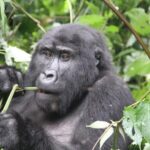
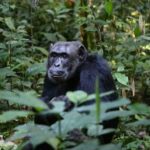
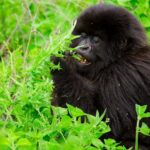
- Tracking mountain gorillas: what your 1–4 hour trek expects
- Gorilla Guardians: the conservation story after you meet the gorillas
- Kigali city tour on the final day: memorials, markets, and coffee
- Price and value: how the $5,500 private cost adds up
- Who should book this gorilla trekking safari (and who might skip)
- Should you book this 3-day private gorilla adventure from Kigali?
- FAQ
- How long is the gorilla trekking experience?
- Where does the tour start?
- Is this a private tour?
- What’s included in the price?
- What about admission tickets?
- What is not included?
- How long is the gorilla trek?
- What cities and major stops are visited?
- Where are the overnights?
- Do I need a certain fitness level?
- What are the cancellation terms?
Key things I’d zero in on
- Gorilla permit included: you’re paying for the permit inside the tour price, not adding a big extra line item later.
- Private, door-to-door style: pickup is offered and your group stays together on a jeep vehicle.
- RDB registration and briefing: you start trek day the right way with the required pre-trek steps.
- Gorilla Guardians with former poachers: the cultural component is tied to conservation, not just performances.
- Kigali tour with memorials and markets: Gisozi Genocide Memorial plus everyday neighborhoods like Kimironko and Nyamirambo.
- Planned for demand: it’s often booked about 285 days in advance, so you’ll want to lock it in early.
3 Days, 2 Nights: what this gorilla package really includes
This is a tight, focused safari built around two big goals: mountain gorillas and Rwanda’s human story. You’ll start in Kigali (meeting at Kigali International Airport at 8:00 am), then move north toward Musanze, with an overnight base in the Volcanoes area. The second overnight is back in Kigali, so you don’t spend your last day stuck in traffic without a plan.
The value here is not subtle. The tour includes the gorilla permit, plus all fees and taxes, and you’re getting ground transportation in a jeep-style vehicle. You’re also covered for meals during the program: 3 breakfasts, 3 lunches, and 2 dinners. That matters because gorilla trekking is expensive on its own; bundling it with logistics is how you keep the trip from turning into a patchwork of add-ons.
The itinerary also tries to avoid the usual “check the box and race to the next stop” problem. Day 1 includes a transfer and time in the Musanze area. Day 2 is trek-focused with a realistic schedule. Day 3 is Kigali-focused with memorials and markets. You’re still traveling a lot, but the structure gives you a sense of what each day is for.
Because it’s private, it’s only your group in the experience. That usually means less waiting around with strangers and more flexibility about how you pace certain stops—within the boundaries of the official trek timing, of course.
You can also read our reviews of more tours and experiences in Kigali.
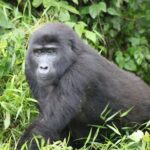
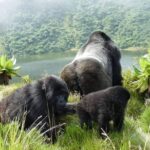
Kigali to Musanze: the drive that sets expectations for Volcanoes National Park
Day 1 is basically your travel day with a purpose. You’ll head about 120 km from Kigali to the northern Rwanda area near Volcanoes National Park, and the drive is listed as roughly 2 hours (time can shift depending on your schedule). This matters because gorilla trekking is a day of waiting, briefing, and moving—so you don’t want to arrive stressed or rushed.
On the way, the plan includes a Musanze city-style outing and time at the Ellen DeGeneres Campus. It’s a smart add-on because it helps you settle into the region before the trek day. Even if you’re arriving with adrenaline, it gives you context: conservation in Rwanda isn’t only about what happens inside the park gate—it starts with how the area is managed and how people support wildlife protection.
Overnight is in Musanze, at Ingagi Park View Lodge or similar. That phrase “or similar” matters: you might not get that exact property, so check your final confirmation. Still, Musanze is the right base for getting to the registration and trekking area without burning half your day on long transfers.
A practical note: your Day 1 includes admission ticket included and is part of a program meant to run about 2 days in the Volcanoes region. If you’re the type who likes to know what energy level you’ll have each day, plan to keep your evening light and your packing simple. Trek day mornings are easier when you’re not hunting for layers.
Registration at RDB and first look at Iby’iwacu cultural experiences
On Day 2, the morning starts early—around 06:00 am. You’ll drive to the Rwanda Development Board (RDB) headquarters for registration and briefing. This briefing isn’t optional window dressing. It sets the safety and rules for how you’ll approach the gorillas, and it’s also where you’ll get essential info about the trek logistics.
Then comes the real heart of the day: the gorilla trek itself. The listed trekking time range is 1–4 hours. That can feel like a wide spread when you read it, but it’s the honest truth of mountain gorilla trekking. The length depends on where the gorillas are moving and how long it takes to follow them at a safe distance. Your job is to stay steady and ready, not to force your pace.
After the trek, you’ll have lunch back at the lodge/hotel area, then head out in the afternoon. One of the best parts of this tour is that it doesn’t treat culture as an extra side quest. It places a Rwanda conservation-and-community stop right after one of the most intense animal encounters you can have. That sequence keeps the story connected: wildlife protection in Rwanda is tied to local people and local leadership.
You’ll also spend time at Iby’iwacu Cultural Village earlier in the day’s plan flow. The purpose of this stop is to give you a Rwanda cultural lens before you meet the Gorilla Guardians. If you’re hoping for more than the typical tourist show, focus on the context: ask questions, listen for how daily life and conservation intersect, and don’t rush through photos—there’s more here if you slow down.
Tracking mountain gorillas: what your 1–4 hour trek expects
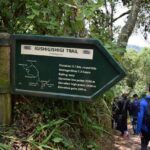
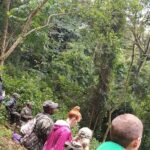
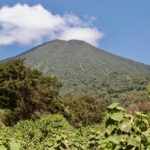
This is the day people book for, so let’s talk practical. Your trek day includes a briefing and registration first, and then you’re sent out to follow gorilla groups under ranger guidance. The trek can take between 1 and 4 hours, and it’s described as happening in or around Volcanoes National Park.
Here’s what you should plan for, even if you’ve trekked before:
- Trail conditions can be uneven, and it’s not always a long hike—it’s often a slow-moving, watch-and-wait kind of day.
- Your senses change once you realize you might be close to the gorillas. That first sight is unforgettable, but it’s easy to get distracted. Keep your balance and attention on the immediate steps in front of you.
- You’ll likely feel a mix of emotions—wonder, nervousness, and then relief when the moment arrives. That’s normal.
A big advantage of this tour is that it’s scheduled as a full day around the trek, not squeezed between random activities. You’ve got time for lunch afterward, which matters because trekking can drain you even when you don’t realize it. If you’re planning to pack light, do it—less stuff on a trek means less stress.
Also, because this is private, you aren’t sharing the same day logistics with other groups. You still follow park rules, but you might experience less chaos with timing. That can make the difference between a smooth trek morning and a stressful start.
Gorilla Guardians: the conservation story after you meet the gorillas
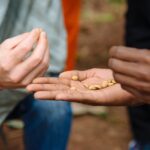
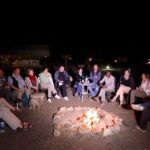
One of the most meaningful parts of this itinerary is what happens after the gorilla trek. Instead of heading straight back to your hotel and calling it a day, you drive to the Gorilla Guardians experience. The description is very clear: you’ll learn through the lens of former poachers who became conservationists.
That shift matters. It’s not just an inspirational message on a poster. You’ll have a chance to experience Rwanda culture and history through activities that are listed as part of the program, including things like:
- Traditional wedding
- Traditional doctors
- Local food and beer preparation
This is the kind of stop that can make the gorilla experience feel more grounded. Seeing gorillas in the wild is one part of the story. Understanding how local people protect them is the other part. And because the people leading these activities are part of the conservation transformation, you’re not only watching culture—you’re meeting a community narrative tied to wildlife protection.
One practical consideration: this afternoon section happens after lunch, and your day is still long. You’ll want comfortable clothing that works both for cultural activities and for the driving. Bring a small layer for temperature swings, since evenings around Kigali can feel cooler depending on season.
From there, the plan sends you back to Kigali for overnight at Mille Colline. So yes, it’s a full day, but it’s built to give you a complete arc: gorillas first, then the people story that helps keep them safe.
Kigali city tour on the final day: memorials, markets, and coffee
Day 3 starts with a wake-up and breakfast at 07:00 am, then you move into the Kigali city tour, which is scheduled for 3–5 hours. If you’ve ever left a city before it fully clicked, this is the fix. You’re not just rushing to the airport. You’re given a guided look at places that explain Rwanda’s modern identity.
The highlights include:
- Kigali Genocide Memorial (Gisozi)
- Belgian Memorial
- Kimironko market
- Nyamirambo
- Question Coffee
- Gift shops for souvenirs
This list is the point. Memorials like Gisozi Genocide Memorial are heavy, but they’re essential to understanding Rwanda’s history and rebuilding. Pairing that with an active market stop like Kimironko gives you contrast: remembrance and daily life in the same city.
Also, adding Question Coffee is a smart human-scale stop. It’s not just sightseeing; it’s a look at work, trade, and culture in modern Kigali. If you like coffee, treat it as a chance to slow down and breathe for a moment before your flight.
You’ll also have gift shop time, which can be practical if you need last-minute items. If you travel with a lot of luggage, just keep your shopping light so you’re not hauling bags through airport time.
If you have a late flight, you’ll be dropped off accordingly from the tour area. If you have an early flight, you’ll want to line up your schedule so you don’t feel rushed at the end.
Price and value: how the $5,500 private cost adds up
Let’s be honest: $5,500 per person is not a casual purchase. But gorilla trekking in Rwanda isn’t casual, either. The tour includes the gorilla permit, plus fees and taxes, and it covers your main ground transportation, meals, and guided program structure across all three days.
So where does the value come from?
- Permit inclusion: gorilla permits are a major cost, and including them reduces the chance of surprise add-ons.
- Private logistics: a private jeep vehicle for transfers and a multi-stop plan usually costs more than a group tour.
- Food coverage: having breakfast, lunch, and dinner handled during the program means you can focus on the experience rather than budgeting each meal.
- Conservation and cultural stops: the Gorilla Guardians experience isn’t just an extra photo stop. It’s a real educational component tied to conservation transformation.
One more value signal: it’s booked far in advance—about 285 days on average. That’s not random. It suggests demand for the gorilla experience and the specific blend of stops this tour offers.
Still, you should match the price to your travel style. If you don’t care about the Kigali memorials or you’d rather do a lighter culture component, this might feel heavier than necessary. If you want a full storyline—gorillas plus people plus place—then the price starts to look less like a shock and more like the cost of getting the whole package done right.
Who should book this gorilla trekking safari (and who might skip)
This tour fits best if you:
- Want private pacing with your own group
- Care about Rwanda beyond the park gate
- Appreciate memorial stops and neighborhood visits, not just scenic viewpoints
- Have at least moderate physical fitness and you’re okay with a trek that may take up to 4 hours
- Like structure: briefing day, trek day, Kigali wrap-up day
It may be less ideal if you:
- Expect an easy, short walk. Trek time is listed as 1–4 hours, and the movement isn’t always predictable.
- Want a purely adventure-focused itinerary with minimal cultural content. This tour is culture-and-conservation heavy by design.
- Prefer to self-drive or build your own schedule. This itinerary is built to be managed, not improvised.
Based on the program, it’s also a solid pick for couples, families, and adult groups who want a guided backbone. The company’s reported strength seems to be punctuality and helpful planning, and those qualities matter most on gorilla days.
Should you book this 3-day private gorilla adventure from Kigali?
If you’re choosing between a bare-bones gorilla trek and a fuller Rwanda storyline, I think this is the stronger match. The biggest reasons to book are simple: permit included, a clearly planned trek day with RDB registration and briefing, and the chance to meet the Gorilla Guardians story right after the gorillas.
But if you’re sensitive to long driving days or you’re aiming for a very relaxed pace, you should think twice. This is a concentrated 3-day program with real emotional stops and real physical movement.
My practical advice: lock it in early, pack for cool mornings and uneven trails, and come with a question mindset. The best moments on days like these usually come from slowing down long enough to ask what the experience means to the people sharing it.
FAQ
How long is the gorilla trekking experience?
It runs for about 3 days and is described as 3 days and 2 nights.
Where does the tour start?
The start is at Kigali International Airport in Kigali, Rwanda, with a listed start time of 8:00 am.
Is this a private tour?
Yes. It’s a private tour/activity, and only your group participates.
What’s included in the price?
Included items are gorilla permit, all fees and taxes, ground transportation in a jeep vehicle, and meals: 3 breakfasts, 3 lunches, and 2 dinners.
What about admission tickets?
Admission tickets are listed as included for parts of the program, including items on the itinerary such as the Volcanoes National Park day.
What is not included?
The tour does not include airfares and Rwanda visa, luxury drinks/alcohol, tips to local guides, and personal insurance and shopping.
How long is the gorilla trek?
The trek time is listed as between 1 and 4 hours.
What cities and major stops are visited?
You’ll travel between Kigali and the Volcanoes area (Musanze) and include Kigali stops such as Kigali Genocide Memorial (Gisozi), Belgian Memorial, Kimironko market, Nyamirambo, and Question Coffee.
Where are the overnights?
Overnight is planned for Musanze (Ingagi Park View Lodge or similar) and then Kigali (at Mille Colline).
Do I need a certain fitness level?
The tour says travelers should have a moderate physical fitness level.
What are the cancellation terms?
You can cancel for a full refund up to 24 hours in advance of the experience’s start time. Changes inside that window are not accepted, and cancellations within 24 hours are not refunded.