REVIEW · KIGALI
3 Day Rwanda to Uganda gorilla trekking Safari
Book on Viator →Operated by East African Jungle Safaris ltd · Bookable on Viator
Gorillas feel close when logistics feel easy. This 3-day private safari links Kigali to Uganda’s Bwindi Impenetrable National Park and back with round-trip transportation, including a cross-border drive via Cyanika/Katuna and a guide who stays hands-on.
I love that you get a structured park briefing first, so you know what to do and what to avoid right before the trek.
One more thing I really like: you don’t spend all your time on gorillas. Day 1’s Batwa cultural trail adds human depth, and Day 3 includes a cruise on Lake Bunyonyi, where swimming is considered safe because it’s bilharzias-free.
The main consideration is physical effort. The gorilla trek can take 2 to 8 hours over steep, rugged terrain in thick vegetation, and the operator asks for a moderate fitness level.
In This Review
- Key highlights you’ll care about
- Kigali to Bwindi in 3 days: the cross-border plan that saves energy
- Day 1 in Bwindi: arrival, lodge time, and the Batwa cultural trail
- Gorilla trekking day in Bwindi: briefing, stamina, and the one-hour rule
- Getting your bearings: how your guide shapes the experience
- Day 3 Lake Bunyonyi: calm water, a boat ride, and a practical swim note
- Where you’ll stay and how meals work on this safari
- Price and value: what $1,850 gets you and what to budget for
- Who this safari fits best (and who should reconsider)
- Should you book it? My decision guide
- FAQ
- Is this tour private?
- What time does the safari start?
- Do I need a passport for this trip?
- How physically demanding is the gorilla trekking day?
- How long will I spend with the gorillas once located?
- What’s included in the $1,850 price?
- What costs extra during the trip?
- Is Lake Bunyonyi safe for swimming?
- What’s the cancellation policy if plans change or weather is bad?
Key highlights you’ll care about
- Private guide attention throughout, with direct help during the whole process
- Cross-border transport from Kigali, including the Cyanika/Katuna border crossing
- Batwa cultural trail in the afternoon on Day 1, with a village routine focus
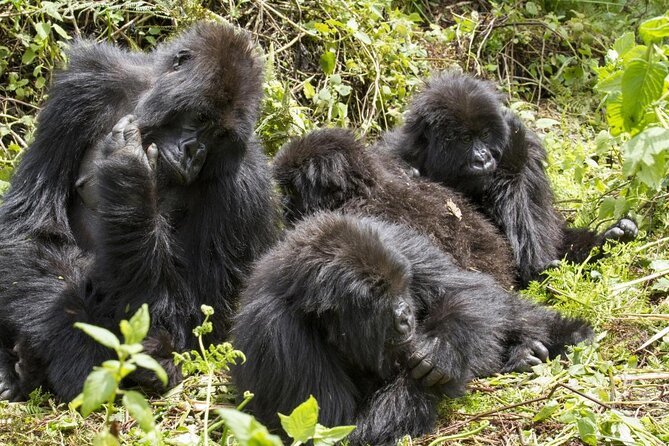
- Gorilla trek structure: briefing at park HQ, then a trek through dense forest
- Time with gorillas is protected: one hour once you’re close
- Lake Bunyonyi boat/canoe plus a swim note (bilharzias-free)
Kigali to Bwindi in 3 days: the cross-border plan that saves energy
This safari is built for travelers who want the big East Africa hit without wasting half their trip on moving around. You start from Kigali with pickup offered, then the plan takes you from Rwanda into Uganda, crossing at Cyanika/Katuna. That matters because border days can get stressful when you’re left to figure things out alone.
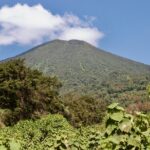
The driving route is part of the experience. As you head toward Bwindi, you’ll pass through the rolling hills that Rwanda is famous for, the kind of views that make you understand the nickname land of a thousand hills. You’re not trying to “race” your way to gorillas; you’re being transported so you can spend your energy where it counts.
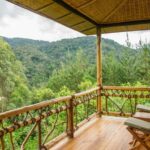
Day 1 ends with check-in at your lodge (Tourland Cottages or Broadbill Forest Camp). Dinner and overnight are included, so you start Day 2 rested instead of hunting for a place to eat after a long travel day.
You can also read our reviews of more tours and experiences in Kigali.
Day 1 in Bwindi: arrival, lodge time, and the Batwa cultural trail
By afternoon, you arrive in Bwindi Impenetrable National Park for your check-in. This is a good rhythm for first-timers: travel in daylight, settle in, then do culture while the trip is still fresh in your head.
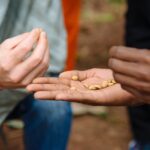
That afternoon includes a Batwa Cultural trail. You go through Batwa villages and learn about daily routines and how people manage life on the hills. The details matter here. You’ll hear how the Batwa skillfully farm and cultivate slopes, and you’ll also see how they care for animals like cows—highlighting that pride and practical survival are both part of the story.
What I like about this part of the itinerary is that it sets expectations for the rest of the trip. Gorilla trekking is wildlife-first, but Bwindi is also a living landscape where communities depend on land and knowledge. Even if you only have one cultural segment, this gives you a human anchor before the forest trek.
If you’re thinking about photo ops, you should know that souvenir photos are available to purchase later. Plan to budget a little if you want professional images of the day.
Gorilla trekking day in Bwindi: briefing, stamina, and the one-hour rule
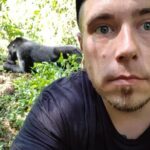
This is the headline day, and the structure is clear. You’ll have an early breakfast, then you drive to park headquarters for a briefing about gorilla trekking do’s and don’ts. That briefing isn’t just paperwork. It affects how the trek works and how close you can safely get.
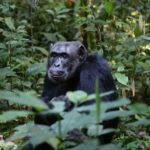
After the briefing, you trek into thick vegetation. Bwindi gorilla trekking is described as challenging because you move over rugged terrain with steep slopes and valleys. Expect the trek to range from 2 to 8 hours depending on where the gorilla group is located that day and how the forest path unfolds.
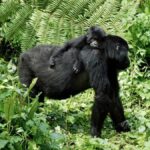
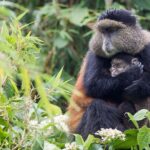
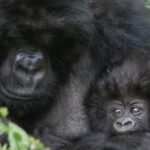
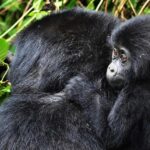
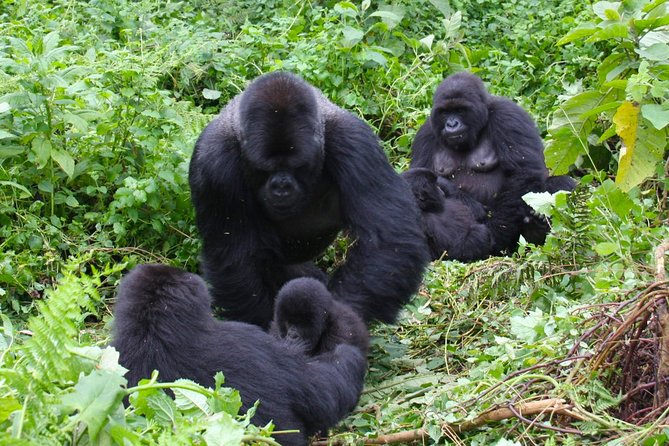
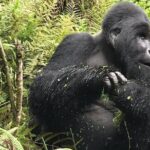
Once you find the gorillas, you get one hour with them. That one-hour window is one of the most important time rules on this tour, because it keeps the experience fair for the whole group and helps with safety in the forest. When you’re standing there, you’ll realize why people remember gorilla time more than the trek itself.
A quick reality check: the jungle can be loud and full of forest sounds, and the path can be uneven. If you’ve been more comfortable on paved trails at home, this is where you’ll need to slow down and focus on footing. Your guide will help keep you moving with the right pacing and behavior.
Getting your bearings: how your guide shapes the experience
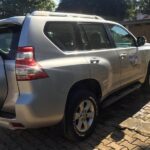
This is a private tour, so you’re not stuck with a crowd where nobody can hear the guide. You’re traveling with a driver/guide who handles the day-to-day flow, from transfer timing to keeping you on track for park requirements.
Service quality shows up in small things. In one example, a solo traveler praised guide Farouk for making them feel safe. Another traveler highlighted guide Ronald for adding a bird-watching stop along the route, so the journey becomes more than just “from A to B.” And Ruth was noted for being present during the process and replying promptly with answers and quotes.
I can’t guarantee every guide will add the same extra stops, but I can tell you what to look for: good guides help you feel calm before the trek, and they manage details so you don’t waste mental energy on logistics.
Day 3 Lake Bunyonyi: calm water, a boat ride, and a practical swim note
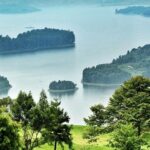
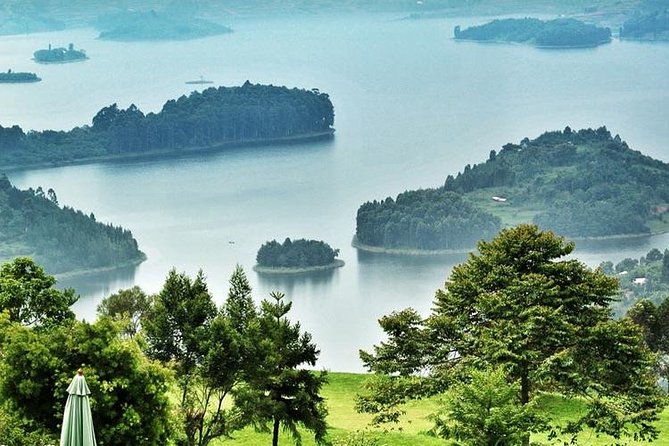
After breakfast on Day 3, you drive to Lake Bunyonyi. This is western Uganda’s lake country, and the tour frames it as one of the most beautiful places in the area. You also get two factual reasons to pay attention: it’s said to be the second deepest lake in Africa at about 900 meters, and it’s one of the few places in Uganda considered safe to swim because it’s bilharzias-free.
You take a boat/canoe on the lake. This is a nice change of pace after gorilla trekking. The pace slows down, and you’re less focused on endurance and more on the experience of water, birds, and the shoreline. If you’re the type who gets restless on long car rides, this day often feels like a reward.
Then you head back toward Rwanda. The plan includes crossing the border again, driving to Kigali so you can catch your evening departure flight. That last transfer matters. Your day is built around having enough time to return for flight schedules, so don’t plan to add extra activities on your own that could interfere with timing.
Where you’ll stay and how meals work on this safari
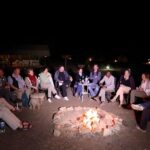
You’ll sleep in either Tourland Cottages or Broadbill Forest Camp. Dinner and overnight are included on the itinerary’s listed nights, so you won’t be deciding where to eat after the day’s driving and trekking.
Bottled water is included, which helps on trekking days when you want one less thing to think about. Alcoholic drinks aren’t included, but you can usually purchase them during the trip if that’s your preference.
Food details beyond dinner aren’t fully listed here, so I’d treat breakfast and any lunch arrangements as part of your lodge routine rather than something you should expect as a separate included meal offering. The itinerary does mention breakfast on both the Day 2 and Day 3 mornings, which is a good sign for daily flow.
Price and value: what $1,850 gets you and what to budget for
At $1,850 per person, this is not a budget safari. But if you look at what’s bundled—private guiding, cross-border round-trip transportation from Kigali, gorilla trekking logistics, lodge nights, and at least two included dinners—the price can start to make sense, especially compared to piecing things together yourself.
A big part of value is reduced friction. You’re not planning border timing, park briefing logistics, and transfers while also trying to focus on gorillas. The tour is designed around a smooth sequence: arrive, settle, trek, then recover with Lake Bunyonyi.
Also worth noting: the schedule shows admission ticket as free for key activities. The trek day lists admission ticket free, and the Day 1 and Day 3 entries also show admission ticket free. That can meaningfully affect the total cost, but you should still confirm exactly what’s included in your final invoice.
What you’ll likely budget separately:
- Alcoholic drinks (available to purchase)
- Souvenir photos (available to purchase)
If you’re traveling with a group, there’s also mention of group discounts. That’s a common way to lower per-person cost when you can share fixed transport and guiding.
One more practical detail: this trip is often booked about 139 days in advance on average. If your dates are firm, start early so your preferred guides and lodge availability are easier to secure.
Who this safari fits best (and who should reconsider)
This tour is best for you if:
- You want gorilla trekking and you’re okay with the physical effort
- You like a mix of wildlife, culture, and a lighter final day on the lake
- You value a private guide who can keep things moving and help you feel safe and informed
- You’re time-limited after visiting Kigali and want a focused cross-border finale
You might reconsider if:
- You have mobility limitations that make steep, rugged forest terrain tough
- You hate uncertainty around trek length (it can range from 2 to 8 hours)
- You need a very relaxed pace—because Day 3 is designed around returning to Kigali for an evening flight
Solo travelers often like private formats for exactly this reason: you get guidance that feels personal, and you don’t have to manage the experience alone.
Should you book it? My decision guide
I’d book this if you want an organized, human-meets-wildlife itinerary with clear structure: park briefing, a real trek, protected gorilla time, and a calmer lake finish. The Batwa cultural trail is a strong add-on because it’s not just a photo stop—it’s about daily routine and how people live with the environment.
I’d hesitate if you’re not comfortable with uneven ground and a long trek window. Even with a moderate fitness level, you’ll want to train your legs a bit and pack for steady walking.
If you can handle that, this is a smart way to turn a Kigali visit into a memorable Bwindi and Lake Bunyonyi story, without turning the trip into a logistics puzzle.
FAQ
Is this tour private?
Yes. It’s listed as a private tour/activity, meaning only your group participates.
What time does the safari start?
The start time is 8:00 am.
Do I need a passport for this trip?
Yes. A current valid passport is required on the day of travel.
How physically demanding is the gorilla trekking day?
You should have a moderate physical fitness level. The trek involves thick vegetation and rugged terrain with steep slopes and valleys.
How long will I spend with the gorillas once located?
Once you find the gorillas, you have one hour to stay with them.
What’s included in the $1,850 price?
The tour includes bottled water, a driver/guide, dinner (2), and accommodation (overnight stays are part of the itinerary).
What costs extra during the trip?
Alcoholic drinks are not included, and souvenir photos are available to purchase.
Is Lake Bunyonyi safe for swimming?
The tour notes Lake Bunyonyi is considered safe to swim because it is bilharzias-free.
What’s the cancellation policy if plans change or weather is bad?
You can cancel up to 6 days in advance for a full refund. The experience requires good weather; if it’s canceled due to poor weather, you’ll be offered a different date or a full refund.