REVIEW · KIGALI
Women-led Coffee Farm Trek
Book on Viator →Operated by Question Coffee - Coffee Experiences · Bookable on Viator
Coffee in Rwanda is special, but this tour teaches why it’s special. You’ll spend about 8 hours on a women-led farm experience near Akagera National Park, watching beans go from harvest work to the prep that fuels your morning cup.
What I love most is the focus on women’s coffee cultivation and the fact that your day isn’t just tasting. You also get lunch provided and a stop at the Women’s Opportunity Center, where handicrafts add a real human layer to the story.
One thing to consider: this is weather-dependent, so if conditions are poor you may get a different date or a refund. It’s also a set schedule starting at 8:00 am, so you’ll want to be ready to move early.
In This Review
- Key highlights to look for
- Why this women-led coffee trek hits different than a basic coffee tour
- Getting started at Question Coffee Gishushu and why the small group matters
- URUGO Eco-Lodge at the Women’s Opportunity Center: lunch plus meaning
- The coffee process you’ll see: harvest, washing, roasting, and preparation
- The welcome song and guide Patty: how to make the day fun, not stiff
- Price and value: what $150 buys you in Rwanda
- What the trek feels like in real time (and who it’s best for)
- How to prepare so you enjoy every coffee step
- Should you book the Women-led Coffee Farm Trek?
- FAQ
- What is the tour duration for the Women-led Coffee Farm Trek?
- Where does the Women-led Coffee Farm Trek start?
- How many people are in the group?
- What’s included in the tour?
- What time does the tour begin?
- Is the tour dependent on weather?
Key highlights to look for
- Women-led farming that ties coffee to real economic opportunity
- Included lunch at the Women’s Opportunity Center area
- Small group size (max 15) for a more personal pace
- Hands-on coffee process from harvest to roasting and preparation
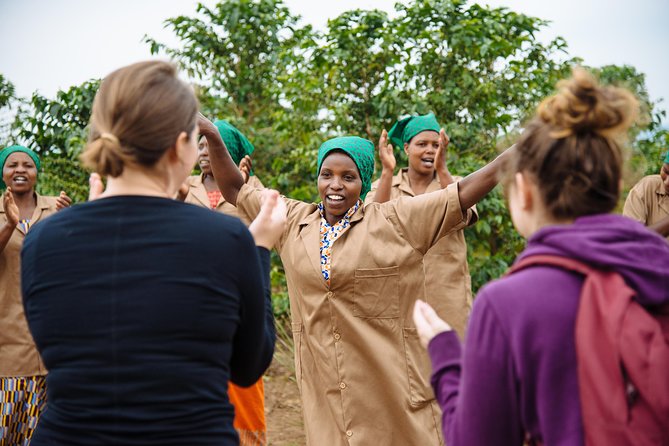
- A cultural welcome with singing and dancing from the start
Why this women-led coffee trek hits different than a basic coffee tour
Rwanda’s coffee is known for delicate flavors, and this experience is built to explain where that delicacy comes from. Instead of treating coffee as a finished product, you’ll see how a chain of decisions happens on the ground: how people grow the plants, how they handle harvesting, and how beans get washed and prepared before roasting.
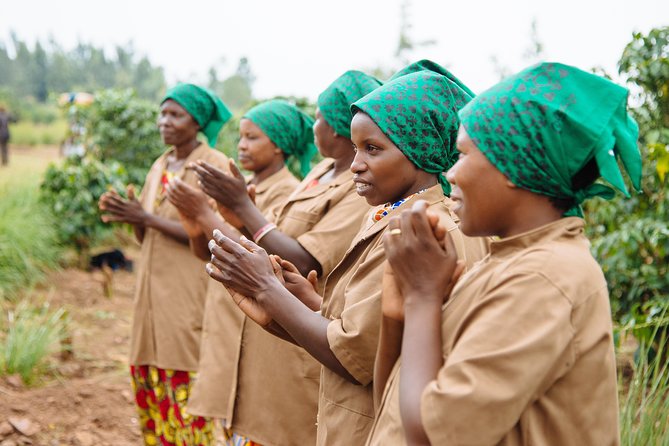
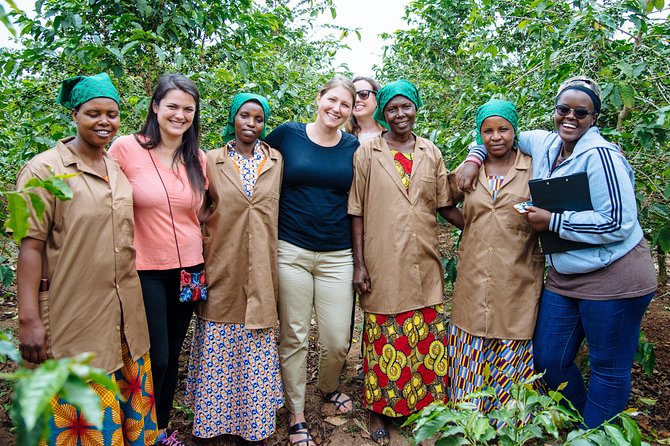
The women-led part isn’t a side note. It changes the whole feel of the day. When the people doing the cultivation are also the ones shaping what you see and learn, the tour becomes more direct and less staged. You’re not just watching a process; you’re learning a livelihood.
I also like that the tour connects coffee to community spaces. The Women’s Opportunity Center stop gives you a break from the farm focus and shifts the lens toward handicrafts and everyday work. It’s a reminder that coffee here is tied to more than just agriculture.
You can also read our reviews of more tours and experiences in Kigali.

Getting started at Question Coffee Gishushu and why the small group matters
You meet at Question Coffee Gishushu, on 8 KG 8 Ave in Kigali, with a start time of 8:00 am. The tour ends back at the same meeting point, so you’re not dealing with the stress of getting stranded in a different part of town.
The max group size is 15 travelers, which matters more than it sounds. In a small group, you’re more likely to ask practical questions, hear the answers clearly, and actually follow along during the coffee steps. It also tends to make cultural moments feel more shared than awkwardly watched from the side.
One practical tip: wear shoes you can walk in comfortably, because farm days tend to be uneven. Also, plan for a full morning—this is about an 8-hour outing, not a short sampler.
URUGO Eco-Lodge at the Women’s Opportunity Center: lunch plus meaning
Your first stop is URUGO Eco-Lodge at the Women’s Opportunity Center. Lunch is included, and admission is part of the package, so you can treat this stop as a genuine reset instead of a quick stop-and-go break.
This is where you’ll get a taste of the day’s wider mission. Coffee drives the story, but the Women’s Opportunity Center adds context: you’ll see handicrafts and other work associated with the center. For me, this is one of the smartest parts of the trip because it keeps the experience from becoming one-note. Coffee is only one chapter; the center shows other ways the community creates value.
Timing-wise, you should expect about an hour for lunch at this first stop. That’s not long, so if you have questions about crafts or how the center operates, ask soon and keep your pace.
The coffee process you’ll see: harvest, washing, roasting, and preparation
The heart of the day is the coffee farm trek and the walkthrough of how beans become what you brew. Based on the tour format, you should expect to see multiple steps—not just a single photo moment.
Here’s the order of things to listen for and look for as the day unfolds:
- Harvesting: you’ll learn how beans are picked and handled as they come in
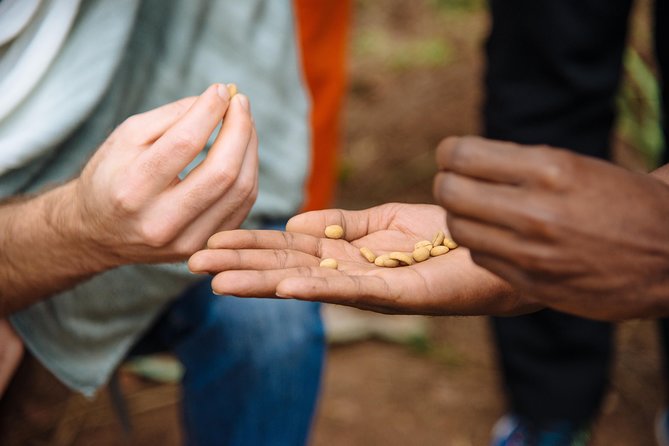
- Washing and preparation: you’ll hear how processing affects quality (and why good handling matters)
- Roasting: you’ll see the transformation from green bean to roasted coffee
- General preparation: you’ll understand how the end-ready form connects to flavor
The reviews praise how thorough this education feels, especially around cultivation, washing, and preparation. So when someone explains a step, don’t tune out—ask what changes flavor and how people keep consistency.
Also, keep your expectations realistic: this is a working coffee environment. The goal isn’t perfection on camera. The goal is learning the real steps and what they mean for cup quality.
The welcome song and guide Patty: how to make the day fun, not stiff
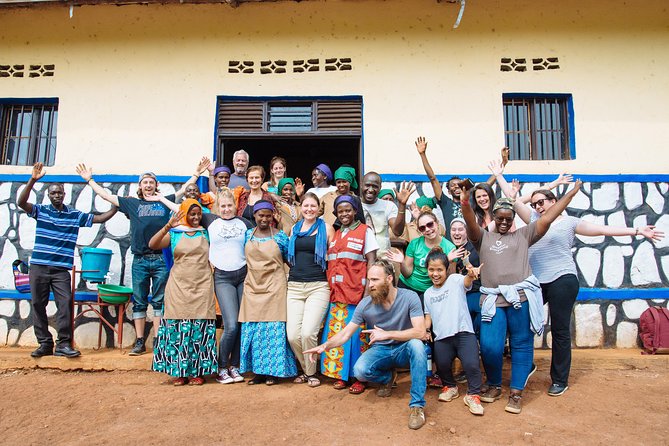
Right at the start, you should expect a warm cultural welcome. One of the most repeated joys in the experience is the greeting with singing, and the encouragement to join the dance. If you usually stay reserved on tours, consider this your gentle push to participate. You’ll likely have more fun because the group energy sets the tone for the rest of the day.
Another standout is the guiding style. In the feedback, Patty is specifically mentioned as very helpful and hands-on—someone who not only explains, but also seems to join in during activities. That matters. A guide who stays involved makes it easier to understand what you’re seeing and to feel comfortable asking follow-up questions.
My practical advice: when Patty explains a step of coffee work, ask one question that connects to what you drink. For example: which step has the biggest effect on taste? What do good farmers focus on during harvesting? You’ll leave with better coffee memory, not just a few good photos.



Price and value: what $150 buys you in Rwanda
At $150 per person, this is not a budget bus-and-back kind of activity. The value comes from three things working together:
1) Hands-on coffee education on multiple steps (not just a quick viewing stop)
2) Included lunch and admission at the Women’s Opportunity Center stop
3) A small group (max 15), which makes the day feel more personal and lowers the odds of you being lost in a crowd
You’ll also see added comfort elements that matter on a day trip: the tour includes a mobile ticket, and it offers group discounts. If you’re traveling with coworkers, friends, or another household, those discounts can shrink the effective cost quickly.
Booking timing is another part of value. On average, this trip is booked about 27 days in advance, so if you’re traveling during a busy period, I’d treat this as a “book it early” activity rather than something to leave for the last week.
Quick note on policies and requirements: it includes free cancellation up to 24 hours before the start time, and you’ll need a negative COVID-19 test result and a mask as required by the tour rules provided. It’s also weather-dependent, so plan to stay flexible.
What the trek feels like in real time (and who it’s best for)
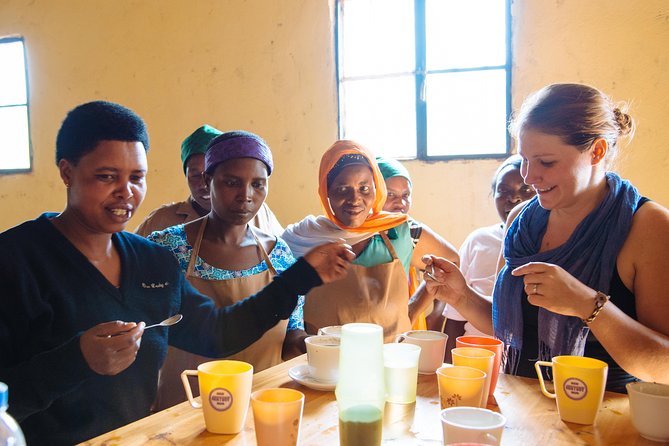
This tour is a full-day rhythm: start early, begin with lunch and the Women’s Opportunity Center, then move through the coffee process steps. Expect a mix of explanations, observing hands-on work, and cultural interaction.
You’ll likely enjoy it most if you fit one (or more) of these buckets:
- You want to understand coffee beyond tasting notes
- You like visits that connect food and drink to livelihoods and women’s economic empowerment
- You prefer small groups where you can ask questions
- You’re the kind of traveler who enjoys learning processes—harvest, washing, roasting—more than just scenery
It’s also suitable for many travelers, since the tour states most people can participate. If you’re bringing a service animal, it’s allowed.
The only “may not fit” factor is energy level and schedule. It’s about 8 hours, starting at 8:00 am. If your idea of a great day is slow mornings and minimal walking, you might find the farm portion a bit more active than you want.
How to prepare so you enjoy every coffee step
You don’t need special equipment, but a little prep makes the day smoother:
- Dress for farm work conditions: closed-toe shoes help
- Bring a layer you can tolerate outdoors in changing weather
- Have your questions ready about flavor and processing (you’ll get more out of the explanations)
- If you want the cultural welcome to feel natural, be ready to participate when the singing starts
Also, if coffee is a personal obsession (I get it), treat this as an education day. You’ll likely spot how choices made during harvesting and processing connect directly to what you taste later.
Should you book the Women-led Coffee Farm Trek?
Yes, I think you should book it if you want more than a casual coffee stop. The combination of a women-led farm setting, a Women’s Opportunity Center lunch break, and a small-group format makes this a meaningful way to spend your Kigali time. It’s also priced in a way that makes sense when you weigh in included lunch, admission, and the chance to learn multiple steps of the coffee process.
Skip it only if you’re chasing a laid-back, slow schedule or you strongly prefer long stays at one single location. This is a guided, structured day with an early start and a full run through the coffee steps.
FAQ
What is the tour duration for the Women-led Coffee Farm Trek?
It runs for about 8 hours (approx.).
Where does the Women-led Coffee Farm Trek start?
The tour starts at Question Coffee Gishushu, 8 KG 8 Ave, Kigali, Rwanda.
How many people are in the group?
The tour has a maximum of 15 travelers.
What’s included in the tour?
Lunch is provided, and admission ticket(s) are included for the URUGO Eco-Lodge stop.
What time does the tour begin?
The start time is 8:00 am.
Is the tour dependent on weather?
Yes. It requires good weather, and if it’s canceled due to poor weather you’ll be offered a different date or a full refund.