REVIEW · LALIBELA
Trekking in Ethiopia’s Lalibela Wollo Highland 4 Days / 3 Nights
Book on Viator →Operated by Extraordinary Ethiopia Tours · Bookable on Viator
Four days in Wollo feels like time travel. This trek links Lalibela church culture with day hikes through highland villages, plateaus, and wildlife sightings, led by local guide Maereg. You’ll sleep in community guest houses, eat simple meals, and watch how people actually live in the highlands, not just how they perform for visitors.
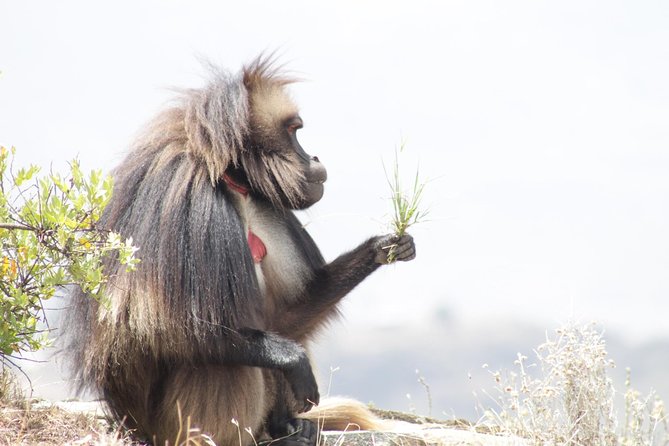
What I like most is the community work built into the route. Each day is timed so you meet people, walk between settlements, and stay where locals host guests (dinner most nights, plus breakfast and lunch along the way). The second big win for me is the wildlife moment: at Meskel, you can spot different types of birds and even the endemic Gelada baboon.
One thing to consider: the hiking is real walking. You’ll have legs around 2.5 to 3 hours, including an impressive altitude area like Mekuat Maryam at about 2,820 meters, and the trip requires good weather to run smoothly.
In This Review
- Key highlights you shouldn’t miss
- Trekking in Wollo: why this route feels different from a standard tour
- Day 1: Lalibela to Flakit and the Mekuat Maryam promontory
- Day 2: Meskel birds and Gelada baboons, then on to Wajela’s acacias
- Day 3: Gala Dejen and the Aterow hike—more village walking, fewer surprises
- Day 4: finishing strong and returning to your starting point
- Meals and the value of simple food on a trek
- Transportation and private group comfort
- Who this trek suits best (and who might want another option)
- The guiding factor: Maereg and the culture-learning feel
- Price and value: what $500 buys you in real terms
- Weather, gear, and small planning choices that help a lot
- Should you book this Lalibela Wollo highlands trek?
- FAQ
- What time does the trek start and where?
- How long is the trek?
- What’s included in the price?
- What isn’t included?
- Is it a private tour?
- What kinds of meals should I expect?
- Will I see wildlife during the trek?
- Is this trek difficult?
- What if the weather is bad?
- What are the main cancellation rules?
Key highlights you shouldn’t miss
- Maereg guiding you through Wollo: local interpretation of daily life, history, and what you’re seeing on the trail
- Community guest houses each night: dinner included and meals designed for trekkers
- Mekuat Maryam viewpoint at 2,820m: a plateau promontory feel with big, open walking country
- Meskel wildlife stop: birds plus the chance to see Gelada baboons
- Acacia tree scenery at Wajela: dinner in a place known for beautiful acacia wood
- Private tour setup: only your group, plus private transportation connecting key points
Trekking in Wollo: why this route feels different from a standard tour
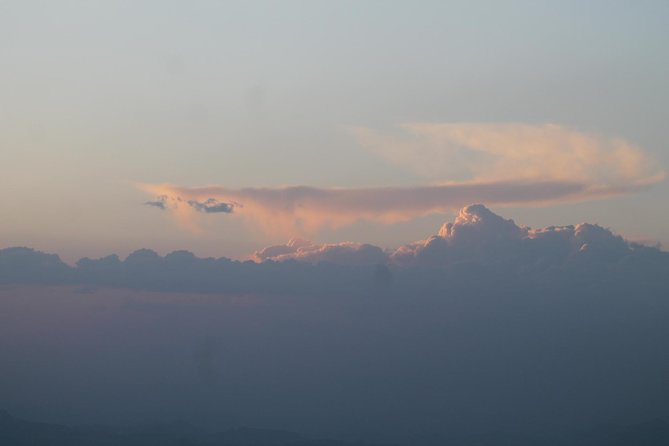
Lalibela is famous for its rock-hewn churches, but this trek adds the missing half of the story: life around the churches. Instead of just driving between sights, you shift into highland walking, staying with communities and moving at a human pace.
I also appreciate the practical focus. The trip is built around meals you can count on—breakfast, lunch, dinner, and snacks—plus private transportation for the driving segments. That matters because in Ethiopia, time and comfort are never guaranteed the same way they are at home.
The other “why it works” piece is wildlife. A lot of cultural treks stay purely human-focused. Here, you get your nature breaks too, including a named stop where you can see Gelada baboons and assorted birds.
You can also read our reviews of more tours and experiences in Lalibela.
Day 1: Lalibela to Flakit and the Mekuat Maryam promontory
You start at Lalibela Airport (meeting point is listed as XXHM+6MG, Girany Amba) with a 10:00 am start time. The first move is a drive of about 2 hours to Flakit, which is a nice setup because it gets you into the walking zone without an immediate grind right at arrival.
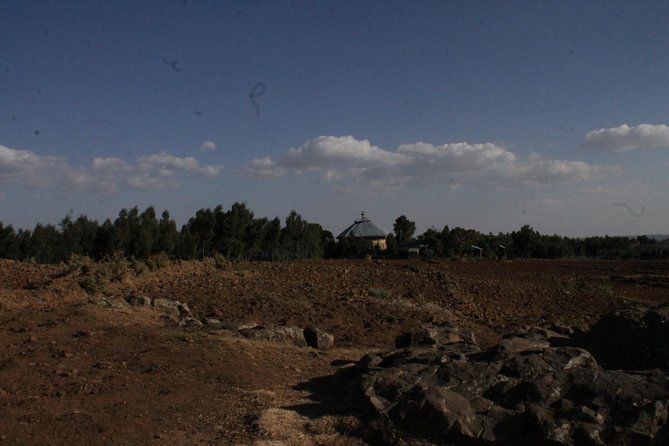
After lunch in Warkahye, you begin the hike: about 3 hours to the first key site, Mekuat Maryam. This place sits around 2,820 meters above sea level on a promontory of the plateau, so expect exposure—open air, stronger light, and a “hold still and look around” kind of viewpoint.
Dinner is back at the community guest house. That’s an important part of the experience. You’re not just passing through villages; you’re eating where the host rhythm is real, and you’ll likely get a calmer evening after a day that mixes driving, altitude, and walking.
What to watch for on Day 1
- Altitude can surprise you even if you feel fine at sea level. Take it easy on the climb and sip water when it’s offered.
- The hike is long enough that you’ll want comfortable footwear and a plan for sun protection.
Day 2: Meskel birds and Gelada baboons, then on to Wajela’s acacias
Your day begins with breakfast at the Mekuat community guest house. Then the hike gets you back into variety: about 3 hours to Meskel.
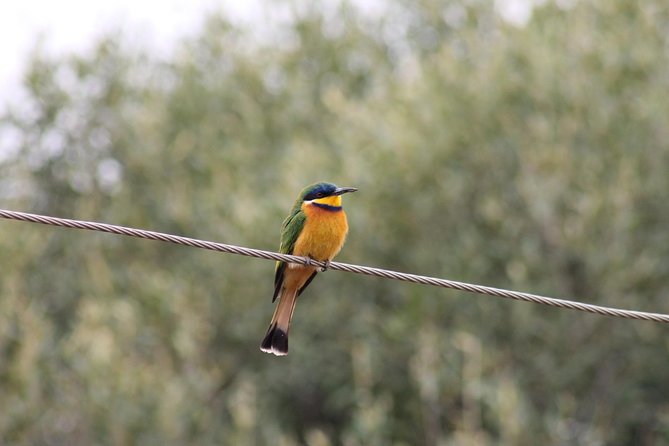
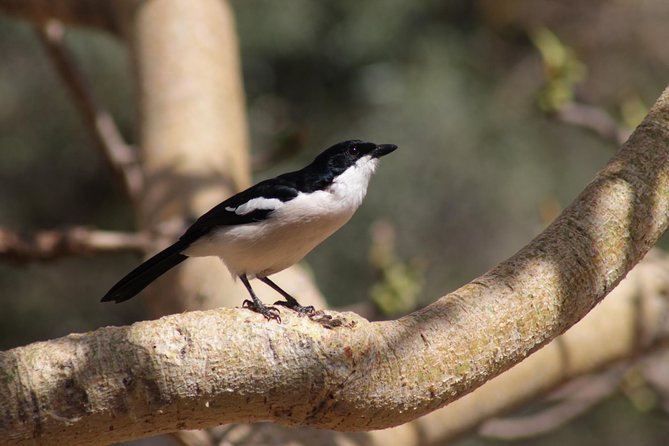
Meskel is where the wildlife moment becomes the headline. At Meskel, you can see different types of birds and one of Ethiopia’s endemic mammals, the Gelada baboon. Even if you don’t spot a baboon instantly, Meskel is the kind of place where you’ll understand why people pay attention to animal behavior—groups move through the terrain in ways that stand out once you’re watching.
You’ll have lunch at Meskel, and then you transition again by hiking about 2.5 hours to Wajela. That second hiking block is shorter than the morning walk, which makes the day feel balanced: you get a full morning of walking, a bird-and-animal stop, then a second push to reach the next village base.
Dinner at Wajela is one of those details that makes this trek memorable: it’s noted for its beautiful acacia wood. That means even the “down time” has scenery. After a long day, having a setting you look forward to is worth a lot.
A practical tip for Day 2
- When you’re moving toward Meskel, keep your eyes up as well as ahead. Birds and mammals often reveal themselves from quick changes in sound and motion.
Day 3: Gala Dejen and the Aterow hike—more village walking, fewer surprises
Breakfast is at the Wajela community guest house. Then you hike about 3 hours to Gala Dejen and have lunch at Gala Dejen.
After lunch, you continue with another 3-hour hike to Aterow. This is the kind of day that’s good for people who like steady progress more than constant sightseeing stops. You’ll be learning the rhythm of the route: walk, pause, eat, walk again, and let the scenery and conversations do their work.
Unfortunately, you don’t get much extra written detail beyond the arrival at Aterow. That’s not a red flag—it’s common for community-based treks where the “real event” is the day-to-day. What you can rely on is that meals are included and the trek continues through walking legs that match the trip’s overall pace.
How to make Day 3 easier on yourself
- Pack for comfort, not just warmth. Highland trekking often means temperature swings during sun and cloud shifts.
- Build in slow moments at breaks so you don’t feel rushed when you reach viewpoints or lunch spots.
Day 4: finishing strong and returning to your starting point
This is a 4 days / 3 nights trip, and it ends back at your meeting point. You can expect the final day to be about wrapping up the hike and heading back toward Lalibela Airport area, with the experience concluding where it started.
Because the provided schedule detail doesn’t spell out every final stop, I suggest you treat Day 4 as a “close the loop” day rather than a day with big, named attractions. The value here is the cumulative effect: multiple days of walking between communities, plus the animal and plateau moments you already got on earlier days.
What you’ll likely feel by now
- Your legs will know the route. That’s normal.
- You’ll probably remember the small interactions more than the minutes on a clock—especially since the trek is designed around community involvement.
Meals and the value of simple food on a trek
You get breakfast, lunch, dinner, and snacks included. That’s a big quality-of-life point. Trekking without reliable meals usually turns into decision fatigue—what to buy, how much to carry, and whether food will be ready when you are.
Alcoholic beverages and bottled water are not included, so plan ahead. Bring a way to stay hydrated that fits your comfort level—since water availability can vary, your best move is to be ready rather than assuming.
One more practical note: the meals are described as simple, and that’s often exactly what you want on long walking days. You don’t need fancy when your body is busy working.
Transportation and private group comfort
The trek includes private transportation, which helps you avoid the “wait around” part of many overland days. It also means your start segment from Lalibela is handled as part of the plan, not a scramble.
The tour is private, so only your group participates. For a trek, that’s more than a perk. It helps the guide manage your pace, stops, and conversation flow without being squeezed by other people’s timing.
Who this trek suits best (and who might want another option)
This is listed as a trek where most travelers can participate. The itinerary does include multiple hiking blocks of about 2.5 to 3 hours, so you’ll want to be comfortable walking for extended stretches and handling altitude exposure on at least one standout segment at around 2,820 meters.
You’ll enjoy this most if you:
- Like walking through real countryside, not just hopping between views
- Want a community-based experience tied to local hosting
- Care about wildlife possibilities (birds and Gelada baboons at Meskel)
- Prefer a guide like Maereg who can explain what you’re seeing as you go
You might reconsider if you:
- Want a low-effort itinerary with minimal walking
- Get uncomfortable with altitude changes or long days of physical effort
- Are traveling during weather that’s uncertain, since the experience requires good weather
The guiding factor: Maereg and the culture-learning feel
One theme that comes through clearly is the impact of having the right guide. Maereg is repeatedly described as excellent—someone who helps you connect church heritage in Lalibela to the daily life of the Wollo highlands.
A good guide is not just route knowledge. On a trek like this, the guide helps you understand why a place matters, what to notice on the trail, and how to act respectfully around the communities you’re visiting. When that’s done well, the time on foot becomes more meaningful.
Price and value: what $500 buys you in real terms
At $500 per person for 4 days and 3 nights, the headline number is easy to compare—but the value comes from what’s included.
You’re covered for private transportation for the driving segment(s), plus all core meals (breakfast, lunch, dinner, snacks). You’re also getting a structured route through a region that’s not just flat sightseeing. Instead, you’re getting multi-day walking, community guest house hosting, and a guide who helps translate what you’re seeing.
What you’re not paying for (and should plan for):
- Bottled water
- Alcoholic beverages
When those aren’t included, it can look like “less” at first. But for a guided trek with meals and transport, the cost still stacks up reasonably—especially if you were otherwise budgeting for separate food stops and less efficient logistics.
Weather, gear, and small planning choices that help a lot
This trek requires good weather, and that’s not just a fine print detail. Trail conditions, visibility from plateau viewpoints, and overall comfort all depend on what the skies are doing. If weather shifts, you might be offered a different date or a refund instead.
For gear, the itinerary suggests you’ll be walking through multiple long segments. Keep your basics simple:
- Comfortable hiking shoes
- Sun protection for highland exposure
- A layer for cooler morning or evening temperatures
- A plan for hydration since bottled water isn’t included
Should you book this Lalibela Wollo highlands trek?
Book it if you want a trek that connects Lalibela’s famous churches to the surrounding highland communities through actual walking, community guest houses, and wildlife chances at named stops like Meskel.
Skip it (or choose another format) if you want mostly car-based sightseeing, or if long hikes and altitude exposure would make you miserable. This is a walking experience with real effort built in, and that’s also why it feels authentic.
If you like the idea of going beyond the churches—into villages, viewpoints like Mekuat Maryam, and nature moments like Gelada baboons—then this route is a strong fit.
FAQ
What time does the trek start and where?
The experience starts at 10:00 am at Lalibela Airport (listed meeting point: XXHM+6MG, Girany Amba, Ethiopia).
How long is the trek?
It’s 4 days (about 3 nights).
What’s included in the price?
The price includes breakfast, lunch, dinner, snacks, and private transportation.
What isn’t included?
Alcoholic beverages and bottled water are not included.
Is it a private tour?
Yes. It’s listed as private, so only your group participates.
What kinds of meals should I expect?
You’ll have breakfast and lunch on hiking days, plus dinner at the community guest house. Snacks are also included.
Will I see wildlife during the trek?
At Meskel, you can see different types of birds and the endemic mammal Gelada baboon.
Is this trek difficult?
It’s listed as most travelers can participate, and the hike legs include segments of about 2.5 to 3 hours. Comfortable walking is important.
What if the weather is bad?
The experience requires good weather. If it’s canceled due to poor weather, you’ll be offered a different date or a full refund.
What are the main cancellation rules?
You can cancel for a full refund up to 24 hours in advance of the start time. If you cancel less than 24 hours before, the amount paid isn’t refunded.