REVIEW · CHIANG MAI
Private Doi Inthanon, Nature Trail, Wat Phra That Doi Kham
Book on GetYourGuide →Operated by CHIANGMAI SIAM TRAVEL LTD.,PART. · Bookable on GetYourGuide
Cold air, big views, and a real trek. This private day trip combines Doi Inthanon National Park (Thailand’s highest point) with a guided nature walk, waterfall breaks, and temple sightseeing from a hillside viewpoint. I especially like the hill-tribe-led part of the day, where the trek feels practical and personal instead of just scenic.
I also love how the day balances exertion with reward: you walk about two hours on the Pha Dok Siew Nature Trail, then cool down with pagoda gardens and panoramic temple views. One thing to consider is that the mountains are cold and humid year-round, and the trail includes uneven walking—plus any waterfall swimming depends on weather and water levels.
In This Review
- Key points at a glance
- Getting out of Chiang Mai and into Doi Inthanon’s cold, humid air
- The Pha Dok Siew Nature Trail: a guided walk that teaches as you go
- Rak Jung waterfall: when you can swim, and when you shouldn’t count on it
- Ban Mae Klang Luang and the hill farms: rice fields depend on the season
- White Karen village coffee: a small ending that feels memorable
- King and Queen’s pagodas: gardens, symmetry, and that high-mountain view feeling
- Lunch and the waterfall rhythm: Wachiratharn after the pagodas
- Wat Phra That Doi Kham: the temple with a view above Chiang Mai
- Price and value for an $167 private day (what you’re really paying for)
- What to bring (and the small choices that make the day easier)
- Who this private Doi Inthanon + Wat Phra That Doi Kham day is for
- Should you book this tour?
- FAQ
- How long is this private tour?
- Where does pickup happen?
- Is lunch included?
- How long is the trek on the Pha Dok Siew Nature Trail?
- Can I swim at Rak Jung waterfall?
- Is this tour suitable for wheelchair users?
Key points at a glance
- Thailand’s highest point at 2,565 meters: cool, damp mountain air all year.
- Hill-tribe guided trek (about 2 hours): built-in local context for plants and forest paths.
- Rak Jung waterfall option: swimming only if conditions allow.
- White Karen village coffee: end the hike with freshly grounded local coffee.
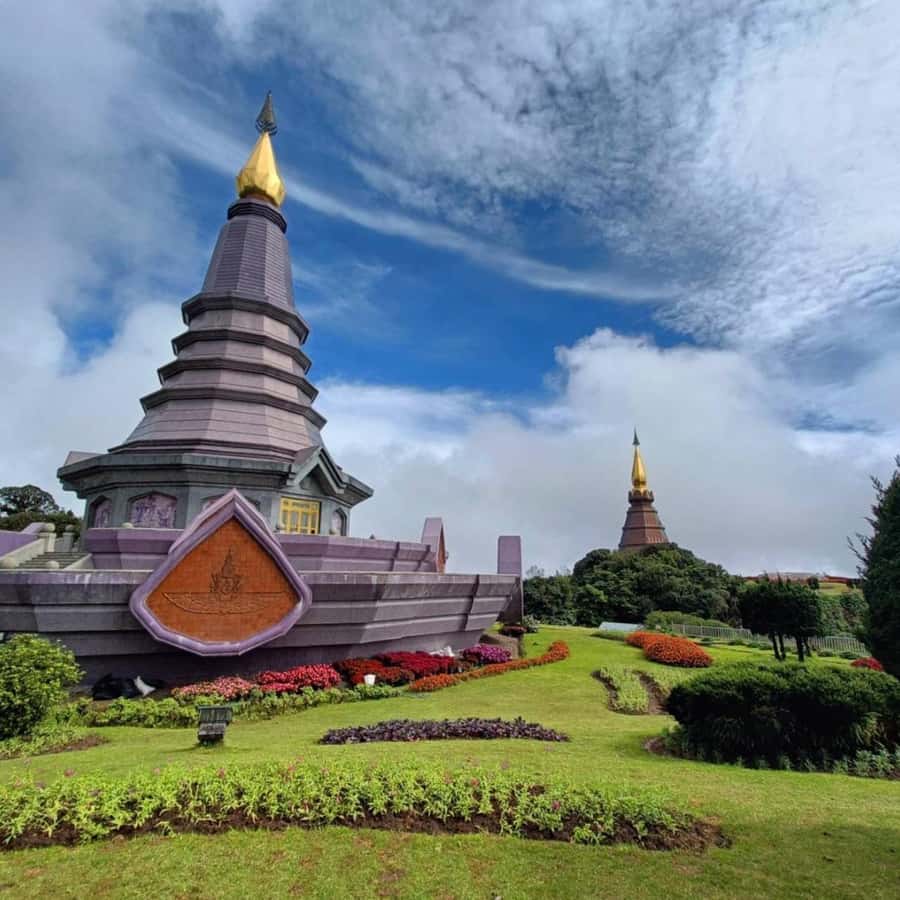
- King & Queen pagodas: gardens plus big viewpoint energy.
- Wat Phra That Doi Kham: a 1,300+ year temple with panoramic Chiang Mai views.
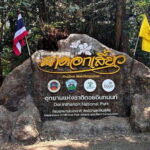
Getting out of Chiang Mai and into Doi Inthanon’s cold, humid air
This is a full-day mountain run, starting with pickup from your accommodation in Chiang Mai city (within about 5 kilometers of downtown). You’ll ride in an air-conditioned private car, then head roughly 1 hour 45 minutes toward Doi Inthanon National Park.
Once you gain elevation, the vibe changes fast. Doi Inthanon is known for high humidity and cold weather all year, and the day’s timing really matters because you’re going from lowland warmth into mountain chill. Bring your layers even if Chiang Mai feels hot that morning. I’d also plan on quick-dry clothes for the trek because humidity in the forest is real.
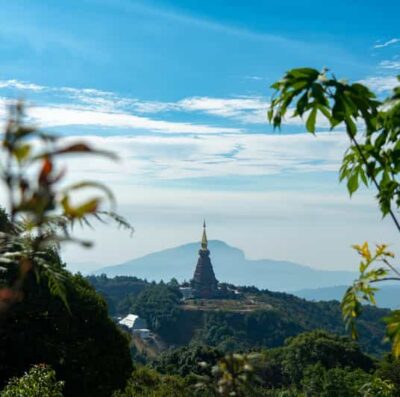
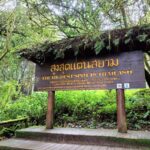
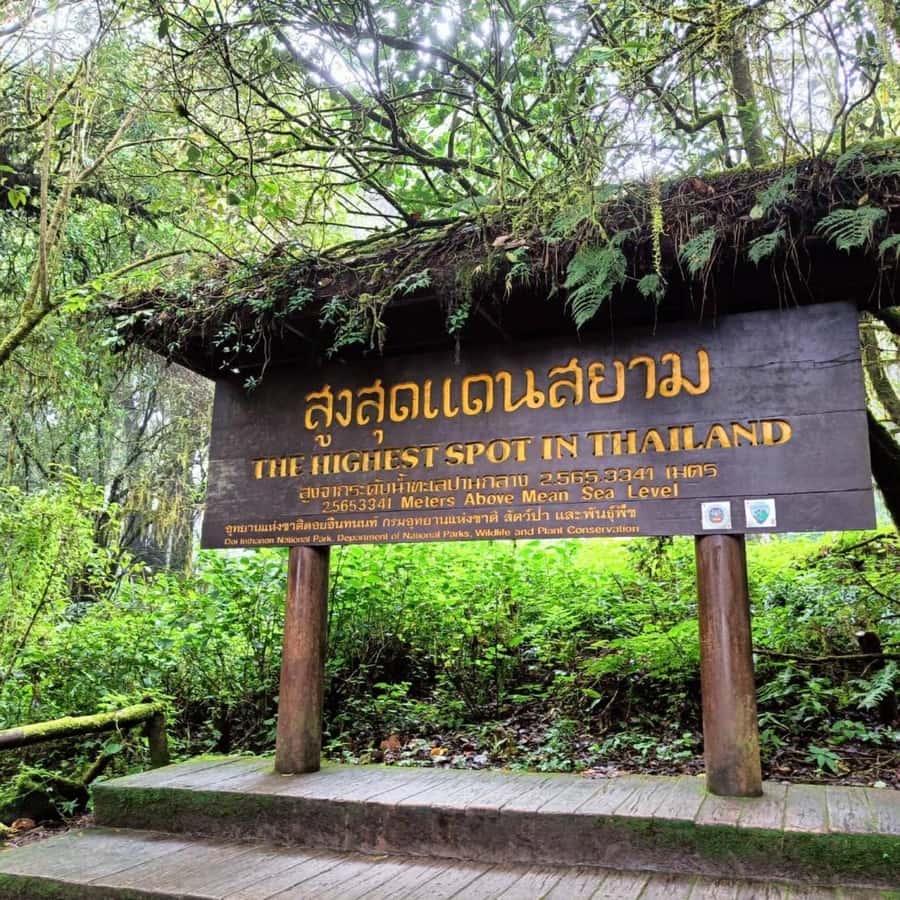
The highest point stop is a highlight in itself. You’re looking at 2,565 meters above sea level, and it’s the kind of place where the air feels sharper and visibility can shift with mist. If you get even a partial view, you’ll understand why people make this their main Doi Inthanon day.
You can also read our reviews of more tours and experiences in Chiang Mai.
The Pha Dok Siew Nature Trail: a guided walk that teaches as you go
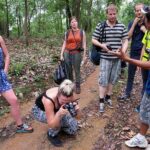
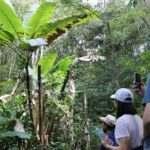
After the park introduction, you’ll meet a local hill-tribe guide who takes you on the Pha Dok Siew Nature Trail. The trek is about 2 hours, so it’s not a long, grueling hike—but it’s long enough to get you off the roadside and into the forest.
What makes this section valuable is the way it’s guided. You’re not only walking—you’ll learn about different plants and trees, and you’ll see how the hillside landscape is used by local communities. This is the part of the day that tends to feel most “alive,” because your guide can answer questions in plain terms and point out what you’d otherwise walk past without noticing.
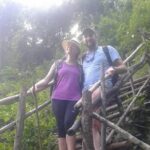
If you’re sensitive to uneven ground, take it slow. This is the mountain backcountry feel: roots, dirt paths, and changes in elevation. You’ll be fine if you’re comfortable walking for a couple hours, but it’s not a gentle stroll on smooth pavement.
Rak Jung waterfall: when you can swim, and when you shouldn’t count on it
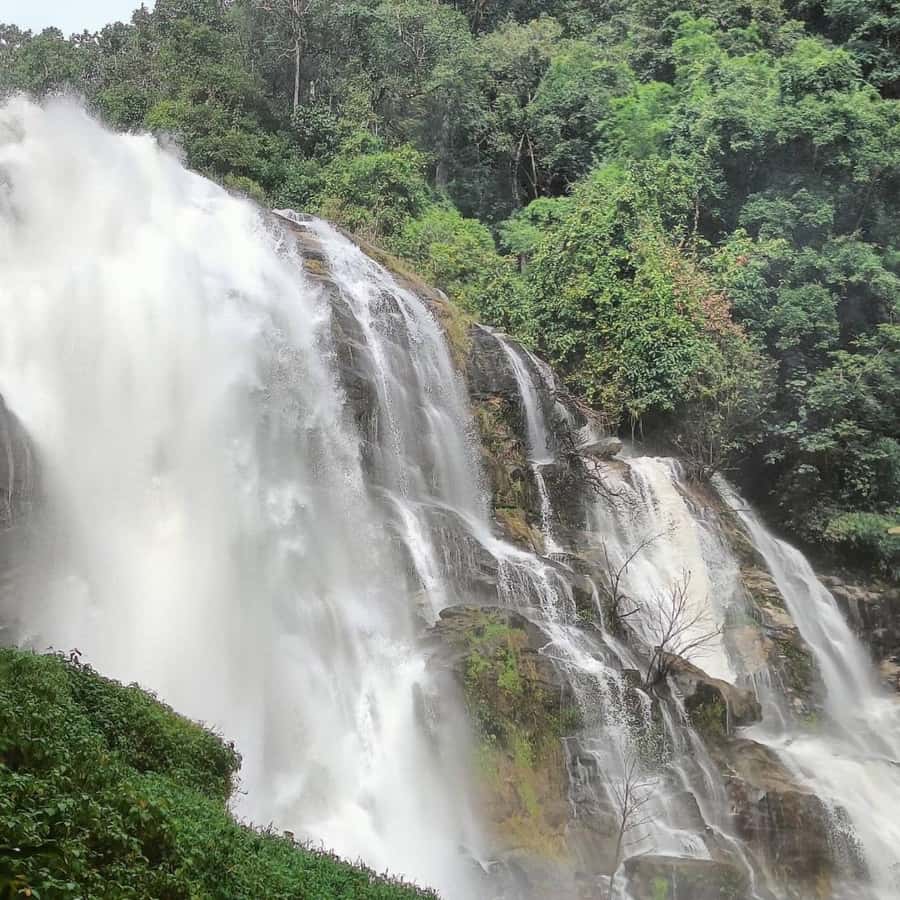
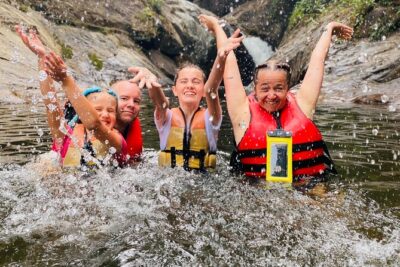
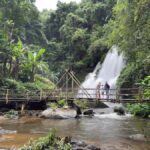
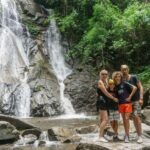
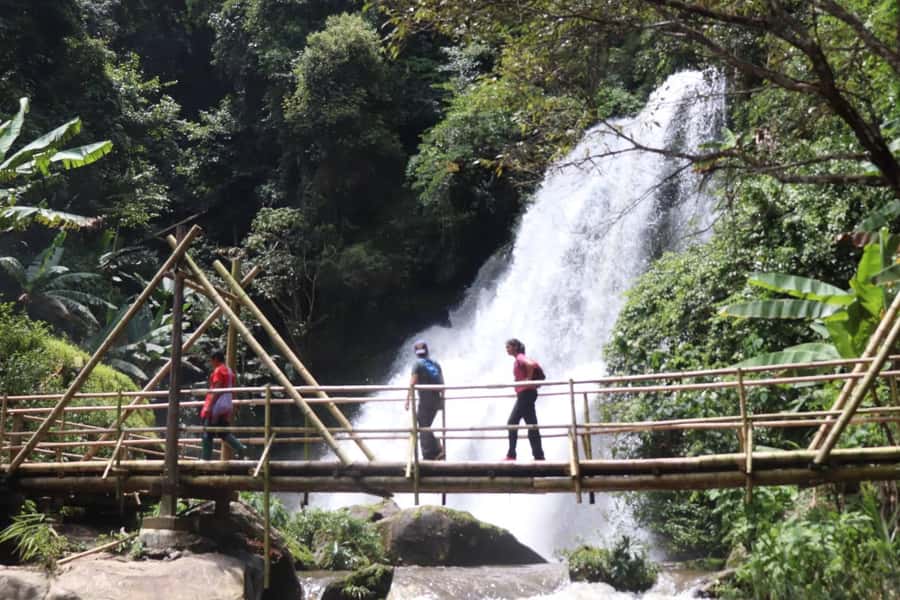
You have an optional stop at Rak Jung Waterfall. If you want to swim, this is where the day can turn into a fun, refreshing break—assuming conditions cooperate.
The important detail is right in the tour description: swimming depends on weather conditions and water levels. So don’t plan your entire day around it. Instead, think of the waterfall as a scenic reset. If there’s safe water access and it looks inviting, go for it. If not, enjoy the forest setting and keep moving.
Also bring your own swim-ready setup. The tour expects you to come prepared with swimwear, plus a change of clothes and a towel. That way, you’re not stuck drying off in damp mountain air.
Ban Mae Klang Luang and the hill farms: rice fields depend on the season
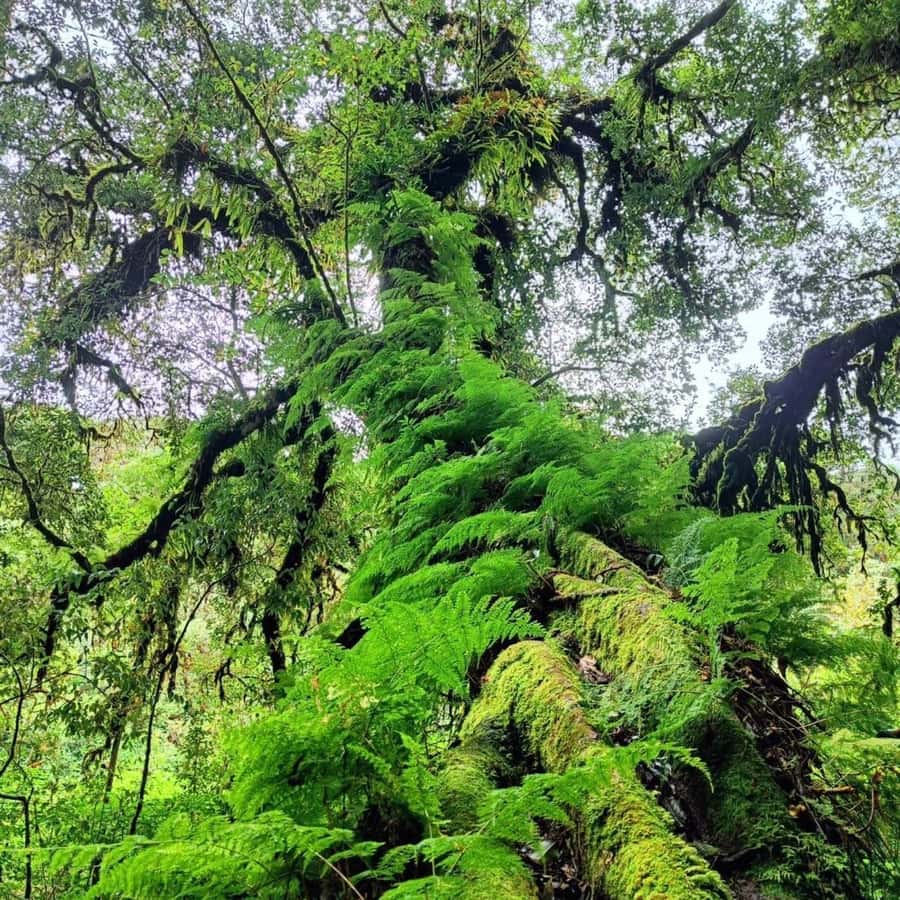
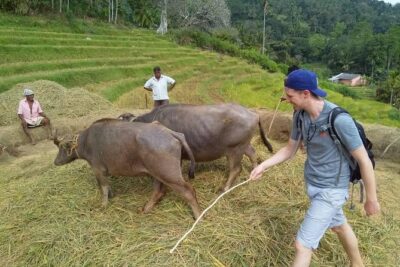
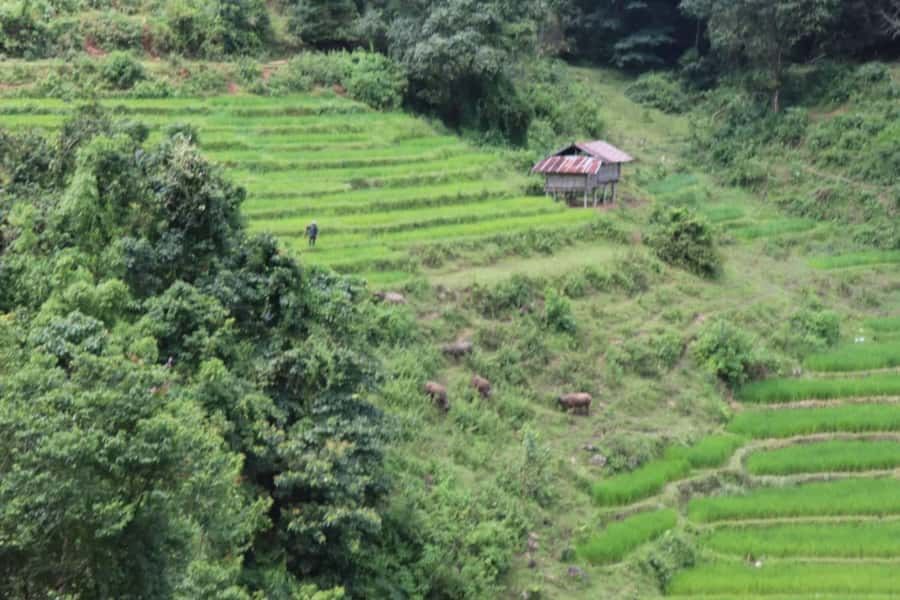
As you continue the trek route, you’ll pass through forest edges and small local farms on the hillside. This is where you start to notice how agriculture works in the mountains.
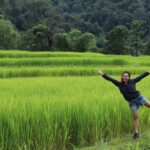
You’ll also visit Ban Mae Klang Luang, where you may see rice fields and layer mountains. The catch: rice fields depend on the season. That’s not a downside—it’s just a reality. Some months you’ll get lush rice paddies; other months you’ll see different stages of farming or the landscape looking more dormant.
Either way, the value here is perspective. You’re not just touring viewpoints. You’re seeing how people live and grow food up in the cool air, and that makes the later temple viewpoints feel more connected to the region.
White Karen village coffee: a small ending that feels memorable
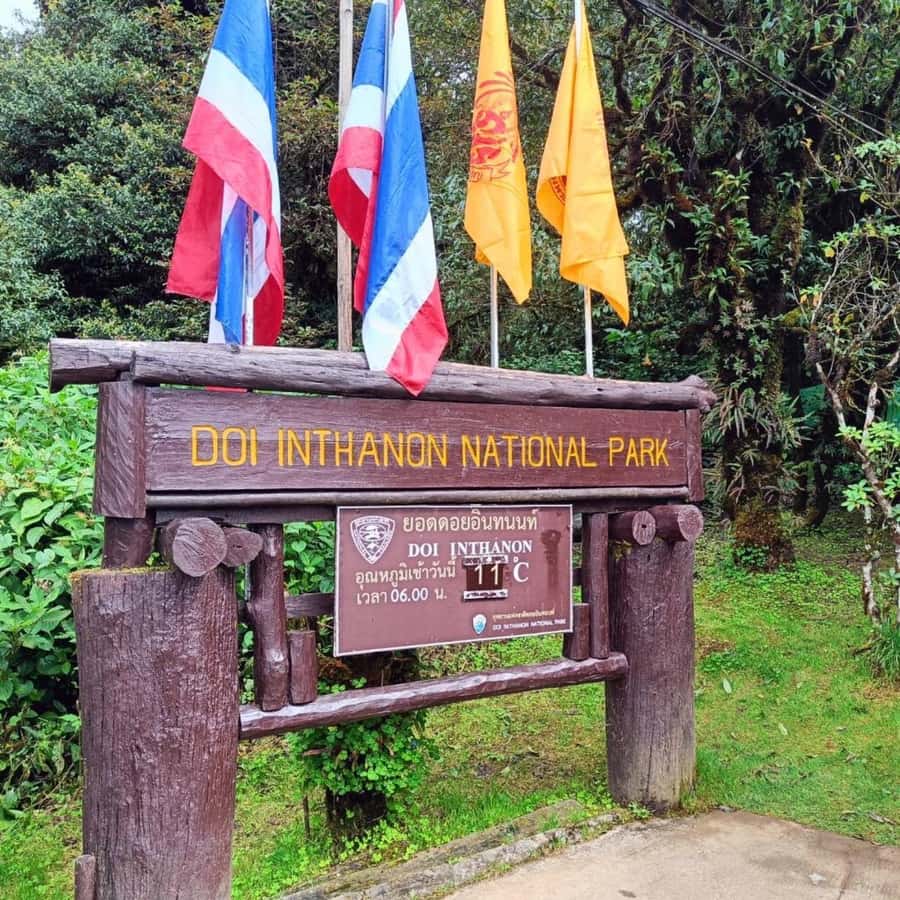
At the end of the trek, you’ll finish in a white Karen hill tribe village. This stop is short, but it’s one of those moments that sticks because it gives you a warm, human-scale finish to the hike.
You’ll be offered a cup of freshly grounded, locally grown coffee. It’s the kind of detail that turns a “walk in the woods” day into something with warmth and rhythm. After about two hours on foot, it also makes practical sense—something hot or rich to settle your body before you shift back into sightseeing mode.
If you’re sensitive to caffeine, pace yourself. Mountain treks can make you feel sleepy later, and coffee can do either thing depending on the person.
King and Queen’s pagodas: gardens, symmetry, and that high-mountain view feeling
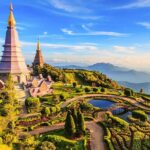
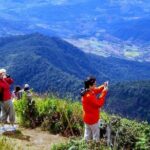
After the trekking portion, the day changes pace with the King & Queen’s pagodas. This stop is built for views, and it also has something many temple stops don’t: pleasant gardens.
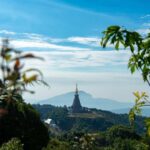
These pagodas sit in a way that gives you excellent vantage energy over the surrounding area. When you’re coming from misty, cooler air at elevation, even a partial view can feel dramatic. If the weather is clear, you’ll likely get that classic panoramic stretch; if it’s misty, you may get layered hills fading into fog.
Spend time here, not just for photos. Walk the garden areas slowly and take in the calm. It’s one of the best places on the route to reset your senses before lunch and the next waterfall stop.
Lunch and the waterfall rhythm: Wachiratharn after the pagodas
Lunch is included, and it fits the tour rhythm well: you’ve trekked, moved through hill farms, and reached viewpoint pagodas. Eating here helps you recharge before the remaining stops.
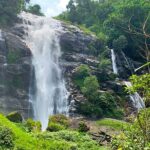
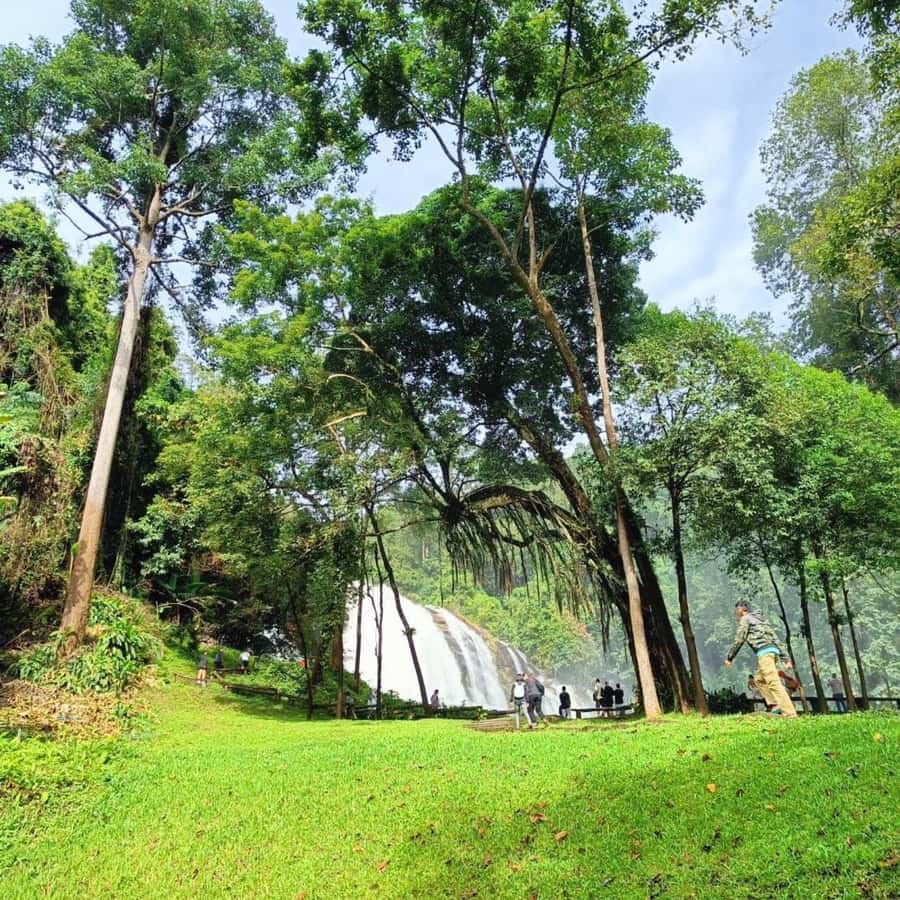
Next up is Wachiratharn Waterfall. Waterfalls in northern Thailand can be hit-or-miss depending on timing and seasonal flow, but even when the water volume isn’t huge, these falls are still part of the Doi Inthanon identity. Think of this as your second nature “hit,” after the forest trek and the Rak Jung option.
Wear grippy shoes. Even if you’re not doing a long hike here, waterfall areas often mean wet paths or slick edges.
Wat Phra That Doi Kham: the temple with a view above Chiang Mai
The late-day temple stop is Wat Phra That Doi Kham, an important site in Chiang Mai province with age you can actually picture: it’s over 1,300 years old.
The temple sits on Doi Kham hill behind Royal Ratchaphruek Park. It rises about 140 meters above the Chiang Mai plain, putting it around 465 meters above sea level. That elevation matters because this temple is also a viewpoint. You’re looking down over panoramic views of Chiang Mai city, which makes the whole day feel like it wraps into one big perspective: mountains first, then the city below.
Inside, you’ll find the ancient Phra Chao Than Jai (a Buddha image granting wishes instantly), listed as over five hundred years old. Even if you’re not a temple deep-diver, this is the kind of stop that gives you a sense of continuity—religion, pilgrimage, and community all tied to that hill viewpoint.
It’s also a great place to slow down at the end of an active day. You’ve been walking and moving since the morning. Here, you can just stand, look, and let the city scene sink in.
Price and value for an $167 private day (what you’re really paying for)
At $167 per person for an 11-hour private outing, you’re paying for more than transport. You’re buying time, access, and guide support across multiple locations.
Here’s what’s included:
- Pickup and drop-off by private air-conditioned car (within about 5 km of downtown; farther may cost extra)
- Entrance fees
- Lunch
- Drinking water
- English-speaking guide
- Accident insurance
That combination matters because Doi Inthanon isn’t a one-stop place. You’re stacking a national park day, a guided trek, and multiple major sightseeing sites. Doing it on your own means sorting timing, entrance logistics, and finding a qualified guide for the nature trail. This tour solves that with one coordinated plan.
One more value point: guide quality. In past bookings for this experience, people praised guides Austin and Bird for being patient, friendly, and clear with explanations. That’s not a small thing. When you’re in a forest trek setting, the difference between a basic walk and a well-led walk is huge.
If you like a day that moves with purpose, but still includes thoughtful stops, this price can feel fair.
What to bring (and the small choices that make the day easier)
The tour gives you a clear gear checklist, and it’s worth following closely.
Bring:
- Swimwear
- Change of clothes
- Towel
- Camera
- Sunscreen
- Insect repellent
- Personal medication
Add my practical advice: bring layers. The park is cold year-round and humid, and you may feel chilly even if you start the day warm in the city. Also, pack something simple for wet hands and shoes—tree humidity and waterfall mist are part of the deal.
And yes, you’ll do a proper trek, so shoes with traction are a must. If you show up in slippery sandals, you’ll regret it fast.
Who this private Doi Inthanon + Wat Phra That Doi Kham day is for
This tour is a great fit if you want one day to cover a lot of ground without feeling rushed in every stop.
Best match:
- You like nature + culture in the same day
- You’re comfortable walking for about two hours on a guided nature trail
- You enjoy viewpoints and temple stops, especially when they come with panoramic city views
Less ideal if:
- You need wheelchair access. This tour is not suitable for wheelchair users
- You strongly dislike cold weather and uneven outdoor walking
- You want guaranteed waterfall swimming. Rak Jung swimming depends on conditions
If you’re the type who likes having a guide explain plants, trees, and the hillside farming scene, you’ll likely get more out of the trek than you would on a self-guided walk.
Should you book this tour?
I’d book this if you want a structured, private day that hits the big Doi Inthanon moments: the highest point, a hill-tribe guided nature trek, waterfall scenery, and a finishing temple with panoramic Chiang Mai views.
I’d skip it if you’re only interested in one thing—say, temples only or waterfalls only—and you’d rather spend the entire day at a single site. This is a multi-stop day, and the value comes from that coordination.
If you do book, go in prepared for mountain weather, wear proper shoes, and keep your schedule mindset flexible. The experience is at its best when you treat it like a full-day adventure with a few calm resets built in—coffee at the end of the hike, pagoda gardens, and a viewpoint temple to close.
FAQ
How long is this private tour?
It runs for about 11 hours, with pickup from your accommodation in Chiang Mai and return to drop off around 18:30.
Where does pickup happen?
Pickup is from your hotel or accommodation in Chiang Mai city within about a 5-kilometer radius of downtown. If your place is farther, extra transportation cost may apply.
Is lunch included?
Yes. Lunch and drinking water are included.
How long is the trek on the Pha Dok Siew Nature Trail?
The trekking time is about 2 hours.
Can I swim at Rak Jung waterfall?
If you wish, you can swim, but it depends on weather conditions and water levels.
Is this tour suitable for wheelchair users?
No, it is not suitable for wheelchair users.