REVIEW · CHIANG MAI
One day Doi Inthanon & Trekking at Pha Dok Siew
Book on Viator →Operated by Parallel Tour · Bookable on Viator
One early morning and you’re in a different world. This one-day trip pairs Doi Inthanon highlights with a real jungle walk in Pha Dok Siew, plus two waterfall stops and time in the countryside with a Karen village. I especially like the mix of sights and feet-on-the-ground nature, because you get royal gardens and panoramic views, then you trade city pace for cool forest air and real trail time.
Two things I like a lot: the waterfall moments (including a standing waterfall where you can relax and shower under fresh water), and the Karen village stop around Ban Mae Klang Luang’s mountain terrace rice fields. One possible drawback: the trail and rice-terrace area can get slippery with mud, so plan on good traction rather than hoping for perfect conditions.
In This Review
- Key highlights you’ll feel fast
- Early start at McDonald’s: the day begins with simple logistics
- Doi Inthanon summit day: royal gardens, greenhouses, and real altitude views
- King & Queen Stupas: flowers, views, and a calmer kind of wow
- Wachirathan Waterfall: the power stop with spray in your face
- Lunch and the shift into Pha Dok Siew jungle trekking
- Standing waterfall + shower time at the Pha Dok Siew walk’s end
- Ban Mae Klang Luang rice terraces: gentle walking, real mud, and quiet views
- Karen village visit: respectful culture, rice farming, and coffee without chemicals
- Guide and group size: why the day feels human
- Value check: what $63.22 gets you and why it can be a smart use of time
- Should you book this one-day Doi Inthanon & Pha Dok Siew trip?
- FAQ
- FAQ
- What time does the tour start?
- Where does the tour meet?
- How long is the tour?
- Does the tour include pickup?
- What’s included in the price?
- What food options are available?
- How difficult is the trekking?
- How many people are in the group?
- What happens if the weather is bad?
Key highlights you’ll feel fast

- Highest point in Thailand with royal agriculture grounds, greenhouses, and gardens
- King & Queen Stupas with flowers and big panoramic views
- Wachirathan Waterfall for heavy spray and a classic misty stop
- Pha Dok Siew trek timed to feel doable for a moderate fitness level
- Standing waterfall and shower time using cool, clean water
- Karen village culture plus chemical-free Arabica coffee from local rice farmers
Early start at McDonald’s: the day begins with simple logistics

The tour starts at 7:00 am and returns to the same meeting point: McDonald’s at 17/1 Kotchasarn Rd, Tambon Chang Khlan, Amphoe Mueang Chiang Mai. Pickup is offered, and the day runs about 9 hours total, so you’ll feel the pace right away. This is the kind of trip where you’re not spending half the day commuting, which is part of the value.
Also, you’re in a small group (maximum 13), which matters on this route. Doi Inthanon is popular and traffic can slow things down, but a small group keeps the day from feeling like a moving warehouse. You’ll get a professional English-speaking guide, and that helps a lot on a day packed with stops that would otherwise blur together.
One practical note: if your confirmation ever mentions a specific hotel pickup, take a minute to confirm the exact location before you leave. There was a real case of a traveler going to Shin Hotel and not finding the pickup point as expected, then having to relocate to McDonald’s. You can avoid that kind of stress just by double-checking.
You can also read our reviews of more tours and experiences in Chiang Mai.
Doi Inthanon summit day: royal gardens, greenhouses, and real altitude views

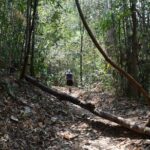
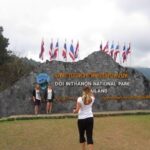
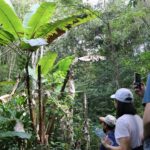
Doi Inthanon is Thailand’s highest spot, and that alone makes the trip feel like more than a scenic day out. Once you’re up in the mountains, the air changes, and the rainforest vibe turns up: big old trees, vines, and bamboo growth in a lush jungle setting.
A big reason this tour stands out is that it doesn’t only do viewpoints. You also visit the Royal Agricultural Station, which focuses on plants suited to the highland environment. It’s organized around several areas you can walk through at a calm pace:
- Rhododendron garden
- Ferns greenhouse
- Flower plants greenhouse
- Hydroponics vegetables greenhouse
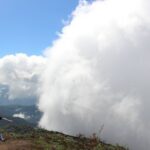
Even if you’re not a plant nerd, these stops add variety. They also give you a better sense of how the region supports agriculture and research at altitude. And if the weather is foggy (it happens), these covered-and-garden areas keep the day from feeling ruined.
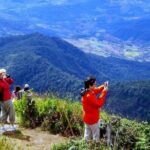
The panoramic payoff is real too. Even when the view isn’t perfectly clear, you still get a sense of scale from the high slopes—enough to make the early start feel justified.
King & Queen Stupas: flowers, views, and a calmer kind of wow

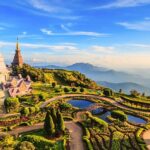
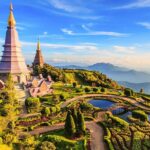
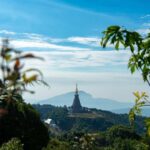
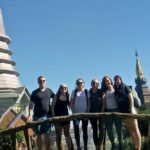
After the higher-altitude garden stops, you’ll visit the King & Queen Stupa area. This is one of those places that works whether the sky is bright or cloudy, because the design and the surrounding flower gardens give you something to enjoy right away.
The stupa grounds also provide panoramic views, which is where this stop earns its keep. When you stand there, you get the full mountain rhythm: plantations and ridgelines layered behind the structures. It’s a nice reset from the more forest-heavy pace of the day.
I like this stop because it’s not rushed into a quick photo and out. You get enough time to take in the gardens and settle for a minute instead of sprinting straight to the next waterfall.
Wachirathan Waterfall: the power stop with spray in your face

On the way up the mountain, you’ll visit Wachirathan Waterfall, the second major waterfall on the route. It’s known as a popular waterfall, and the big draw here is the power and spray coming off the slopes.
This is the kind of waterfall where you can feel it before you fully see it. The air gets misty, and the sound changes the moment you’re close. If you’re hoping for a dramatic, classic waterfall moment rather than a quiet stream, this is the one.
Just keep expectations realistic: spray means wet clothes and slippery surfaces. Wear shoes you don’t mind getting muddy or damp, and bring a small towel or a dry bag if you have one.
Lunch and the shift into Pha Dok Siew jungle trekking

Lunch is included, with options for vegan/vegetarian, gluten-free, and halal available. After a morning of changing elevations and lots of viewpoints, food becomes part of the trip’s rhythm, not just a stop to refuel. If you have dietary needs, this is a good tour to pick because the menu constraints are planned, not improvised.
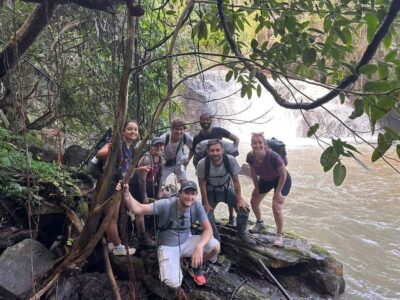
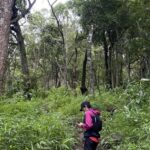
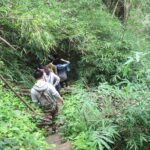
After lunch, it’s time for the trek—about 2 hours of walking toward the standing waterfall area. This is where Pha Dok Siew shines: you go from “look at it” to “walk through it.”
The trekking is described as suitable for moderate physical fitness. From what I’d expect in practice, this isn’t a hardcore hike with technical scrambling, but it’s still outdoors, and weather can change the footing. If you come expecting a city stroll, you’ll still feel the difference; if you come with decent shoes and a reasonable pace, it’s very manageable.
And if it rains, don’t automatically assume it’s a waste. Rain can actually make the jungle feel more alive, with cooler air and richer color on leaves and trunks.
Standing waterfall + shower time at the Pha Dok Siew walk’s end

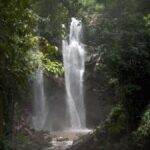
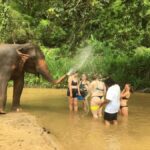
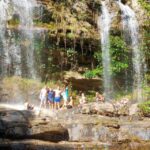
One of the most memorable parts of this day is the standing waterfall stop after the trek. This is where you can relax and even shower under the fresh waterfall. The idea here isn’t fancy spa treatment—it’s clean mountain water, a cool reset, and a chance to feel what “jungle water” actually means.
You’ll likely also appreciate that the tour frames this as available even in the dry season. Waterways in northern Thailand can vary, so it’s worth knowing that the route is built around waterfall access as a highlight.
Two practical tips:
- Plan for wet conditions even if the morning looked fine.
- Treat slippery ground near the waterfall and rice terraces as normal, not surprising.
This is also the moment where the trip feels most “authentic” compared with tours that only hop between viewpoints. You’re actually in the rhythm of the rainforest.
Ban Mae Klang Luang rice terraces: gentle walking, real mud, and quiet views

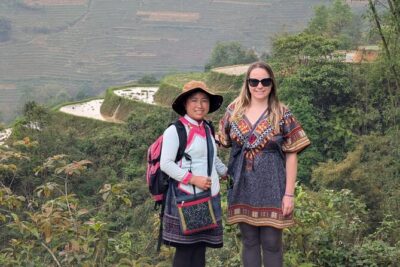
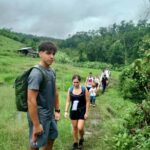
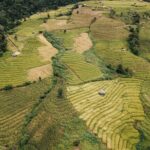
After the standing waterfall, the day continues with time around the Mountain Terrace Rice fields at Ban Mae Klang Luang. This is a scenic place, but it’s also a working landscape, shaped by farming and irrigation.
The big caution here is slippery mud. Even when the trek itself feels fairly gentle, rice terrace surfaces can be slick, especially after rain. Your best friend is footwear with grip. If you show up in smooth sneakers, you’ll feel it the moment you step off the cleanest patches.
The upside: once you’re careful and take your time, these terrace scenes are peaceful. You get that countryside feel—no rush, just slopes, fields, and the quiet work of growing rice.
Karen village visit: respectful culture, rice farming, and coffee without chemicals

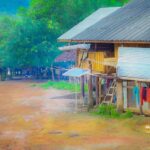
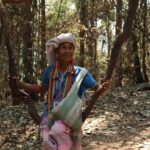
Then comes the cultural stop: a Karen village at Ban Mae Klang Luang. The tour describes it as a community where the Pagayaw live a traditional lifestyle, and it’s said to be a large concentration of Karen people in Thailand.
What I find valuable here is that it’s not framed as a show. The main occupations are rice farming and growing chemical-free Arabica coffee. That detail matters because it ties the village experience to actual day-to-day work, not just costumes and quick photo ops.
You’ll leave with a better sense of how highland communities make a living in a landscape that’s both beautiful and demanding. And because it’s integrated into the rice terrace setting, it feels less like you’ve been dropped into a separate world.
Guide and group size: why the day feels human
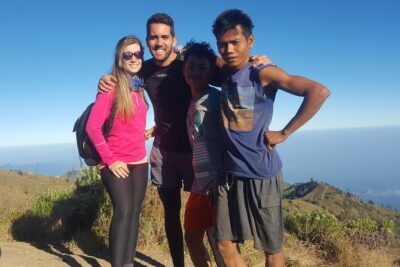
A day like this lives or dies by the guide, and this trip includes a professional English guide. In one case, the guide was named Toy, and the feedback was that she was attentive and helped make the experience memorable despite rain and mist.
That matters more than you might think. When conditions shift—clouds rolling in, muddy sections, timing between sites—an attentive guide keeps the day flowing smoothly. They also help you understand what you’re seeing, especially at places like the Royal Agricultural Station and the stupa gardens where context turns sightseeing into learning.
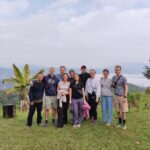
With a maximum of 13 people, you’re not stuck in a line of strangers. You get the sense you can ask questions and that the guide can manage the pace.
Value check: what $63.22 gets you and why it can be a smart use of time
At about $63.22 per person, this one-day format can be good value if you want to hit multiple Doi Inthanon highlights without piecing together transport and tickets yourself.
Here’s what you’re getting that usually costs extra if you DIY:
- Roundtrip transfer from Chiang Mai Town
- Bottled water
- Lunch
- Accident insurance
- English-speaking guide support
- Diet options noted as available
- Mobile ticket
What you don’t get is private expenses, but that’s pretty normal. The bigger question is whether the inclusions match what you’d otherwise pay for with separate drivers and scattered stops. Given the number of major stops packed into the day, this tour generally makes sense for visitors who want a full, structured mountain day.
The only real “cost” is time: you’re leaving early and spending most of the day in transit and on-site. If you’d rather sleep in and explore at your own pace, this might feel like too much in one shot.
Should you book this one-day Doi Inthanon & Pha Dok Siew trip?
I’d book it if you want:
- A structured day with Doi Inthanon summit area highlights
- Two waterfall moments, including a chance for waterfall shower time
- A walk that feels doable for moderate fitness
- Mountain countryside culture with a Karen village and rice terraces
- Included lunch and transfer that save you planning stress
Skip it (or at least think twice) if:
- You hate early mornings; 7:00 am start is real
- You’re worried about muddy/slippery terrain; bring grippy shoes
- You want a slow, unstructured day with lots of downtime between stops
One more sensible tip: because the experience needs good weather, it may shift if conditions are poor. If the sky looks sketchy, treat it as a reason to wear layers and plan for wet ground, not as a reason to panic.
If you’re the kind of traveler who likes mixing iconic Thailand with actual trail time, this day hits the right balance.
FAQ
FAQ
What time does the tour start?
It starts at 7:00 am.
Where does the tour meet?
The meeting point is McDonald’s, 17/1 Kotchasarn Rd, Tambon Chang Khlan, Amphoe Mueang Chiang Mai, 50100, Thailand.
How long is the tour?
The duration is about 9 hours.
Does the tour include pickup?
Yes. Roundtrip transfer (Chiangmai Town) is included, and pickup is offered.
What’s included in the price?
Included are bottled water, lunch, roundtrip transfer from Chiangmai Town, accident insurance, and a professional English guide.
What food options are available?
Lunch is included, and vegan/vegetarian, gluten-free, and halal options are available.
How difficult is the trekking?
It’s listed for travelers with moderate physical fitness.
How many people are in the group?
The tour has a maximum of 13 travelers.
What happens if the weather is bad?
This experience requires good weather. If it’s canceled due to poor weather, you’ll be offered a different date or a full refund.