REVIEW · SAPA
One Day Sapa Trekking to Lao Chai and Ta Van Villages
Book on Viator →Operated by SaPa Local Tour Guides · Bookable on Viator
One day, and the villages hit different. This Sapa trekking loop to Y Linh Ho, Lao Chai, and Ta Van blends mountain views with real-life village stories: festivals, customs, food, weddings, and the changes development brings to local people. I especially love the way an English-speaking local guide makes the walk feel personal, and I also love the terraced scenery that keeps revealing itself as you go. The one real consideration is pace: you’re looking at about 6 to 7 hours with uneven ground, and muddy trails can make it feel harder if you’re not used to hiking.
You start right in Sapa at the Stone Church area and return there by car, so you’re not juggling transfers all day. You’ll also have the basics handled: bottled water, lunch, and private transportation for pickup and return, plus free admission at the main stops. With a maximum group size of 30, you usually get a more human day than a rushed, cattle-car tour.
If you like countryside that feels alive, not staged, you’ll enjoy this. It’s built for people with moderate fitness who want a genuine village day without committing to a multi-day trek.
In This Review
- Key things I’d focus on before you go
- Y Linh Ho: Terraced fields under Hoang Lien Son’s shadow
- Lao Chai: Hmong houses, brocade shopping, and a lunch break that feels earned
- Ta Van: A shorter village stop with big atmosphere
- The guide factor: turning a hike into village context
- Price and timing: $25 for a real day out of Sapa
- What to expect on the ground: pace, mud, and choosing your path
- Where you start matters: meeting at Sapa Stone Church
- Should you book this one-day trek to Lao Chai and Ta Van?
- FAQ
- FAQ
- How long is the one-day Sapa trek to Lao Chai and Ta Van?
- Where does the tour start and where does it end?
- What stops are included during the walk?
- What’s included in the price?
- Is the hike suitable for moderate fitness levels?
- Can I get a full refund if I cancel?
Key things I’d focus on before you go
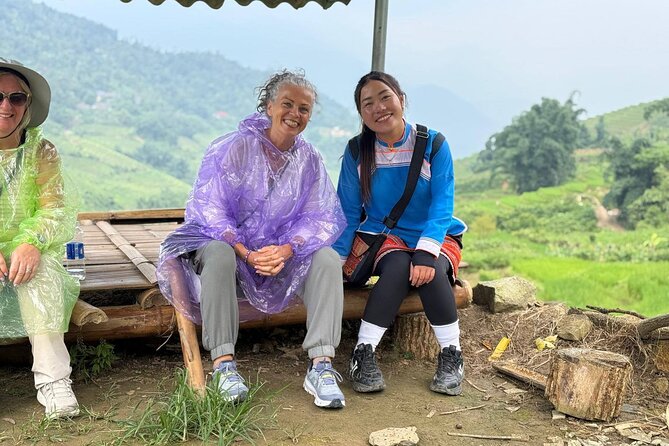
- Village stories, not just scenery: you’ll hear about daily life, customs, weddings, and how old routines meet newer changes
- Terraced fields with mountain backdrops: early views at Y Linh Ho set the tone for the whole day
- Lunch in Lao Chai: a practical pause where you can slow down and take in Hmong village life
- Ta Van is short, but meaningful: enough time to feel the place without burning your whole day
- English guide and small group feel: up to 30 people helps keep things conversational
- Choose your path wisely: you may be offered an easier route vs a nature route, and the nature route can be mud-and-music fun
Y Linh Ho: Terraced fields under Hoang Lien Son’s shadow
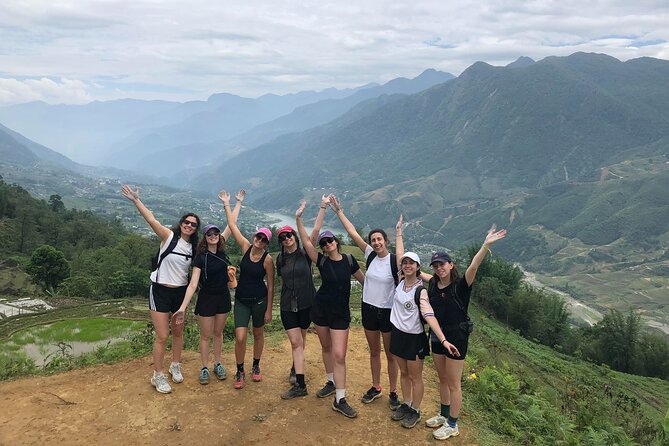
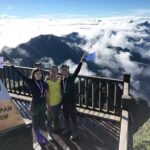
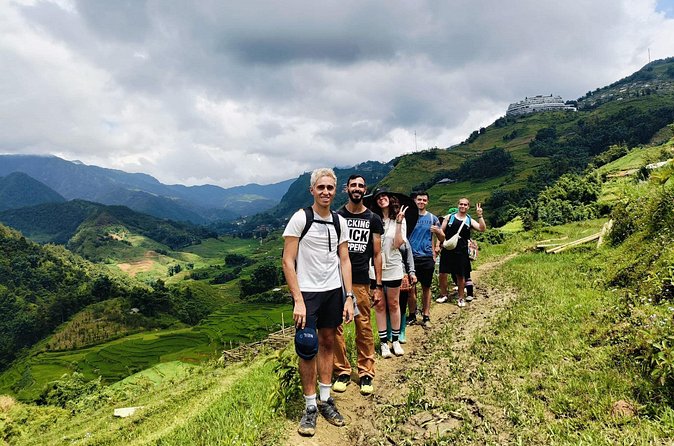
This is where the day starts to make sense. Y Linh Ho sits at the foot of the Hoang Lien Son mountain range, so even when the route is simple, your eyes keep getting pulled uphill. The terraced fields here are the kind you could stare at for a long time, because the pattern keeps changing with the light and the angle.
What I like about beginning with Y Linh Ho is momentum. You get your first big wow early, before you’ve worked up real fatigue. And since admission is free at this stop, you can spend more time just walking and looking, instead of rushing between paid checkpoints.
Practical tip: wear shoes that handle uneven ground. Even without technical hiking, Sapa trails have texture—roots, wet dirt, and slopes. If the weather turns, this section can be where you notice mud the most, so it’s worth being ready.
You can also read our reviews of more tours and experiences in Sapa.
Lao Chai: Hmong houses, brocade shopping, and a lunch break that feels earned
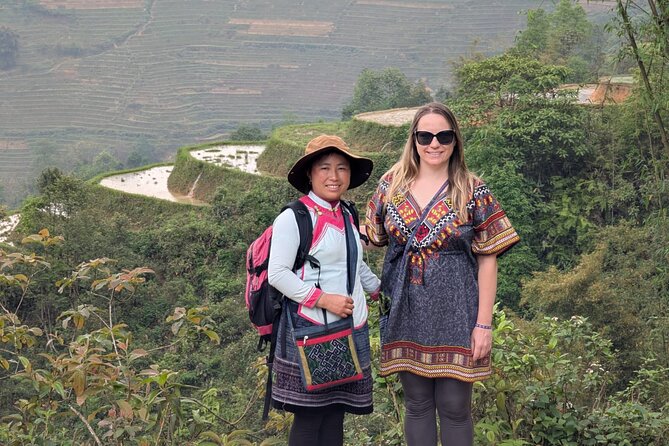
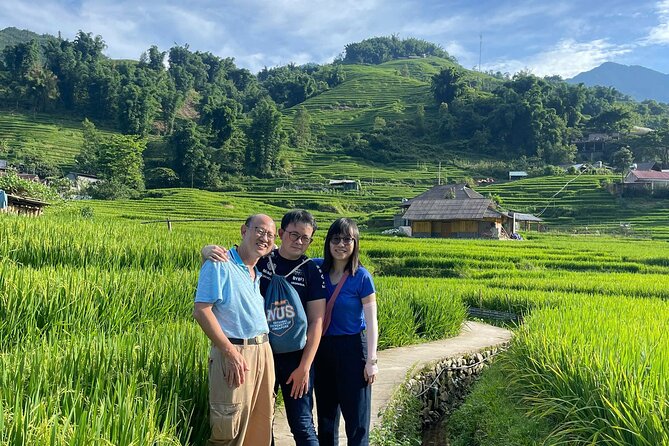
After the first views, Lao Chai is where the day turns from landscape to people. This is an area known for endless terraced fields, but it’s also about daily life: traditional houses, Hmong culture, and a chance to shop for local brocade.
The best part is the practical mix. You’re not just snapping photos from a distance. You can look closer at how homes relate to the terrain, and you can learn what’s behind everyday items and local crafts. The brocade shopping is especially useful if you want a souvenir that feels connected to real skills, not mass-produced guesswork.
Lunch here is more than a break. It’s one of those moments where the walk stops, you sit down, and you actually absorb what you’ve seen. Since lunch is included, you can focus on enjoying the pause instead of doing math in your head for where to eat later.
Small caution: village stops can involve steady foot traffic and uneven paths inside the settlement areas. If you’re sensitive to crowds, keep your expectations realistic. The good news is the day is designed as a guided circuit, and many guides use route choices that reduce the crush compared to the biggest “conveyor belt” walking days.
Ta Van: A shorter village stop with big atmosphere
Ta Van village is the third key stop, and it’s short by design. You’ll spend about 40 minutes here, which means you get enough time to take in the vibe without burning your energy too early—or too late.
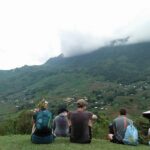
In that time window, you’ll get the feeling of why Ta Van is so often recommended. It has that postcard quality, but what matters is that the village is still lived-in. You can watch how the space works: where people move, how the viewlines open, and how life fits into the hills.
Since the stop is relatively brief, you should think ahead about what you want to do. If you want photos, get them early. If you want conversation, lean into your guide’s storytelling and ask about customs and day-to-day habits you noticed on the walk. The guide’s explanations are where Ta Van stops being just a visual stop and becomes context.
The guide factor: turning a hike into village context
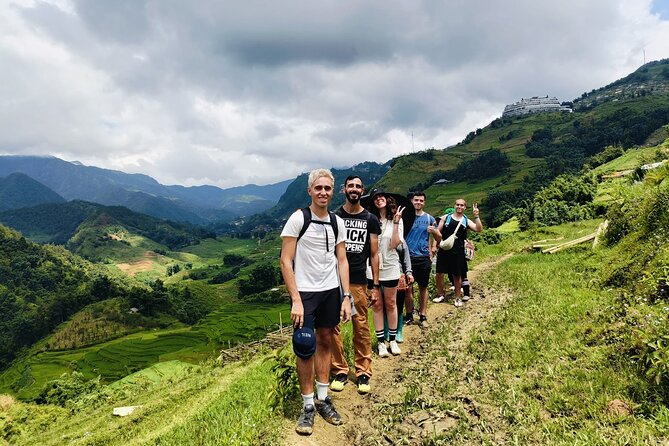
This experience isn’t only about walking between viewpoints. The real value is how your guide explains what you’re seeing as you go.
The tour’s focus includes real-life topics like:
- festivals and what they mean locally
- how development affects the people who live here
- customs and habits you might otherwise miss
- food and social moments like weddings
- differences between older traditions and newer life
In the day, the guide helps you connect dots: terraces aren’t just pretty patterns; they’re tied to how people farm and survive on mountain terrain. And village life isn’t just a backdrop; it’s shaped by environment, community, and change.
I also appreciate the guide style reflected in names you may hear in this region. Guides like Nhú are described as enthusiastic and kind, with a knack for sharing what to look for and how to get the most from the day. Another guide name that comes up is Su, praised for friendly, funny, conversational guidance. Even if your guide isn’t the same person, the vibe matters: this is a walking tour that aims to educate without turning into a lecture.
One more practical plus from how the day is run: you may be guided along quieter stretches so you spend less of the day watching other tour groups shuffle for photos. That makes the whole trek feel more like you’re moving through the area rather than being processed by it.
Price and timing: $25 for a real day out of Sapa

Let’s talk value, because the price is the first question most people have.
At $25 per person, this one-day trek hits a sweet spot. You get:
- English-speaking guide
- lunch included
- bottled water included
- private transportation with pickup and return by car
- free admission at the main stops
- a mobile ticket and group discounts
The math is simple: if you tried to arrange transportation on your own plus a guide plus lunch, you’d usually spend more than that total. What makes it especially good value is that you’re not just paying for someone to walk with you. You’re paying for guidance that keeps the day structured and meaningful.
Timing-wise, the trek runs about 6 to 7 hours. That length is long enough to feel like you left the town and saw another side of Sapa, but short enough to still be doable if it’s your only full day. It also helps with planning: you don’t need to book a multi-day trek, and you still get to experience multiple villages.
One logistics note that matters: the day ends back at the same meeting point, so you don’t have to worry about finishing far from where you’re staying.


What to expect on the ground: pace, mud, and choosing your path
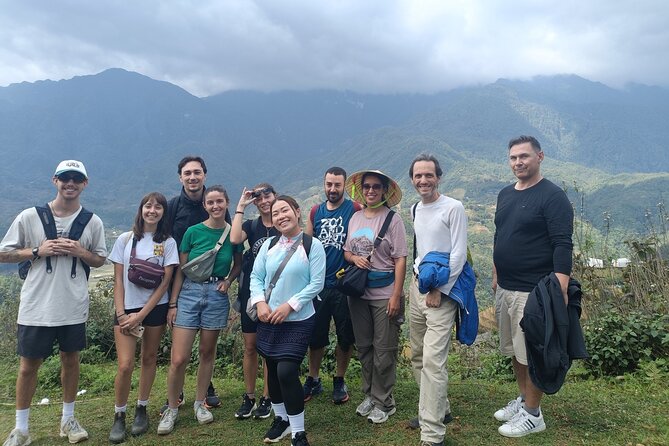
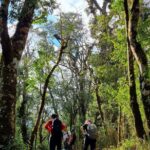
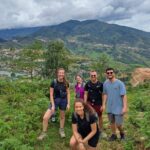
You should plan for a real hike, even if it’s billed as a one-day trek. The fitness level is listed as moderate, which matches what I’d suggest: you’re walking for hours on uneven trails. If it’s raining—or even just after rain—you can get mud. That’s not a reason to cancel, but it is a reason to come prepared.
If your guide offers two route choices (an easier path and a more nature-focused route), take the nature option if you want more scenery and don’t mind muddy patches. The experience can feel more fun and less repetitive when the route is more outdoorsy, not just the quickest line between viewpoints. And if it’s slippery, your guide should help you choose the best way through.
What to bring (keep it basic and practical):
- solid shoes with grip
- a light rain layer
- water beyond what’s provided if you sweat easily
- a small daypack to keep your hands free
Also: since you’re stopping at villages, you’ll want clothes that you don’t mind getting a little dusty. Sapa hikes have that mountain-dirt reality.
Where you start matters: meeting at Sapa Stone Church
The day kicks off at Sa Pa Stone Church (P. Hàm Rồng, TT. Sa Pa, Sa Pa, Lào Cai 333100, Vietnam). That’s a convenient anchor point because you can usually reach it easily compared with more remote pickup spots. The activity also lists being near public transportation, which helps if you’re not using a hotel pickup.
Ending is back at the meeting point, again keeping the logistics simple. For one-day tours, this kind of “start and finish in the same place” is a big deal. It reduces stress and keeps your evening open.
Should you book this one-day trek to Lao Chai and Ta Van?
I’d book this if you want:
- a one-day way to see more than one village
- terraced views that feel central to daily life
- an English-speaking guide who explains customs and change, not just directions
- lunch included and transport handled, so you can spend energy on the trek
I’d think twice if you know you struggle on uneven ground. Even with a moderate fitness rating, you’re still walking for much of the day, and weather can turn paths muddy.
If you’re short on time in Sapa, this is one of the more efficient ways to experience the region’s village side. And if you’re traveling with a group, the built-in group discounts can make the day even more reasonable.
FAQ
FAQ
How long is the one-day Sapa trek to Lao Chai and Ta Van?
The duration is about 6 to 7 hours.
Where does the tour start and where does it end?
It starts at Sa Pa Stone Church and ends back at the same meeting point.
What stops are included during the walk?
The day includes Y Linh Ho, Lao Chai (where you have lunch), and Ta Van.
What’s included in the price?
The tour includes an English-speaking guide, bottled water, lunch, and private transportation with pickup and return to Sapa.
Is the hike suitable for moderate fitness levels?
Yes, it’s listed for travelers with a moderate physical fitness level.
Can I get a full refund if I cancel?
Yes. You can cancel up to 24 hours in advance for a full refund. Cancellation within 24 hours of the start time isn’t refundable.