REVIEW · HANOI
Cao Bang Easy Trekking Tours 2Days/1Night Ban Gioc Waterfall ET1
Book on Viator →Operated by Vietnam Northern Travel · Bookable on Viator
Ban Gioc feels like a world away. This 2D1N easy trekking loop takes you from Hanoi into Cao Bang’s UNESCO-listed mountain country, then back with Ban Gioc Waterfall as the big finish. I especially love the homestay in Khuoi Ki Stone’s Village for the calm mountain feel and home-cooked meals, and I also like how the day includes real village walking instead of just “photo stops.” One consideration: the plan is weather-dependent, and you’ll also spend a chunk of time on overnight and ground transport.
You get a small group too, capped at 8 travelers, which makes it easier to keep a steady pace. Guides like Anthony, Nhat, and Sen come up again and again for being patient, flexible, and genuinely helpful, so the trip rarely feels rushed.
Finally, think of this as “easy” trekking on uneven paths: you’re outside most of the day, walking through caves, rice terraces, streams, and village lanes. If you’re expecting resort-level comfort every hour, you may want to slow your expectations and pack for real outdoor time.
In This Review
- Key things that make this Cao Bang tour worth your attention
- Why Cao Bang’s Ban Gioc area is a different kind of Vietnam
- The “easy trekking” reality: what you should expect to walk
- Day 1: Ngao Cave, Tay stone houses, and lunch that teaches more than photos
- Morning in Khuoi Ki Stone’s Village
- Ngao Cave (Tiger Cave): stone formations you can actually name
- Walking to Bong Son Village: Tay stone houses and history in the stones
- Lunch with a local family: culture through customs and everyday routines
- The best part of Day 1: terraces, forest, stream
- Back to the homestay by a different route
- Evening at the homestay: where the trip slows down
- Day 2: Quay Son River walking, Trúc Lâm Pagoda views, then Ban Gioc by boat
- Breakfast again, then Quay Son River trails
- Trúc Lâm Zen Monastery: climb for the panorama
- Ban Gioc Waterfall: the main event, closer than you expect
- Lunch at Thác Ban Giốc Restaurant, then back toward Hanoi
- Hanoi–Cao Bang logistics: how to plan for the travel day
- Price and value: what $129 buys you (and what costs extra)
- Guides make or break a trip like this
- Who should book this Cao Bang ET1 tour
- Should you book this tour or choose a different option?
- FAQ
- What does the tour price include?
- What extra cost should I expect besides the $129 price?
- How many people are in the group?
- Where do we stay overnight?
- What are the main highlights on the walking route?
- What happens if the weather is poor?
Key things that make this Cao Bang tour worth your attention
- Ban Gioc + boat approach: You don’t just look from far away; you get closer and feel the splash at the waterfall.
- Ngao Cave (Tiger Cave): Natural stone columns and shapes take center stage early in Day 1.
- Village variety in one loop: Tay village stone houses, plus time with ethnic communities and local food.
- Small-group pace: Up to 8 people helps keep stops comfortable and flexible.
- Homestay in Khuoi Ki: One night in a local mountain setting, not a faceless hotel.
- Two-day river + monastery views: Quay Son River walking and Trúc Lâm Pagoda for wide panorama angles.
Why Cao Bang’s Ban Gioc area is a different kind of Vietnam
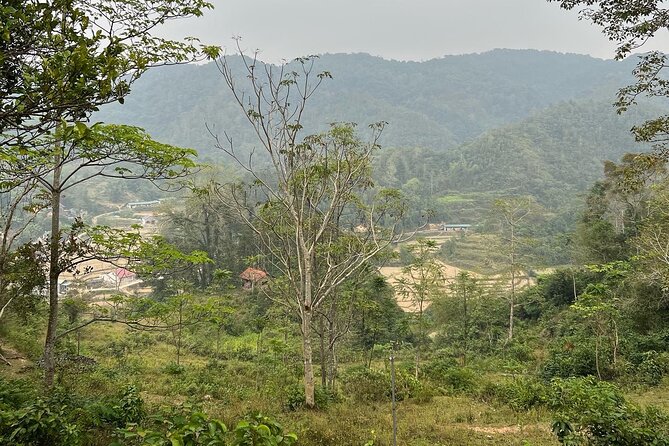
Cao Bang isn’t the Vietnam of crowds and constant noise. It’s limestone country with a maze of valleys, rivers cutting through the mountains, and small ethnic communities living in stone-and-earth settings. The route is built around that reality: you spend time moving through the scenery instead of only pausing at viewpoints.
This trip is also explicitly designed around culture and daily life, not only scenery. You’ll pass through ethnic village areas and eat local dishes tied to the region, including options like duck noodle soup and the area’s rice paper. That matters because it changes the experience from sightseeing into “this is how people live here.”
You can also read our reviews of more tours and experiences in Hanoi.
The “easy trekking” reality: what you should expect to walk
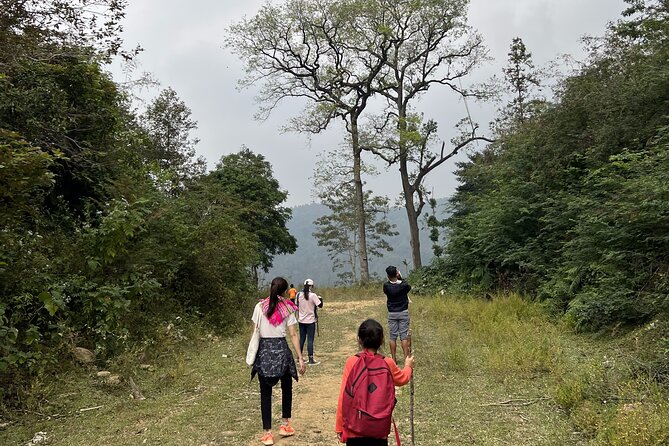
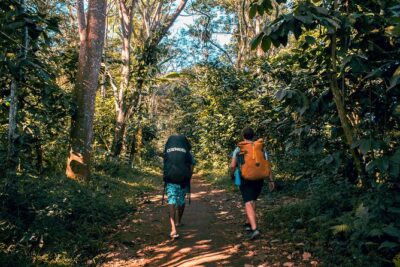
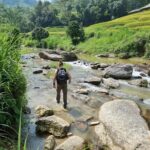
The itinerary calls it easy trekking, but it’s still a trek. You’ll be walking on a mix of cave paths, village paths, and natural routes near rice fields, forest edges, and streams. The pace is meant to be friendly—especially with a small group—but you’ll still want comfortable shoes and a light daypack.
What makes it feel manageable is the way the schedule mixes activity with breaks:
- Long enough to feel like you’ve really explored
- Short enough that you can reset at homestay meals, lunches with families, and viewpoint stops
If you’re used to city walking and occasional uneven ground, you’ll likely be fine. If you’re dealing with mobility issues or you’re not comfortable on uneven surfaces, you might find some stretches demanding.
Day 1: Ngao Cave, Tay stone houses, and lunch that teaches more than photos
Morning in Khuoi Ki Stone’s Village
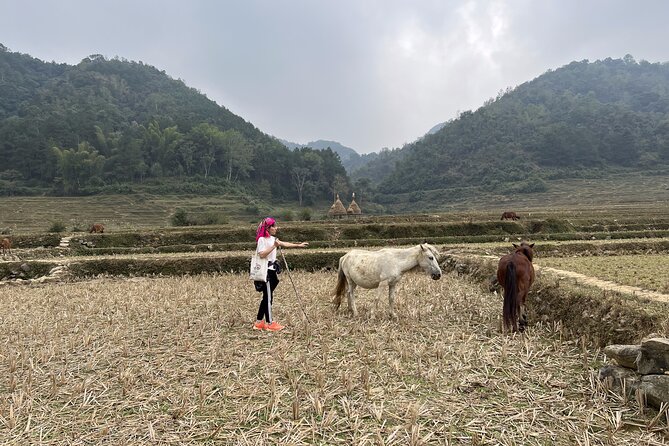
Day 1 starts with breakfast at your homestay in Khuoi Ki Stone’s Village. Meals here are part of the experience, not just fuel. You’ll get regional specialties such as Cao Bang rice paper and duck noodle soup (as listed), so the food sets the tone for the day’s culture focus.
Then the trekking begins with a key first stop: Ngao Cave, also known as Tiger Cave. This is one of the cave systems in the area that still keeps a natural feel.
Ngao Cave (Tiger Cave): stone formations you can actually name
Ngao Cave is famous for formations created over extremely long periods of time. The route highlights natural stone columns and stalactites that resemble things like tiger shapes, lotus patterns, boats, and even cactus-like forms. What I like about this stop is that it’s not just “look at stalactites.” The cave is treated like a guided visual puzzle, so you’ll understand what you’re seeing while you walk.
Practical note: caves tend to feel cooler and can be slippery, even when it’s warm outside. Good grip matters.


Walking to Bong Son Village: Tay stone houses and history in the stones
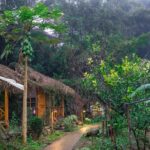
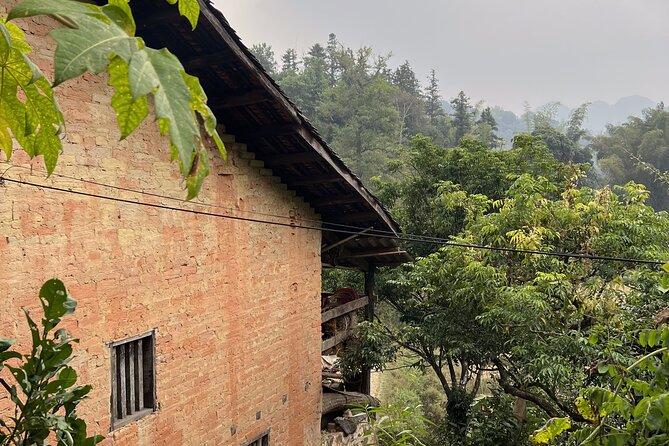
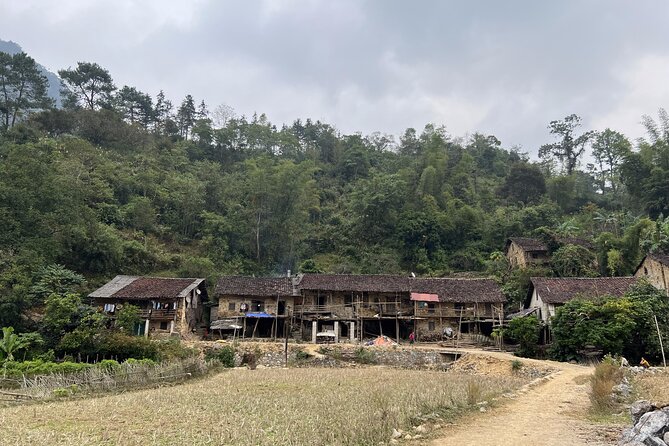
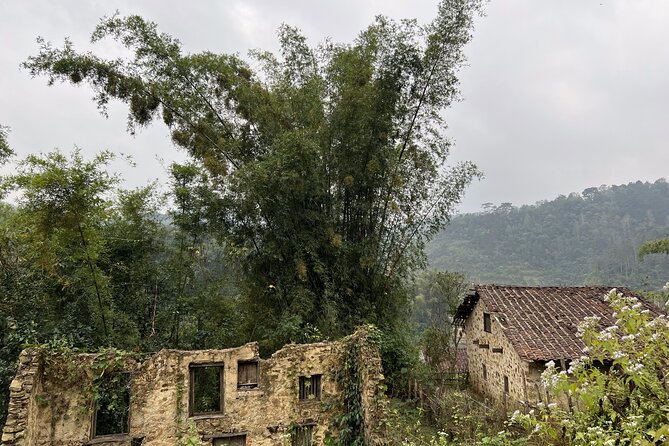
Next you trek toward Bong Son Village, a Tay ethnic village. The emphasis here is on the village’s old stone-house style, with homes described as built around 30 years ago. That age detail is useful: it tells you this isn’t a theme village. It’s an ongoing community space with lived-in textures.
This leg of the walk also gives you that slower “feel the place” time. You’ll move through a mix of village lanes and natural edges, which is often where you learn most—by watching how daily life fits into the terrain.
Lunch with a local family: culture through customs and everyday routines
Lunch is served with a local family. The itinerary explicitly frames the meal as a chance to learn about Tay customs and daily life, not just eat. That’s a strong value point because it turns your time into conversation and observation, guided by someone local.
As with the rest of the schedule, the food is tied to the region, including specialties associated with Cao Bang and Ban Gioc.
The best part of Day 1: terraces, forest, stream
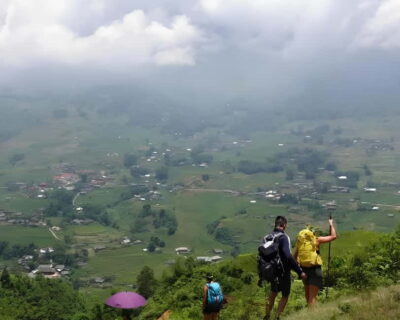
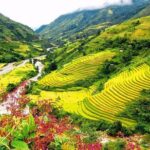
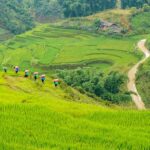
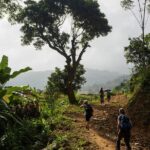
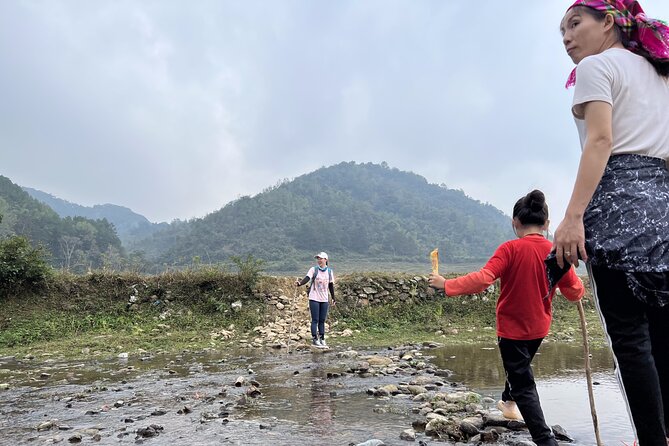
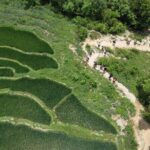
After lunch, the route keeps moving along some of the most scenic stretches. You’ll walk through rice terraces, forest areas, and stream edges, with the kind of mountain air that makes you feel less “on a schedule.” This is the part where “easy trekking” starts to feel like a reward rather than a workout.
You’ll also be able to take photos, but the smart move is to pause and look first. In this area, the views change quickly because the terrain is layered—mountain walls, water channels, and fields all sit at different depths.
Back to the homestay by a different route
One thoughtful touch: the plan brings you back to your homestay using another way so your Day 1 trekking route doesn’t feel duplicated. You’ll arrive with that post-walk, cool-down feeling—fresh air, time to breathe, and time to rest.
Then there’s shower time, dinner with local people, and an evening that stays simple and peaceful.
Evening at the homestay: where the trip slows down
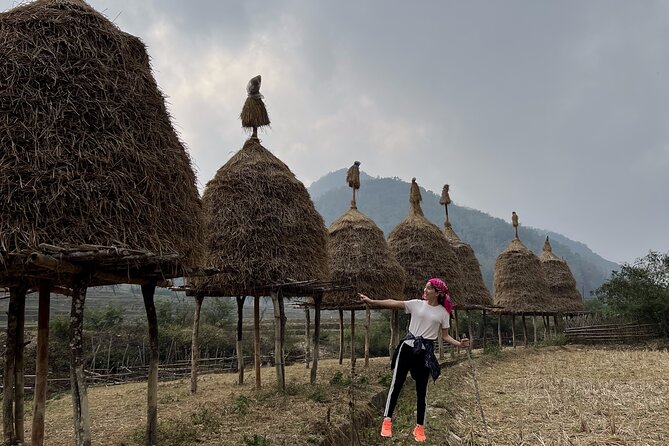
This tour builds in real downtime. You’ll have a shower after trekking, rest, and then eat dinner in the homestay setting with local-style food (as listed). That’s a good match for the overall theme: mountains in the morning, community in the middle of the day, and calmer bonding time at night.
If you’re the type who gets restless without constant action, this is still a workable evening—because it’s not dead time. It’s the part that helps the next day’s waterfall feel earned.
Day 2: Quay Son River walking, Trúc Lâm Pagoda views, then Ban Gioc by boat
Breakfast again, then Quay Son River trails
Day 2 starts with another breakfast featuring regional specialties like Cao Bang rice paper and noodle options. After that, you’ll trek along the Quay Son River, where you get mountain-on-mountain views and the sense of interlacing water and rock.
The itinerary also points out that on one side you can see the China-related fence and construction area. That adds context: this isn’t only a nature story. It’s also a borderland.
Trúc Lâm Zen Monastery: climb for the panorama
Next comes Trúc Lâm Zen Monastery. You climb up to reach the pagoda and get panoramic views over Ban Gioc Waterfall. The plan notes the contrast of scenery from different sides—on one side the view includes the Chinese glass bridge area, while the other side focuses on calmer Vietnamese rice fields.
This stop is a great “big picture” moment. After a day of walking through caves and village routes, you’ll finally see how the whole system connects: river, cliff lines, and falls all fit together.
Ban Gioc Waterfall: the main event, closer than you expect
Then it’s time for Ban Gioc Waterfall. The waterfall drops from above and whitewashes the nearby river, and the plan includes getting to it by boat closer to the falls. That boat approach is the difference between watching water and feeling it—splashing drops can make you react fast, in a good way.
A powerful detail here: the waterfall area sits at the Vietnam–China border, which the itinerary mentions. Standing near that boundary adds a real sense of place, not just postcard scenery.
Practical note: if you hate getting wet, bring a small dry bag or waterproof pouch. Even when the day feels calm, waterfall mist finds gaps.
Lunch at Thác Ban Giốc Restaurant, then back toward Hanoi
After the waterfall time, you’ll have lunch at Thac Ban Gioc Restaurant, with time to relax and digest before the return journey.
From there the trip shifts gears:
- You get back to Cao Bang City by local bus (dropping you near the operator’s office).
- Then a limousine ride is arranged from Cao Bang City to Hanoi.
- You arrive back at your Hanoi hotel late evening.
That schedule is long, but it’s what makes the 2D1N loop work from Hanoi.
Hanoi–Cao Bang logistics: how to plan for the travel day
This tour uses an overnight style approach to maximize sightseeing time. In Hanoi, you meet at My Dinh Bus Station. You can take a Grab to get there, then your driver meets you at the waiting area. The plan says you’ll check in to a VIP sleeper heading toward Cao Bang City late evening.
On the far end, you’ll return to Hanoi by limousine after reaching Cao Bang City again mid-afternoon.
Two tips to make this easier:
- Pack basics for sleep and comfort because overnight travel time is real.
- Don’t plan heavy activities the day you return to Hanoi—your body may still be recovering.
Also note: air-conditioned vehicle isn’t included. If you’re sensitive to heat during ground transfers, plan for that.
Price and value: what $129 buys you (and what costs extra)
At $129 per person, the core value is what’s packaged. The trip includes:
- 2 breakfasts, 2 lunches, and 2 dinners
- bottled water during the trip
- all fees and taxes
- 1 night in a standard local homestay
- guided trekking and the listed sightseeing stops
That food + homestay + guiding combination matters more than it looks. In remote regions, paying separately for meals, guide time, and local accommodation can add up fast.
The main extra to expect is the Hanoi to Cao Bang transport cost of $20 per person one way (as listed). Also, alcoholic drinks aren’t included.
So is it a good deal? For the mix of cave + waterfall + villages + meals + small-group touring, yes—especially if you want local experiences without building the logistics yourself.
Guides make or break a trip like this
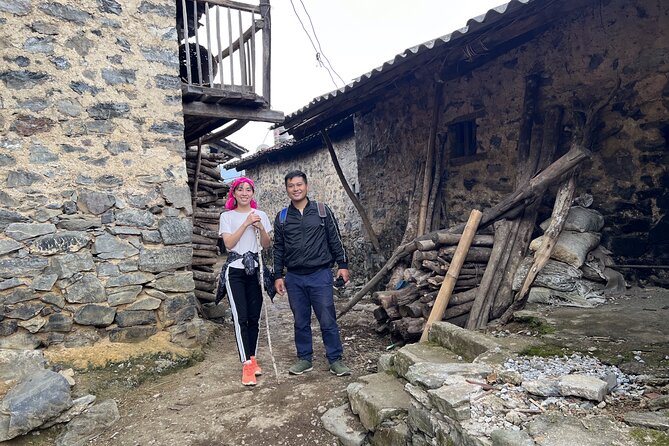
A big reason this one scores highly is guide quality. Names like Anthony, Nhat, and Sen come up, and the theme is consistent: they handle the route with care, move at a comfortable pace, and stay flexible when you want a bit more time at a stop.
That flexibility is especially important in places like caves and viewpoints. People have different comfort levels. Some want a quick photo. Others want a full explanation of what they’re seeing. A patient guide can make the same itinerary feel good for both types.
Who should book this Cao Bang ET1 tour
This is a strong match if you:
- Want a short 2D1N break that still feels like real travel
- Like nature, caves, rivers, and borderland scenery
- Prefer small-group guiding (up to 8 travelers)
- Appreciate homestay culture and regional food
You might think twice if you:
- Need nonstop comfort and fully guaranteed smooth surfaces
- Are not comfortable with overnight travel and long return time to Hanoi
- Are sensitive to weather changes, since the experience depends on good conditions
Should you book this tour or choose a different option?
Book it if you want Cao Bang in two days without losing the human side. The cave-to-waterfall structure is logical, the homestay night anchors the trip in local life, and the itinerary includes the kind of walking that makes the area feel real.
Skip it if your main goal is luxury comfort or if you don’t handle uneven ground well. Also, if you’re going during a period when rain is common, keep an eye on weather—this type of tour can shift when conditions don’t cooperate.
If you can handle simple mountain lodging and a travel-heavy schedule, this is one of the better ways to experience Ban Gioc and the nearby villages in a limited time window.
FAQ
What does the tour price include?
The tour includes 2 breakfasts, 2 lunches, 2 dinners, bottled water during the trip, all fees and taxes, and 1 night accommodation in a standard local homestay.
What extra cost should I expect besides the $129 price?
The transportation from Hanoi to Cao Bang is not included and is listed as $20 per person one way.
How many people are in the group?
This activity has a maximum of 8 travelers.
Where do we stay overnight?
You stay 1 night in a standard local homestay in the Khuoi Ki Stone’s Village area (near Ban Gioc).
What are the main highlights on the walking route?
The itinerary includes Ngao Cave (Tiger Cave), trekking through village areas such as Bong Son Village (Tay ethnic), trekking along the Quay Son River, Trúc Lâm Zen Monastery, and a visit to Ban Gioc Waterfall with a boat closer to the falls.
What happens if the weather is poor?
The experience requires good weather. If it’s canceled due to poor weather, you’ll be offered a different date or a full refund.
If you want, tell me your travel dates (and fitness level), and I’ll suggest what to pack and the best way to plan your Hanoi arrival and departure around the overnight schedule.