REVIEW · HANOI
Sapa 2D1N Trekking to Giang Ta Chai Village from Hanoi by Bus
Book on Viator →Operated by GADT Travel · Bookable on Viator
Sa Pa has a way of switching your brain from city mode to mountain mode, and this 2D1N trek is a solid way to do it from Hanoi. I like the combo of big viewpoints (Y Linh Ho to Ta Van on Day 1, then bamboo forest and rice paddies toward Giang Ta Chai on Day 2) plus the included dinner and homestay/bungalow nights. One trade-off to keep in mind: the accommodation is basic, and you need moderate fitness for the longer Day 1 walk (about 9 km).
This trip also works well if you want structure without feeling boxed in. You ride a modern A/C bus, get an English-speaking guide, and follow a route that connects the main highlights of the region’s village life. Just remember pickup is free only in Hanoi Old Quarter, and after the tour you’ll make your own way back from the bus stop.
In This Review
- Key highlights worth planning for
- Why This Sa Pa 2D1N Trek Feels Like a Real Highlands Escape
- Getting From Hanoi to Sa Pa by Modern A/C Bus (and Staying Sane)
- Day 1: Ta Van Village Trek Through Y Linh Ho, Rice Terraces, and Muong Hoa Stream
- Ta Van Homestay and Dinner: Simple Facilities, Real Village Night
- Day 2: Bamboo Forest, Rice Paddies, Giang Ta Chai Bridge, and Red Dzao Views
- The Optional Cooking Class: Pho and Nem Cuốn for Extra Cost
- Price and Value: What You’re Paying for (and What to Budget Extra)
- Packing Checklist for Sa Pa Weather That Won’t Behave
- Fitness, Safety, and Who This Trek Truly Suits
- A Note on Service Quality: Guide Support Can Make or Break the Day
- Should You Book This Sapa Trek?
- FAQ
- Is round-trip transportation from Hanoi to Sa Pa included?
- Do you pick me up from my hotel in Hanoi?
- Is drop-off back to my hotel included at the end?
- How much trekking is involved across the 2 days?
- Are meals included?
- Is the cooking class included in the tour price?
- What is the accommodation like?
- What should I pack for Sa Pa weather?
- Can I cancel for a full refund?
Key highlights worth planning for
- Modern A/C round-trip bus with rest stops so the travel days don’t feel endless
- Y Linh Ho to Lao Chai to Ta Van trekking route with stream and rice-terrace scenery
- Homestay in Ta Van plus an included dinner, giving you a real village-night rhythm
- Giang Ta Chai on Day 2 with a short but scenic hike through bamboo and paddies
- Optional cooking class (Pho, Nem Cuốn) if you request it and pay extra
- Small group size (max 15) which usually means less crowding on photo stops
Why This Sa Pa 2D1N Trek Feels Like a Real Highlands Escape
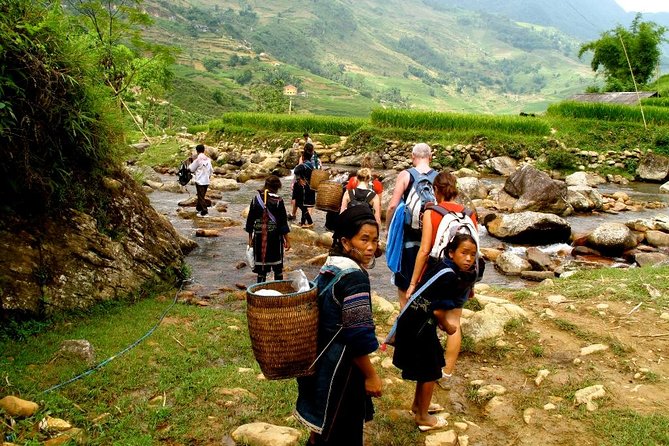
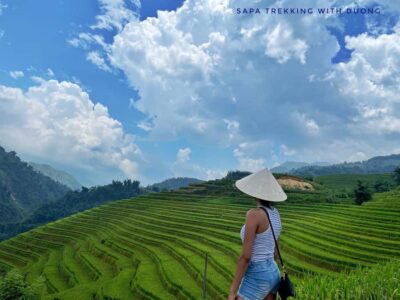
Sa Pa is famous for misty mountains and terraced fields, but what makes this kind of 2-day trek worthwhile is the pacing. You’re not just hopping between viewpoints. You’re walking through the same kind of valleys and paths that connect villages and farmland, so the scenery hits differently when you earn it on foot.
I also like that the tour gives you a clear arc: Day 1 is about getting into the rhythm of trekking, reaching Ta Van for your overnight stay. Day 2 focuses on a second set of views around Giang Ta Chai, plus an extra cultural touch if you opt into the cooking class.
The practical point: this is not a casual stroll. Day 1 is about 9 km and lasts around 3.5 hours. If you have limited mobility or you get winded easily on uneven paths, you’ll feel it. But if you’re comfortable with moderate trekking, you’ll probably come away with that satisfying feeling of having actually seen the region.
You can also read our reviews of more tours and experiences in Hanoi.
Getting From Hanoi to Sa Pa by Modern A/C Bus (and Staying Sane)
The tour runs round-trip by modern A/C bus, starting with pickup in Hanoi’s Old Quarter hotels. You’ll depart between 6:00 and 6:30 depending on your pickup time. The schedule builds in two breaks: one around 9:30 on the highway, and another around 11:00 in the Lao Cai area before pushing onward to Sa Pa.
Why this matters: long drives in Vietnam can blur together, especially if you’re trying to time meals and avoid getting stuck. Having scheduled rest stops helps you use the day efficiently instead of feeling trapped on the bus.
When you arrive in Sa Pa around 13:30, you’re not immediately thrown onto a mountain trail. You get lunch first at a local restaurant, then you start trekking in the mid-afternoon. That flow helps your body transition from road-time to walking-time without the kind of sudden energy crash that wrecks the first hike.
Two logistics notes you should not ignore:
1) Free pickup is only guaranteed for hotels in the Old Quarter area. If your hotel is outside, you’ll meet at a specific location in the city.
2) The tour doesn’t include drop-off back to your hotel at the end. You’ll return to the bus station area and need to handle your own transfer back.
Day 1: Ta Van Village Trek Through Y Linh Ho, Rice Terraces, and Muong Hoa Stream
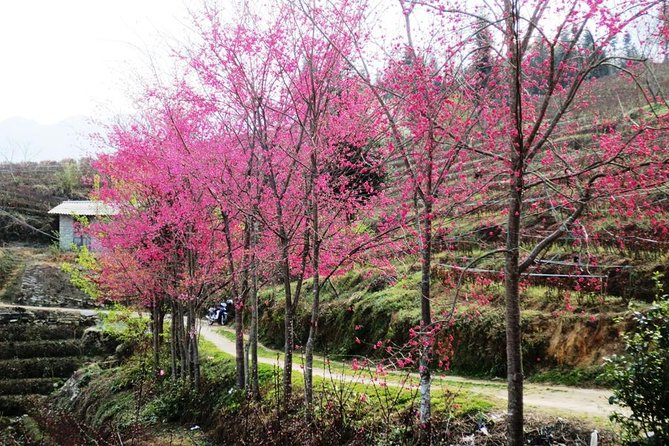
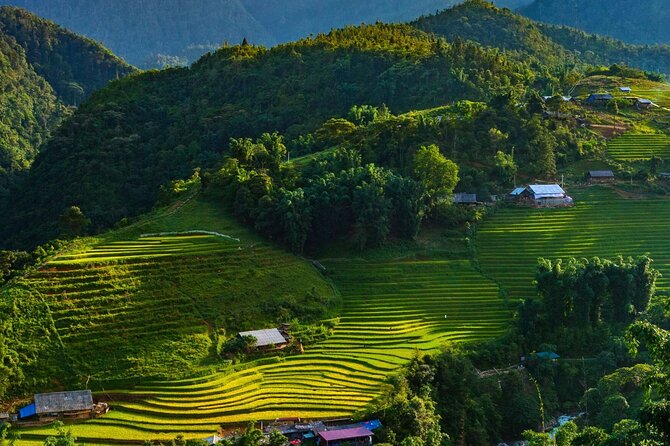
Day 1 starts with a classic Sa Pa trek sequence: you hike through the Y Linh Ho area, then onto rice terraces and along Muong Hoa Stream. This is the part where the region earns its reputation. The views are wide and dramatic, but the real payoff is how the terraces and stream guide your walking—so you’re constantly moving from one perspective to the next.
You’ll also pass by villages and farmland communities along the way. The route includes the Black Hmong village of Lao Chai, then you approach Ta Van in late afternoon, where Giay people live.
Distance and time matter here: the trekking distance is about 9 km, and it lasts around 3.5 hours. That’s why the tour lists moderate fitness as a requirement. It’s not just about distance, either. Trails can be uneven, and light rain can make them slippery.
Also, the timing is smart. You reach Ta Van and check in to your homestay around 17:45. That means you’re not wandering in the dark, and you get time to rest and eat before the evening really kicks in.
If you get easily cold, bring layers. Sa Pa weather can shift quickly, and Day 1 ends later in the afternoon when the air tends to feel sharper.
Ta Van Homestay and Dinner: Simple Facilities, Real Village Night
Overnight in Ta Van is where this tour becomes more than a hike. You’ll sleep in a homestay/bungalow setup, and the tour notes that bungalows are basic and simple compared with hotels. Translation: expect limited comfort compared to city lodging. This is normal for village stays, but it helps to go in with open eyes.
Dinner is included. Food quality can vary by homestay, but having dinner included is one of the practical wins of the package. It removes one of the hardest parts of rural travel: figuring out where you’ll eat and whether you can order without stress after you’ve been walking.
Cultural value is real here too. Sa Pa’s ethnic minority communities aren’t just costumes for photos. Spending the night where people live changes the feel of the trip. Even small interactions—like how breakfast is prepared and served the next morning—can make the whole experience feel grounded rather than staged.
Just be aware of the group dynamic. With a max of 15 travelers, you’ll still be around other people. But it’s small enough that your night doesn’t turn into a crowded tour bus vibe.
Day 2: Bamboo Forest, Rice Paddies, Giang Ta Chai Bridge, and Red Dzao Views
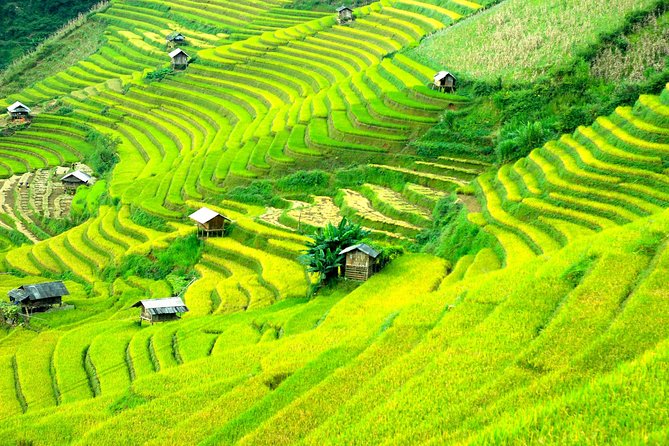
Day 2 has a lighter trekking distance than Day 1, but it’s visually intense. You start with breakfast prepared by the family, then you head out around 8:00.
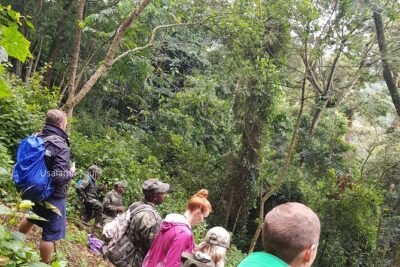
By 8:45, you’ll walk toward rice paddies for a photo session. After that you go through a bamboo forest, then stop at a panorama viewpoint of Giang Ta Chai village, home of the Red Dzao people.
The walking length is about 4 km, lasting roughly 2 hours. This makes Day 2 a great follow-up day when your legs are already seasoned from Day 1. You still get the full trekking feeling, but the physical load is more manageable.
At 11:00, you’ll trek through the Giang Ta Chai Bridge to the main road. After that, you return to the bungalow around 12:00 to shower and prepare for lunch. Then you’re picked up to head back toward the bus station around 13:30.
This structure is useful: you end the trek early enough to reset, eat, and start traveling back without feeling like you’re sprinting between checkpoints.

The Optional Cooking Class: Pho and Nem Cuốn for Extra Cost
If you want an activity beyond walking, there’s an optional cooking class on Day 2. It includes learning how to make Vietnamese foods like Pho and Nem Cuốn. The key detail: it’s opened upon request, and it costs $7–10 per person.
Is it worth it? If you enjoy hands-on food experiences and you like learning through doing, it can be a nice add-on because it connects to daily life, not just tourist sightseeing. If you’re not into cooking, you won’t lose the core value of the trip—your main event is still the trekking and village views. So treat it as a bonus, not a requirement.
Either way, you start the day with breakfast from the family, which already gives you a strong local touch.
Price and Value: What You’re Paying for (and What to Budget Extra)
The price is $88.47 per person for 2 days/1 night. That can feel like a bargain or a bit steep depending on what you compare it to. Here’s the practical value equation:
Included:
- Round-trip Hanoi–Sa Pa–Hanoi by modern A/C bus
- English-speaking guide
- Free pickup in the Hanoi Old Quarter area
- Overnight in homestay/bungalow
- Breakfast and dinner, plus lunches (the tour lists lunch twice)
- Guided trekking over two days with entry/support where noted
Not included:
- Drinks for meals
- Tips and personal expenses
- Cooking class cost (if you request it)
- Hotel drop-off at the end (you return to the bus stop and handle your own transfer)
- Single room extra: $15 for solo travelers
- National holiday extra: $20 (paid in cash if it applies)
My take: the value is strongest if you want a guided route and don’t want to manage bus tickets, overnight village logistics, and meal planning yourself. The tour also saves energy by handling the big travel pieces and leaving you to focus on the walk and the village stay.
If you’re very price-sensitive, do a quick comparison with what’s offered through your hotel in Hanoi, because pricing can vary in peak periods.
Packing Checklist for Sa Pa Weather That Won’t Behave
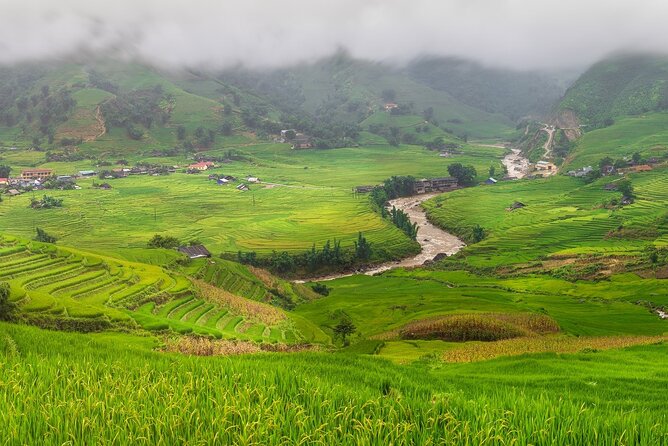
Sa Pa weather is unpredictable. The tour specifically suggests bringing warm clothing—especially a scarf, hat, and cap. It’s normally cold from September to March, and even outside those months, conditions can shift fast once you’re in the hills.
For trekking, pack:
- Trekking shoes (not just sneakers if you plan to walk on uneven ground)
- Sunglasses and sun cream (yes, even on cloudy days)
- Insect repellent
- Cash in Vietnam Dong for personal expenses
One more practical thought: bring layers you can remove. Start hikes in cooler air, then work up warmth on steeper sections. The tour doesn’t promise mild weather, so dressing for variation keeps you comfortable instead of grumpy.
Fitness, Safety, and Who This Trek Truly Suits
This tour is for people with moderate physical fitness. Day 1 involves about 9 km and around 3.5 hours of trekking. If you’re used to daily walking and can handle uneven paths, you’ll likely be fine.
The operator also states that children, older people, or anyone with low physical health are not allowed due to the long trek and potential danger in case of rain. That’s not just legal language. Mountain-area trails can get slippery quickly, and safety rules like this exist for a reason.
If you’re traveling with a group, remember the max group size is 15 travelers. That small number can be a comfort—less crowding on narrow trail sections and more flexibility if the guide needs to manage the pace.
A Note on Service Quality: Guide Support Can Make or Break the Day
The guide is part of the package, and guide quality affects everything: how you pace the hike, whether the group gets helpful explanations at photo stops, and how well the schedule adapts when something delays.
One name that comes up with this type of service is Khoi, described as composed and able to adjust the day’s plan without creating chaos when the trip started delayed during a holiday period. Another name mentioned is Mr Carl Nguyen, described as planning a multi-city Vietnam route with close attention to customer needs.
Even if your guide isn’t the same person, the broader lesson is this: when the guide is organized and flexible, you spend less time worrying and more time enjoying the walk. That’s the real benefit of paying for a guided trek.
Should You Book This Sapa Trek?
Book it if you want:
- A structured 2-day introduction to Sa Pa villages
- Guided trekking that includes major photo-worthy moments like rice paddies, bamboo sections, and panoramic viewpoints
- A real overnight village experience, with dinner included
- Modern transport out of Hanoi so you’re not stressed from minute one
Skip it if:
- You hate basic lodging and want hotel-style comfort (bungalows are simple)
- You can’t handle a 9 km Day 1 trek
- Your schedule depends on having drop-off back to your exact hotel after the tour (it’s not included)
If you fit the physical requirements and you’re okay with simple accommodations, this is a strong, good-value way to see Sa Pa beyond the quick photo stops.
FAQ
Is round-trip transportation from Hanoi to Sa Pa included?
Yes. The tour includes round trip Hanoi–Sapa–Hanoi by modern A/C bus.
Do you pick me up from my hotel in Hanoi?
Free pickup is offered for hotels in the Hanoi Old Quarter area. If your hotel is outside that area, you’ll meet at the meeting point given at confirmation.
Is drop-off back to my hotel included at the end?
No. After the tour, you should arrange your own transfer back to your hotel from the bus stop.
How much trekking is involved across the 2 days?
Day 1 includes about 9 km of trekking for roughly 3.5 hours. Day 2 includes about 4 km for around 2 hours.
Are meals included?
Yes. Breakfast and dinner are included, and lunches are also listed as included.
Is the cooking class included in the tour price?
It’s not included by default. The cooking class is opened upon request and costs $7–10 per person.
What is the accommodation like?
You’ll stay overnight in a home-stay or bungalow. The tour notes that bungalow facilities are basic and simple compared with a hotel.
What should I pack for Sa Pa weather?
Bring warm clothes such as a scarf and hat, plus trekking shoes, sunglasses, sun cream, and insect repellent. Weather can be unpredictable and is often cold from September to March.
Can I cancel for a full refund?
Yes. You can cancel up to 24 hours in advance for a full refund. The tour also depends on good weather, and if it’s canceled due to poor weather you’ll be offered another date or a full refund.