REVIEW · KATHMANDU
Everest Base Camp trek- 11 days
Book on Viator →Operated by Mount Face Nepal · Bookable on Viator
Everest starts with a tiny plane ride. This 11-day trek from Kathmandu to Everest Base Camp strings together Lukla flights, Sherpa villages like Namche Bazaar, and big-picture skyline days that end at altitude viewpoints you came for. You also get a private setup, with a guide licensed by the government and a porter system built for real trekking days.
I especially like the way the route is paced for getting used to altitude, including an acclimatization day in Namche Bazaar and extra altitude climbs spaced over multiple legs. I also love the practical logistics: airport pickup and drop, air fare Kathmandu–Lukla–Kathmandu, full-board meals on trek, and permits/TIMS handled so you can focus on the trail and the views.
The main consideration is altitude and effort: the trek climbs high (up to the Kalapathar area at 5,545m), and you’ll be hiking steep days at thinning air. Even with a good schedule, you should be ready for slow, steady walking and cold nights.
In This Review
- Key highlights to know before you go
- From Thamel to Lukla: the short flight that changes everything
- Phakding and Namche Bazaar: the gateway where Everest becomes personal
- Acclimatization in Namche: why you should respect the slower day
- Tengboche, Dingboche, Lobuche: monasteries, big altitude, and big views
- Gorakshep, Everest Base Camp, and the feeling of arriving
- Kalapathar (5,545m) and Pheriche: the best view after the hardest walking
- The return: Pheriche to Namche to Phakding to Lukla
- What’s included for $1,699: where the value actually comes from
- Lodges, meals, and the reality of high-altitude comfort
- Your guide and private-group style: support that matters on steep days
- Who this Everest Base Camp trek fits best
- Should you book this Everest Base Camp trek?
- FAQ
- Where does the trek start and end?
- What time does the experience start?
- What’s included in the trekking package price?
- What is not included?
- Do I need a permit and TIMS?
- How flexible is cancellation?
Key highlights to know before you go
- Lukla flight plus first hike: you trade long travel days for a dramatic start at trekking altitude.
- Namche acclimatization day: a built-in buffer that helps your body adjust before higher villages.
- Monastery and mountain-day views: Tengboche is one of the cultural anchors of the route.
- Everest Base Camp milestone: you reach the world’s top-peak staging area after several altitude steps.
- Kalapathar viewpoint: a high “finish-the-journey” perspective over Everest’s huge walls.
- Private group and porter support: only your group goes, and you’re not carrying everything yourself.
From Thamel to Lukla: the short flight that changes everything
Your trek begins in Kathmandu, meeting in Thamel around 7:15 am. If you want your first morning to feel calm (not chaotic), this is a smart start: you’re set up with pickup and drop for the Lukla flight. That matters because in Nepal, timing is everything, and Lukla departures tend to be schedule-sensitive.
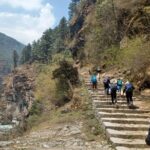
Then comes Day 1’s big transition: Kathmandu to Lukla (about 2,850m), followed by a hike to Phakding (about 2,660m). That first walking day has two jobs. First, it gets your legs moving after travel. Second, it helps you settle into the Khumbu trekking rhythm before you start climbing toward Namche Bazaar. You also get those early mountain impressions that make the whole trip feel real. Even if you’ve studied photos for months, seeing Everest-area ridgelines from the trail is a different experience.
Practical note for value: the package includes air fare Kathmandu–Lukla–Kathmandu, so you’re not scrambling for transport later or dealing with a separate ticket puzzle. Also included is a government-licensed guide, which is key for navigating the route and keeping the schedule on track.
You can also read our reviews of more tours and experiences in Kathmandu.
Phakding and Namche Bazaar: the gateway where Everest becomes personal
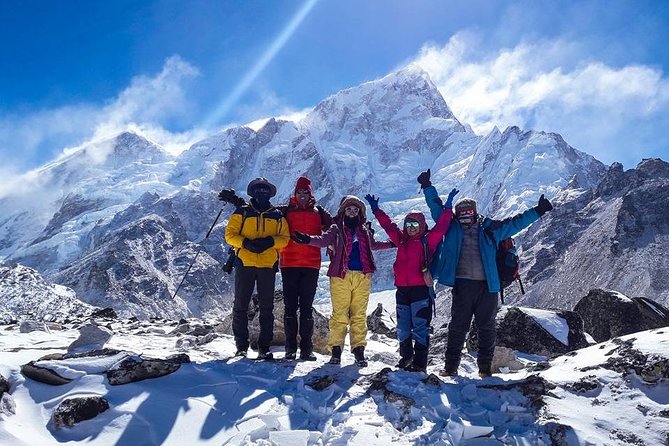
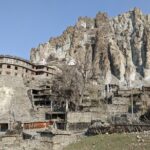
Days 2 and 3 are all about Namche Bazaar (about 3,435m), the classic gateway to Everest. Day 2 runs from Phakding to Namche, and this is where the trek starts to feel like a real community experience, not just a hiking path. Namche is known for being a hub for Sherpa life, with monasteries in the wider area and daily rhythms you can watch while you catch your breath.
Day 3 is the acclimatization day, staying in Namche. This is one of the best parts of the plan. You don’t just “sleep high and hope for the best.” You use that extra time so your body can adjust before the route pushes higher toward Tengboche and beyond. For many people, that one day is the difference between feeling okay on follow-up climbs versus feeling wrecked early.
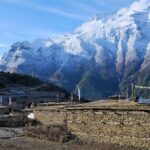
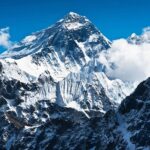
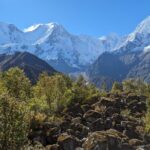
What makes Namche special on this trek is the mix of culture and views. You’re not only walking uphill; you’re also in Sherpa home-town surroundings, with chances to notice how people live, travel, and worship in the mountains. You’ll also get big views of peaks like Everest, Lhotse, Nuptse, Ama Dablam, and Thamserku in the broader panorama as your elevation increases. It’s the kind of scenery that makes you pause just to confirm what you’re seeing.
Small consideration: Namche can be busy compared with smaller villages. If you’re craving quiet, you can still find it on the trail and at viewpoints, but the town itself is a hub.
Acclimatization in Namche: why you should respect the slower day
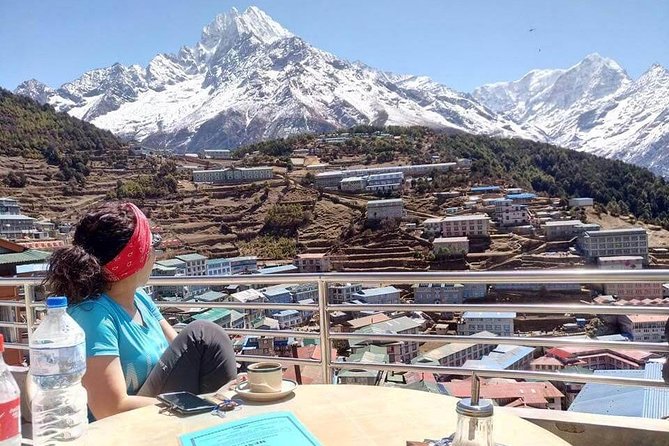
A lot of Everest trekkers underestimate what acclimatization means in practice. On this itinerary, you get an explicit acclimatization day in Namche Bazaar, and you benefit from the fact that the rest of the plan continues to build altitude steadily after that.
Here’s the value of that approach: it gives you time to adapt to higher oxygen-thin air and, more importantly, time to learn how you personally react. Your guide (government-licensed, and part of the reason the trip feels organized) can help you pace and monitor how the hike is going. One of the strengths highlighted in support stories is that your guide like Dipu stays involved and helpful during the trek, not just at the start and end.
If you take anything away from this segment, it should be this: slow down on purpose. You’ll likely feel better on later days if you treat Namche day as a tool, not a break you can ignore.
Tengboche, Dingboche, Lobuche: monasteries, big altitude, and big views
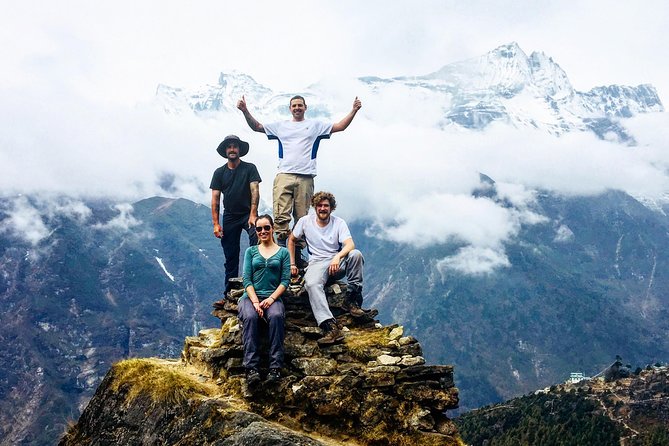
From Namche, the route heads toward Tengboche (about 3,890m) on Day 4. Tengboche is famous for its monastery, and on this trek you’ll also be traveling through terrain where the Everest-area skyline feels close enough to study. It’s not just a stop; it’s a cultural and scenic checkpoint.
Day 5 (Tengboche to Dingboche) climbs again to about 4,400m. Day 6 (Dingboche to Lobuche) pushes you to roughly 4,910m. Those are substantial jumps in elevation, but they’re broken across multiple days, which is exactly what you want on a classic Everest Base Camp plan.
Why these days matter:
- You build altitude gradually instead of doing the whole climb in a straight line.
- You get repeated windows to see the high peaks and the Khumbu Icefall area from your general route. (The itinerary includes time in the broader region where you’ll encounter these defining features.)
- You pass through villages that help you understand mountain life beyond the final endpoint.
The drawback here is also simple: you’ll be walking at altitude, and each day is harder than the last. This is where a porter helps a lot. The trek includes a porter to carry your baggage, and the plan commonly uses 1 porter for 2 clients, which is a huge relief if you’re trying to keep your energy for the climb.
Also, remember that higher-altitude lodges can feel basic compared with home. The good news is that this tour includes best-available accommodations and includes full board meals during the trek, so at least you’re not piecing together food and lodging decisions every day.
Gorakshep, Everest Base Camp, and the feeling of arriving
Day 7 is a key day: Lobuche to Gorakshep (about 5,180m) plus reaching Everest Base Camp at around 5,380m, then returning to Gorakshep. This is the push toward the place you’ve been mentally training for. Expect the walk to feel long, because altitude makes every step count.
Gorakshep is also where your trip’s focus shifts. After this point, you’re in the “high country” zone where the scenery turns into the main event. The itinerary is designed so that Base Camp isn’t an isolated photo stop; it’s part of a day where you’ve climbed into position, then gone to the milestone, then settled for the next summit-style day.
A big value point: the package includes a first aid kit and organizes the trekking permits needed for restricted area trekking (plus TIMS). That’s not thrilling, but it’s what keeps your trip smooth and avoids last-minute admin problems at higher elevation.
One more reality check: the “Base Camp experience” can still feel crowded at times, because it’s a famous destination. Still, what matters is how you get there: you earn it through the careful sequence of climbs and acclimatization.
Kalapathar (5,545m) and Pheriche: the best view after the hardest walking
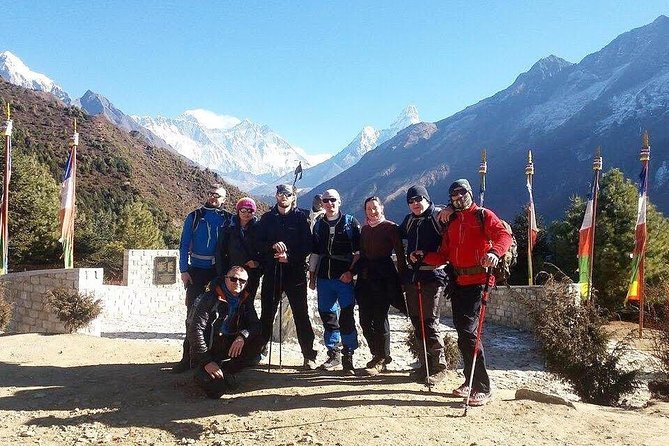
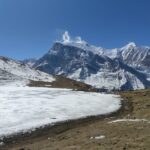
Day 8 is two-part in spirit: first the climb to Kalapathar (about 5,545m), then onward to Pheriche (around 4,320m). Kalapathar is one of the best known viewpoint goals because it gives a perspective over the Everest region that feels enormous. If Base Camp is the destination, Kalapathar is the “you understood it now” viewpoint.
After hitting that height, you descend to Pheriche. That’s important because it gives you a chance to reset a bit before the return legs. The itinerary then sets you up for Day 9: Pheriche to Namche Bazaar (about 3,435m). That descent phase is where good pacing and good hydration pay off, because downhill can be rough on knees and legs even when your breathing improves.
This day is also where you’ll feel the emotional arc of the trip: one more big altitude effort, then the sense that you’re actually coming down from the high zone instead of staying there. It’s a relief, and it also makes the views feel even more rewarding.
The return: Pheriche to Namche to Phakding to Lukla
Days 9 and 10 carry you back down the route: Pheriche to Namche Bazaar on Day 9, then Namche Bazaar to Phakding and onward to Lukla on Day 10. The return route isn’t just repetition. It’s a second look at familiar places through new legs and new gratitude.
Namche feels different on the way back. On the way up, you’re building toward it. On the way down, it’s a checkpoint and a place to breathe normally again. You’ll pass through Phakding too, getting that “we’re leaving the high altitude behind” transition.
Day 11 closes with your Lukla to Kathmandu flight, bringing you back to Thamel. That final day is simpler than the trekking days, but it’s still worth treating it as part of the overall experience. Being able to fly back from Lukla is a big advantage of this particular route because it saves you from reversing every day on foot.
What’s included for $1,699: where the value actually comes from
At $1,699 per person for an 11-day trek, this price isn’t only paying for distance to Base Camp. It’s paying for how the trek is managed.
Here’s what you’re getting that reduces your risk and planning load:
- Pickup and drop to the local airport for your Lukla flight
- Air fare Kathmandu–Lukla–Kathmandu
- Full board meals (breakfast, lunch, dinner) throughout the trekking period
- Best-available accommodations on trek
- A government license holder guide
- Porter support (commonly 1 porter for 2 clients)
- Trekking permits needed for restricted area trekking, plus TIMS
- First aid kit
- Farewell dinner prior to departure
- Ground transportation charge while returning to Kathmandu from trekking destination
Why that’s good value: trekking in Everest country is not just about hiking. It’s logistics, documentation, and timing. When those pieces are included, you’re less likely to lose money, time, or peace of mind to last-minute surprises.
What’s not included (so you can budget realistically): lunch and dinner in Kathmandu, a Kathmandu hotel, travel insurance, Nepal entry visa fee, tips for staff, drinks, personal shopping/laundry, and personal trekking equipment. If you want a smooth budget, plan for those items early. Also, since you carry personal trekking gear, read your packing list closely before you go.
Lodges, meals, and the reality of high-altitude comfort
The itinerary includes full board meals during the trek, and that’s a huge deal at altitude. After long hiking days, you don’t want to negotiate what to eat or worry about finding the next meal on your own.
That said, you should expect lodge life to be practical rather than fancy. High-altitude accommodations tend to be simple; the trade-off is you get a warm place to sleep, and meals that keep you moving.
A few habits make a difference:
- Eat meals even when you feel less hungry. Your body needs fuel.
- Keep your water routine consistent.
- Don’t try to “make up time” on summit days. The schedule is built for human bodies, not robots.
Your guide and private-group style: support that matters on steep days
This is a private tour, meaning only your group participates. That’s more comfortable than sharing your schedule with strangers, especially when the day is long and the altitude adds tension.
The guide experience seems to be a real strength. In support stories, guides like Dipu are highlighted for staying helpful throughout the trek, assisting with hikes and keeping communication going during the journey. That kind of involvement helps you handle the small problems that pop up in mountain travel, like pacing, route decisions, and how you’re feeling on a given day.
You also get porter support for baggage, which keeps your energy focused on the trail rather than on carrying everything yourself.
If you want a trek where you can ask questions without worrying about group management, this format fits well.
Who this Everest Base Camp trek fits best
This plan is ideal if:
- You’re excited by authentic mountain culture (Sherpa home towns and monasteries) alongside the headline views.
- You want a structured route with an acclimatization day built in.
- You value support and planning, especially for flights, permits, and daily meals.
- You’re comfortable with a demanding itinerary at elevation and want moderate physical fitness to be enough with the right pacing.
It may not fit you as well if you want an easy stroll or if you hate the idea of cold, altitude walking. This trek is for people who like the challenge and can handle slow progress when the air gets thinner.
Should you book this Everest Base Camp trek?
I’d book it if you want the classic Everest Base Camp experience with the practical pieces handled: Lukla flights, permits/TIMS, full board meals, and porter support. The value is strongest when you prefer not to micromanage logistics while you’re already working hard on your feet.
I’d hesitate if your biggest priority is luxury comfort, or if you’re not prepared for a high-altitude hike where the schedule asks you to respect acclimatization and pace. In the mountains, feeling “fine” is not the same as being acclimatized.
If you’re aiming to reach Base Camp and also see Kalapathar from above the story, this itinerary makes sense as a well-rounded, goal-driven trek.
FAQ
Where does the trek start and end?
The tour starts in Thamel, Kathmandu (meeting point) and it ends back at the same meeting point.
What time does the experience start?
The start time listed is 7:15 am.
What’s included in the trekking package price?
Included are pickup and drop for the Lukla flight, air fare Kathmandu–Lukla–Kathmandu, full board meals during the trek, best-available accommodations on trek, a government-licensed guide, a porter to carry baggage, trekking permits (for restricted area trekking), TIMS card, a first aid kit, and a farewell dinner prior to departure. Ground transportation charges for the return to Kathmandu are also included.
What is not included?
Not included are lunch and dinner in Kathmandu, hotel in Kathmandu, travel insurance, Nepal entry visa fee, international airfare and airport departure tax, tips for trekking staff, drinks (hot/soft/cold) and liquors, and personal shopping plus laundry and personal trekking equipment.
Do I need a permit and TIMS?
Yes. The trek includes the trekking permits needed for restricted area trekking and the TIMS card.
How flexible is cancellation?
You can cancel for a full refund up to 24 hours in advance of the experience start time (based on local time). If you cancel less than 24 hours before the start, the amount paid is not refunded.