REVIEW · POKHARA
Pokhara: 4-Day Beautiful Ghorepani Poon Hill & Ghandruk Trek
Book on GetYourGuide →Operated by Welcome Nepal Treks P.Ltd · Bookable on GetYourGuide
Four days, one big mountain sunrise. This Ghorepani Poon Hill & Ghandruk trek is the kind of trip where you wake up early for views that feel unreal, then spend the day walking through villages and forests on the Annapurna trail.
What I like most is the sunrise over Poon Hill—you’re up before the crowds, and the mountains gradually light up. I also love the human side of the route: short hiking days with teahouse stays in places like Ulleri, Ghorepani, and Tadapani, plus a real village feel as you reach Ghandruk.
One drawback to plan around: meals during the trek aren’t included, and the trail involves steady climbing (including stone steps), so you’ll want to pack smart and pace yourself.
In This Review
- Key Points You’ll Actually Care About
- Why This Poon Hill to Ghandruk Trek Makes Sense for 4 Days
- Getting From Pokhara to the Trailhead: Birethanti Start Day
- Day 1: Ulleri (Magar Village) and Your First Teahouse Night
- Day 2: Stone Steps, Annapurna + Mt. Fishtail Views, and Ghorepani
- Day 3: Poon Hill Sunrise Over 15 Peaks, Then Rhododendron to Tadapani
- Day 4: Ghandruk Village Walk, Annapurna South + Huinchuli Lunch View
- The Guide Makes This Trek Easier Than It Looks
- Teahouses, Hot Water, and the Real Meal Situation
- What to Pack (So You Don’t Regret It on Day 2)
- Price and Logistics: What You’re Paying For at $164
- Who This Trek Suits Best (and Who Should Skip It)
- Should You Book This Ghorepani Poon Hill & Ghandruk Trek?
- FAQ
- How long is the Pokhara: 4-Day Beautiful Ghorepani Poon Hill & Ghandruk Trek?
- Where does the trek start, and is pickup from Pokhara included?
- What’s included in the price for this trek?
- Are meals included during the trek?
- Do I need permits for this route?
- What documents do I need to bring?
- Is there anything I should know about cancellation or health suitability?
Key Points You’ll Actually Care About
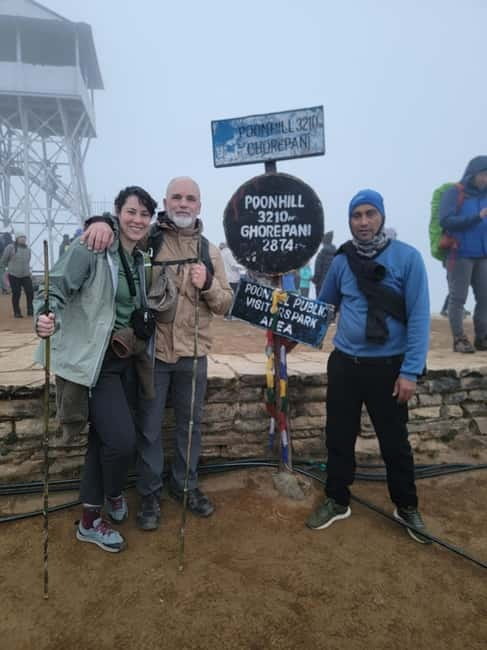
- Sunrise timing matters: you’ll rise early for Poon Hill, then keep moving toward Ghorepani and Tadapani afterward.
- Village nights, not just viewpoints: Ulleri (Magar village), Ghorepani, Tadapani, and Ghandruk each feel different and lived-in.
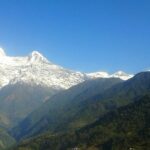
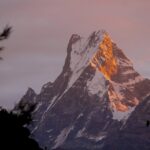
- Views in chunks: you’ll see Annapurna and Mt. Fishtail while ascending, then more wide-open mountain views from Ghorepani and Poon Hill.
- A guide who adjusts pace: English-speaking guide Tanka/Tonka is repeatedly praised for patience, caring check-ins, and smart timing for photos.
- Teahouse basics are part of the deal: you’ll rely on lodge food and facilities (hot water and even Wi-Fi can be available, depending on the place).
- No porter service: you’ll be carrying your own daypack on this trek, so keep loads realistic.
Why This Poon Hill to Ghandruk Trek Makes Sense for 4 Days
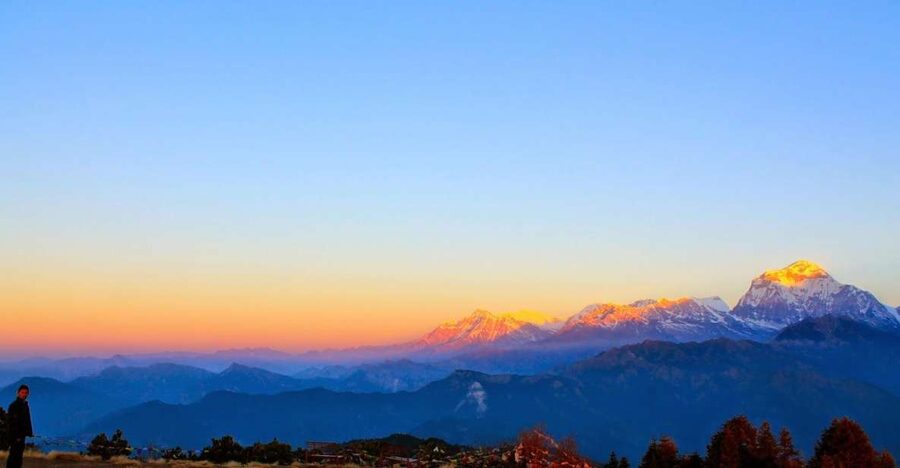
The Annapurna region can swallow your calendar if you let it. This route is built for shorter trips while still giving you the classic mountain hits: Poon Hill sunrise, Ghorepani viewpoints, and the cultural and architectural charm of Ghandruk. You get a mix of uphill walking, village streets, and forest sections without needing a multi-week schedule.
It also has a nice rhythm. You’re not doing huge daily mileage with extreme elevation stress. Instead, you hike, stop for food and tea at the route’s lodges, and end the day in a place where you can warm up and reset.
You can also read our reviews of more tours and experiences in Pokhara.
Getting From Pokhara to the Trailhead: Birethanti Start Day
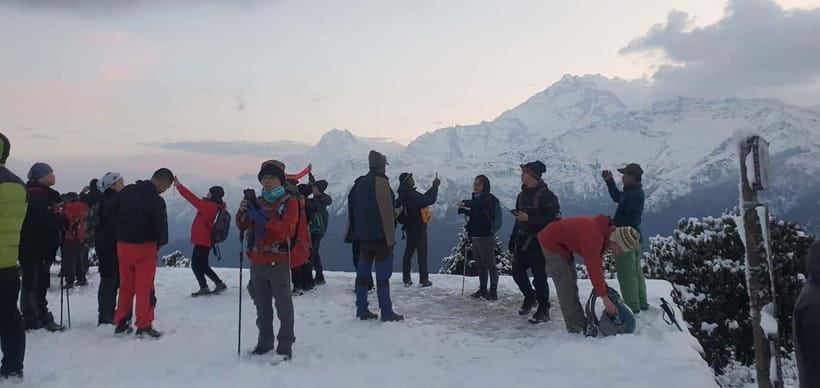
Your trek begins with a hotel pickup in Pokhara, then a drive to Birethanti. From there, you start walking uphill through teahouses and scenery—exactly the kind of gradual introduction that helps you settle into trekking mode without getting thrown into a “start-from-hell” day.
This first leg matters more than it sounds. When your body is fresh, you learn how you hike comfortably, how often you want breaks, and how to handle that first stretch of steps and uneven ground. Your guide is there to keep you moving at a pace that fits you.
Day 1: Ulleri (Magar Village) and Your First Teahouse Night
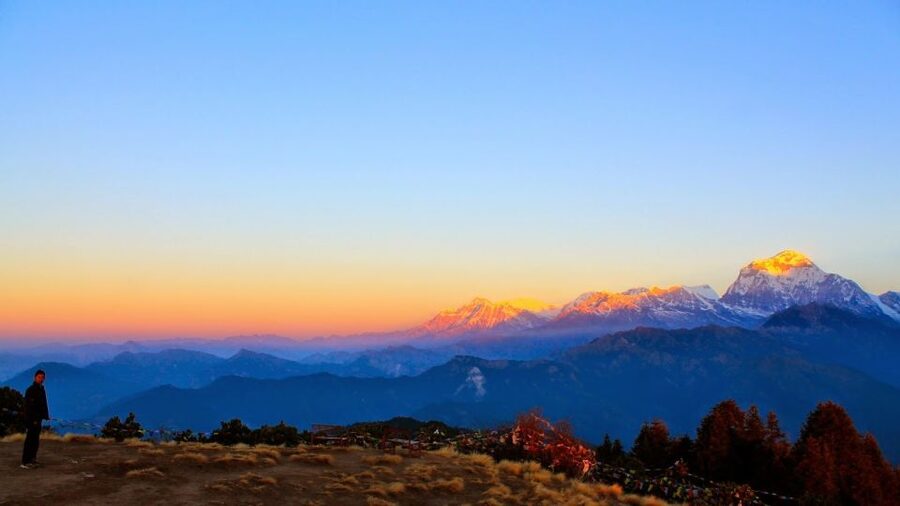
On Day 1, you drive to Birethanti, then start climbing through villages and teahouse stops. After about two hours of ascent, you reach Ulleri, a Magar village, where you spend the night.
Why I like this setup: Ulleri isn’t just a place to sleep. It’s a real village stop where the route feels connected to daily life—people are living here, not just waiting for trekking groups. It’s also a good “first-night checkpoint” because you’ll arrive with enough daylight to enjoy the surroundings and settle in.
Day 2: Stone Steps, Annapurna + Mt. Fishtail Views, and Ghorepani
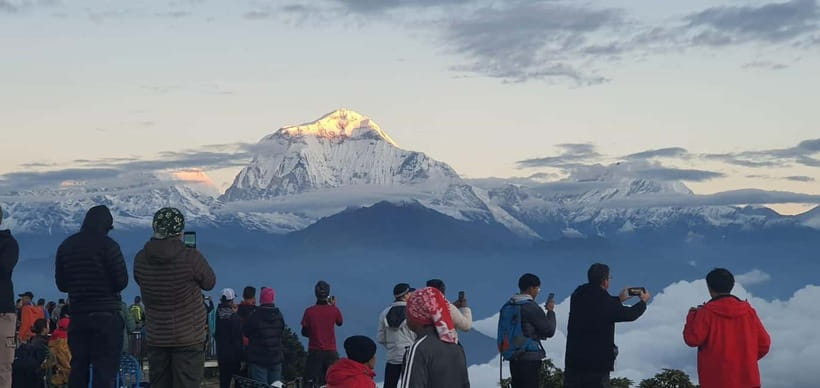
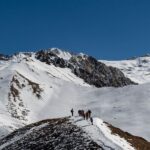
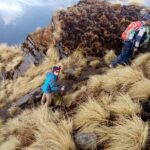
Day 2 starts with effort—this morning includes around two hours of stone steps. As you go up, you’ll get bigger views of Annapurna and Mt. Fishtail, then continue into an alpine forest.
You’ll also use teahouses along the way for breaks. That’s not just for convenience; it helps you manage energy. With a shorter trek like this, you want steady fueling so you don’t feel smashed by midday.
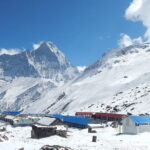
After about six hours total trekking time, you reach Ghorepani, where you can look down on a deep valley—one of those “wait, that’s far below” moments. Then you check into a teahouse lodge for the night, ready for the early morning.
Day 3: Poon Hill Sunrise Over 15 Peaks, Then Rhododendron to Tadapani
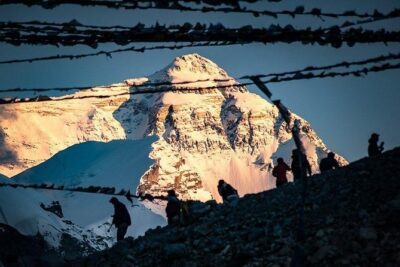
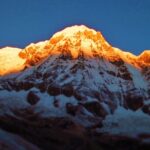
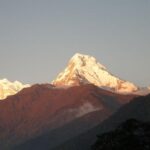
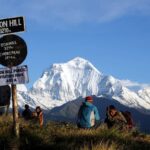
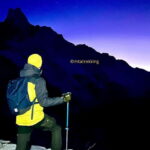
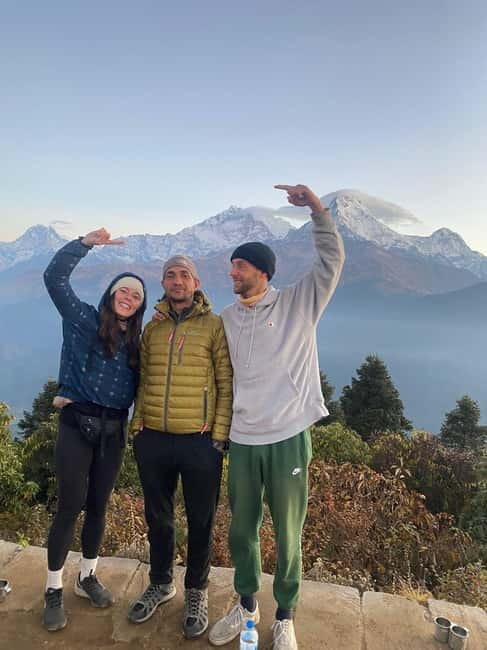
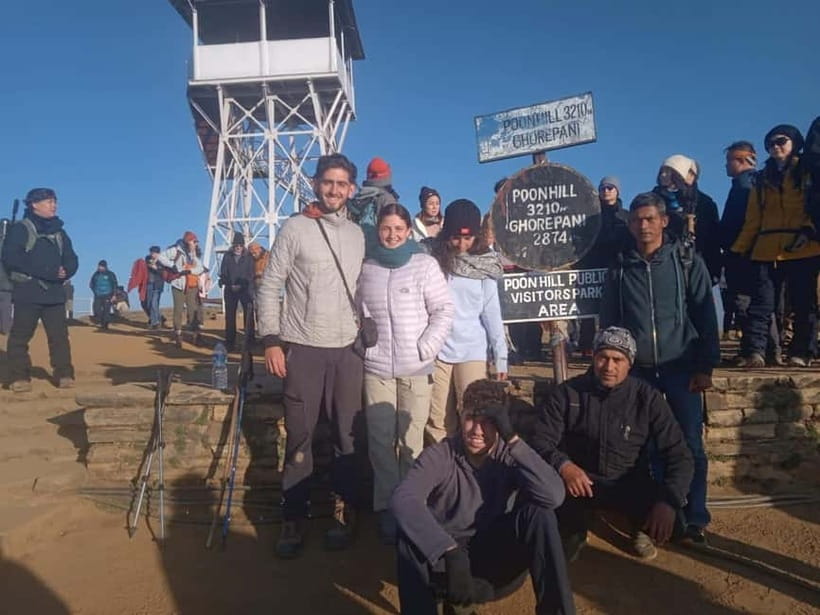
Day 3 is the showstopper. You wake up early to watch sunrise from Poon Hill, with the sky changing as the sun rises over 15 mountain peaks. This is the part of the trip that many people remember years later, because it turns big-name peaks into something you can actually witness, not just read about.
Once sunrise is done, you head back down toward Ghorepani, then continue along a trail that takes you through a rhododendron forest and over mountain ridges. You’ll reach Tadapani, where you spend the night.
This is also where your guide’s role becomes practical. A good guide helps you choose when to linger, when to move, and how to handle the cold early morning without rushing you. In the supplied feedback, Tanka/Tonka is especially praised for timing, pacing, and keeping trekkers comfortable.
Day 4: Ghandruk Village Walk, Annapurna South + Huinchuli Lunch View
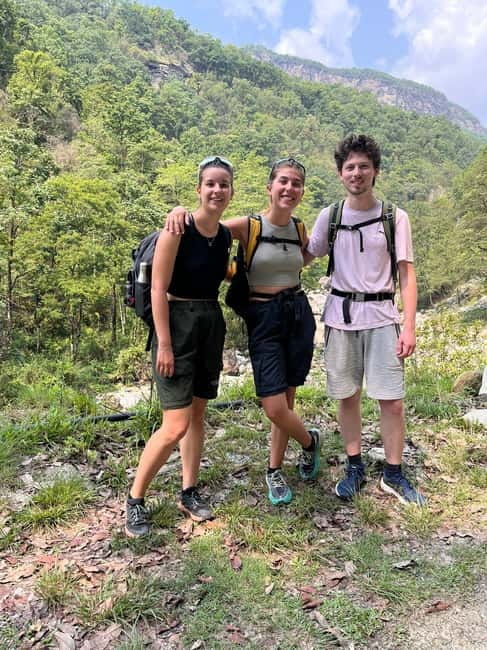
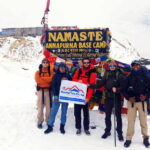
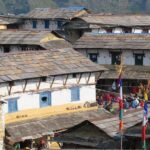
On Day 4, the hiking turns more village-focused. You enjoy a short descent to Ghandruk, a charming mountain village known for thatched and slate-roof houses and farming terraces. The walk feels like stepping into a place where the environment shapes daily routines.
After you wander through village streets and take in the atmosphere, you stop for lunch at a viewpoint where you can admire Annapurna South and Huinchuli. Then you continue trekking for about another hour before catching a ride back to Pokhara.
This ending is important for value. You finish with views, then wrap up with transportation that gets you back to real life quickly—hot shower, dinner you don’t buy from a lodge menu, and sleep that doesn’t happen on a room with thin walls.
The Guide Makes This Trek Easier Than It Looks
This trek doesn’t advertise itself as a hardcore challenge. It’s more about smart pacing and staying comfortable while you hike. That’s why the guide matters so much here.
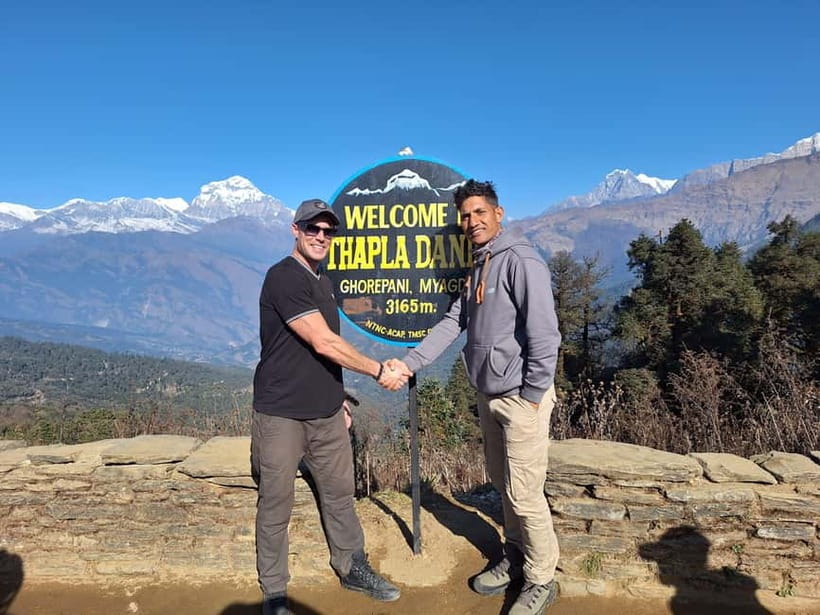
In the feedback, guide Tanka/Tonka shows up again and again as the reason people feel looked after. You get the sense that the guide doesn’t just lead the route; he manages the human side of trekking—making sure you’re eating and drinking enough, adapting the pace to your level, and giving space when you want quiet time to enjoy the scenery.
His English is also mentioned as a standout. That means you can ask questions about mountains and Nepal without the conversation feeling forced or slow. One more practical bonus from the notes: he’s said to help with photos, like he understands how to time the shot so you don’t miss the view.
Teahouses, Hot Water, and the Real Meal Situation
Here’s the honest deal: this trek includes 3 nights of accommodation, but it does not include meals during trekking. So you’ll plan to buy breakfast, lunch, and dinner at teahouses along the route.
The good news is that teahouse food is typically warm and filling, and the supplied feedback highlights good food and hot water/warm water at the lodges. Some places may also have Wi-Fi, though you shouldn’t plan your whole trip around connectivity.
Because meals aren’t included, I recommend you think of this trek as a guided day hike with built-in stops, not an all-inclusive resort. You’ll likely spend less money than you think if you keep snacks simple, but you should still budget for meals along the way. Carrying a small amount of cash helps too, since payments in mountain areas can vary.
What to Pack (So You Don’t Regret It on Day 2)
The trek’s gear list is pretty standard, but there are a few items that make a difference on a short Annapurna route. Start with comfort: comfortable shoes, socks, and clothes you can layer. You’ll want something warm for early starts, even if the day later feels pleasant.
You’re also told to bring both practical trekking items and personal basics: sunglasses, a sun hat, sunscreen, mosquito repellent, and toiletries. A small daypack is key because your big bag should stay mostly with the trekking logistics while you walk with what you need.
Two items that surprise people: you must bring a scanned copy of your passport and a passport-sized photo. That’s not the kind of thing you want to discover last minute in Pokhara, so handle it early.
Price and Logistics: What You’re Paying For at $164
At $164 per person for a 4-day trek, the value comes from what’s included, not from some magic bargain price. You get hotel pickup and drop-off, all ground transportation, permits and taxes, a live English-speaking guide, and 3 nights accommodation during the trek.
Also included are smaller but genuinely useful items: a first-aid kit and water purification tabs. For trekking routes like this, that’s the kind of support that helps you stay safe and reduces headaches.
What’s not included matters for your budget and comfort planning:
- Meals and drink during the trek (breakfast, lunch, dinner)
- Travel insurance
- Porter service
No porter service means you carry your own load. So if your pack feels heavy, your climb on Day 2’s stone steps will feel heavier. Keep your daily carry light: essentials, layers, and water—not your whole wardrobe.
Who This Trek Suits Best (and Who Should Skip It)
This route is a good fit if you want the Annapurna highlights without a long trek. You’ll handle a mix of steps, forest walking, ridge trails, and village descents, and the daily hike blocks are long enough to feel like trekking, but not so long that you lose the vibe.
It’s also a strong choice if you like the teahouse style of travel: simple rooms, shared dining, and the slower pace that comes with trekking on established trails.
That said, it’s not suitable for pregnant women and not suitable for people with heart problems, based on the provided info. If you fall into those categories, you’ll want a different plan with safer conditions and no high-altitude trek exposure.
Should You Book This Ghorepani Poon Hill & Ghandruk Trek?
If you want a short Annapurna experience with a real sunrise payoff and village walking that feels human—not staged—this trek is a smart booking. The combination of Poon Hill sunrise, teahouse nights, and the cultural stop at Ghandruk gives you multiple types of satisfaction in just four days.
Book it if:
- You’re excited by early mornings for mountain views.
- You like guided pacing and want a guide such as Tanka/Tonka who’s known for care and flexibility.
- You’re comfortable paying for meals along the way and carrying your own daypack.
Skip or rethink it if:
- You don’t want to hike uphill steps for extended periods.
- You need porter support (porters aren’t included here).
- You have health constraints listed as not suitable in the activity details.
FAQ
How long is the Pokhara: 4-Day Beautiful Ghorepani Poon Hill & Ghandruk Trek?
It’s a 4-day trek. Starting times can vary, so you’ll need to check availability for the specific departure.
Where does the trek start, and is pickup from Pokhara included?
Pickup is included from your hotel in Pokhara. You should wait at your hotel lobby or at the entrance of your residential apartment 5–10 minutes before pick up.
What’s included in the price for this trek?
The package includes hotel pickup and drop-off, 3 nights of accommodation during the trek, all ground transportation, permits and taxes, a live English-speaking guide, a first-aid kit, and water purification tabs.
Are meals included during the trek?
No. Breakfast, lunch, and dinner during the trek are not included, so you’ll buy meals and drinks at teahouses along the route.
Do I need permits for this route?
Yes, permits and taxes are included as part of the trek package.
What documents do I need to bring?
You must bring a scanned copy of your passport and a passport-sized photo.
Is there anything I should know about cancellation or health suitability?
The trek offers free cancellation up to 24 hours in advance for a full refund, and you can also use reserve & pay later. It is not suitable for pregnant women or people with heart problems.