REVIEW · KATHMANDU
Gokyo Lake trek(gokyori trek, Chola pass trek, Renjola pass trek)
Book on Viator →Operated by Nepal Trekking Routes Pvt. Ltd · Bookable on Viator
Turquoise lakes at Everest height change everything. This trek sends you into the Sherpa valley around Gokyo Lake (Dudhpokhari), then up toward Renjola Pass and Chola Pass, with big Everest views that stretch toward the Tibetan side. You’re also chasing that famous still-water feeling, on the shores of a chain of 19 freshwater lakes.
I love how the route follows the classic Everest Base Camp approach up to Mong La Pass, then breaks off into the Gokyo world. I also love the human side of it, with Sherpa villages and the Sherpa Museum built right into the journey. And in the best possible way, the operator’s on-the-ground support feels personal, with CEO Shailesh Pokharel often stepping in at the start and guides like Bishnu Magar helping you stay calm when altitude starts getting opinionated.
One drawback to plan for: food and drinks aren’t included, so you’ll need to budget for your daily meals and water along the trek.
In This Review
- Key Things To Know Before You Go
- Gokyo Lakes Trek: Why This Route Feels Different
- Kathmandu Pickup and a Private Trip That Actually Feels Managed
- The Big Route Plan: Everest-Style Walking to Mong La, Then Off to Gokyo
- Dudhpokhari and the 19-Lake System: The Color You Came For
- Gokyo Ri (5,357 m): Everest Views Without Waiting for the Horizon
- Chola Pass and Renjola Pass: The Real Test of the Trip
- Sherpa Culture Stops: Villages and the Sherpa Museum
- Everest Base Camp Area and Everest View Hotel: Two Ways to See Everest Up Close
- Nature and Wildlife Chances in the UNESCO High Country
- Price and Value: What $1,290 Covers (and What You Still Pay)
- Support Quality: When a Local Team Makes Hard Days Feel Manageable
- What You Should Pack and How to Train (Because Altitude Doesn’t Negotiate)
- Who This Trek Is For (and Who Might Want a Simpler Route)
- Should You Book This Gokyo-Chola-Renjola Trek?
- FAQ
- Where does this trek start?
- How long is the Gokyo Lake trek with Chola and Renjola passes?
- What is included in the price?
- What is not included?
- What key altitude highlights should I plan around?
- How many lakes are part of the Gokyo experience?
- Is it a private tour, and can I bring an assistance animal?
Key Things To Know Before You Go
- 19 freshwater lakes across the Gokyo system, with Dudhpokhari as the standout anchor
- Gokyo Ri (5,357 m) for classic Everest-region panorama, at a tough-but-doable altitude
- Mong La Pass (3,610 m) marks the moment the trek turns from Everest-style routing into Gokyo’s own rhythm
- Chola Pass and Renjola Pass bring real challenge, so pace yourself early
- UNESCO-protected high conservation area means pine, oak, and rhododendron forests plus alpine wildlife chances
- Private-trip feel with a local guide and airport pickup in Kathmandu
Gokyo Lakes Trek: Why This Route Feels Different
If you’re coming to Nepal for Everest, this trek gives you a sharper contrast than the standard route. Yes, you’re still in the Everest region. But instead of living in the shadow of just one big mountain, you work your way through a high-altitude basin where the lakes do most of the talking.
The core payoff is simple: turquoise water and Sherpa culture in the same breath. Gokyo sits in a quiet valley where the scenery isn’t just pretty; it’s strange in the best way. One day you’re walking in forested stretches where rhododendron and oak are actually relevant, and the next you’re looking at ice-bright peaks reflected in still water.
This trek also leans into variety. You can visit Everest Base Camp-area country (the altitudes line up around 5,364 m), and you can tack on viewpoint time like Everest View Hotel (3,880 m). It’s that mix of lakes, passes, and viewpoints that makes Gokyo feel like its own mini-world.
You can also read our reviews of more tours and experiences in Kathmandu.
Kathmandu Pickup and a Private Trip That Actually Feels Managed
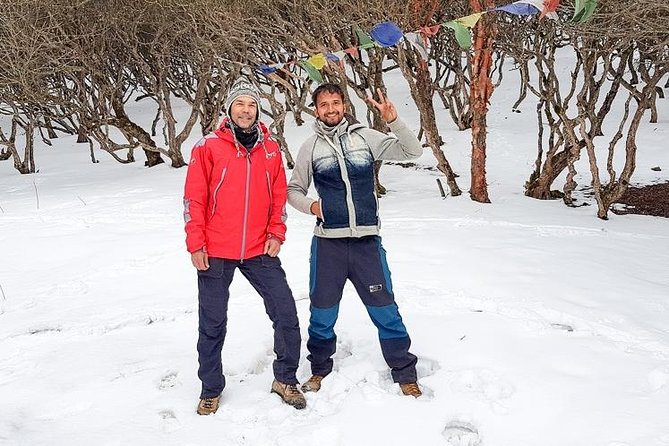
Your trip starts in Kathmandu with a pickup offered option and meeting at Tribhuvan Airport. That matters more than it sounds. The trekking regions run on timing and connections; getting to the start point without extra stress is one of the best forms of altitude preparation you can do.
This is also listed as a private tour/activity, meaning you’re not stuck sharing your pace with strangers who treat high passes like group photos. You also get a mobile ticket, which tends to reduce the “where do I stand?” chaos when you’re tired and jet-lagged.
In the experience of people who’ve done this route, the welcome is notably warm. CEO Shailesh Pokharel’s presence at arrival is a small detail, but it sets a tone: the company isn’t just handing you off to a random figure and hoping for the best.
The Big Route Plan: Everest-Style Walking to Mong La, Then Off to Gokyo
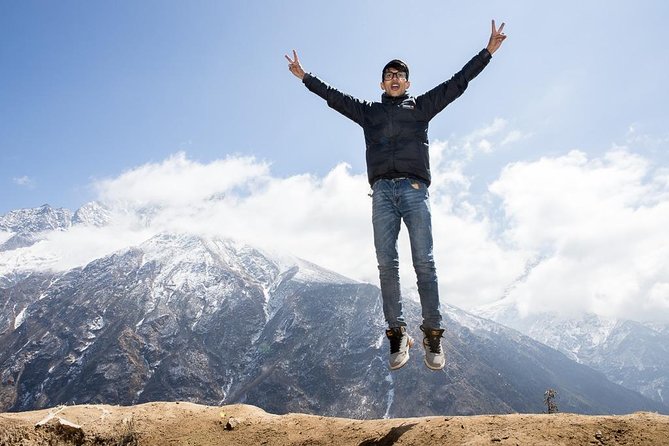
Over roughly 18 days, you’ll move along a route that shares DNA with Everest Base Camp trekking—up to Mong La Pass (3,610 m)—before turning into the Gokyo area. That diversion is the key. It’s what changes the scenery from one kind of drama into another.
What you’re really doing here is shifting your focus. The Everest Base Camp approach tends to feel like a steady climb toward one goal. The Gokyo route keeps adding new “wait, look at that” moments: lakes appearing in sequence, viewpoints opening up, and passes that force you to pay attention to wind, footing, and weather.
The practical benefit of this design is mental. When your body starts to lag, you still have a clear reason to keep moving: the next pass, the next lake, the next big view from a high point like Gokyo Ri. It helps you stay motivated without pretending the trek is easy.
Dudhpokhari and the 19-Lake System: The Color You Came For
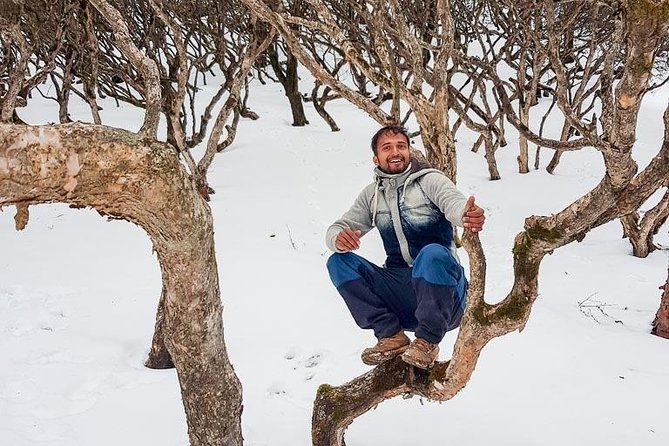
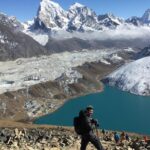
The star setting is Gokyo Lake, also called Dudhpokhari, sitting in the Gokyo valley at the foothills of Gokyo Ri. Around it, the trek weaves through a cluster of 19 freshwater lakes that are interconnected. That’s not a marketing line; it’s why the scenery keeps renewing itself.
What you should expect is variety in water mood. Lakes at altitude can look calm, then suddenly shift in tone with changing light and thin cloud. If you’re hoping for photos, this is one of those places where the sky matters as much as your lens. Even when the view isn’t perfect, the overall feel stays unreal—quiet hamlet energy with huge mountains nearby.
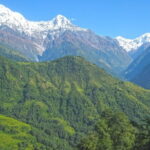
There’s also an ecological angle here that’s worth respecting. The trek moves through a high conservation area with forests of pine, oak, and rhododendron. That means you’re not only walking on rock and snow. Some stretches can still feel alive with birds and wildlife possibilities, especially earlier in the day.
Gokyo Ri (5,357 m): Everest Views Without Waiting for the Horizon
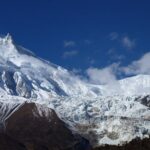
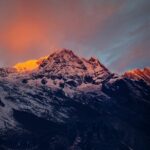
One of the best ways to understand this trek is to picture Gokyo Ri (5,357 m) as the moment everything clicks. You’re high enough to feel the altitude clearly, and you’re positioned for the kind of view where multiple peaks feel close at once.
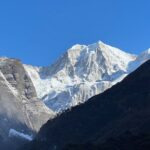
The highlights you’ll be looking for include big panorama views of the Khumbu Region, with four eight-thousanders mentioned as part of the view potential from the area. That’s serious bragging material, and it’s not just about Everest itself. People come here specifically to see Everest including its Tibetan section when conditions line up.
Practical advice: treat Gokyo Ri as both a goal and a training day. Even if you’re fit, you’ll want to move steadily and avoid the urge to power-walk. High altitude punishes fast starts.
Chola Pass and Renjola Pass: The Real Test of the Trip
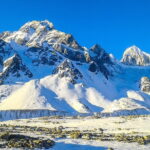
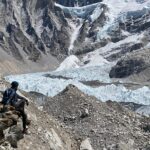
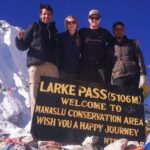
This trek’s reputation isn’t built on comfort. The route includes Chola Pass and Renjola Pass, and those are the points where the scenery turns into a work session.
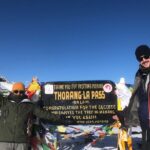
Chola Pass is often the one people remember most. It’s described as challenging, and that makes sense. Pass days tend to combine wind exposure, slippery footing potential, and the mental strain of being high and committed once you start moving.
Renjola Pass sits in the same story, linked with the area around Gokyo Lake and the climb toward Gokyo Ri. Together, these passes are why Gokyo feels more than just a lakes walk. You earn the views. You don’t just stroll into them.
A balanced expectation: yes, the passes are hard, but they’re also very structured. You’ll know what day you’re working toward because the route is designed around these crossings. That clarity can reduce panic. You always have a target.
Sherpa Culture Stops: Villages and the Sherpa Museum
For me, the best trekking moments aren’t only the views. They’re the times you slow down long enough to understand how people live here.
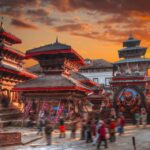
This route includes Sherpa Museum time and traditional villages, which give you a cultural gallery experience—rites, rituals, and everyday life. Even if you only know the basics of Sherpa culture, being in the valley itself makes everything feel less like a lecture and more like context.
These cultural stops also give your body a break. On a trek, “rest” isn’t just laying down. It’s moments when your pace can slow and you can stop thinking about your next step. That matters when you’re operating at high altitude.
Everest Base Camp Area and Everest View Hotel: Two Ways to See Everest Up Close
This trek is built as an Everest-region variant. It can take you toward the Everest Base Camp area around 5,364 m, while also giving you alternatives for when you want a different kind of Everest closeness.
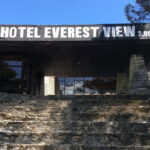
One major add-on opportunity is the Everest View Hotel (3,880 m). That’s the world’s highest altitude hotel, and it’s a very different experience than pushing higher on foot. You get the chance to see Everest more directly without the same intensity of pass-and-summit effort.
That said, you should treat it as a choice, not a replacement for the main trek. The Gokyo experience is its own route. If you do Everest viewpoints, you’re adding layers, not changing the mission.
A good strategy for most people is simple: pick the viewpoint that matches your energy that day. Some days you’ll want higher effort; other days you’ll want a steadier win.
Nature and Wildlife Chances in the UNESCO High Country
This is trekking in a place with strict environmental importance. The route runs through a UNESCO World Heritage Site conservation area in one of the world’s highest placed protected zones.
What this means for your experience is twofold. First, you’re in a landscape shaped by conservation rules and local stewardship, not a free-for-all. Second, you may get chances to notice wildlife and alpine birds—especially in forested stretches where pine, oak, and rhododendron show up.
Don’t count on animal sightings every day. But the walk itself makes sense: you’re not only chasing lakes. You’re moving through altitude ecology that changes with elevation.
Price and Value: What $1,290 Covers (and What You Still Pay)
The listed price is $1,290 per person for about 18 days. On paper, that can sound like a lot. In practice, the value comes from what’s included and how high-stakes the trek is.
What’s included:
- Accommodation as per itinerary
- National Park fees
- Local guide
- Hotel/port pickup and drop-off
What isn’t included:
- Food and drinks
- Lunch
- Breakfast
- Dinner
- Alcoholic drinks (available to purchase)
Here’s the practical way to think about the deal: the trekking fee is mainly paying for the structure (guide, lodging support, and required fees) and the logistics glue. You still need to budget daily meals because those are not covered.
If you already have a rough idea of your per-day trekking food costs, you can make the total budget painless. If you don’t, expect to spend extra money you didn’t plan, especially on pass days when you want warm drinks and you’ll likely be hungrier.
Support Quality: When a Local Team Makes Hard Days Feel Manageable
The difference between an average trek and a great one is usually support. Here, people highlight professional organization and a personal touch.
One pattern you’ll feel in the way the operator works: the CEO-level welcome and clear, attentive guidance at the start. Then, on the trek itself, the guide matters. Bishnu Magar is named in shared feedback as part of what made the experience feel well managed.
That kind of support isn’t just about friendliness. In high-altitude treks, it’s about helping you keep a calm pace, answer questions early, and handle small problems before they get big. When you’re at altitude, “small” can become “stressful” quickly.
Also worth noting: this trip is positioned for people with strong physical fitness. That doesn’t mean you must be an athlete, but you should be realistic about your conditioning.
What You Should Pack and How to Train (Because Altitude Doesn’t Negotiate)
You should show up with strong fitness, because this is a multi-pass trek in high country. You’ll be walking long days, and you’ll likely feel altitude effects that reward slow, steady movement.
Training wise, focus on endurance and consistent hikes rather than speed. Practice carrying weight, getting comfortable with climbs, and building the habit of walking for long stretches without overdoing it at the start.
Pack to match conditions. You’ll want layers for cold nights and pass winds, plus gear that supports safe footing. If you’re the kind of person who hates being uncomfortable, you’ll learn quickly here that comfort is built from smart layering, not wishful thinking.
Who This Trek Is For (and Who Might Want a Simpler Route)
This is a strong match if you want:
- A lakes-focused Everest-region trek with turquoise scenery
- Real pass days like Chola and Renjola
- Cultural stops through Sherpa villages and museum visits
- The option to see Everest closely, either toward the Base Camp area or from high viewpoints like the hotel
It’s a tough fit if you want a mostly gentle walk or you dislike high-altitude exposure. Pass crossings aren’t the moment to prove bravery. They’re the moment to prove preparation.
Also consider your comfort with changing weather. High country shifts fast. Even in a good season, wind can change everything.
Should You Book This Gokyo-Chola-Renjola Trek?
If you’re deciding between Everest routes, I’d book this if you want the lakes to be the main event. The combination of Gokyo Lake (Dudhpokhari), 19 freshwater lakes, and high viewpoints makes the trek feel distinct from more direct Everest paths. Add in Chola Pass challenge, and you get a story that feels earned, not just scheduled.
I’d think twice if your budget can’t handle extra daily food costs, since meals and drinks aren’t included. And if your fitness isn’t solid yet, build that base first. This trek rewards steady effort and punishes rushed days.
FAQ
Where does this trek start?
The meeting point is Tribhuvan Airport, Kathmandu, Nepal. Pickup is offered as part of the experience.
How long is the Gokyo Lake trek with Chola and Renjola passes?
The duration is listed as 18 days (approx.).
What is included in the price?
Inclusions are accommodation as per itinerary, national park fees, a local guide, and hotel/port pickup and drop-off.
What is not included?
Food and drinks are not included, including lunch, breakfast, and dinner. Alcoholic drinks are also not included (they’re available to purchase).
What key altitude highlights should I plan around?
Notable altitudes mentioned are Mong La Pass (3,610 m), Everest View Hotel (3,880 m), Gokyo Ri (5,357 m), and Everest Base Camp (5,364 m).
How many lakes are part of the Gokyo experience?
The trek area includes 19 freshwater lakes interconnected with each other.
Is it a private tour, and can I bring an assistance animal?
It’s listed as a private tour/activity, so only your group participates. Service animals are allowed.