REVIEW · KATHMANDU
Everest Base Camp trek in 14 days
Book on Viator →Operated by Asian Heritage Treks and Travels · Bookable on Viator
Everest really starts with a wild Lukla landing. This 14-day trek in Nepal’s Solukhumbu region is built around reaching Everest Base Camp via the classic route through Sherpa villages, prayer flags, and famous high viewpoints like Kala Patthar.
I like that you’re not just “walking somewhere.” You’ve got a government-licensed English-speaking trek leader and a small group setup (max 12), which makes pacing and altitude decisions feel calmer. In the planning and coordination, Asian Heritage Treks and Travels also gets high marks for being organized, with named staff like Devi and Nilam showing up in traveler feedback.
One consideration: the trek is big-boy altitude work. You’re doing a lot of walking, sleeping at high elevations, and some costs (like most meals) aren’t included, so you’ll want to plan your spending and pace carefully.
In This Review
- Key Takeaways Before You Commit
- Kathmandu Day 1: Culture Buffer Before the Trek
- Flying Into Lukla: The Scenic Shock to Your System
- Days 3–4: Rhododendron, River Valleys, and Your First Real Altitude Check
- Namche Bazaar Acclimatization Day: Views, Tea, and Getting Your Bearings
- Tengboche to Dingboche: Monastery Views and Glacier Valley Walking
- Lobuche and Gorakshep: The Route Gets Thin and Tough
- Kala Patthar and Everest Base Camp: What Makes It Worth the Hard Bits
- Going Back Down to Namche and Lukla: Same Route, Smarter Legs
- Kathmandu Return and Flight Home: Build in Weather Reality
- Price and What You’re Actually Buying for $1,450.19
- The Trek Leader and Group Dynamic: Why It Shows Up in Real Feedback
- Who This Everest Base Camp Trek Fits Best (and Who Might Reconsider)
- Should You Book This Everest Base Camp Trek?
- FAQ
- How long is the Everest Base Camp trek?
- Where does the trip start and what time does it begin?
- What is included in the trek price?
- Are meals included?
- Are porters included?
- Is international airfare included?
- How big is the group?
- Can my flight times change due to weather?
- What fitness level do I need?
Key Takeaways Before You Commit
- Lukla flight day sets the tone: big views first, altitude reality right after you land
- Small-group feel (max 12): easier to manage pacing, questions, and group flow
- Acclimatization built in: Namche Bazaar and other high stops help you adjust before the harder push
- Kala Patthar is the payoff move: an early plan that’s worth being prepared for
- Only room-only lodge nights: you’ll likely buy most meals on your own
Kathmandu Day 1: Culture Buffer Before the Trek
Kathmandu is where you get your legs ready—mostly in the paperwork sense, not the hiking sense. After you land, you’re met by Asian Heritage Treks and Travels, then driven to your hotel.
On the way, you’ll catch outside views of Pashupatinath Temple, the Royal Palace Museum (Narayanhity), and the Garden of Dreams. It’s a nice way to orient yourself fast, especially if this is your first time in Nepal. Once you’re checked in, you’ll have time to explore nearby on your own, plus a detailed run-through of your travel plan.
This matters because Everest trekking can feel abstract until you see how the pieces connect: flights, village days, lodge nights, and the big high-elevation days ahead. That first evening is when you want to ask questions and confirm things like what time you’re leaving, how your group size looks, and what you should pack for temperature swings.
You can also read our reviews of more tours and experiences in Kathmandu.
Flying Into Lukla: The Scenic Shock to Your System
The next morning turns quickly into the most famous “getting there” moment of the whole trip: a flight from Kathmandu to Lukla Airport. This is one of those experiences that hits your senses before you’ve even started trekking.
The route gives panoramic views over the Himalayas, including Mount Everest growing more obvious as you approach. Then you land and the altitude feels immediate—quick. Even if you’re fit, your breathing will notice the change right away. It’s not just a mental hurdle. It’s physical, and it sets the tone for why pace matters every single day.
After arrival, you can stroll around Lukla in the afternoon. Lukla itself is the gateway hub for the Everest region trekking routes, so it’s a helpful place to do a light wander, get used to the local rhythm, and settle into the idea that the hike is your day-to-day life now.
Practical note: domestic flights can change with weather. The itinerary includes a buffer-like return plan (you fly back before 10:00 am on Day 13), so keep your expectations flexible.
Days 3–4: Rhododendron, River Valleys, and Your First Real Altitude Check
Your trek days begin with movement through the Dudh Koshi (Milky River) valley. The trail starts relatively gentle, and that’s intentional—it gives you a chance to feel your pack and get your rhythm.
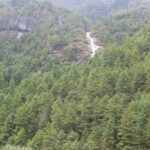
You’ll go through rhododendron forest (with an evergreen oak feel described), and the trail includes crossing suspension bridges plus Buddhist stupas along the way. The combination of forest walking, river views, and cultural markers is a solid reminder that this is not only a “summit mission.” It’s Sherpa country, with villages built around trekking life.
By Day 4 you’re pushing toward Namche Bazaar. The trail starts easier, then ramps up. You’ll gain altitude, and your body will start negotiating with you in the form of shortness of breath—exactly when you should avoid “rushing the climb.” The best strategy is slow and steady progress.
You’ll sleep in Namche Bazaar. That night matters because it’s not the final destination—it’s the base for the acclimatization day that comes next.
Namche Bazaar Acclimatization Day: Views, Tea, and Getting Your Bearings
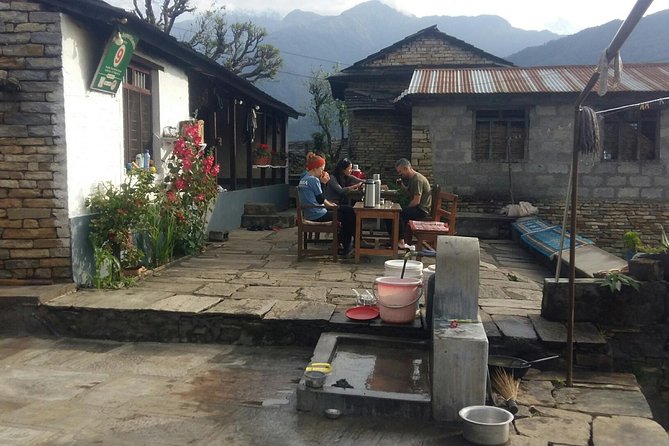
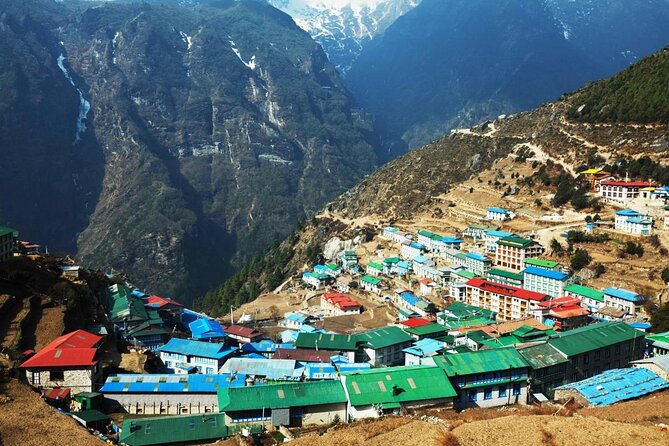
Namche Bazaar is known as the Sherpa capital, and it feels like a real town rather than a stop on a hiking route. That’s why the itinerary gives you a full day to acclimatize.
This is the day you can:
- Explore the surrounding area
- Get up before sunrise for mountain views
- Visit cultural spots and the market scene
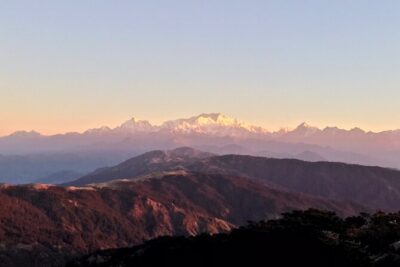
From higher viewpoints around Namche, you can catch major peaks like Everest, Thamserku, and Ama Dablam. The early-morning visibility often makes the whole region feel larger and more personal at the same time.
Food tip that’s specific to the region: many trekkers look for salt-butter tea and champa (barley). It’s not a “tour gimmick.” It’s what people in the Khumbu area actually rely on. If you’re trying to stomach the altitude and keep energy steady, these small, local choices help.
Also: there’s a Saturday market described in the experience details. If your dates line up, it can be a good way to see everyday trade life up here, not just trekking gear.
Tengboche to Dingboche: Monastery Views and Glacier Valley Walking
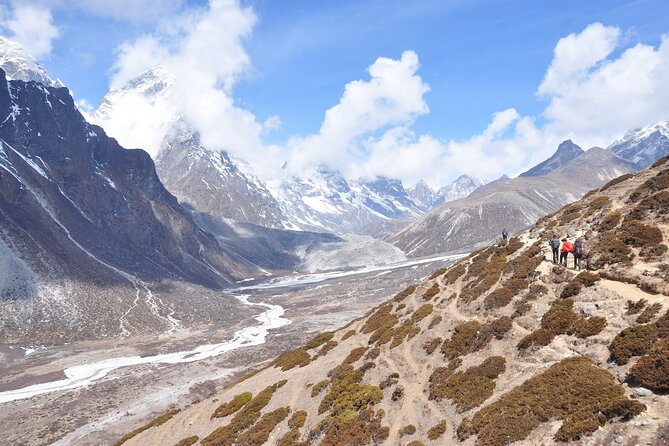
Leaving Namche, you head toward Tengboche (Day 6). This is flagged as a challenging elevation-gain day—around 4,000 feet (1,200 meters). It’s not just tougher because of altitude; it’s tougher because your legs feel every step when you’re already adapting to higher altitude.
The reward is the Everest Mountain Range views from this part of the trek. The trail’s work-to-reward ratio here is the kind that makes people remember the day for years.
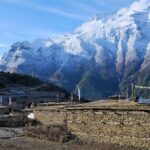
Tengboche to Dingboche (Day 7) continues the pattern: you walk through valleys with a glacier river below and snow-capped peaks in the distance. You pass through Pangboche, and Ama Dablam is highlighted along the route—one of those mountains that looks dramatic even before you get “officially high.”
These days are about building altitude comfort while your scenery keeps leveling up. You’ll still want to keep your walking pace conservative. Acclimatization isn’t just “one day.” It’s a week-long behavior.
Lobuche and Gorakshep: The Route Gets Thin and Tough
Day 8 pushes you toward Everest Base Camp territory. The section from Thukla to Memorial Park is described as the most difficult part of the EBC trail. That’s the day when hikers often feel like the scenery is amazing but their body is negotiating harder.
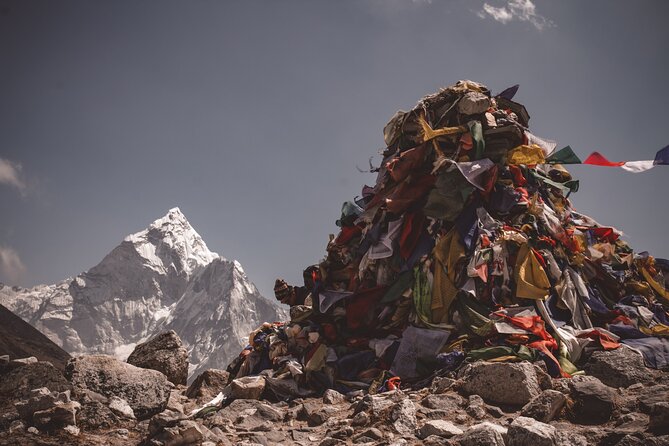
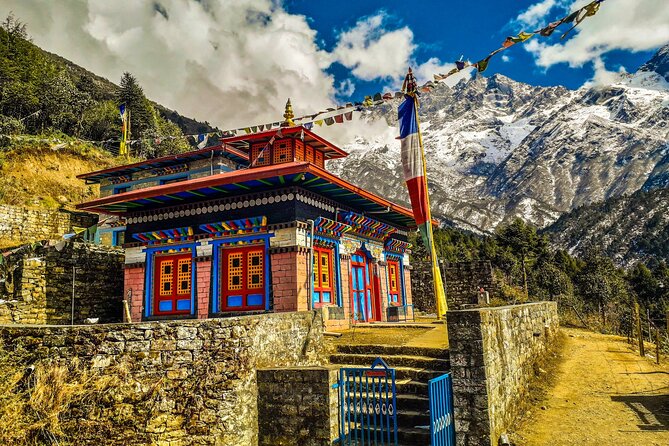
You’ll follow the trail uphill with mesmerizing nature points and lots of prayer flags associated with mountaineering memory. Then you reach Lobuche, described as the second-highest village on the EBC trail, for your night.
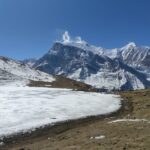
On Day 9 you move to Gorakshep. At this altitude, the trail can feel sparse, with snow-covered stretches possible depending on conditions. Once you arrive, the views from this high vantage point are the kind where “panoramic” stops being marketing and starts being literal.
If you feel energetic, you can also visit Kala Patthar the same day for sunset views. That flexibility can help if you’re moving well and want to adjust your timing based on how you feel.
Kala Patthar and Everest Base Camp: What Makes It Worth the Hard Bits
Day 10 is built around two of the most important moments: Kala Patthar and Everest Base Camp.
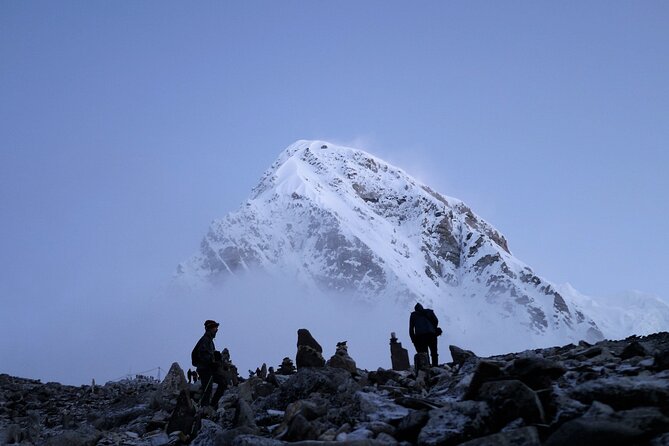
Kala Patthar is described at 5,450m, with the name explained as Kala meaning black and Patthar meaning rock. This isn’t a random viewpoint. It’s a high-angle angle that gives you the most powerful “Everest is right there” feeling on the standard itinerary.
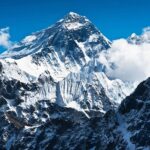
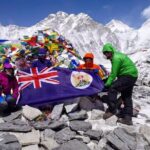
After Kala Patthar, you go on to Everest Base Camp. You’ll be treated to raw, dramatic scenery: views of Mount Everest and the Khumbu Glacier Valley. For many people, this is where the trek stops being a challenge and turns into a memory you can actually point to.
Then you trek back down to Gorakshep to eat and sleep. That descent matters. You’ll be tired, possibly chilled, and you’ll want to rest properly so you can handle the return days.
Going Back Down to Namche and Lukla: Same Route, Smarter Legs
Your return starts with Gorakshep to Lobuche and onward down to Namche Bazaar (Day 11). The trail follows down toward the Dudh Kosi with water-driven prayer wheels. These details matter because they keep the route feeling alive and not like a repetitive slog.
You’ll also see a mix of pine and cedar woods on parts of the descent. And there’s mention of views like the Lhotse-Nuptse wall peeking behind—one more “wait, that’s right there?” moment.
Day 12 continues the downhill rhythm toward Lukla. The itinerary description notes that at this stage you should not feel breathing difficulty—an honest reminder to trust your acclimatization progress. Still, don’t let comfort trick you into speed. Your body will be tired, and safe pacing always beats “I feel fine.”
You’ll end in Lukla for the night. Then Day 13 brings you back to Kathmandu with a rest day.
Kathmandu Return and Flight Home: Build in Weather Reality
On Day 13, the flight back to Kathmandu leaves before 10:00 am, and scheduled flight times can change due to weather. You’ll transfer back to your hotel and have the day off to rest and reflect on what you just did.
On Day 14, you’ll be transferred to Tribhuvan International Airport about three hours before your departure flight, with guidance to the check-in hall. That structure reduces last-minute stress, which is especially helpful after a trek where sleep and energy quality can shift day to day.
Price and What You’re Actually Buying for $1,450.19
At about $1,450.19 per person, this is priced like a full guided trekking package with key logistics handled—especially the expensive parts: permits and flights.
Here’s the value breakdown based on what’s included:
- Private vehicle land transport in Kathmandu
- 2 nights in Kathmandu at 4 Yatri Suites & Spa (breakfast included)
- 11 nights in local lodge accommodations (room only)
- Sagarmatha National Park permits, TIMS, and other necessary permits
- Domestic flight Kathmandu–Lukla–Kathmandu
- An experienced English-speaking, government-licensed trek leader
- Local and government taxes
What’s not included is important for planning:
- Most meals and beverages are on you (only 2 breakfasts are listed as included)
- Tips/donations are not included
- Hot water, drinking water, laundry, phone use, and similar “small costs” aren’t included
- Porters are not included as part of the package (the package notes that when porters are used, one porter can carry 20 kilo and share between clients—but that porter service itself is listed under not included)
- Any international flights are not included
So is it good value? For the right traveler, yes. You’re paying for the route infrastructure: flights, permits, guided leadership, and lodging structure. If you’re the type who wants to show up, carry a reasonable pack, and focus on walking and altitude decisions rather than logistics, the price makes sense.
If you’re trying to keep costs tight, you’ll feel the extra spending for food and drinks and anything you add on top (like hiring a porter). That’s not a deal-breaker—it’s just honest budgeting.
The Trek Leader and Group Dynamic: Why It Shows Up in Real Feedback
One of the best parts of this trip, based on named coordination and guide feedback, is how people describe the human side of it.
Booking is described as easy, with smooth email follow-up and clear organization. Coordination names that show up include Devi and Nilam. On the trail, guide Rohit is specifically mentioned as organized and responsible, with pacing and keeping people in good health.
Even if you don’t know your guide before you go, this matters because Everest Base Camp success is strongly tied to pace, decision-making, and staying consistent. A leader who keeps you moving sensibly (not sprinting early, not freezing up late) can make the difference between a tough trip and a memorable one.
And with a maximum group size of 12, you’re more likely to get practical attention without feeling lost in a crowd.
Who This Everest Base Camp Trek Fits Best (and Who Might Reconsider)
This trek suits you if:
- You have moderate physical fitness and are ready for a large amount of walking
- You want the classic Everest Base Camp route focused on the end goal (not a scatter of side treks)
- You like having a licensed leader and clear structure, especially with high-altitude timing
- You’re okay with buying most meals and managing your own day-to-day costs
You might reconsider if:
- You expect luxury comfort or full-service meals (the lodges are room-only)
- You hate the idea of weather-related flight changes
- You’re not comfortable with altitude and want a lighter, lower-stakes itinerary
Good news: service animals are allowed per the tour info. Also, confirmation is received at booking, and passport details are required for participants, so plan those documents early.
Should You Book This Everest Base Camp Trek?
If your main objective is reaching Everest Base Camp and you want the standard route with serious views, this is a strong pick. The inclusion of permits, TIMS, and the Kathmandu–Lukla–Kathmandu domestic flights reduces the biggest logistical headaches.
I’d book it if you’re practical, you can walk a lot, and you’ll budget for meals and possible porter support. I wouldn’t book it if you’re looking for an easy stroll, “all meals included” comfort, or guaranteed perfect weather flight timing—because the Himalayas are part of the deal.
FAQ
How long is the Everest Base Camp trek?
The itinerary runs for about 14 days.
Where does the trip start and what time does it begin?
The meeting point is set for a start time of 8:30 am.
What is included in the trek price?
Included items are private land transportation, 2 nights in Kathmandu at 4 Yatri Suites & Spa with breakfast, 11 lodge nights (room only), Sagarmatha National Park permits and TIMS, domestic flights Kathmandu–Lukla–Kathmandu, and an experienced English-speaking government-licensed trek leader, plus government and local taxes.
Are meals included?
Breakfast is included for 2 days. Food and drinks for the rest of the trek are not included.
Are porters included?
No. Porter services are listed as not included in the package. The info notes that a porter can carry 20 kilo of luggage and share between different clients.
Is international airfare included?
No. International flights are not included.
How big is the group?
The maximum group size is 12 travelers.
Can my flight times change due to weather?
Yes. The flight back to Kathmandu is noted as before 10:00 am and scheduled times can sometimes change based on weather conditions.
What fitness level do I need?
The tour says travelers should have a moderate physical fitness level, and it notes that a large amount of walking is involved.