Camelback mornings in the Sahara are hard to beat. This 3-day trip turns Merzouga into a real adventure, with Erg Chebbi dunes, Khamlia Gnawa music, and time to watch the desert change color.
I like the double-dose camel experience: one ride timed for the Erg Chebbi sunset, and another at sunrise. I also love how food and music are built into the plan—three breakfasts, two dinners, and traditional Berber music at camp (plus Gnawa dance and music in Khamlia).
The main thing to plan for is pace. Pickup starts at 7:00 am, and you’ll spend long hours in an air-conditioned vehicle between stops, with drinks and lunch not included.
In This Review
- Key highlights
- Marrakech to Merzouga: Why This Route Works for First-Timers
- Erg Chebbi Sunset Camel Trek: Your First Big Sahara Moment
- The Sunrise Plan: How the Desert Feels Different the Second Time
- Erfoud Fossils and Todra Gorge: More Than Just a Desert Photo Stop
- Khamlia Village and Berber Music: The Culture Half of the Trip
- Food You’ll Actually Remember: Breakfasts, Dinners, and Berber-Style Meals
- Comfort Level: Hotel Night, Desert Camp Night, and What to Expect
- Price and What $139.37 Covers (and What It Doesn’t)
- Rissani Market and Ksar Ouled Debbab: The Return Day Stops
- Should You Book This Tour From Marrakech?
- FAQ
- What time does the tour start?
- Is pickup included?
- How many nights are included?
- What meals are included?
- Is camel trekking included?
- How many people are in the group?
- Is there free cancellation?
Key highlights
- Sunset and sunrise camel treks into the Erg Chebbi dunes, so you see the Sahara in two moods
- Khamlia Village Gnawa music and dance before you head into the dunes
- Todra Gorge + Erfoud fossils for a break from sand and a taste of central Morocco
- Desert camp dinner under the stars with Berber music in the evening
- Small group, max 18 travelers, which usually makes the mood friendlier
- Driver-led comfort: reviews mention smooth transport, frequent breaks, and lots of good conversation
Marrakech to Merzouga: Why This Route Works for First-Timers
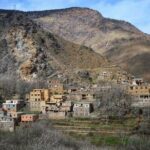
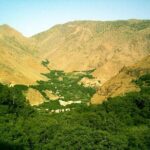
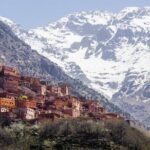
This tour is built for people who want the Sahara without turning the trip into logistics homework. You start in Marrakech, then the drive puts you into the Atlas-to-desert rhythm that Morocco does so well: villages, scenery changes, and then the big quiet of Merzouga.
You get an air-conditioned vehicle and pickup is offered, with a start time of 7:00 am. That matters because a late start can make sunrise plans feel rushed. Here, the timing sets you up to be in position for early desert moments.
The itinerary is also packed, but not random. You’re not only chasing dunes—you’re hitting cultural stops (like Khamlia) and dramatic sights (like Todra Gorge). That balance is one of the reasons this works for first-timers: you get the iconic sand experience, then you also get Morocco beyond the postcard.
One practical note: the tour includes breakfasts and dinners, but lunch and drinks are not included. So you’ll want to budget for meals on your own where the day leaves gaps.
You can also read our reviews of more tours and experiences in Marrakech.
Erg Chebbi Sunset Camel Trek: Your First Big Sahara Moment
Day 1 is where the trip earns its title. After arriving in the Merzouga area and settling in, you head for Khamlia Village first to catch Gnawa music and dance. It’s a good warm-up. Instead of jumping straight from vehicle to dunes, you get rhythm, instruments, and local performance energy before the desert gets quiet.
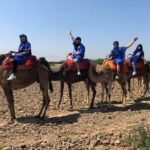
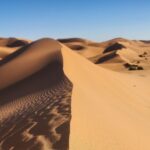
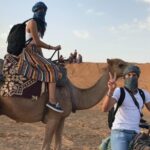
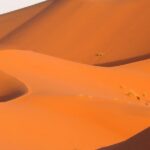
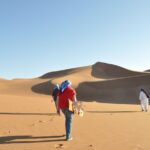
Then comes the camel trek into the Erg Chebbi dunes for sunset. This is the moment many people book for—and it’s easy to see why. The dunes aren’t just a backdrop. You’re traveling across them slowly, which makes the changing light feel personal rather than like a fast photo stop.
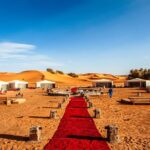
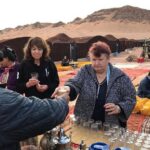
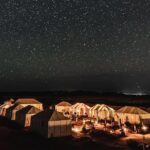
In the evening, you sleep in a desert camp and enjoy dinner under the stars with traditional Berber music. Reviews underline that the food is good and that camp comfort is better than some people expect for a “desert experience.” It’s still camping, but the plan is clearly designed to keep you fed, entertained, and taken care of.
The Sunrise Plan: How the Desert Feels Different the Second Time
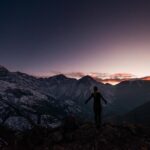
The second day starts early, because sunrise is the whole point. You wake up to see the Sahara Desert at first light, then have breakfast at the desert camp. Doing breakfast in camp is smart: you’re not rushing back to a building or restaurant while the desert is still doing its thing.
After that, you ride camels back toward Merzouga. It’s a nice reset. Sunset feels cinematic and slow. Sunrise feels crisp and open. Doing both gives you a fuller sense of Erg Chebbi dunes than a single ride would.
Once you’re back, the day shifts gears from sand to sights. You’ll explore the surrounding area, including Erfoud, known for fossil-rich landscapes, and then you’ll head to Todra Gorge—a series of limestone canyons. This is a good pairing because it prevents the trip from feeling like “only desert, only desert.”
If you get bored by the idea of long driving days, don’t. Reviews mention breaks for refueling and refreshment, plus chances to stop for photos. That helps break up the road fatigue.
Erfoud Fossils and Todra Gorge: More Than Just a Desert Photo Stop
One of the best ways to measure a Sahara tour is simple: do you leave feeling like you learned something real about the region? Here, you do.
Erfoud gets a mention for its fossil-rich landscapes. Even if you’re not a geology expert, it adds context to why people live where they do and what makes this part of Morocco interesting beyond sand dunes.
Then comes Todra Gorge, with limestone canyons that make for dramatic, walkable sight time. It’s the kind of place where your brain stops comparing everything to the dunes. The textures are different, the scale feels vertical, and the canyon setting changes how the air moves.
The only drawback is that your energy has to handle variety. You’ll move from camel time to canyon time in the same overall trip. If you’re the type who likes a strict “one activity per day” rhythm, you may find the schedule intense. But if you want a Morocco sampler that still includes the Sahara highlight, this delivers.
Khamlia Village and Berber Music: The Culture Half of the Trip
This tour doesn’t treat culture like a checkbox. It gives you actual performance time.
In Khamlia Village, you’ll experience Gnawa music and dance. That’s not just background entertainment. Gnawa traditions are closely tied to rhythm and spiritual storytelling, and in a village setting it lands differently than a staged show.
At the camp, dinner is paired with Berber music, and that’s a big part of why people rate this so highly. Music makes the desert feel less empty. It turns the night into a shared moment rather than a silent endurance test.
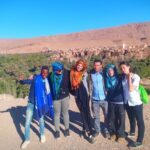
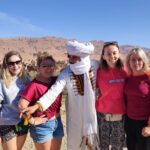
Also, the small-group size helps. With a maximum of 18 travelers, the vibe tends to be more human. Reviews mention friendly guides and a good atmosphere in the vehicle, and that kind of social ease matters on long days.
Food You’ll Actually Remember: Breakfasts, Dinners, and Berber-Style Meals
Food is one of the most practical ways to judge whether a tour is run well. Here, meals are built into the schedule: three breakfasts and two dinners are included.
On Day 1, dinner comes with desert ambiance—under the stars and with Berber music. On Day 2, you return to Merzouga and eat dinner at a local restaurant featuring traditional Moroccan cuisine.
Reviews repeatedly mention that the food is great, and that the stay is comfortable. That combo is important because desert trips can go wrong when the camp is bare-bones and meals are treated as an afterthought. In this case, meals seem to be treated as part of the experience, not just fuel.
What you should remember: lunch and drinks are not included. So if you’re someone who relies on bottled water, sodas, or coffee to make long driving days tolerable, plan for that cost.
Comfort Level: Hotel Night, Desert Camp Night, and What to Expect
This is a mixed-experience stay: you check into a selected accommodation in the Merzouga area when you arrive, then you spend the night in the desert camp after the sunset trek. On Day 2 evening, you return to Merzouga for another night of accommodation.
That structure can be reassuring for comfort-minded travelers. You get the true desert night, but you’re not stuck in sand-style sleeping conditions for the whole trip. Reviews also say both nights are comfortable—one night in a hotel and the other in the desert camp.
The other comfort factor is safety and pacing. Multiple reviews praise the driver for friendliness and safe driving, including comments about feeling safe even for two women traveling together. It’s not a promise for every operator, but it’s a clear sign that this team understands what matters to passengers.
Pack for a full trip day, not a spa weekend. You’re moving from camel riding to gorge walking to markets. Comfortable footwear is the boring hero here.
Price and What $139.37 Covers (and What It Doesn’t)
At about $139.37 per person, this tour is priced like a value-focused, all-in experience rather than a premium private safari. The biggest value pieces you’re getting are the things that cost money and time to arrange:
- Air-conditioned vehicle for Marrakech–Merzouga travel
- Camel trekking as a core activity
- Desert camp overnight
- 3 breakfasts and 2 dinners
- Included cultural stops like Khamlia and key desert-region sights
So yes, you’re paying for the highlights. But you’re also paying for planning that would be hard to replicate smoothly if you’re doing it on your own (especially the timing for sunset and sunrise camel rides).
What’s not included is just as important:
- Tips
- Drinks
- Lunch
That means your final cost depends on how much you buy during the day. If you stick to water and simple snacks, you’ll keep it reasonable. If you’re a drink-and-lunch spender, you’ll want to add buffer to your budget.
Rissani Market and Ksar Ouled Debbab: The Return Day Stops
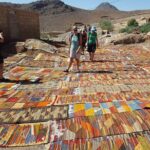
Day 3 shifts from dunes to town and ruins. After breakfast, you visit Rissani, known for historic architecture and a lively market. A market stop is more than a photo break—it’s a chance to see how trade and everyday life work in the region.
Then you go to Ksar Ouled Debbab, described as ruins of an abandoned village. It’s a strange, atmospheric contrast to the Sahara. One place is all movement and commerce. The other is quiet stone that shows how places change or disappear.
You’ll also have time for a leisurely lunch in Rissani before heading back. There’s even mention of an optional sandboarding try on the dunes. If you’re adventurous and you want more than the camel trek, it can be a fun add-on.
One drawback to keep in mind: departure day is still busy. If you hate feeling rushed before leaving a destination, plan for that and keep your expectations flexible.
Should You Book This Tour From Marrakech?
I’d book this if you want a classic Sahara experience that doesn’t leave you hungry or bored. The standout for me is the two timed camel treks (sunset plus sunrise) and the way the schedule mixes desert with real regional stops like Khamlia, Erfoud, Todra Gorge, and Rissani.
I’d also feel good about booking if you care about how the trip feels in motion. Reviews highlight friendly drivers like Abdilah and Abdelilah/Abdoul (names vary by reviewer), smooth transport, and a sense of safety—plus breaks that make the long drive more manageable.
Skip it or switch to a lighter itinerary if you strongly prefer downtime and hate long sightseeing days. This one is active. You’ll be in a vehicle often, and you’ll need to cover lunch and drinks on your own.
If you want the Sahara once in a way that feels complete—music, meals, dunes, and a few unforgettable Morocco stops—this is a solid choice.
FAQ
What time does the tour start?
The meeting start time is 7:00 am.
Is pickup included?
Yes, pickup is offered.
How many nights are included?
This trip includes 2 nights to Merzouga.
What meals are included?
You get 3 breakfasts and 2 dinners. Lunch and drinks are not included.
Is camel trekking included?
Yes, camel trekking is included as part of the desert experience.
How many people are in the group?
The tour has a maximum of 18 travelers.
Is there free cancellation?
Yes, there is free cancellation up to 24 hours before the experience starts for a full refund.