REVIEW · KATHMANDU
Everest Base Camp Trek
Book on Viator →Operated by Travel Pinto · Bookable on Viator
Everest Base Camp isn’t a solo sport. This 14-day Everest trek blends daily guidance with the feel of planning your own trip beyond the mountains, and the payoff is clear: Everest-area icons like Namche, Tengboche, Lobuche, and the Base Camp itself. You get a guide to handle the big-picture trekking decisions and logistics, while you can still shape what you do in Kathmandu with the support team.
I love that the package builds in real structure: a government-licensed, first-aid trained English-speaking trekking guide plus a porter ratio of 1 porter for every 2 clients for 11 days. I also like the practical comfort touches, like filtered water with a Katadyn Pocket filter and Kathmandu hotel transfers in a private tourist vehicle. The one possible drawback: the program’s main cost is tied to specific included logistics (like the Kathmandu–Lukla–Kathmandu flights), so if you want maximum flexibility in timing or routing, you’ll need to plan extra carefully around flight schedules and weather.
In This Review
- Key Things That Make This Everest Base Camp Trek Worth Your Time
- Why A Guided Everest Base Camp Trek Fits People Who Like Control
- Price and Value: What You’re Really Paying For
- Kathmandu Arrival: Your First Meeting and the Paper Checklist
- Flights to Lukla via Manthali: The Best Part and the Biggest Variable
- Phakding to Namche Bazaar: Easy Walking, Big Views, and Real River Crossings
- The Namche Acclimatization Day: Sherpa Museum and the Syangboche Views
- Tengboche Gompa and Dingboche: Monastery Morning and a Purposeful Rest Day
- Lobuche and the Glacier Country: Memorials and Breathing Reality
- Everest Base Camp Day: The Big Effort, the Big Reward
- Kala Patthar: Why This Is Often Worth the Struggle
- The Descent Back: Namche Bazaar and the Lighter Feel of Lower Altitude
- Lukla Flights Return and Turning One Trek Into a Full Nepal Trip
- Who This Trek Suits Best (and Who Should Think Twice)
- Should You Book This Everest Base Camp Trek?
- FAQ
- Do I need a travel guide and porter on this Everest Base Camp trek?
- What’s included in the price?
- What is not included?
- What if Lukla flights are affected during peak season?
- What accommodations should I expect?
- How does weather affect the trek?
Key Things That Make This Everest Base Camp Trek Worth Your Time
- Licensed, first-aid trained guide: you’re not guessing at altitude pacing, trail navigation, or safety decisions.
- Flights included, but routed via Manthali when Lukla flights shift during peak congestion months (March–May, October–November).
- Porter support for 11 days (1 porter per 2 clients), which matters a lot on a heavy-altitude itinerary.
- Real acclimatization built into the schedule, including a dedicated day near Dingboche.
- Permits and fees handled: Sagarmatha National Park entry and Pasang Lhamu Rural Municipality fee are included.
- Tea-house style trekking with full meals during the trek, while Kathmandu meals are on your own.
Why A Guided Everest Base Camp Trek Fits People Who Like Control
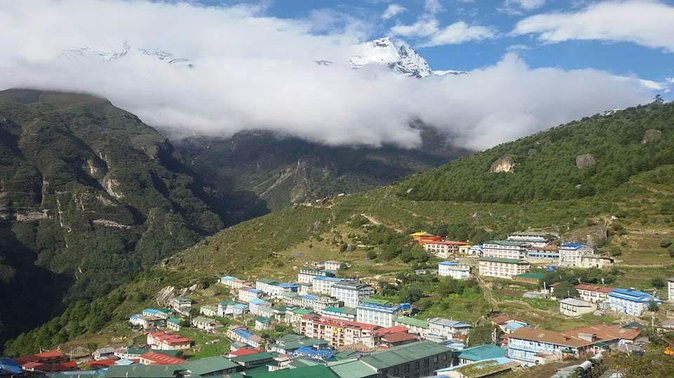
This kind of Everest Base Camp trek is for you if you want the mountains to be the main event, not a spreadsheet. The core idea here is simple: you’ll trek with day-by-day support from a licensed guide, but you still have breathing room to organize other parts of Nepal around your trek.
That balance is honestly what makes it feel like a smarter value. If you’re the type who prefers booking and choosing restaurants or side trips yourself, you’ll still get that freedom—especially in Kathmandu. But once you’re in Khumbu, the guide takes on the heavy lifting: pacing, trail choices, and keeping the group moving safely.
You can also read our reviews of more tours and experiences in Kathmandu.
Price and Value: What You’re Really Paying For
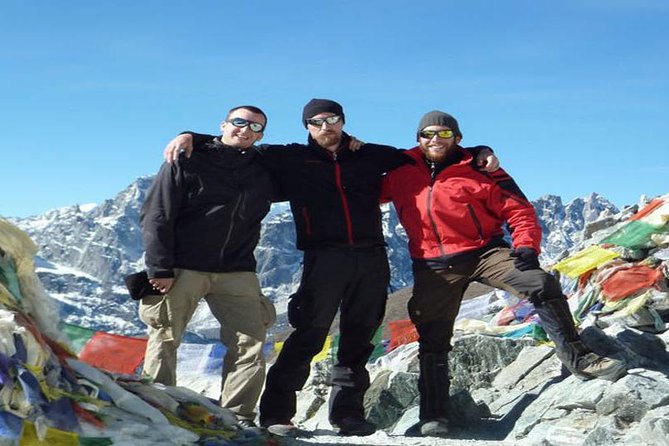
At $1,600 per person, the price isn’t just for footsteps. It includes several items that are usually the first things people forget to price out when they plan an independent EBC trek:
- Kathmandu–Lukla–Kathmandu airfare, including airport departure tax
- Two nights in Kathmandu with breakfast in a 3-star twin-share setup
- Trek days with standard meals (breakfast, lunch, dinner) and staff-supported logistics
- Permits/fees for Sagarmatha National Park and the Pasang Lhamu Rural Municipality
- 11 days of porter service (1 porter per 2 clients)
- A guide with first-aid training, plus arrangements for emergency medical evacuation in worst-case scenarios
- Practical trekking help: a Katadyn Pocket water filter, trekking map, and a sun hat from Travel Pinto
What’s not included is also important: you’ll pay for Nepal visa, your personal high-altitude-capable travel insurance, your Kathmandu meals, alcohol, and personal gear. You’ll also want to budget for tips, since they’re expected.
So is it expensive? Everest is expensive anywhere. But here, you’re paying for organization and safety support around a route where small mistakes add up. If your ideal trip is “I want it run well, but I still want to feel like I’m choosing my own adventure,” this price structure makes sense.
Kathmandu Arrival: Your First Meeting and the Paper Checklist
Day one starts the moment you land. You’ll have an airport representative meet you at Tribhuvan International Airport with a signboard (Travel Pinto), then you’ll transfer to your Kathmandu hotel in a private tourist vehicle.
Then comes the pre-trek meeting. If you arrive after 4 pm, you’ll still get a briefing by your guide, and that becomes your pre-trip meeting. If you arrive earlier than 4 pm, you meet at the office. Either way, you’ll be introduced to your trek leader/guide and you’ll handle the key paperwork.
Bring:
- Your passport
- Three copies of passport-size photos
- A readable copy of your travel insurance policy
You’ll also settle any due balance, and sign legally binding trip forms plus a non-liability disclaimer. It’s not glamorous, but it’s the stuff that keeps everything running smoothly when schedules or weather don’t cooperate.
Flights to Lukla via Manthali: The Best Part and the Biggest Variable
The trek begins with a flight into the Everest region. Normally you’d expect Lukla flights, but the program notes a major seasonal adjustment: during peak congestion periods (specifically March, April, May, October, and November), flights are shifted to Manthali Airport (Ramechhap district).
Here’s how that affects you:
- You’ll take an early morning start to Tribhuvan International Airport in Kathmandu.
- Then you fly about 35 minutes to Tenzing and Hillary Airport at Lukla.
- Once you arrive, your guide briefs you and you’re introduced to your porters before trekking begins toward Phakding.
This matters because flight timing can influence everything: how tired you feel on your first trekking day, whether you’re on schedule for acclimatization, and how much buffer you have if weather changes. If you’re booking other plans in Kathmandu, keep extra slack around trek start and finish dates.
Phakding to Namche Bazaar: Easy Walking, Big Views, and Real River Crossings
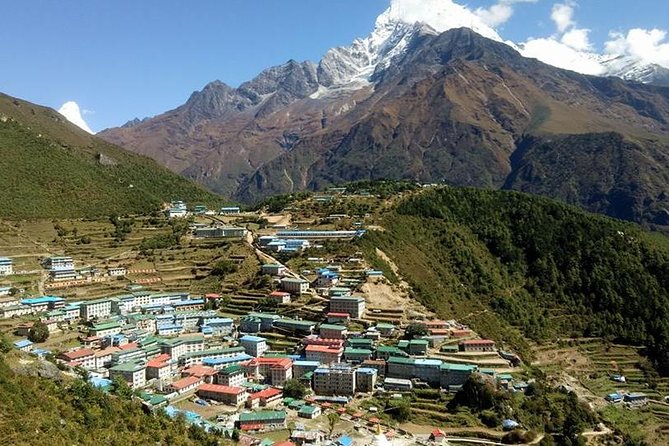
Your first walking day after landing is designed to be manageable. You head from Lukla (2,804 m) down toward the Dudh Kosi River, joining the main trail and continuing to Phakding (2,610 m). The walking is described as easy, which is exactly what you want after a flight day—your body needs time to settle.
Then you build toward Namche Bazaar:
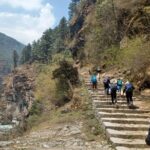
- You trek along the Dudh Koshi with repeated suspension bridge crossings and prayer flags.
- You pass into Sagarmartha National Park.
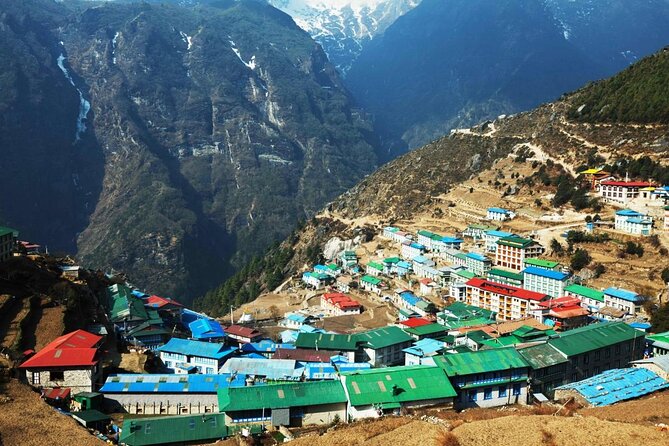
- The trail climbs steeply as you move toward Namche, which sits as the biggest Sherpa settlement along the Everest trail.
Namche is also where you’ll feel the difference between a trek and a place. It has lodges, shops, money exchange, internet cafes, and bakeries—so you can take care of small needs without feeling stranded.
The Namche Acclimatization Day: Sherpa Museum and the Syangboche Views
After reaching Namche, you get an acclimatization day. This is a big deal because it’s built into the schedule instead of something you’re left to “figure out later.”
Your guide takes you to the Sherpa Museum, then you hike up toward Syangboche Airport and the Everest View Hotel area. From there, you can see wide Himalayan views, including Mt. Everest when weather cooperates.
This day is also mentally helpful. Everest isn’t just altitude—it’s effort. A slower day gives you time to adjust, learn the rhythm, and absorb the culture around you. And it breaks up the monotony before the itinerary starts climbing more aggressively.
Tengboche Gompa and Dingboche: Monastery Morning and a Purposeful Rest Day
From Namche you keep moving toward higher Khumbu villages, and Tengboche is a highlight for more than altitude.
At Tengboche (3,860 m) you’ll reach the monastery (gompa), known for ornate religious wall hangings and a large Buddha sculpture. The group may observe a prayer ceremony depending on the day’s trek timing—morning or evening. Even if you’re not into religious sites, this stop hits because it’s a living part of the region, not just a photo spot.
Then you move to Dingboche, climbing gradually while taking time to avoid getting hit too hard by altitude. The views here are specifically called out: you can look toward Lhotse, Island Peak, and Ama Dablam.
And then there’s the best kind of acclimatization: the itinerary doesn’t just say rest. It gives you a planned hike day. You’ll hike up to Nangkartshang peak just above Dingboche for excellent viewpoints, especially for Ama Dablam when weather is clear. If you want to know what “acclimatization” feels like in real life, this is it: moving gently upward, taking in air and views, and then using the afternoon to stroll or rest.
A note on pacing: this section of the trek can still bring altitude symptoms. That’s normal. One feedback story from a similar trip style described needing extra acclimatization time after altitude issues, and the lesson is simple: if you feel off, talk to your guide early. The schedule is designed to help you, but your body’s signals matter.
Lobuche and the Glacier Country: Memorials and Breathing Reality
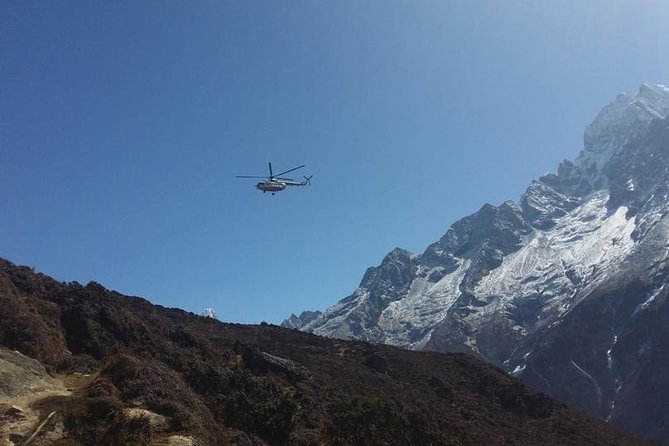
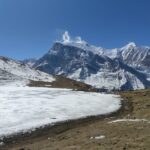
As you head toward Lobuche, the trail follows the lateral moraine of the Khumbu Glacier. You pass by stone memorials for climbers who’ve perished on nearby summits. It’s sobering, and it changes the vibe in a way that’s hard to explain until you’re there.
This segment is also where altitude can start to feel more physical. The trek description warns breathing problems may arise today due to the altitude. That doesn’t mean you should panic. It means you should slow down, sip water regularly, and keep your effort controlled—especially on steeper sections.
Sleep can also be tougher at this stage, and temperatures tend to drop as you go higher. Rooms can be cold, so pack for nighttime comfort (even if you’ll sweat in the daytime).
Everest Base Camp Day: The Big Effort, the Big Reward
The climactic day is the walk to Everest Base Camp at 5,365 m, described as a big and difficult day trek along the Khumbu Glacier.
This is the closest you can get to Mt. Everest without mountaineering equipment. You’ll see expedition teams in the spring likely preparing for summit attempts, so the Base Camp area has a working-energy feel—less “tourist spectacle,” more “mountain operation.”
When you reach Base Camp, the view of the Khumbu Icefall is called out as spectacular. That’s the moment people remember, because it looks like a moving wall of ice and snow, even when you’re standing still.
You’ll return the same day to Gorak Shep for the night. That “go up, arrive, come back down” rhythm is common here, and it keeps the Base Camp experience intense without turning it into a multi-day summit-style grind.
Kala Patthar: Why This Is Often Worth the Struggle
Next comes the hard-but-rewarding day: Kala Patthar (5,555 m). The climb is demanding, and it’s designed to be your best photo-and-panorama day.
From Kala Patthar, you get a sweeping view:
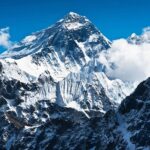
- Mt. Everest (8,848 m) towers directly ahead
- Other giants—Nuptse, Pumori, Chagatse, Lhotse, and countless peaks—sit around you
This is the payoff of the whole trek: not just one landmark, but a whole ring of high mountains surrounding the highest one. After a quick descent to Gorak Shep, you’ll have hot breakfast and then continue down toward Pheriche.
Then the trek shifts from altitude peak chasing into the long, satisfying work of coming down. You’re earning every step now.
The Descent Back: Namche Bazaar and the Lighter Feel of Lower Altitude
After Kala Patthar and the Base Camp area, you start trekking out of the highest zone.
You’ll descend through places like Pangboche and Tengboche, then continue toward Namche Bazaar, arriving in the afternoon. The program treats this as part of the emotional transition: mountains behind you, accomplishment in front of you.
That’s also when you can appreciate little logistics details that matter: easier breathing, more time outside your room, and the chance to handle small items before the final flight.
Lukla Flights Return and Turning One Trek Into a Full Nepal Trip
Your last day of trekking in the Everest region brings you back to Lukla, where you’ll reflect with your group and enjoy the afternoon—often with time to relax and get a hot shower.
Then, one more 35-minute scenic flight back to Kathmandu takes you to normal altitude and normal comforts. On arrival, you’ll be met and transferred back to your starting hotel. There’s even a suggestion of adding side adventures in Nepal—Chitwan jungle safari, river rafting, Kathmandu shopping, mountain biking—depending on what you want to add after the big trek.
And finally, the trek ends with a transfer drop-off to Tribhuvan International Airport for your departure.
Who This Trek Suits Best (and Who Should Think Twice)
This experience is aimed at people with moderate physical fitness and age 18+. It’s also built for groups, with a maximum group size of 14 travelers.
You’ll likely love it if you:
- Want a licensed guide and porter support so you can focus on hiking and adjusting
- Like planning your own add-ons in Kathmandu, rather than being locked into rigid sightseeing days
- Prefer organized safety and logistics over going fully independent
You might want to think twice if you:
- Have a very tight schedule in Kathmandu and can’t flex for possible flight or weather changes
- Don’t have high-altitude-capable travel insurance (it’s specifically listed as not included)
- Struggle with cold nights and want the comfort level of a full-service hotel—higher villages are described as guesthouse-style, and the cold is real
Should You Book This Everest Base Camp Trek?
If your goal is to reach Everest Base Camp with structure, safety support, and less mental load, I’d say this trek is a strong option. The $1,600 price becomes easier to justify once you see what’s included: flights, permits, staff logistics, guide support, porters, and even filtered water.
If you’re excited by authentic mountain days—bridges, villages, monastery stops, and the quiet intensity of Kala Patthar—this is exactly the kind of itinerary that makes those days count. Just be honest with yourself about altitude: give it respect, follow your guide’s pacing, and don’t treat acclimatization days as optional.
FAQ
Do I need a travel guide and porter on this Everest Base Camp trek?
Yes. The package includes a professional, first-aid trained, government licensed English-speaking trekking guide, plus porter service for 11 days with a ratio of 1 porter for 2 clients.
What’s included in the price?
Included items include Kathmandu hotel transfers in a private vehicle, two nights of 3-star twin-share accommodation in Kathmandu with breakfast, trek accommodations in guesthouses (with attached toilets in Lukla, Phakding, and Namche), meals during the trek (breakfast/lunch/dinner), permits/fees, Kathmandu–Lukla–Kathmandu airfare, and emergency medical evacuation arrangements in a worst-case scenario. It also includes filtered water using a Katadyn Pocket Water Filter, seasonal fruits, and trekking extras like a map and sun hat.
What is not included?
Not included are Nepal visa, international airfare, your high-altitude rescue/evacuation travel insurance, lunch and dinner in Kathmandu, alcoholic and other personal drinks, personal trekking equipment, and tips for the guide and porter.
What if Lukla flights are affected during peak season?
The program notes that during heavy congestion months (March–May and October–November), flights may be shifted to Manthali Airport in Ramechhap district, with an early morning start before flying to Lukla.
What accommodations should I expect?
In Kathmandu you get 3-star twin-share lodging for two nights with breakfast. During the trek, you stay in twin-sharing guesthouse accommodation, and attached toilets are specifically mentioned for Lukla, Phakding, and Namche.
How does weather affect the trek?
This experience requires good weather. If it’s canceled due to poor weather, you’ll be offered a different date or a full refund, depending on what’s available.