REVIEW · MU CANG CHAI
Full Day Private Trekking Mu Cang Chai
Book on Viator →Operated by Indigenous Adventure · Bookable on Viator
Rice terraces here feel like a living map. This full-day private trekking experience in Mu Cang Chai pairs you with an English-speaking Hmong guide, so you’re not just chasing viewpoints—you’re walking through working rice country and Hmong village life as you go.
I love the small-group cap of 12, which makes it easier to ask questions and move at a human pace. I also love that lunch is handled: you get an authentic local meal plus bottled water, so you’re not scrambling for food mid-hike.
One consideration: it’s still a real trek. Expect about 7–8 hours and plan on moderate fitness for uneven paths, steps, and time spent outdoors, with weather playing a big role in comfort and visibility.
In This Review
- Key things to know before you trek Mu Cang Chai
- Why a Hmong guide makes Mu Cang Chai click
- Getting to the starting area in La Pán Tẩn without losing your day
- Terrace walking with stops that actually matter
- Headwater and waterfall moments: why the route feels more than scenic
- Lunch included: the smartest part of a long rice-terrace day
- Village life in motion: sewing, buffalo, and seasonal rice work
- Price and value: what $80 per person really buys you
- Fitness, weather, and how to pack for terrace steps
- Who should book this private Mu Cang Chai trek
- Should you book the Full Day Private Trekking Mu Cang Chai?
- FAQ
- How long is the Mu Cang Chai private trekking tour?
- Is pickup included?
- How big is the group?
- Is the tour private?
- What’s included in the price?
- Which viewpoints and places will we see?
- What fitness level do I need?
- Where does the tour start and end?
- What happens if the weather is bad?
- Can I cancel for a full refund?
Key things to know before you trek Mu Cang Chai
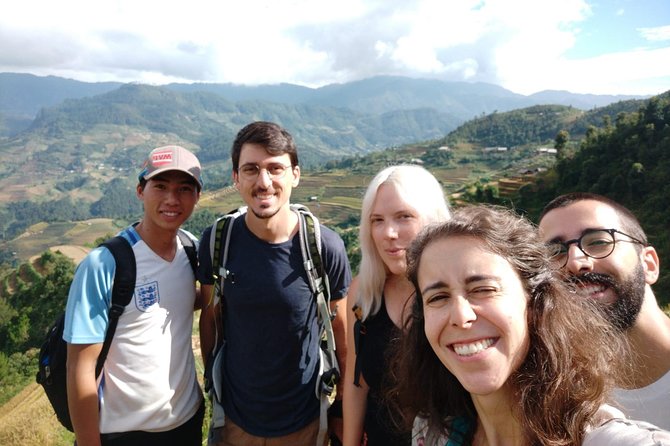
- Up to 12 hikers, guided by a Hmong guide (English-speaking), so you get context, not just photos.
- Iconic viewpoint time at Đồi Mâm Xôi (Raspberry Hill) and other terrace lookouts.
- You walk through Hmong villages and farmland, where people sew, tend buffalo, and work the rice fields.
- Lunch plus bottled water are included, which matters when routes have few chances to stop.
- 2-way transfers from La Pán Tẩn hotels and homestays keep your day from turning into transportation math.
- Private booking format: only your group participates.
Why a Hmong guide makes Mu Cang Chai click
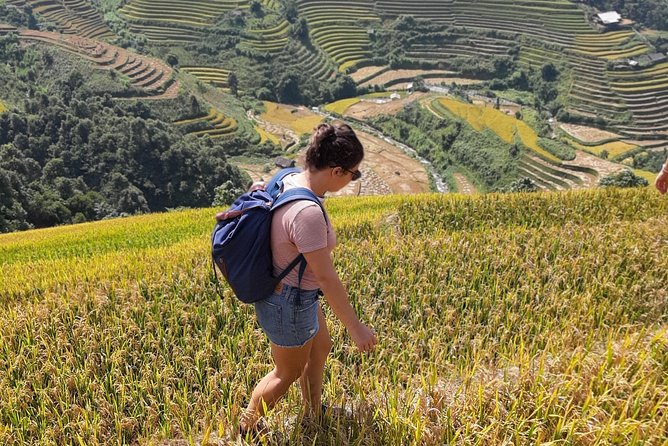
Mu Cang Chai is famous for its rice terraces, but the big win of this tour is how the day is explained while you’re walking. With a local Hmong guide (the guide names you’ll hear include Yien), you’re guided through places that connect to the way people farm, eat, and live in the high mountains.
That difference is practical. When you know what you’re looking at—how terraces are used, what happens in different seasons, why certain paths make sense—you spend less time guessing and more time enjoying. And in a place where roads and signage are limited, having someone local also reduces the mental load. You can focus on the views, the pace, and the conversations.
You’ll also pick up small details that make the day feel real. In this region, daily work is not just scenery. You may see locals sewing at home, tending buffalo, or working in the fields. If you visit during the right season, you might even be able to try simple farming activities like planting or harvesting rice by hand. That kind of interaction is the difference between watching a show and understanding a livelihood.
You can also read our reviews of more tours and experiences in Mu Cang Chai.
Getting to the starting area in La Pán Tẩn without losing your day
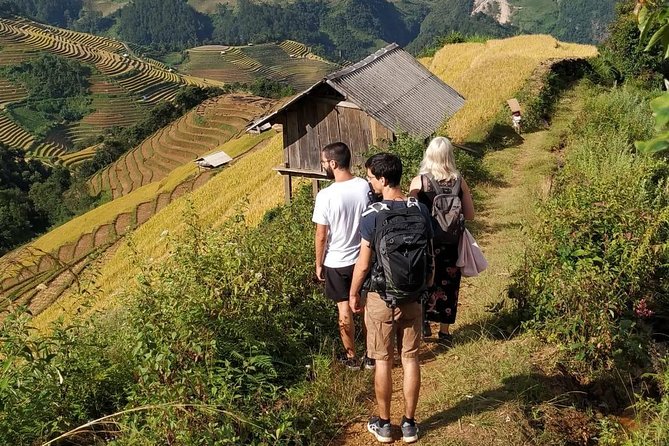
The tour is built around an easy start: 2-way transfers from La Pán Tẩn hotels and homestays are included. That matters here because the trekking area is spread out and the day is long enough already. You don’t want to spend half your time figuring out rides, waiting, or backtracking.
Timing-wise, plan for a full day—about 7 to 8 hours of trekking time overall, depending on conditions and the pace of your group. You’ll begin at the meeting point around the Mu Cang Chai Center homestay & tours area in La Pán Tẩn, then return there when the hike ends. The tour’s stated length is a good signal: this isn’t a quick “hit the viewpoint and go” outing.
If you’re trying to plan your whole trip, also keep in mind that this experience is described as weather-dependent. In northern Vietnam, the difference between a gray day and a clear one can be massive for visibility and comfort. I’d treat this as a day you schedule with some flexibility if your itinerary allows.
Terrace walking with stops that actually matter
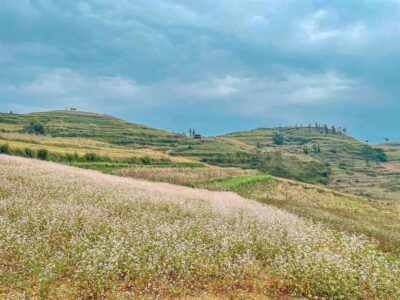
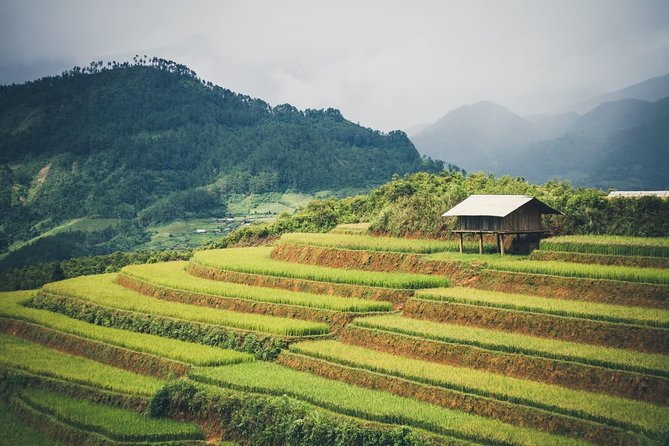
The core of your day is trekking through rice terraces in La Pán Tẩn and Mu Cang Chai, led by your guide. Along the route, you’ll hit several iconic viewpoints and then connect them with village and farmland walking so it doesn’t feel like you’re jumping between separate “attractions.”
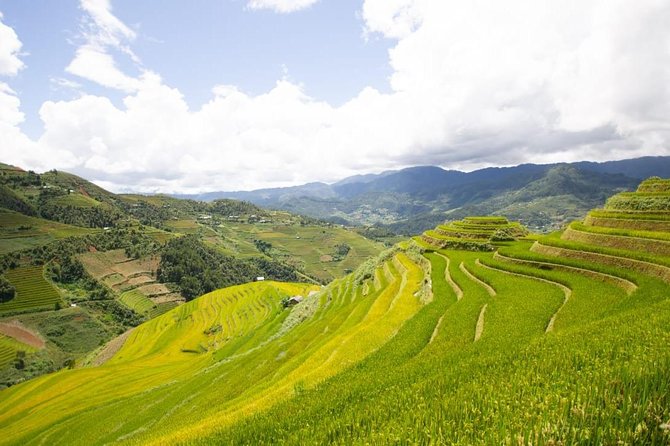
A highlight you’ll want to know by name is Đồi Mâm Xôi (Raspberry Hill). This is one of those places where the terraces stack in a way that’s hard to describe until you’re standing there. When the day is bright, the paddies can look almost unreal—some people describe it like a fairy tale when the colors pop and the mountain silhouettes sit on the horizon.
But the best part isn’t just the big scenic stop. It’s the walking between stops. You’ll pass through areas where rice is growing, where paths step through the terraced fields, and where your guide points out what changes by season. This is one of those hikes where the scenery keeps renewing itself every time you turn a corner, because the terraces create natural layers of view.
There’s also a cultural thread tied to the scenery. You’re not only moving through farmland; you’re moving through Hmong villages. That means your day can include moments like watching daily routines, seeing homes where people work, and hearing stories that connect food and tradition to the farming calendar.
Possible drawback to consider: the pace is active. Terraces mean uneven ground and lots of changing elevation. If you’re used to flat walking, give yourself time to adjust, and let the guide set a sustainable rhythm.
Headwater and waterfall moments: why the route feels more than scenic
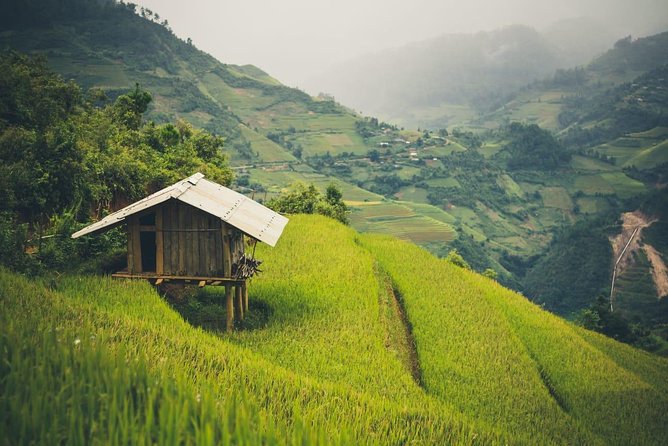
The tour description includes more than terrace viewpoints—it mentions visiting the headwater and a waterfall during your trek. That matters because it breaks up the day visually and physically. Rice terraces are beautiful, but if all you see are fields, the day can start to blur. Adding water features creates variety in both sound and scenery.
Here’s how to think about these segments: in mountain farming regions, water sources are tied to irrigation and terrace structure. Even without technical details, your guide’s local knowledge makes these “in-between” spots feel connected to how the landscape functions. Then, when you reach a waterfall, you get a refreshing change of pace: cooler air, a different kind of view, and a good reset before you continue trekking.
You might find the waterfall stop especially helpful if you’re trying to keep your energy up. It gives you a moment to pause and take photos, but also to breathe a little before the next climb.
Since timing isn’t broken into minute-by-minute stops here, treat these as part of a continuous route rather than a single destination. The value is in the sequence: terraces, villages, working land, then water, then more viewpoints.
Lunch included: the smartest part of a long rice-terrace day
Food on a hike isn’t a small detail. It changes your mood and your pace. This tour includes lunch plus bottled water, which is exactly what you want when the day is long and the routes aren’t built around quick snack runs.
The lunch is described as an authentic local meal. That doesn’t automatically mean fancy. It means you’re eating in a way that matches the region. On days like this, the best meals often feel simple and practical—filling enough to keep you going, and local enough that the flavors make sense with what you’re seeing around you.
From the experience feedback, the lunch is repeatedly called delicious, and that lines up with what I’d expect from a guide-led day in a rural area: when locals handle the food choice, you’re more likely to get something that fits the day’s demands.
Practical tip: treat lunch as a fueling stop, not an extended sit-down. After eating, you’ll likely want to keep moving.
Village life in motion: sewing, buffalo, and seasonal rice work
One of the most memorable things about this style of trek is that you don’t just observe from a distance. Your guide is there to connect what you see to daily life.
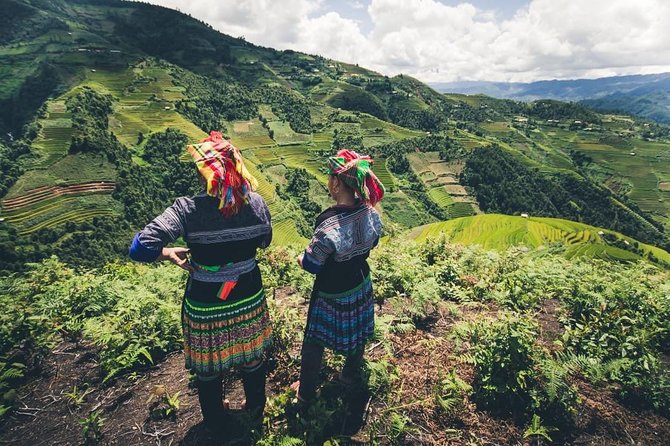
As you walk, you may pass Hmong villages where people are actively working—sewing at home, tending buffalo, or farming in the fields. These moments are short, but they give you context. Rice terraces weren’t built by magic; they’re part of a long system of labor and timing. Your guide’s stories—about culture, food, and seasonal traditions—help you understand why the terraces look the way they do.
And if you’re in the right season, you might even be invited to participate in simple rice farming tasks like planting or harvesting by hand. Even when the activity is light, it helps you see the physical effort behind the beauty.
Also note the guide interaction itself is part of the value. Numbers are capped at 12 for quality interaction, so you get more time for questions and more back-and-forth conversation. This is especially helpful if you care about culture as much as scenery.
Price and value: what $80 per person really buys you
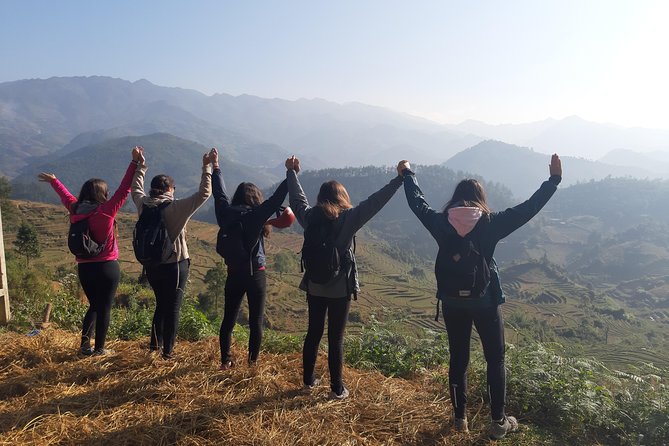
At $80 per person for a 7–8 hour guided trek with lunch and transfers, the value is strongest when you price it against what you’d otherwise have to solve yourself.
Here’s what you’re getting for that money, based on the tour details:
- A local tour guide who speaks English
- Entry/admission included
- Lunch and bottled water
- 2-way transfers from La Pán Tẩn hotels and homestays
- A group size cap of 12 for better interaction
- Private format where only your group participates
If you tried to recreate this independently, the biggest costs would often be time and logistics: arranging the right local guide, getting transport that works both ways, and finding food that won’t derail the day. You’d also risk losing context if you only relied on viewpoints with no local explanation.
So yes, $80 isn’t “cheap.” But for a full-day, guide-led, rural-hiking experience with food and transfers done for you, it’s reasonable. It’s also telling that this tour is booked fairly in advance on average (about 77 days), which suggests people plan their Mu Cang Chai days deliberately.
Fitness, weather, and how to pack for terrace steps
The tour requests moderate physical fitness. That’s a fair description for a rice-terrace trek: you’re not just walking on flat surfaces, and elevation changes are part of the deal.
What to expect on the ground:
- Uneven paths typical of terraced farmland
- Steps and slopes as you move between viewpoints
- Long hours outdoors, with breaks that fit the route
Weather affects everything here. The experience is noted as requiring good weather, and if conditions are poor, you’ll be offered a different date or a full refund. Even on a good day, bring the mindset that visibility can vary—fog and cloud cover can soften distant mountain views.
What I’d pack (simple and practical):
- Comfortable shoes with grip for uneven ground
- A light rain layer or wind layer, because mountain weather can shift
- Sunglasses and sunscreen if the terraces are clear and bright
- A small day bag so you can keep essentials handy during the hike
Who should book this private Mu Cang Chai trek
This tour fits best if you want a day that’s equal parts scenery and human context. You’ll likely enjoy it if:
- You care about understanding Hmong culture, not just taking photos
- You prefer a smaller group (12 max) for conversation and pacing
- You want a stress-free day with transfers and lunch handled
- You’re okay with moderate hiking for most of the day
It’s also a good choice for couples, small groups of friends, or anyone who wants a more personal guide experience rather than feeling like you’re part of a large crowd.
If you want a super relaxed stroll on wide flat paths only, you might find the hike style too active. But if you’re up for a real mountain day with guidance and good timing, this is a strong match.
Should you book the Full Day Private Trekking Mu Cang Chai?
I think you should book this tour if you value a guided day where the rice terraces come with context. The small-group cap, the English-speaking Hmong guide, and the fact that you get lunch plus bottled water make it easy to enjoy the hike without logistics stress.
It’s also a good booking when you’re trying to cover major stops—like Đồi Mâm Xôi (Raspberry Hill)—while still spending time walking through villages and working farmland. That mix is what turns a pretty place into a memorable day.
If your priority is only short photo stops, then you might prefer something less hiking-heavy. But if you want one full day to see the terraces, learn the local rhythm, and move through the area with someone who knows the route and the people, this tour is an easy yes.
FAQ
How long is the Mu Cang Chai private trekking tour?
It runs about 7 to 8 hours.
Is pickup included?
Yes. The experience offers pickup and 2-way transfers from La Pán Tẩn hotels and homestays.
How big is the group?
Numbers are capped at 12 travelers for quality guide interaction.
Is the tour private?
Yes. It’s a private tour/activity, and only your group will participate.
What’s included in the price?
Included items are lunch, bottled water, entry/admission, and a local tour guide speaking English.
Which viewpoints and places will we see?
You’ll trek through rice terraces and visit Đồi Mâm Xôi (Raspberry Hill), plus stops that include a headwater and a waterfall, along the route.
What fitness level do I need?
You should have moderate physical fitness.
Where does the tour start and end?
It starts at Mu Cang Chai Center homestay & Tours in La Pán Tẩn, and it ends back at the same meeting point.
What happens if the weather is bad?
The experience requires good weather. If it’s canceled due to poor weather, you’ll be offered a different date or a full refund.
Can I cancel for a full refund?
Yes. Free cancellation is available up to 24 hours in advance of the experience start time for a full refund.