REVIEW · KATHMANDU
Langtang Valley Trekking
Book on Viator →Operated by The Great Adventure Treks & Expedition - Private Day Tours · Bookable on Viator
Langtang Valley is where Nepal slows down and feels personal. This trek sits inside Langtang National Park and blends high Himalayan views with Tamang culture and Tibetan-style religious sights along the way. I love the chance to look for wildlife and flowers in the park, and I also love how the best guides make the culture and trails click fast. One thing to weigh: meals like lunch and dinner aren’t included, and guesthouse basics mean you’ll want to plan your food mindset before you go.
This trip is set up as a private tour (only your group), with private transportation and a start time of 9:15am. You’ll also need to take weather seriously since the experience runs only when conditions are good. From the info and guide stories, the vibe is very practical: helpful team members, patient pacing, and real local context—especially around Tamang villages and the feel of nearby Tibet.
In This Review
- Quick hits before you go
- Entering Langtang National Park from Kathmandu
- Why the Tamang culture feels built into the trail
- Flora and fauna: your “look up” moment in every day
- The road to the trailhead: expect some bumps
- Tea houses, simple meals, and the guesthouse reality
- Altitude planning around Tserko Ri
- Guides and porters: why the names keep coming up
- Price and value: what $2,102.57 is really covering
- Weather can end the plan, so keep your head flexible
- Who should book this Langtang trek?
- Should you book this Langtang Valley Trek?
- FAQ
- How long is the Langtang Valley trekking experience?
- Where does this trek take place?
- What’s included in the price?
- Are lunch and dinner included?
- What time does the experience start?
- What if the weather is poor?
Quick hits before you go
- Langtang National Park setting: rhododendron, orchid, and pine woods plus a chance to see animals like monkeys and musk deer
- Tamang culture and Tibetan Buddhism influence: gompas, mani walls, and prayer flags on the route
- Private group experience: only your party, with pickup offered and private transportation
- Altitude is part of the deal: the trek includes a height challenge, and going slow matters
- Guides with real trail energy: names you’ll hear include Mani, Pasang, Shubham, Ganesh, Indra, Prakash, and JayRam K.C.
- Food is simple and separate from price: lunch and dinner aren’t included, and guesthouses can be basic
Entering Langtang National Park from Kathmandu
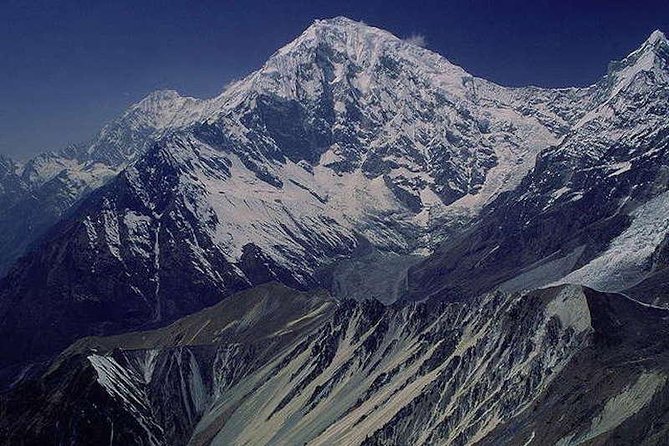
Langtang is about 150 kilometers north of Kathmandu, and the long road north is part of the story. The region gives you that Nepal feeling where you trade city noise for a steady climb into mountain air, with the valley drawing you deeper as days pass.
What I like here is that you are not just chasing a viewpoint. You’re moving through a protected park setting where the vegetation and wildlife are a big reason to keep looking up and around, not only straight ahead.
You’ll meet the experience at 9:15am, and pickup is offered. Because it’s private transportation, you won’t be stuck waiting on strangers or sharing logistics headaches with other groups.
You can also read our reviews of more tours and experiences in Kathmandu.
Why the Tamang culture feels built into the trail
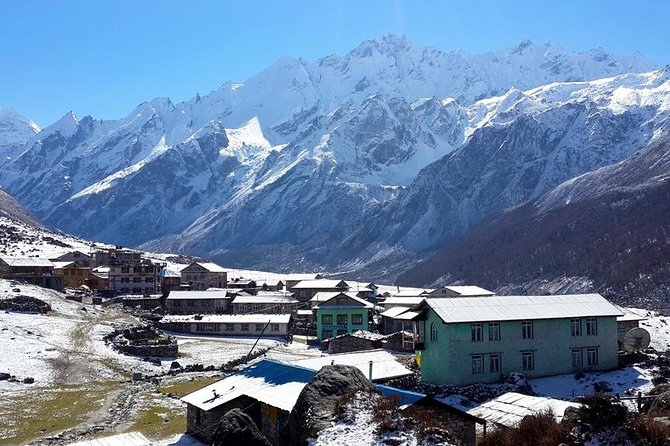
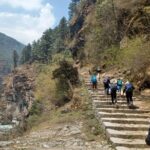
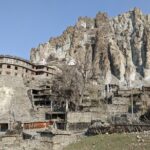
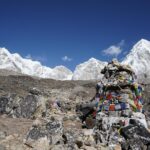
Langtang sits close to Tibet, and you can feel that cultural overlap in the daily scenes. The area shows a strong Tibetan Buddhist influence—things like gompas (monasteries), mani walls, and prayer flags show up along the route like visual milestones.
A major local group here is the Tamang community. Their culture, design, and way of life trace back toward Tibet, and the trail paths through villages where that identity isn’t just a side note—it’s part of what you’re walking through.
This is also where a good guide changes everything. In the stories from this trek, guides like JayRam K.C. (Jai Ram k.C) and Ganesh are praised for explaining mountains and local culture, not just leading feet forward. Shubham is singled out for attentiveness and kindness, and Pasang gets repeated mentions for guidance and local insight—plus help with practical needs like where to stay.
Flora and fauna: your “look up” moment in every day
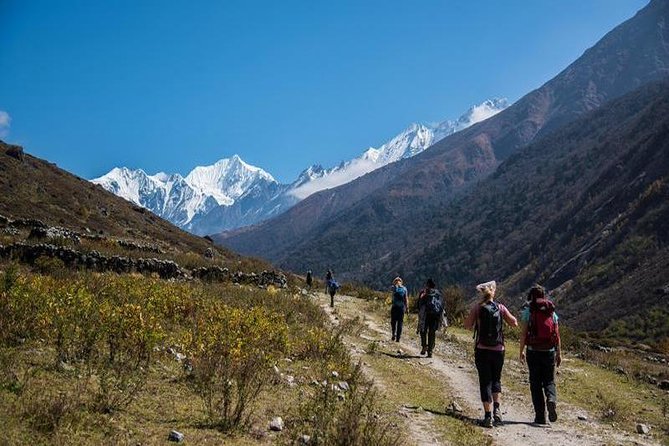
One of the most useful things about Langtang is that the park isn’t just about big peaks. The national park includes 14 vegetation types across 18 biological system types, so you get variety as you gain height and move through different areas.
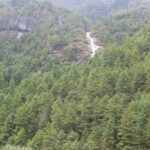
Here’s what you can look for, straight from the trek’s core pitch: rhododendron, orchid, and pine forests are part of the experience. That matters because it changes the trek from a single-note hike into something more like a moving natural gallery.
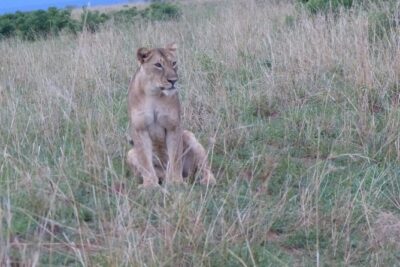
On the wildlife side, the area is described as home to animals such as monkeys, musk deer, Pika, and even Danphe—the national bird of Nepal. You might not see every species, but the point is that the park setting gives you more chances to spot life than the typical “walk and hope” trek.
The road to the trailhead: expect some bumps
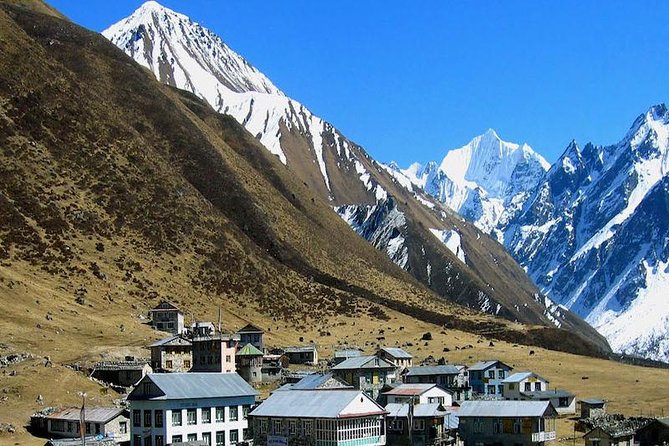
This trek starts with Kathmandu logistics, and the ride is part of your day. One review specifically called the Kathmandu to Dhunche road little difficult, which is a good heads-up: the journey can be tiring even before your first steps on the trail.
Because you have private transportation, that discomfort is easier to manage than it would be with chaotic public connections. Still, plan for it. I’d treat the first travel day like a warm-up, not a full rest day—sleep matters when altitude follows.
Tea houses, simple meals, and the guesthouse reality
Lunch and dinner are not included, which is an important budget detail. In many Himalayan treks like this, you’ll be eating at simple places along the route, and that can be part of the rhythm if you go in with the right expectations.
In the trip experiences described, food is often labeled simple, and guesthouses can be basic. That’s not a deal-breaker, but it does affect what you pack (layers, a good sleep strategy, and small comfort items). If you expect hotel-style meals and soft beds, you’ll waste energy daydreaming instead of enjoying the mountains.
Here’s the practical way to think about it: you’re paying for the guided trek experience and private transport, not for all meals. So you’ll want to budget extra for day-to-day eating and snacks, and also be open to whatever the local kitchen offers that day.
Altitude planning around Tserko Ri
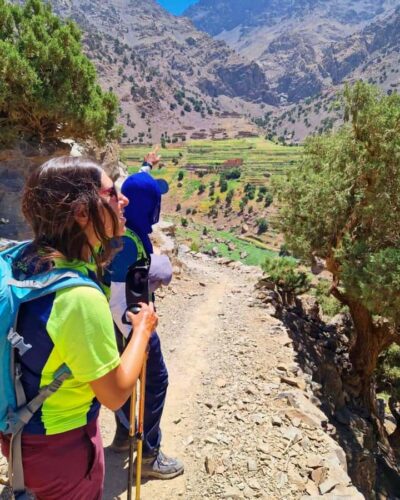
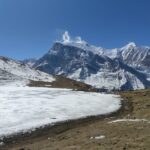
Langtang Valley is known for mountain days, and Tserko Ri is named as an amazing summit target in the trek stories. That’s the moment where the work turns into payoff: the climb and the breathing you earn are aimed at views that feel like a reward you can’t fake.
The challenge of altitude is specifically mentioned in one experience, so don’t treat the hike like a stroll. What helps most is pace discipline—slow steps, frequent pauses, and trusting your guide’s plan for timing and comfort.
A good sign here is that multiple guides are praised for care and safety. Sundeep is highlighted for being patient when someone needed more time walking, and Pasang is credited with advice that made the trek easier. That type of support is exactly what you want when your body gets less cooperative.
Guides and porters: why the names keep coming up
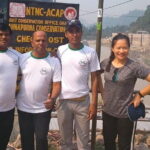
The trek’s quality seems to ride heavily on the people running it. Time after time, guides are described as energetic, professional, friendly, and patient, with porters also praised for helpfulness and strength.
Some names that come through repeatedly:
- Mr. Mani: organizer presence in Kathmandu and beyond, with smooth planning mentioned in multiple accounts
- Pasang: repeatedly described as helpful, caring, and knowledgeable, with advice that made the trek easier
- Shubham: attentive and kind, with lots of conversation and support
- Ganesh: helpful with expertise and a positive spirit
- Sundeep: patient with family members who needed extra time
- Indra (with porter Ramseh): professional trail support
Why this matters for you: on a trek, logistics aren’t a background task. They’re the difference between a smooth day and an anxious one. When the guide knows the trails, cares about pacing, and handles day-to-day needs like lodging choices, you can focus on walking and soaking up the scenery.
Price and value: what $2,102.57 is really covering
At $2,102.57 per person, this isn’t a budget impulse trek. So you should ask: what are you paying for?
From the stated inclusions, you’re getting private transportation and a private tour setup. That alone can be valuable if you want your schedule and route decisions to be handled without compromise, especially if you’re traveling as a couple or family.
Two important cost pieces are missing from the package: lunch and dinner. Since meals aren’t included, the real trip cost depends on how you eat day to day. Also, guesthouse stays can be basic, so you may want to carry small comfort upgrades to match your own comfort level.
If you compare trek styles, the private setup tends to cost more than big-group tours. In exchange, you get less waiting, more flexibility, and a guide who can adjust to your pace. Based on the guide stories—especially kindness and patience—you’re also buying a human safety net on the mountain.
Weather can end the plan, so keep your head flexible
This experience requires good weather. If it gets canceled because of poor weather, you’ll be offered a different date or a full refund. That’s the kind of policy you want on a trek where conditions matter for safety.
What I recommend: don’t lock your entire Nepal trip like it’s a train schedule. Give yourself room for a weather shift. Even one extra rest day in Kathmandu can feel annoying, but it beats scrambling if the mountains say not today.
Who should book this Langtang trek?
This one fits best if you want a guided trek that blends nature with local culture. The park focus on rhododendron, orchid, pine, and wildlife makes it more than a pure summit chase.
It’s also a strong choice for people who care about how the trek is handled, not only the final photo. The guide support is described as attentive and professional, including help with walking pace when needed.
And yes, this trek has been done even later in life in the experiences you provided. One account thanks the organization and guide for a great experience at age 75, which tells you that with the right support and pacing, the trail can be worked thoughtfully.
Should you book this Langtang Valley Trek?
I’d book it if you want authentic Himalayan walking with Tamang culture and Buddhist prayer scenes in the background, plus a park setting where flora and wildlife are part of the day. I’d also book it if you believe in good guides—because the quality of support here is exactly what keeps showing up in the trek stories.
Hold off if you want fully included meals and high-comfort lodging. With lunch and dinner not included and guesthouses described as basic, you’ll be happiest if you’re flexible and practical.
If you go in expecting a real mountain trek—simple food, patient guidance, and days that reward slow walking—Langtang is the kind of trip that sticks.
FAQ
How long is the Langtang Valley trekking experience?
It’s listed as 9 days approximately.
Where does this trek take place?
It takes place in and around Langtang National Park, starting from Kathmandu (about 150 kilometers north of Kathmandu).
What’s included in the price?
Private transportation is included.
Are lunch and dinner included?
No. Lunch and dinner are not included.
What time does the experience start?
The meeting/start time is 9:15am.
What if the weather is poor?
This experience requires good weather. If it’s canceled due to poor weather, you’ll be offered a different date or a full refund.