REVIEW · KATHMANDU
Everest Base Camp Trek – 14 Days
Book on Viator →Operated by Himalayan Partner Treks and Expedition · Bookable on Viator
A trek up to Everest Base Camp is dramatic. This one layers in acclimatization and real Khumbu village life, not just long walking days. I like that you get organized logistics from Kathmandu to the mountains, plus pre-booked lodge stays and three meals a day on the trail. I also like that the itinerary includes a high, early-morning push to Kalapathhar (5545m) for big sunrise views. The main drawback to plan for is altitude reality: even with rest days, you’ll hit thin air and temperatures that can feel serious.
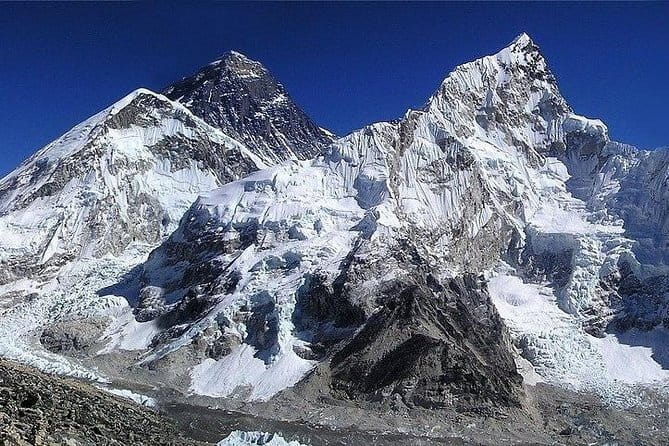
You’ll start in Kathmandu, then fly to Lukla and walk your way through Sagarmatha National Park country and the Khumbu highlands. Expect monastery stops, suspension bridges, glacier moraine terrain, and plenty of chances to see Everest-adjacent peaks like Lhotse, Nuptse, Ama Dablam, and Pumori. This is a private tour/activity, so it’s built for your group—but you still need a moderate fitness level and a steady pace.
In This Review
- Key Things That Make This Trek Worth Your Time
- Kathmandu Prep Day: Fast Check-In, Then Real Trek Mode
- Lukla Flight Day and Phakding: The Himalayas Start Immediately
- Into Sagarmatha National Park: Namche Bazaar and Everest’s First Glimpses
- Namche Acclimatization Day: Short Hikes, Big Information
- Tengboche Monastery Day: Forest Walking With a Spiritual Pause
- Dingboche: Ridge-Top Villages and Peaks at Every Angle
- Dingboche Acclimatization: Nangkartshang Peak or Chhukung Ri
- Lobuche: Terminal Moraine Climbing and Prayer Flags With Real Meaning
- Everest Base Camp Day: High Drama, Sometimes No Everest in Sight
- Kalapathhar at Dawn: Your Highest Altitude and the Best Light
- Back Down Toward Namche: Pangboche Monastery and the Art of Letting Gravity Work
- Steep Down to Lukla: Suspension Bridges and Controlled Steps
- Kathmandu Again: Mountain Flight Home and a Real Celebration Night
- Price and Value: What $1,099.06 Actually Buys You
- Who This Trek Fits Best (and Who Should Think Twice)
- Should You Book This Everest Base Camp Trek?
- FAQ
- What is the duration of the Everest Base Camp trek?
- Where does the tour start and when?
- What is the highest altitude on this itinerary?
- How do you get from Kathmandu to the trek area?
- Are airport transfers included in the price?
- Where will you stay during the trek?
- What meals are included during the trek?
- Is Kathmandu free time included?
- What is not included?
- Is it possible to cancel for a refund?
Key Things That Make This Trek Worth Your Time
- Lukla flight with sunrise views that puts you in the Himalayas fast
- Acclimatization days at Namche Bazaar and Dingboche so you climb smarter
- Culture stops like Thame/Khunde viewpoints, visitor info, and big monasteries
- Prayer flags and memorials near Lobuche that add meaning to the climb
- Kalapathhar dawn timing that’s all about the best light and high-altitude payoff
Kathmandu Prep Day: Fast Check-In, Then Real Trek Mode
Day 1 is Kathmandu in a nutshell. You’re met at Tribhuvan International Airport by an airport representative, then transferred by private car to your hotel. After that, you can relax or stop by the office to confirm trek details before tomorrow’s early push.
This matters more than it sounds. When you’re heading to high altitude soon, you want calm. A smooth first day also helps you sleep better, so you don’t start the trek already wrecked.
You can also read our reviews of more tours and experiences in Kathmandu.
Lukla Flight Day and Phakding: The Himalayas Start Immediately
On day 2, you’ll drive from your hotel to the domestic airport terminal, then fly to Lukla. The flight route is described as giving outstanding views of sunrise on the snowcapped mountains, and the timing is why many people love this trek before they even strap on boots.
Once you land at Tenzing-Hillary Airport, the trek starts right away from the airport. From there it’s a short walk to Phakding, where you overnight in a lodge/tea house.
The practical takeaway: keep your expectations simple on this day. Your body is still adjusting to the fact you’re suddenly at high altitude. Don’t treat it like a workout; treat it like a warm-up.
Into Sagarmatha National Park: Namche Bazaar and Everest’s First Glimpses
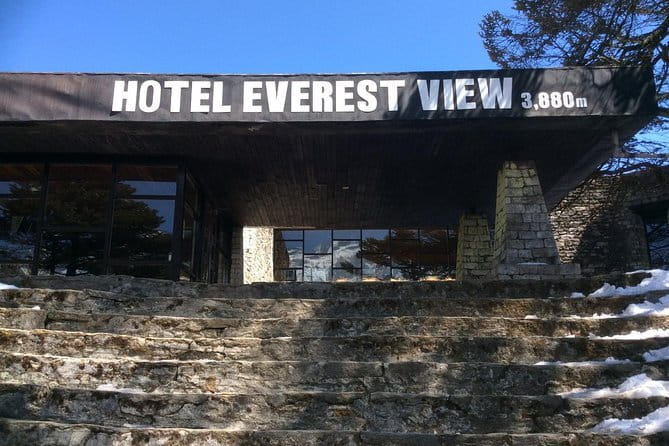
Day 3 is a classic Khumbu climb. You’ll walk through pine forests, pass the Dudh Koshi River, and get views of peaks like Thamserku along the way. There’s also a park checkpoint, then more walking through river confluences—Dudh Koshi and Bhote Koshi—and a steep ascent toward Namche Bazaar.
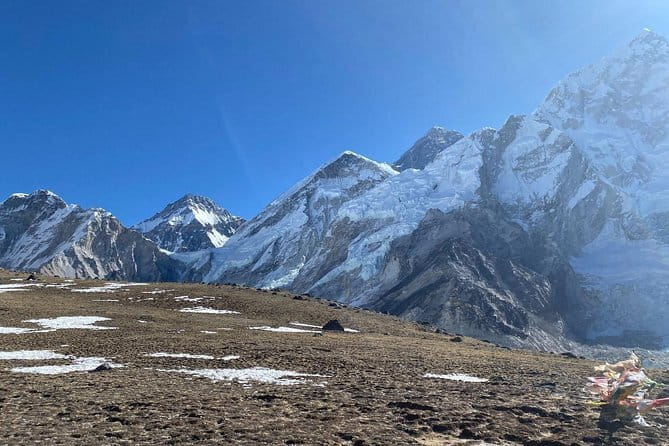
And then comes the payoff: from Namche’s approach, you get the first marvelous look at Everest, plus ridges of Lhotse and Nuptse. You overnight in a lodge/tea house, which keeps you moving on schedule without having to plan anything at this stage.
Namche Acclimatization Day: Short Hikes, Big Information
Day 4 is labeled as a rest day for acclimatization, but it’s not wasted time. You’ll take a short hike to a nearby viewpoint such as Thame or Khunde. After that, you tour the Tourist Visitor Center area where you’ll get information about Everest climbers, Sherpa culture, and local flora and fauna.
Namche is also described as well set up for trekkers, with things like ATMs, internet cafes, restaurants, and bakeries. That’s useful if you want to top up cash, send a message home, or just eat something comforting.
The drawback? Namche makes it tempting to do too much. You’re high already. Keep your hike shorter than your ego wants, and let your body catch up.
Tengboche Monastery Day: Forest Walking With a Spiritual Pause
Day 5 moves you out of Namche and into quieter trail rhythm. The route goes through juniper and rhododendron forests and keeps the mountain views coming. Eventually, you reach Tengboche, and the big focus is a visit to Tengboche Gompa, described as the biggest monastery in the Sagarmatha region.
This stop is a good change of pace from just climbing. Monasteries here are part of how people live, not just photo stops. If you take a few minutes to slow down, you’ll feel the difference between the tourist world and the local rhythm.
Dingboche: Ridge-Top Villages and Peaks at Every Angle
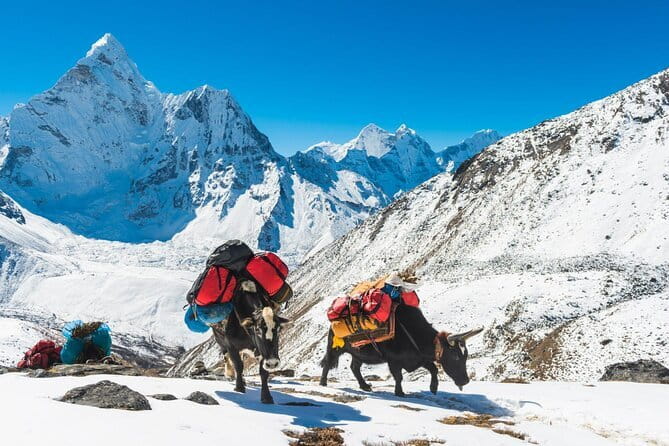
Day 6 takes you to Dingboche. The route can be described as trekking from Phorse or Tengboche, and it passes through upper Pangboche villages and settlements like Shomare, Orsho, and Tsuro Wog. Along the way, you get repeated mountain views, including Taboche, Ama Dablam, Nuptse, Cholatse, and Lhotse.
Dingboche is also part of the Khumbila Khola valley and ridge-top experience before you continue through the Imja Khola area. You overnight in a lodge/tea house.
This is one of those days where the altitude is doing a background job. Even when your legs feel okay, your breathing might tell the truth. Pace accordingly.
Dingboche Acclimatization: Nangkartshang Peak or Chhukung Ri
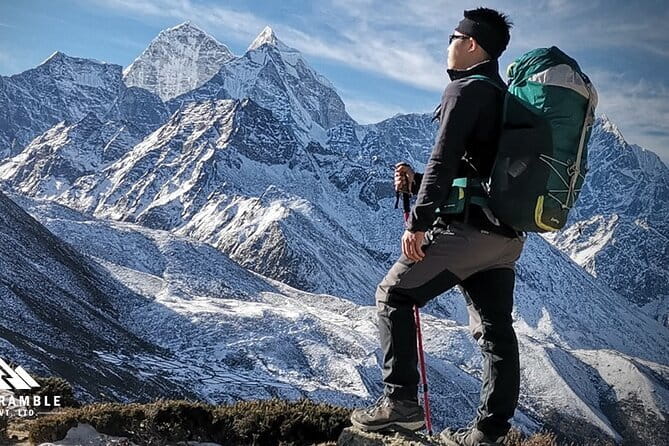
Day 7 is your second acclimatization day. You’ll have options, including hiking to Nangkartshang Peak (5083m) or Chhukung Ri (5546m). There are also short hike ideas around Dingboche and the surrounding villages of Chhukung and Imja.
One detail I like here: the plan gives you choices, not just one “go to the top” command. If you’re feeling strong, you can aim high. If you’re feeling cautious, you can keep it lighter, still get views, and come back to rest properly for the next leg.
Lobuche: Terminal Moraine Climbing and Prayer Flags With Real Meaning
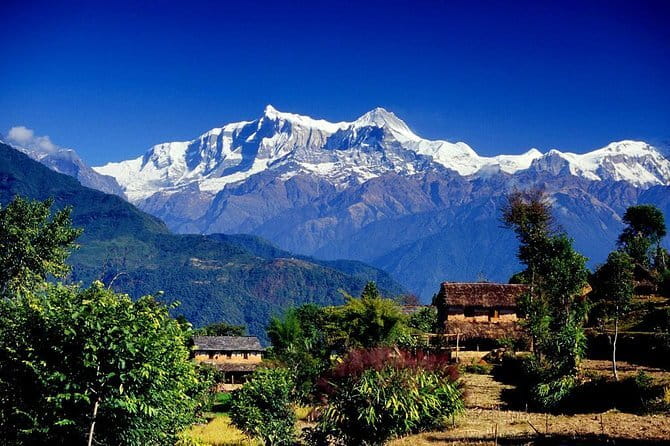
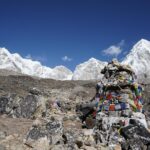
Day 8 takes you toward Lobuche. The route mentions walking up the steep terminal moraine of the Khumbu glacier, then ascending toward Chupki Lhara, with boulder slopes and lots of prayer-flag markers along the way.
This is also the day where you’ll see memorial stones associated with American mountaineer Scott Fischer and Babu Chhiri Sherpa, described as a 10-time Everest summitter. It adds weight to the scenery. You’re not just walking through dramatic terrain—you’re passing reminders of the people tied to this route.
The itinerary also notes that along the trail you may experience little symptoms of altitude sickness. That line is worth respecting. If you feel “off,” don’t push through like it’s a normal hike. Tell your guide and take it seriously.
Everest Base Camp Day: High Drama, Sometimes No Everest in Sight
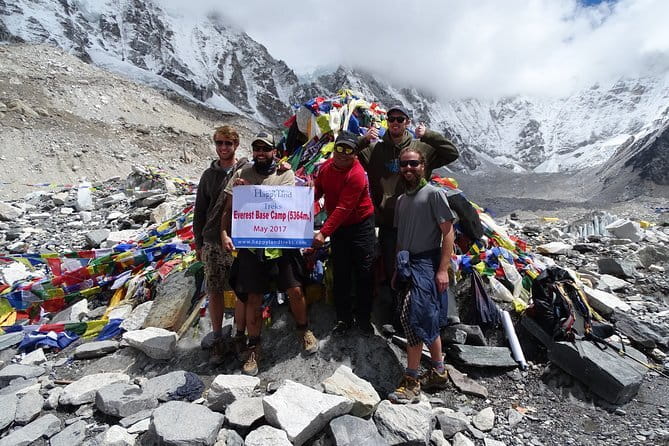
Day 9 is the big one. You trek to Everest Base Camp (5364m) and then continue back to Gorakshep, described as taking about 7–8 hours. You’ll stop around Thangma Riju for a 360-degree panoramic view.
Here’s a key reality check: the plan says Mount Everest is not seen from Thangma Riju. You’ll still get excellent views of Nuptse and Pumori and see how the terrain shifts into glacier and moraine zones.
You also get a look at the grey grassy land of Kalapathar after climbing through the Changri glacier. That’s a nice “preview” moment before your highest-point push tomorrow.
Kalapathhar at Dawn: Your Highest Altitude and the Best Light
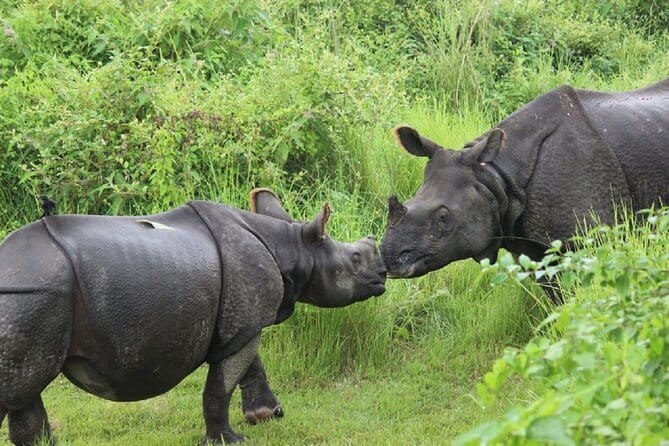
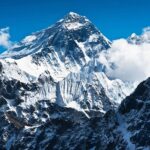
Day 10 is early by design. The trek starts much earlier so you can witness the glimpse of Mount Everest as dusk turns to bright morning light. The route also describes views of peaks like Lingtren, Khumbutse, and Changtse.
Then comes the main effort: the ascent to Kalapathhar (5545m). The plan recommends pausing often to catch your breath while you take photos. You’re going high here, and the smart move is slow, steady movement with short breaks.
After lunch, descent begins toward Periche. You’ll overnight in the lodge/tea house for the next stage of the route.
Back Down Toward Namche: Pangboche Monastery and the Art of Letting Gravity Work
Day 11 is a long descent route that brings you back toward Namche Bazaar. You’ll walk via Duglha, passing through the terminal moraine area, and then through Pheriche and Orsho. There’s also a mention of exploring Pangboche village and its oldest monastery, with a legend about storing scalp and bones of Yeti.
That’s the kind of local story you only hear if someone keeps the culture angle alive while you’re focused on altitude. After Pangboche, the route crosses a bridge above Dudh Koshi River and heads down through pine forests toward a junction area, then continues to Namche for overnight.
If you want one tip for your own sanity: give your knees extra care. Descents are where your legs get angry.
Steep Down to Lukla: Suspension Bridges and Controlled Steps
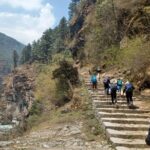
Day 12 is the final trekking day before you fly out. It’s described as a steep downward trail. The guidance is very clear: you need to walk really slow and in a controlled way on steep rocky terrain until reaching a suspension bridge over Dudh Koshi.
After that, you pass open plains and rhododendron forest while enjoying distant snow-covered mountain views. Then you reach Lukla and overnight in a lodge/tea house.
That “walk slow” instruction is not small. This is where trekking fatigue can lead to slips. Treat every step like it matters.
Kathmandu Again: Mountain Flight Home and a Real Celebration Night
Day 13 brings the mountain flight from Lukla back to Kathmandu. Once you land, you get time for shopping and walking around the city, and the evening is for celebrating completion of the trek. Overnight is in a Kathmandu hotel.
Day 14 is flexible. You can extend your tour, or your representative drops you to the airport for final departure.
This kind of finish matters. After days of altitude and routine, a night back in Kathmandu is where you get to feel normal again—and eat like you mean it (within what’s included).
Price and Value: What $1,099.06 Actually Buys You
At $1,099.06 per person, the value depends on what you’re trying to avoid. This package does a lot of the heavy lifting for you.
You’re getting:
- 12 days in the mountains plus 2 days in Kathmandu, with lodge/tea house stays during the trek and hotel in Kathmandu
- Two-night 3-star hotel in Kathmandu with breakfast
- 3 meals per day during the trek (breakfast, lunch, dinner) including coffee and tea
- Both-way flights to Lukla or from Ramechhap (depending on what’s used for your route)
- Airport pick-up and drop-off by private car
- Taxes, fees, and handling charges
- Transport to Ramechhap (sharing bus or car option)
What’s not included is also clear: international airfare and Nepal visa fee, food in Kathmandu and extra days, and tips for guides, porters, and drivers.
So the bargain question is this: if you want to show up, walk, and have most logistics handled, this price looks more reasonable. If you’re the DIY type and already have trekking permits, flights, and lodge bookings nailed down, it won’t feel like a bargain. But for most people, it reduces stress at exactly the wrong time to be stressed.
One more thing: this operator is marked with a 5-star rating and a 100% recommendation in the summary data you provided. In past experiences, people also credited strong support from the Kathmandu side—particularly an organizer named Ghan—and caring, capable guides and porters like Santosh Tamang, Raju, Lila, and Biru.
Who This Trek Fits Best (and Who Should Think Twice)
This trek fits you if:
- You can handle long days walking and have a moderate physical fitness level
- You want an itinerary with built-in acclimatization days rather than rushing higher
- You like a mix of hiking and cultural moments, like monastery visits and community viewpoints
It might be a tougher fit if:
- You get altitude symptoms easily and aren’t comfortable going slow
- You’re expecting Everest to be visible everywhere. Even the plan notes you may not see Everest from certain viewpoints on the Base Camp day.
The route is designed for smart pacing. If you fight it, the mountain will win.
Should You Book This Everest Base Camp Trek?
I’d book this trek if you want a well-run, organized Everest Base Camp experience with acclimatization built in and enough cultural texture to make the days feel more than just grind-and-gasp. The inclusion of flights, meals, and lodge stays is a big deal at altitude, where planning fatigue can hit hard.
You should also book with your eyes open: your highest point is Kalapathhar (5545m), and you’ll be walking down steep terrain near the end, where control matters. If you go in with a steady pace mindset and respect the rest days, you’re set up for a trip that feels meaningful and earned.
If you want, tell me your fitness level, travel month, and whether you prefer more hiking or more rest. I can help you decide if this pacing matches what you want from Everest Base Camp.
FAQ
What is the duration of the Everest Base Camp trek?
It’s listed as about 14 days.
Where does the tour start and when?
It starts at Himalayan Partner Treks & Expedition in Thamel, Kathmandu, and the start time is 5:00 am.
What is the highest altitude on this itinerary?
The highest altitude listed is Kalapathhar at 5545m.
How do you get from Kathmandu to the trek area?
The itinerary includes flights to Lukla, with the option of using Ramechhap for flights depending on what’s used for your departure.
Are airport transfers included in the price?
Yes. There is airport pick up and drop off by private car.
Where will you stay during the trek?
You stay in lodges/tea houses during the trekking days, and in a 3-star hotel in Kathmandu for two nights with breakfast.
What meals are included during the trek?
The package includes breakfast, lunch, and dinner during the trek, including coffee and tea.
Is Kathmandu free time included?
Yes. After the mountain flight back to Kathmandu, you’ll have time for shopping and walking around the city, plus an evening to celebrate completion.
What is not included?
International airfare and the Nepal visa fee are not included, and food in Kathmandu and extra days are also not included. Tips for guides, porters, and drivers are not included.
Is it possible to cancel for a refund?
Yes. Free cancellation is offered if you cancel up to 24 hours in advance of the experience’s start time.