REVIEW · KATHMANDU
Dancing in the Manaslu Circuit Trek
Book on Viator →Operated by Master Himalaya Treks and Expedition · Bookable on Viator
One trail, lots of meaning. The Manaslu Circuit with Dancing in the Manaslu Circuit Trek takes you beyond the usual trekking crowds into a controlled, Tibetan-influenced world of monasteries, prayer flags, and local music and dance.
I like the way the trek balances big Himalayan goals with slower moments in small villages. Two things I’d call out right away: the long, classic river-and-pass route that builds up to Larkya La (5,100 m), and the support level that includes a government-approved, fluently English-speaking guide plus full-board meals most days.
One consideration: this is a real high-altitude trek with long hiking days (often listed at around 12 hours), and you’ll need to plan for a required porter, since one isn’t included in the price.
In This Review
- Key things that make this trek worth your attention
- Price and what you really get for $1,390
- Where the adventure starts: Kathmandu pickup and a smoother first day
- Day 1 to Jagat: Maccha Khola river trekking and the hot-spring stop at Tatopani
- From Jagat to Deng and beyond: restricted-route villages (Salleri, Namrung, Shyala)
- Samagaun day and Pungeyn Gumpa: the acclimatization rhythm
- The pass-day setup: Larkya La countdown and the glacier views
- Larkya La and the frozen lakes: the high point you plan for
- Dharmasala to Dharapani: forests, Karche Village, and getting your legs back
- The cultural side: monasteries, prayer flags, and moments of dance
- Your guide and team: what the small details get you
- Logistics on the trail: meals, rooms, and how to pack
- Who this trek is best for (and who should think twice)
- Should you book Dancing in the Manaslu Circuit Trek?
- FAQ
- Is pickup offered for this trek?
- What’s included in the price?
- Do I need a porter?
- How physically demanding is it?
- Where does the trek reach the highest point?
- How do you get back to Kathmandu?
Key things that make this trek worth your attention
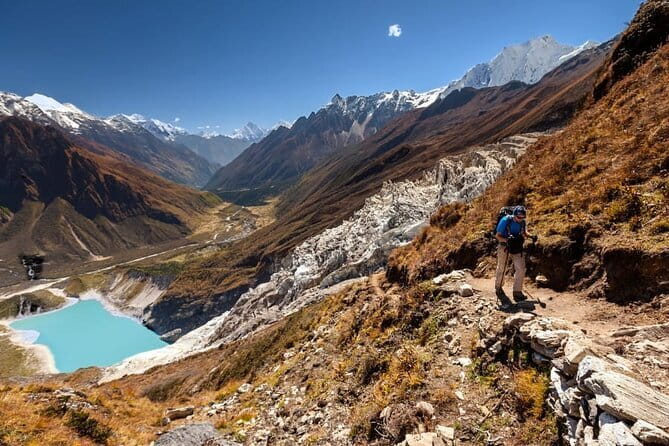
- Restricted Manaslu region access keeps the trail quieter than the big-name routes
- Cultural stops around Mani walls, monasteries, and Tibetan-influenced villages add weight to every day
- Larkya La (5,100 m) is the high point with glacier views and big pass-day effort
- Full-board meals (breakfast, lunch, dinner) remove a lot of day-to-day hassle
- English-speaking guide and first-aid kit help you stay safe and organized on the move
- Deluxe bus + shared jeep logistics mean less stress getting between Kathmandu and the trail
Price and what you really get for $1,390
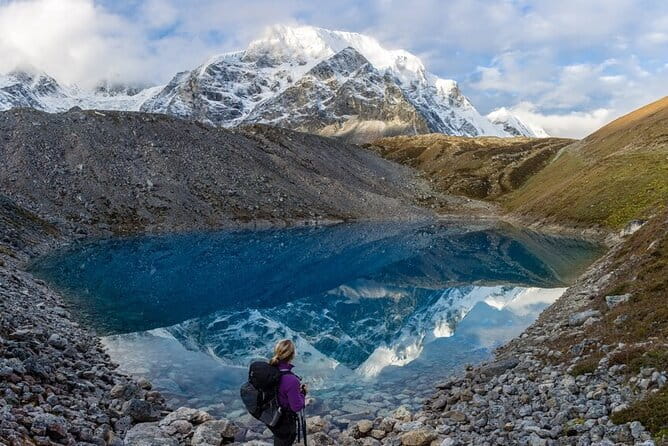
At $1,390 per person for about 12 days, you’re not paying just for walking. You’re paying for a packaged setup that covers many of the costs that can quietly add up on your own: required permits and government taxes, three full meals per trekking day, and the main overland transfers (Kathmandu to Sotikhola area, plus the return leg via Besisahar). You also get twin-sharing private rooms throughout the trek, which matters at the end of a long day when you just want a warm bed.
You should also factor in what isn’t included. You’ll still arrange a trek porter (the trek lists that a porter is required, but you can hire one from Kathmandu or at Sotikhola). Tips are also on you. Phone charging, laundry, mineral water, and hot water are personal costs too. If you can travel light and accept the porter plan, the price starts to look fair for what you’re getting: less logistics work, steadier pacing, and more energy for the trail itself.
If your goal is a quieter, culturally grounded Manaslu Circuit rather than a route built for speed, this package fits that style well.
You can also read our reviews of more tours and experiences in Kathmandu.
Where the adventure starts: Kathmandu pickup and a smoother first day
This trek begins back at the Kathmandu meeting point (P897+443, Kathmandu 44600, Nepal), and pickup is offered. That small detail matters because Kathmandu transfer stress is real. Having transportation lined up for the start of the trek helps you focus on the big picture: getting to the trailhead and settling your body for the first long walks.
Day 1 is all about the slow build. You drive from Kathmandu toward the Sotikhola/Maccha Khola area, passing rural villages and green hillsides. The route includes a vehicle change possibility in the early stage (from Soti Khola heading toward Maccha Khola). In practice, it’s one of those Nepal travel realities: plan for minor adjustments, and keep your things organized so you can hop between vehicles without hunting for gear.
Day 1 to Jagat: Maccha Khola river trekking and the hot-spring stop at Tatopani
The trek first follows the Budhi Gandaki River corridor, which is one of the reasons this circuit feels so steady and natural. On Day 2, after breakfast at Maccha Khola, you’ll hike along the river and pass through Tatopani, the natural hot spring area.
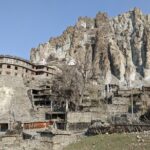
Even if you don’t stay long, this stop breaks up the first trekking days with something different. It’s a chance to warm tired legs and reset your rhythm before the trail starts tightening into a more remote feel. You then enter the restricted region and arrive at Jagat, where the trail’s story shifts toward stone houses and a more rural, local scale.
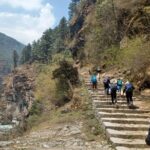
What to expect: you’ll be walking most of the day. You’ll also be learning the new tempo—less rushing, more steady breathing, and more time noticing details like prayer flags and the way villages stack along the valleys.
From Jagat to Deng and beyond: restricted-route villages (Salleri, Namrung, Shyala)
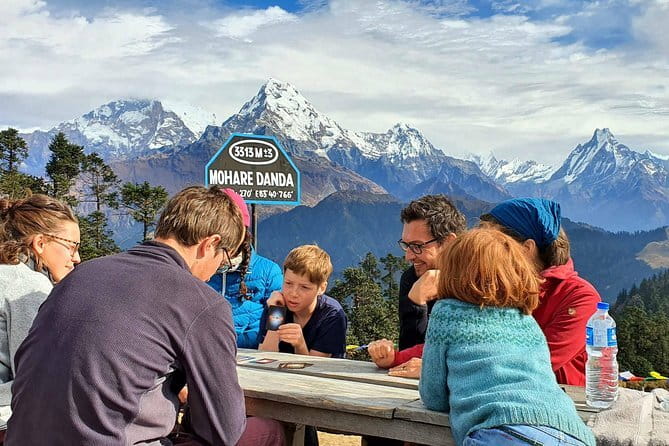
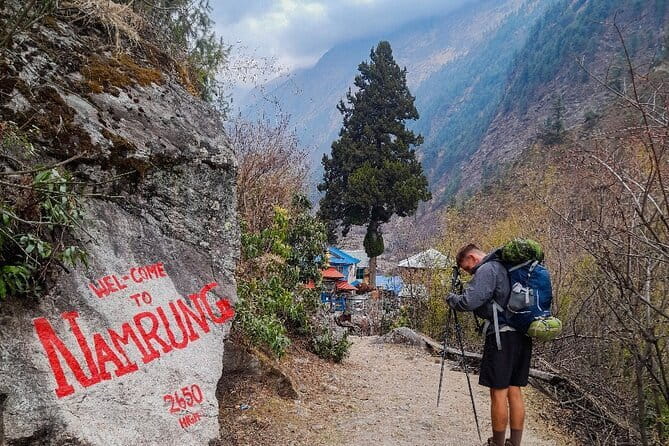
Days 3 through 5 build momentum through a sequence of settlements that feel intentionally spaced out. You trek from Jagat toward Salleri (Day 3), then head into the Namrung area (Day 4), and continue toward Shyala (Day 5).
A few details here make the trek feel more like a journey than a checklist:
- Namrung includes time around the Prok village area and Mani walls (stone prayer inscriptions). This is where you start seeing how Tibetan-influenced spirituality is woven into everyday walking life.
- Shyala is another marker of gaining altitude and remoteness. As you move upward, the days tend to feel more exposed and the air changes—less oxygen, more reason to take breaks seriously.
These village-to-village days are often the best part for people who like connecting with place. You’re not just climbing; you’re passing through communities that still live at human scale.
Samagaun day and Pungeyn Gumpa: the acclimatization rhythm
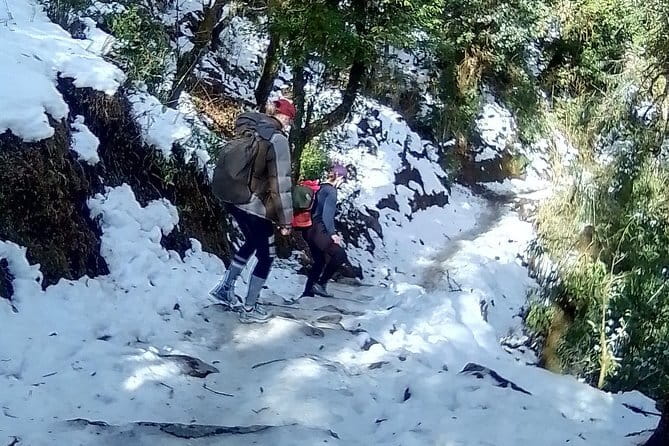
Day 6 moves you from Shyala to Samagaun, and includes a hike toward Pungeyn Gumpa. This is one of those “not just trekking” days where you get a change of pace—more walking than sitting, but with a sense of purpose beyond simply reaching the next lodge.
Then Day 7 is your acclimatization day. This matters because the circuit isn’t a gentle stroll. You’re heading toward a serious pass later, and your body needs adjustment time.
The optional hike on Day 7 includes Manaslu Base Camp and Birendra Lake. If you have the energy, this can be a good way to explore without pushing too hard in the full pass direction yet. If you don’t, you can still treat the day as real recovery: rest, drink fluids, eat well, and let your breathing normalize.
Practical advice: on acclimatization days, I’d rather see you walk slow than chase distance. A steady mind helps for the harder days that come next.
The pass-day setup: Larkya La countdown and the glacier views
Day 8 starts with a big transition. You head toward Larkya La Pass, descending to the Budhi Gandaki River, crossing a wooden bridge, and then seeing the Larkya glacier.
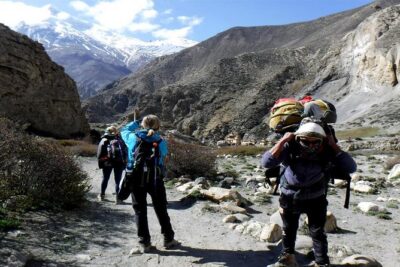
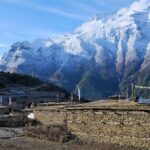
This is where the trek begins to feel like high-mountain country instead of valley trekking. Even before the pass, you’re shifting into colder air and stronger mountain presence. The bridge crossings, river tones, and open sky make the terrain feel more “real” in a way that’s hard to describe until you experience it.
Day 9 continues through a more intense pass corridor: you trek through icy streams, pass through Larke Bazaar, and ascend toward Dharmasala. Expect monasteries and Mani walls along the way, plus views of the Larkya Glacier. It’s a day that blends effort with constant visual reward.
Larkya La and the frozen lakes: the high point you plan for
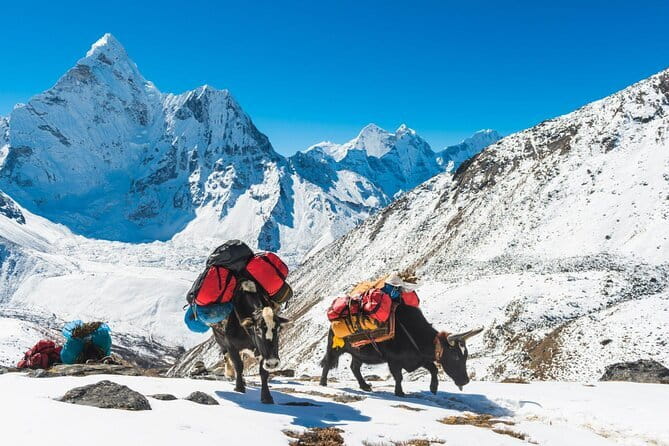
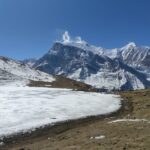
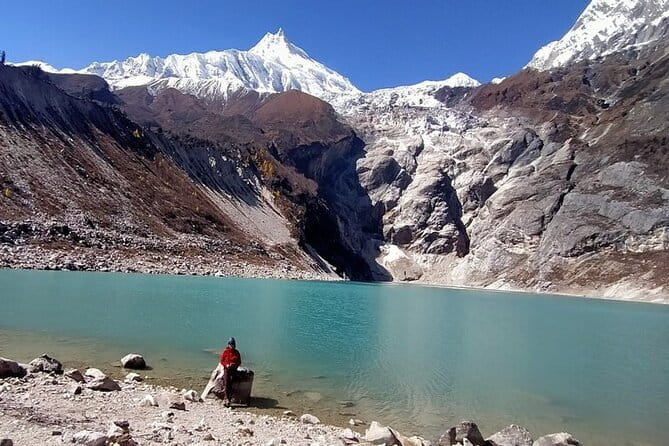
Day 10 is the hard anchor day. You trek through challenging terrain toward Larkya La Pass again (as the route describes), and the big promise is the view set: Cho Danda, Larkya Peak, and four frozen lakes.
This kind of description matters because it tells you what kind of day you’re buying. You’re not heading to a quick viewpoint. You’re climbing and moving through a cold zone where careful pacing is everything. If you’re the type who tries to power through the discomfort, this is where you need to slow down.
How to make it work: start early if your schedule allows, wear layers you can remove and re-add quickly, and don’t treat the summit as the only goal. Reaching the pass area is the milestone, but staying warm and steady is the real win.
Dharmasala to Dharapani: forests, Karche Village, and getting your legs back
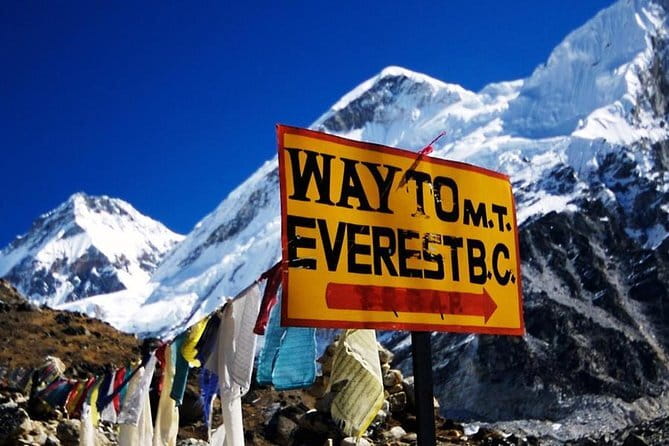
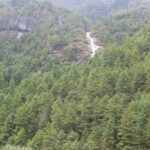
Day 11 brings a change in feel. You descend through lush green forests, cross Dudh Khola, pass through Karche Village, and reach Dharapani.
This is the emotional shift day. Pass days tighten everything—legs, lungs, attention. A forest descent gives your body a chance to cool down and reset. It’s also when you feel the payoff of getting through the hardest segment without rushing.
Day 12 is your release into easier motion. You take a jeep drive from Dharapani to Besisahar, then a longer drive from Besisahar back to Kathmandu (listed as about five hours). The total Day 12 time is listed around 8 hours, but the real takeaway is this: you’ll go from trekking rhythm to vehicle time, which can feel surprisingly good after the trek’s long walking stretches.
The cultural side: monasteries, prayer flags, and moments of dance
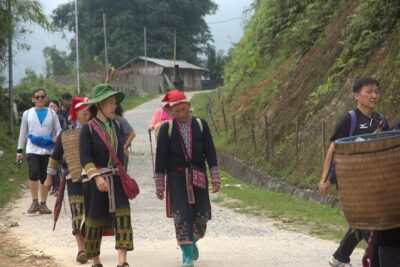
The title says Dancing for a reason, even though dance isn’t scheduled like a train arrival. This trek is built around cultural encounters: Tibetan-influenced villages, ancient monasteries, and the visual language of prayer flags and Mani walls.
In practical terms, that means you’re more likely to notice what you might otherwise step past. You’ll see how spirituality is part of village life, not just a stop for photos. And on some nights, the route includes the kind of local music and dance moments that turn the days from scenery into story.
If you enjoy learning from people—asking questions, listening, and letting your guide translate what you see—this is one of those treks that can feel personal in a good way.
Your guide and team: what the small details get you
This trek includes a government certified, fluently English speaking guide, plus a first aid kit, and a farewell dinner at the end. Those aren’t fancy extras; they affect how safe and calm the trek feels.
From the experience feedback patterns, guides such as Bijaya, Krishna, Lakpa, and Tenji show up as well-regarded names—people highlight care, responsiveness, and the ability to explain Nepal in plain language. Porters are also mentioned positively, including Nema and other team members, often for helping the trek feel smoother because you’re not juggling logistics and heavy loads alone.
One more subtle point: several groups talk about conversation and learning along the way. That can include small bits like learning basic Nepali or connecting with lodge families. You won’t get that by chasing it. You get it by sharing time.
Logistics on the trail: meals, rooms, and how to pack
You’ll have three full board meals during the trek (breakfast, lunch, dinner), plus breakfast and dinner at the ends of the listed days. That means you don’t have to treat every stop as a food scavenger mission. It also helps keep energy stable on long hiking days.
Twin-sharing private rooms are included. Even when the rooms are simple, having privacy and a place to dry out matters. First-aid support is also listed, which is reassuring when weather and altitude can change quickly.
Packing tip that fits this exact style of trekking: bring layers you can manage for cold pass conditions but also for warmer valley walking. Since you’ll be on the move for many hours, you’ll want clothes that dry fast and don’t turn wet into misery.
Who this trek is best for (and who should think twice)
Best fit:
- You want a quieter Manaslu experience with restricted-area access and village culture
- You’re comfortable with long trekking days (around 12 hours on several listed days)
- You’re motivated by high-altitude milestones like Larkya La (5,100 m)
Think twice if:
- You’re not ready for cold, long, and sometimes exposed pass terrain
- You’d rather do short hikes with frequent rest breaks
- You don’t want to coordinate a porter (since a porter is required for the trek, though you hire one)
If you’re a first-time Nepal trekker, this still can work well because the guide and structure reduce the “what do we do now?” stress. The key is to respect acclimatization and not treat the pass days like normal hikes.
Should you book Dancing in the Manaslu Circuit Trek?
I’d book it if you want a Manaslu Circuit that feels more human and less crowded. The mix of restricted access, strong cultural touchpoints (monasteries, Mani walls, prayer flags), and a real high-pass finish at Larkya La is exactly the kind of Himalayan trip that lasts in your memory.
I’d hesitate if you want an easier itinerary, short hiking days, or you dislike cold-weather walking and high-altitude planning. Also, if you dislike coordinating a porter, plan ahead or budget for it. This trek runs on teamwork, pace, and preparation.
If you’re reading this because you want the road less trampled and the days to mean something, this one makes a lot of sense.
FAQ
Is pickup offered for this trek?
Pickup is offered. The trek begins in Kathmandu at the meeting point listed as P897+443, Kathmandu 44600, Nepal.
What’s included in the price?
The price includes three full board meals during the trek (breakfast, lunch, dinner), required permits and government taxes, deluxe bus transfers for parts of the route, shared jeep transportation from Dharapani to Besisahar, a government certified English-speaking guide, twin-sharing private rooms, a first aid kit, and a farewell dinner.
Do I need a porter?
Yes. A porter is required for the trek. You can hire a porter either in Kathmandu or at Sotikhola.
How physically demanding is it?
It’s listed as requiring moderate physical fitness level. Expect long hiking days (several days are listed at about 12 hours) and a high pass segment including Larkya La at 5,100 m.
Where does the trek reach the highest point?
The trek route includes Larkya La Pass at 5,100 m, along with glacier views and high pass terrain around the Larke Pass area.
How do you get back to Kathmandu?
On the final trekking day you go by jeep from Dharapani to Besisahar, then drive from Besisahar to Kathmandu (about five hours). The experience ends back at the Kathmandu meeting point.