REVIEW · POKHARA
4 Day Mardi Himal Base Camp Trek from Pokhara
Book on Viator →Operated by CAN Travels · Bookable on Viator
Mardi Himal is a short trek with a big view. This 4-day route from Pokhara pairs group trekking structure with real time on trails through forests, villages, and alpine scenery. You’re also set up with paperwork, an experienced English-speaking guide, and official permits so you can focus on walking instead of paperwork.
What I like most is how the trip balances effort and reward: day 2 eases you in, then day 3 gets steeper for the Base Camp payoff. I also like the “it’s handled” feel—round-trip transfers, guest-house accommodation, and an emergency first aid kit come with the plan. One thing to consider is the trail has steep sections, so you’ll want a solid moderate fitness level and comfortable stamina for long uphill days.
In This Review
- Key Highlights You’ll Care About
- Why Mardi Himal in 4 Days Works So Well
- The Trek at a Glance: Hours, Effort, and Trail Mood
- Day 1: Kande to Forest Camp Through Villages and Mountain Forests
- Day 2: Forest Camp Toward Low Camp with Gradual Climbing and Big Views
- Day 3: The Steep Climb to Mardi Himal Base Camp (Where Panoramas Take Over)
- Day 4: Siding Village Descent Back to Pokhara Lakeside
- Guides, Permits, and the Real Value of the Included Extras
- Guest Houses and Food: What You Get vs. What You’ll Pay For
- Transfers From Pokhara and the 7:15 PM Start Detail
- Price and Logistics: Is $290 a Fair Deal?
- Who This Trek Best Fits (and Who Might Want Another Option)
- What to Watch For Before You Go
- Should You Book This 4-Day Mardi Himal Base Camp Trek?
- FAQ
- How long is the Mardi Himal Base Camp trek from Pokhara?
- What’s included in the tour price?
- Are meals included during the trek?
- What kind of transport is used between Pokhara and the trail?
- Is this trek private or shared with other people?
- What fitness level do I need?
Key Highlights You’ll Care About
- Smooth organization: transfers, permits, and entrance fees are handled for you.
- Guide-led clarity: experienced English-speaking guidance keeps the pace steady.
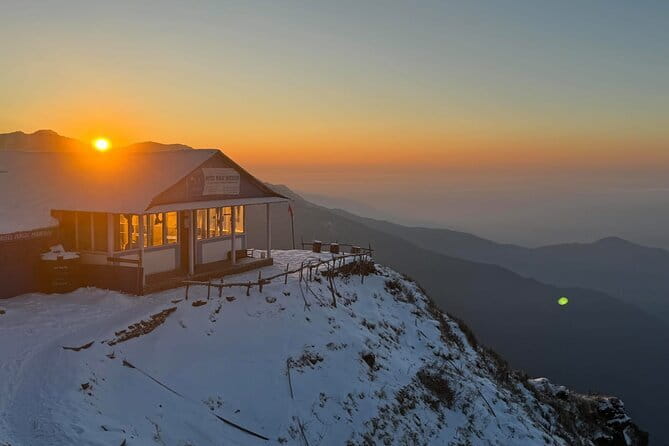
- Strong scenery arc: forest trails give way to mountain panoramas.
- Guest-house style lodging: tourist-standard stays during the trek.
- A realistic 4-day timeline: long but doable walking blocks, not a months-long ordeal.
Why Mardi Himal in 4 Days Works So Well
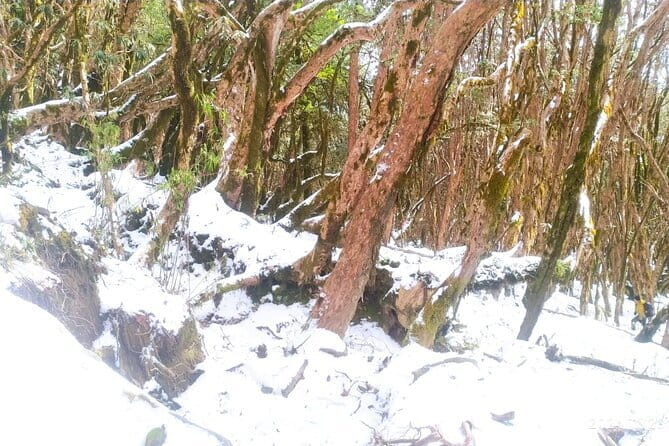
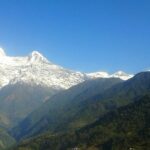
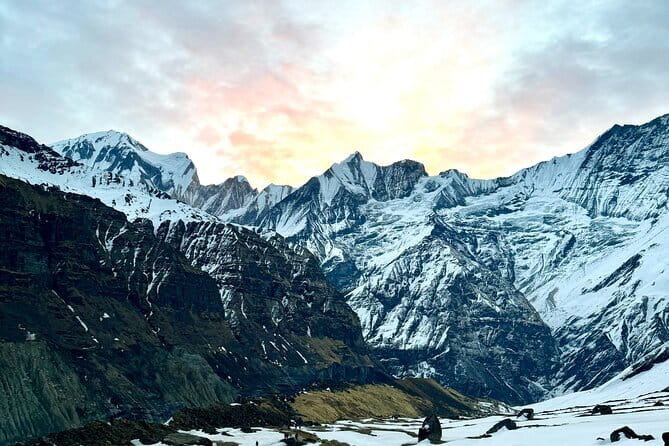
Mardi Himal is in the Annapurna region, and that matters because you get classic Himalayan variety without needing weeks. In a short time window, you’ll move from forested lower trails to higher alpine zones, with rhododendron forests and mountain views building as you go. Then you cash in on the big names in the panorama: Machhapuchhre, Annapurna, and Hiunchuli.
This kind of trek is perfect if you want a real mountain experience but you don’t want to turn your whole vacation into one long trek marathon. The itinerary is paced with clear walking blocks: some days are steep and effort-heavy, other days are more gradual so you can recover.
I also appreciate that the trip is set up as a private tour/activity for your group, with group discounts mentioned. That’s a practical combo: you get a guided experience without the chaos of mixing with random strangers.
You can also read our reviews of more tours and experiences in Pokhara.
The Trek at a Glance: Hours, Effort, and Trail Mood
The schedule is built around daily trekking ranges, and the “feel” of the trail changes by day.
- Day 1: around 5–6 hours of trekking. The trail is steep in places, starting from Kande and running through lush forests and villages before reaching Forest Camp.
- Day 2: about 6–7 hours. You’ll climb gradually with a relatively easier feel, and mountain views start to open up as you gain elevation.
- Day 3: about 8 hours total. This is the day that gets steeper and more challenging, finishing at Mardi Himal Base Camp after a climb that includes time from High Camp area onward.
- Day 4: about 5–6 hours trekking down to Siding Village, plus an additional 2–3 hour drive back to Pokhara.
If you like knowing what you’re signing up for, this layout is refreshingly straightforward. You should expect uphill work on multiple days, with day 3 being the toughest.
Day 1: Kande to Forest Camp Through Villages and Mountain Forests

You start with a drive from Pokhara to Kande that takes about an hour. Then the trek begins at Kande, and the early part is all about getting your legs moving while soaking in the lower-altitude scenery.
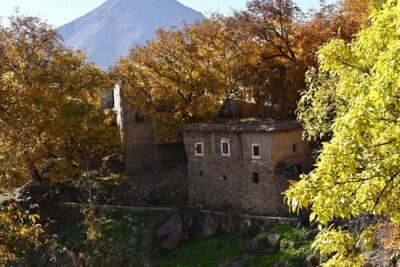
The trail goes through lush forests and villages, which gives you a nice mix: you’re not just climbing in a blank landscape. As you hike, you’ll get a feel for local life along the route, and it breaks up the day mentally. Expect steeper moments. The plan calls for about 5–6 hours to reach Forest Camp, so it’s a solid first day even if you’re not exhausted yet.
One practical tip: because the trail can be steep in sections, start day 1 slower than you think you need. A steady pace early helps you avoid “burning matches” before the higher days.
Day 2: Forest Camp Toward Low Camp with Gradual Climbing and Big Views
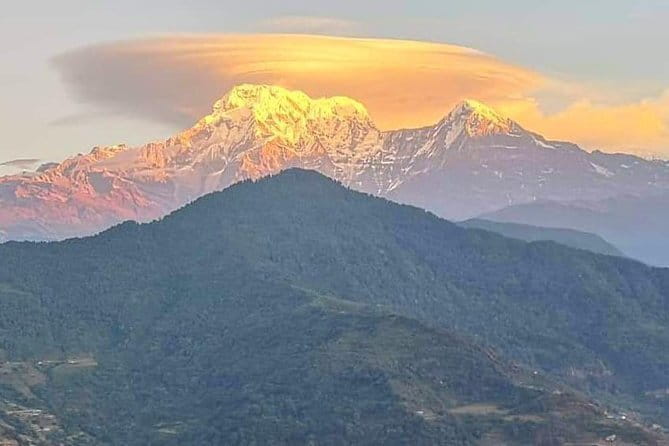
Day 2 is where the trek starts to “open up.” You begin with a gradual ascent through the forest. As you move higher, the mountains become more visible, and the views build in a way that feels rewarding rather than overwhelming.
The walk takes about 6–7 hours to reach Low Camp Guest House & Restaurant. The phrasing here matters: it’s relatively easy compared to what’s coming next. That makes day 2 a useful mental reset day. You’re still walking a lot, but you’re not being constantly punished by steepness.
Also, you’ll likely spend more time noticing the landscape shifts—forest to higher terrain—plus longer looks at peaks like Machhapuchhre and the Annapurna range in the distance. The best part is that you’re getting mountain payoff before day 3 turns serious.
Day 3: The Steep Climb to Mardi Himal Base Camp (Where Panoramas Take Over)
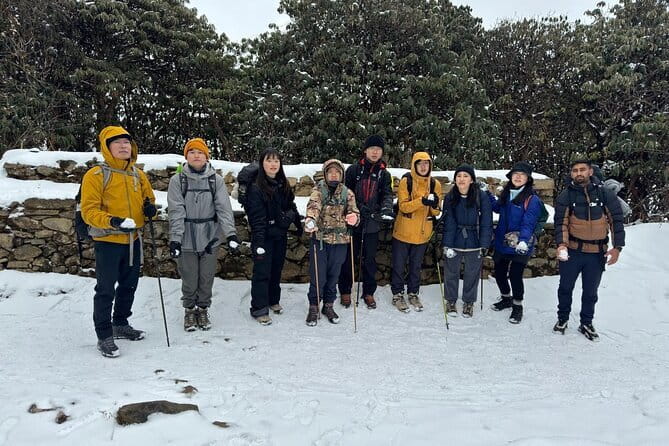
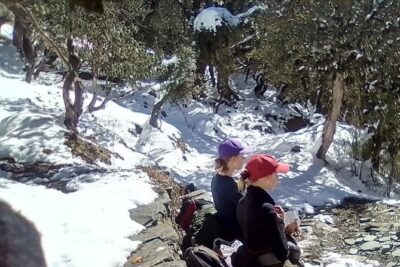
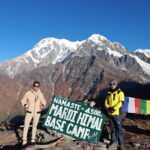
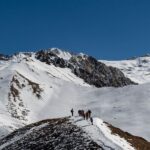
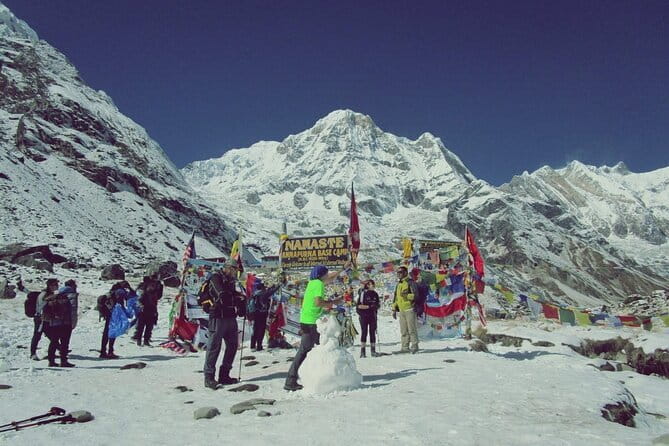
This is the day you’ll remember most: the trail becomes steeper and more challenging as you climb higher. The itinerary calls for about 8 hours total, and within that you’ll reach the High Camp area, then continue toward Mardi Himal Base Camp.
You’re also promised panoramic views of the mountains and the valley below. That kind of payoff is exactly why people do this trek in the first place—when the walking finally stops feeling like work and starts feeling like access.
A smart way to handle day 3 is to treat it like intervals. Don’t sprint any part of the climb. Instead, keep your breathing controlled, take short breaks when needed, and save your energy for the final push toward the base camp area.
This is also the day where a good guide earns their salary. Having an experienced English-speaking guide means you get pace guidance and trail judgment, not just directions.
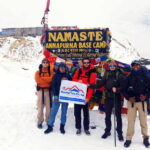
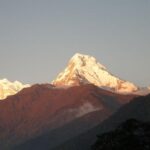
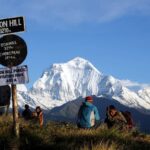
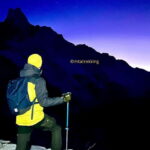
Day 4: Siding Village Descent Back to Pokhara Lakeside
Day 4 is a classic end-of-trek rhythm: you descend through forests and villages, then you transition from foot travel back to road travel.
The trekking portion takes about 5–6 hours to reach Siding Village. After that, you’ll drive another 2–3 hours back to Pokhara. The plan also lists Pokhara Lakeside as a stop—so you end the trek with a proper return to town life, not a random roadside drop.
This day is all about relief and reflection. Going downhill is faster, but it can still be tough on knees and ankles. Take shorter steps and stay mindful on uneven ground.
If you’re the type who likes a clean finish, this structure helps. You finish the trek, then you get back to Pokhara at a reasonable time to eat, shower, and actually enjoy your vacation instead of collapsing in silence.
Guides, Permits, and the Real Value of the Included Extras
This trip includes trekking permits and official documents, plus all entrance fees. It also includes an experienced English-speaking trekking guide and a normal emergency first aid kit with the guide. On paper, that sounds administrative. On the trail, it means you spend less time worrying and more time walking.
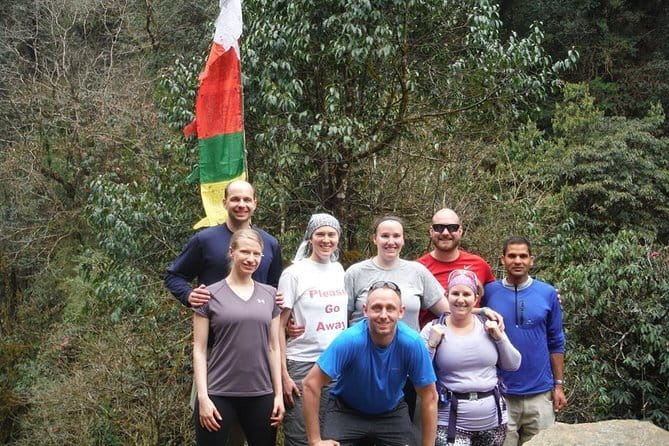
The guide part is a major reason this trek gets high praise. Names that come up in feedback include Krishna Adhikari, Krishna, Biru, and Birendra. People highlight guides as friendly, helpful, attentive, and knowledgeable about the himalay and local context. That’s exactly what you want in the Annapurna region—someone who understands the route, can read conditions, and keeps you moving safely.
Even if you’re comfortable with trekking logistics, I still think a guide-led plan is worth it here because you’re dealing with multiple days, changing terrain, and the stress of altitude acclimatization basics. You don’t need drama. You need a steady hand.
Guest Houses and Food: What You Get vs. What You’ll Pay For
You’ll have accommodation in tourist standard guest houses during the trek. That’s a practical choice for a short trek: you’re not paying for luxury, but you’re not improvising either. In feedback, the quality of the lodging is often described positively, with people calling it the best available.
Food and drinks are not included, but they are available for purchase. In other words: tea houses and guest-house meals exist along the way, but you’ll need to budget for them. The good news is that tea house trekking is part of Nepal’s trekking culture, so you’re not walking in a place where you have zero options for meals.
My advice: don’t assume you’ll eat exactly what you want every day. Trekking food is simple by design. Bring snacks you trust, and treat meals as fuel, not a gourmet tasting menu.
Transfers From Pokhara and the 7:15 PM Start Detail
The itinerary includes round trip transfers by shared bus or jeep, depending on what fits the plan. The tour also lists hotel pick up and drop off, which matters because Pokhara logistics can eat time if you’re doing it alone.
One odd detail you should pay attention to: the meeting point start time is listed as 7:15 pm. That doesn’t automatically mean you hike at night, but it does tell you you’ll likely be picked up in the evening for travel planning tied to day 1. Make sure your confirmation clarifies exactly when you depart and when you’ll start walking.
If you prefer early starts, ask the operator what the evening meeting leads to. You’re not trying to micromanage. You’re trying to avoid a surprise.
Price and Logistics: Is $290 a Fair Deal?
At $290 per person, this trek price is interesting because it bundles the big “hard to DIY” costs. You get permits, official documents, entrance fees, an experienced English-speaking guide, emergency first aid kit support, guest-house accommodation, and hotel pick up and drop off plus round-trip transfers.
The parts not included are also the obvious ones: food and drinks, plus gratuities. Those can add up, but they’re variable anyway. Many travelers prefer the freedom to choose meals day by day and snack as needed.
Also note two practical pricing levers:
- It’s described as a private tour/activity, so your group doesn’t share the experience with other random trekkers.
- Group discounts are mentioned, which can lower the per-person cost if you’re traveling as a group.
If you’re cost-conscious, check what your group size is and ask how the group discount applies. If you’re time-conscious and want less stress, the included transfers and paperwork alone make the price feel more reasonable.
Who This Trek Best Fits (and Who Might Want Another Option)
This trek suits people with moderate physical fitness. You’ll walk multiple long days, and day 3 turns steeper and more demanding. That means you should be comfortable with sustained uphill and basic trekking footwear stamina.
You’ll probably love this route if you:
- want a short trek that still feels like a real Himalayan hike
- like tea-house trekking where meals and breaks happen naturally along the way
- want mountain views without committing to a long trek
You might think twice if you:
- get discouraged by steep sections (day 1 and especially day 3)
- expect a mostly flat walking experience
- want full board (meals and drinks aren’t included)
What to Watch For Before You Go
Since the itinerary involves steep climbing and long walking days, your biggest factor is pacing. Start steady, avoid racing the first hour of each uphill day, and plan breaks when you need them.
Also, treat the day lengths as real trekking time. Even though these trips look “only” 4 days, you’ll still be active enough that you should pack smart and rest well on days before day 1.
Finally, make sure you’re clear on what your guide provides and what you handle personally. This tour is guide-led and organized, but you’ll still be responsible for things like hydration, snacks, and meal purchases.
Should You Book This 4-Day Mardi Himal Base Camp Trek?
I’d book this trek if you want a short, structured hike with big mountain views and minimal logistical headaches. The included permits, guide, guest-house nights, entrance fees, and transfers remove the biggest “DIY pain points.” And the repeated praise for guides like Krishna Adhikari, Biru, and Birendra tells me the human side of the trip is taken seriously.
I’d hesitate if you’re not comfortable with steep climbing or if you want meals fully included. Also, double-check the 7:15 pm start detail so you understand how it connects to day 1 trekking.
If you want a doable Himalayan trek with a clear route, a real guide, and a practical timeline, this one makes sense.
FAQ
How long is the Mardi Himal Base Camp trek from Pokhara?
The trek runs for about 4 days.
What’s included in the tour price?
It includes trekking permits and official documents, an experienced English-speaking trekking guide, round trip transfers by shared bus or jeep, tourist standard guest-house accommodation during the trek, hotel pick up and drop off, and an emergency normal first aid kit with the guide. Entrance fees are also included.
Are meals included during the trek?
Food and drinks are not included, but they are available for purchase along the way.
What kind of transport is used between Pokhara and the trail?
Round trip transfers are provided by shared bus or jeep, following the itinerary, with hotel pick up and drop off in Pokhara.
Is this trek private or shared with other people?
It’s described as a private tour/activity, so only your group participates.
What fitness level do I need?
The trip notes moderate physical fitness is recommended, since some trail sections are steep and the trekking days are long.