REVIEW · KATHMANDU
Everest Base Camp Luxury Lodge Trek
Book on Viator →Operated by Peregrine Treks and Tours · Bookable on Viator
Everest Base Camp with a softer edge? Yes. This trek pairs the big-name Everest sights—Mt. Everest, Lhotse, Cho Oyu, Makalu—with comfortable lodge stays and real logistics help, plus a strong culture buffer in Kathmandu before the trail starts. What I love most is the combination of luxury lodge comfort on the trek with a guide-led plan that gets you acclimatizing at the right spots. Another big win is the built-in Kathmandu UNESCO day (Pashupatinath, Boudhanath, and more) so you’re not just flying in and sprinting straight to mountains. One consideration: the trek is still a serious high-altitude walk, so you’ll want to respect the pace and altitude days even with the comforts.
You’ll also appreciate the way the trip handles the most stressful part of Everest travel: getting to Lukla and setting permits up in advance. On the trek side, the schedule includes acclimatization days in places like Namche Bazaar and ridge hikes near Dingboche, plus sunrise time for Kalapatthar. Still, one drawback is cost and what’s not included—your base price is high, and you’ll also need to budget for your visa, tips, and travel insurance (including emergency evacuation), plus personal expenses on the trail.
In This Review
- Key highlights worth caring about
- Why this Everest Base Camp luxury plan feels different
- Kathmandu setup: UNESCO day, permits handled, and a real warm-up
- Lukla to Phakding: first altitude taste with a big view payoff
- Namche Bazaar: acclimatization that doesn’t feel like punishment
- Tengboche to Dingboche: monasteries and rhododendron country
- Lobuche and Thukla Pass: when the trek turns serious
- Gorakshep to Base Camp: the classic Everest moment with glacier context
- Kalapathar sunrise and the descent loop that keeps things sane
- Comfort, food, and porter support that make luxury actually work
- Price and logistics: what you’re paying for
- Who should book this Everest Base Camp luxury trek
- Should you book it
- FAQ
- Is airport pickup and drop-off included?
- Are permits and TIMS included?
- What flights are included for the trek?
- Can I use a helicopter instead of flights to Lukla?
- What guide and porter support is included?
- How many nights of hotel stay are included in Kathmandu?
- What meals are included during the trek?
- Is travel insurance included?
- Do I need a Nepal entry visa?
- What is the highest altitude mentioned in the itinerary?
Key highlights worth caring about
- Kathmandu first, UNESCO first: Durbar Square, Pashupatinath, Swayambhunath, and Boudhanath help you land with context, not jet lag.
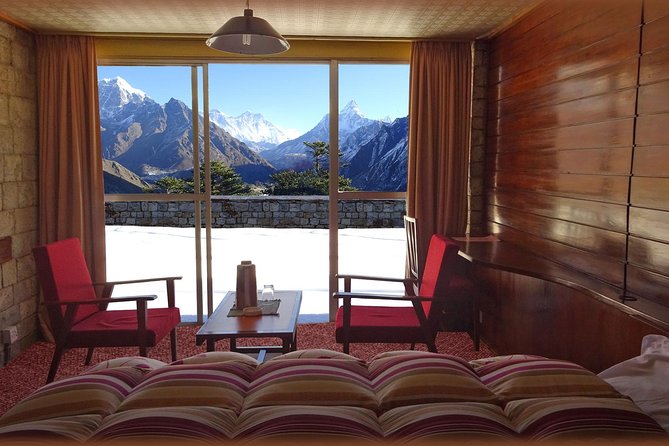
- Luxury lodge positioning: Upscale stays in Kathmandu and “best available” lodges while trekking keep the hard days from feeling even harder.
- Acclimatization built in: Namche Bazaar and a second high-altitude adjustment day near Dingboche.
- Proper support system: An experienced English-speaking guide and a 2:1 porter ratio reduce the load you carry.
- Everest Base Camp + Khumbu Icefall views: You’re hiking to the classic spots, not just watching from a shortcut.
Why this Everest Base Camp luxury plan feels different
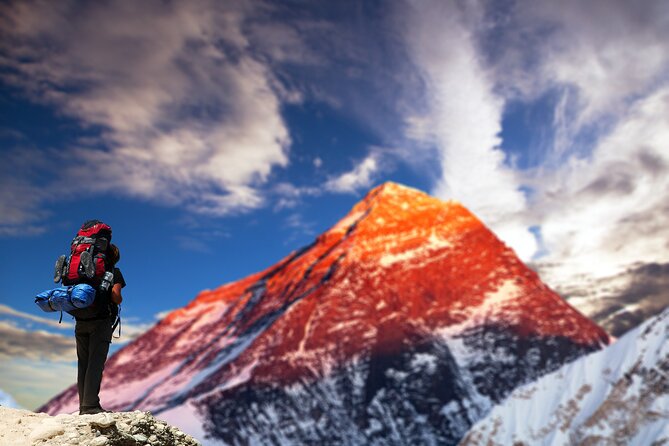
Everest Base Camp is famous for its bucket-list drama: big climbs, cold mornings, and long days on thin air. This version adds something practical—comfort without pretending altitude isn’t altitude. You get a more organized start in Kathmandu, clearer day-by-day pacing, and lodge standards that aim to keep you warm, fed, and rested.
The “luxury” part isn’t just the hotel name. It shows up in how the trip is structured. Your arrival day is about paperwork and prep, your second day is guided culture time, and your trekking days include recovery and acclimatization stops rather than pushing straight upward every day. That matters because Everest is less about heroics and more about staying functional.
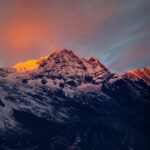
You’ll also get classic Everest region rewards: the Khumbu trails, Sherpa villages, monasteries like Tengboche, and the Everest panorama you came for—first in pieces on the way up, then all at once around Base Camp and Kalapathar.
You can also read our reviews of more tours and experiences in Kathmandu.
Kathmandu setup: UNESCO day, permits handled, and a real warm-up
Your trip starts in Kathmandu with arrival support. On day 1, your team meets you at the airport, escorts you to your hotel, and helps with documents, permits, and trek tickets. That’s a big deal on Everest itineraries, where the “small admin items” can become huge stress.
Later you get a welcome dinner and an intro to your guide. This pre-trek overview helps you understand the rhythm of the trip—what comes next, how to pack, and how to handle the early-altitude days.
Day 2 is a guided loop through major UNESCO-listed sites:
- Bhaktapur Durbar Square: palace courtyards, temples, stonework, and the Palace of 55 Windows. If you like craftsmanship, this one hits.
- Pashupatinath Temple: a Hindu pilgrimage complex on the Bagmati River. The main temple area is off-limits to non-Hindus, but you can still view the compound and its carved architecture from the accessible zones.
- Boudhanath Stupa: one of the largest Buddhist stupas in the world, with prayer flags and a Tibetan Buddhism hub feel.
You also get a late afternoon group discussion and trek preparations. This is the part that makes the mountain days feel calmer: your logistics are done before you ever step into the Khumbu.
Lukla to Phakding: first altitude taste with a big view payoff
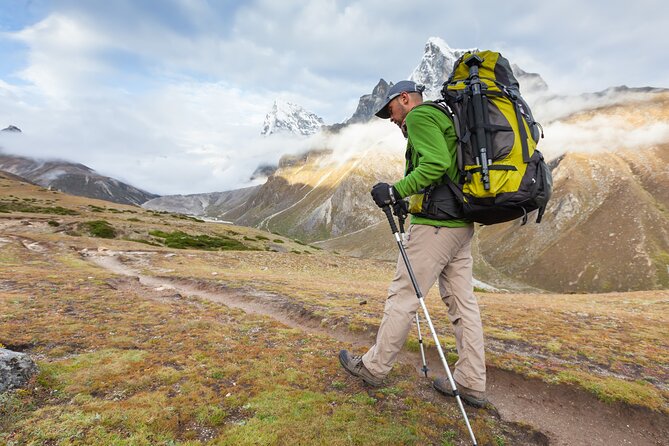
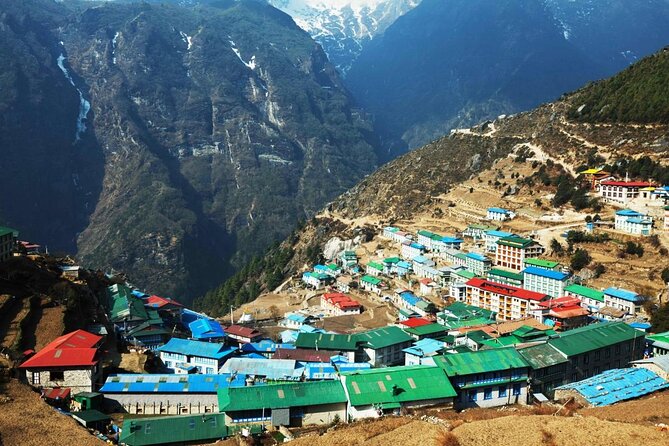
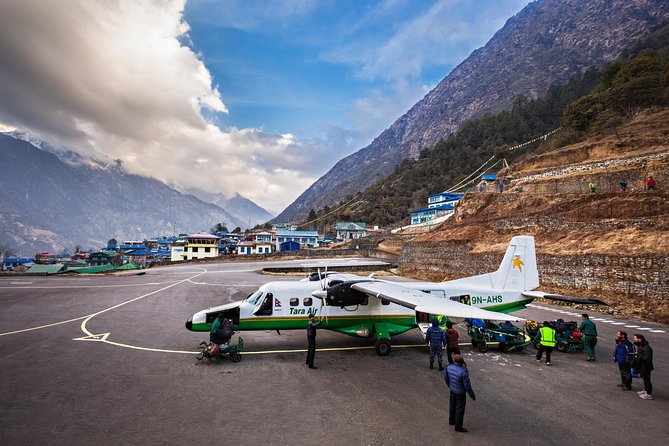
Day 3 is when the adventure actually begins. You take an early flight to Lukla, then trek toward Dudhkoshi Ghat, passing through Chaurikharkha village before reaching Phakding (2,652m/8,300ft).
This first trekking day is about getting your legs moving and letting the mountains announce themselves. You get a first serious sighting of Mt. Khumbila, described as sacred and famously still unconquered. It’s a nice way to shift from city sights to Himalayan meaning.
The trek lands you at Sherpa Shangrila Resort or a similar upscale hotel for the night. That matters because luxury here isn’t just comfort—it’s time. A good night’s sleep helps when you’re heading into Namche and the next acclimatization step.
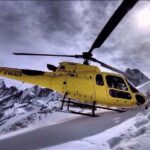
One more logistics note you’ll want to know: during peak seasons (April, May, October, November), flights to Lukla depart from Ramechhap, about a 5-hour drive from Kathmandu. Helicopter service is offered as an extra USD 300.
Namche Bazaar: acclimatization that doesn’t feel like punishment
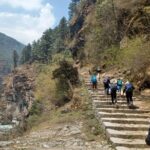
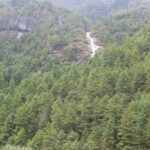
Day 4 starts the climb toward Namche Bazaar. The trail runs through pine forest and along the Dudh Koshi River, and you cross the Hillary Suspension Bridge. The bridge is one of those classic moments where your body is working and your eyes keep stealing the view.
You’ll likely enter Sagarmatha National Park, and the plan even mentions the chance of spotting wildlife like red panda and Himalayan bear (rare, but possible). The climb into Namche is steep—this is where you should keep breathing steady and pace smooth. Your overnight is at Namche Hotel or a similar hotel.
Day 5 is your acclimatization buffer. Instead of stacking more altitude stress, you get short hikes and flexibility:
- A relaxed sunrise stroll option for views over Everest, Lhotse, Ama Dablam, and Thamserku.
- An option to hike to Khumjung village, with the Edmund Hillary School and a monastery rumored to house a yeti scalp.
This is one of the smartest parts of the schedule. You’re staying in Namche while gaining altitude awareness—without forcing another big push. That reduces the odds of “we climbed too fast” problems later.
Tengboche to Dingboche: monasteries and rhododendron country
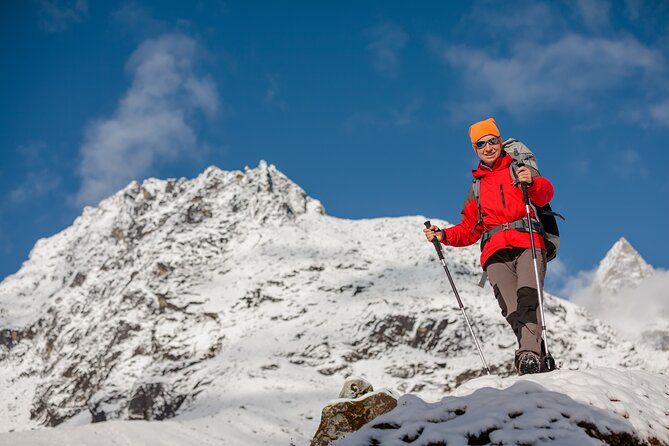
Day 6 heads uphill toward Tengboche Monastery, described as the largest in the Everest region. It typically opens at 3:00 PM, so the trip aims to arrive on time. That’s a small scheduling detail that can make the difference between a quick stop and a proper visit.
Tengboche brings wide views of peaks like Ama Dablam, Thamserku, and Khumbila. You’ll stay at Rivendell Lodge.
Day 7 moves to Dingboche (4,360m/14,300ft). The route goes through alpine forest and rhododendron scenery (Nepal’s national flower), plus Sherpa villages like Debuche and Pangboche. You also get a short visit to Pangboche Monastery, noted as one of the region’s older monasteries.
Once you reach Dingboche, you’ll notice the farming character of the area—barley, potatoes, buckwheat fields, and grazing animals. This is also where the altitude starts to feel real. Your overnight is at Good Luck Hotel.
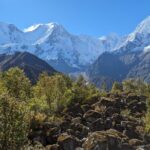
Day 8 gives you a true acclimatization day. You hike up to a ridge behind Dingboche for panoramic views of Lhotse, Makalu, Cho Oyu, plus surrounding peaks. Then you return to Dingboche for rest. This pattern—go up, then come down—helps your body adapt without you paying for every view with exhaustion.
Lobuche and Thukla Pass: when the trek turns serious
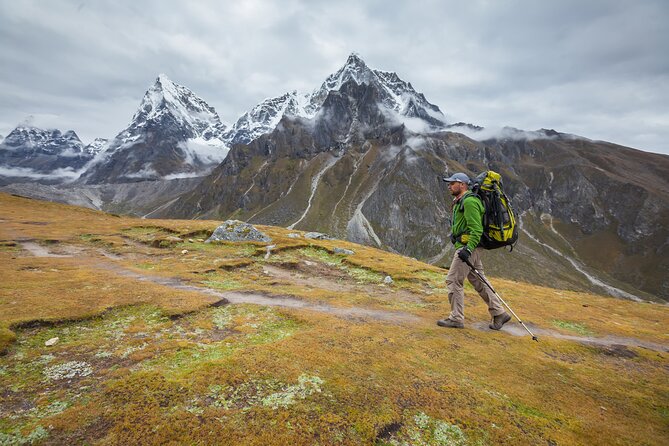
Day 9 brings another step up in difficulty. The plan starts with a gradual ascent toward Pheriche valley, passing alpine vegetation and viewpoints toward Tawoche and Cholotse. After about two hours you reach Thukla for lunch, then you climb to the Thukla pass.
This day includes an emotional moment built into the route: memorial stupas honoring climbers and trekkers who lost their lives pursuing Everest. It’s brief, but it changes how you think about the distance you’re covering—less like a hike badge, more like a human story.
You arrive at Lobuche for the night at New EBC Lodge or a similar option. Expect long hours, cold air, and the need to keep your effort steady.
Gorakshep to Base Camp: the classic Everest moment with glacier context
Day 10 is a major milestone: Everest Base Camp. You move from Lobuche to Gorakshep first. The plan includes dropping backpacks, switching to day-hike packs, and then slowly ascending toward Base Camp.
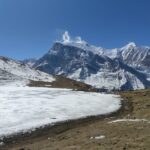
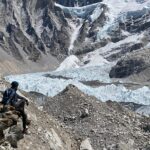
On the way, you pass the top of the Khumbu Glacier and catch your first glimpse of the Khumbu Icefall. That’s the kind of scenery that makes “Everest” feel less like a word and more like a whole system—ice, rock, wind, and risk.
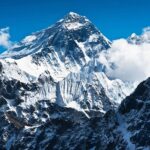
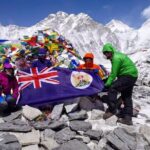
Your arrival point is described as the foot of Mt. Everest at 5,364m. This is not an easy stroll. The key is pacing. The plan explicitly warns about Acute Mountain Sickness if altitude gain is too rapid, so you’ll want to move like a pro: slow, controlled, and never trying to “make up time” by rushing.
Meals are included along the way as part of the trek plan, and the value here is that your logistics are handled. You’re not trying to negotiate what to eat and where while your body is adjusting.
Kalapathar sunrise and the descent loop that keeps things sane
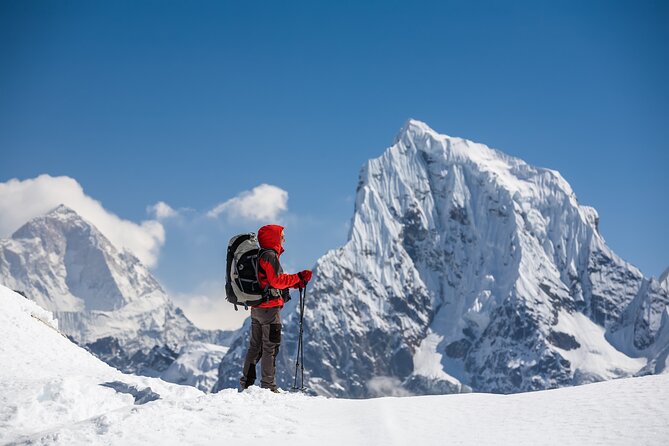
Day 11 centers on Kalapathar. You wake early for sunrise at the viewpoint, then hike a moderately steep trail at a comfortable pace. After the sunrise, you head back to Gorakshep for lunch and then descend to Pheriche for the night.
This setup matters because sunrise days are where trekking can become stressful. By building in the sequence—viewpoint first, then lunch, then descent—you protect your energy for the harder part: getting down safely.
Day 12 continues the descent. You go from Pheriche back to Namche Bazaar, crossing the Dudh Koshi River again and walking through forests of rhododendron, juniper, and pine. You might spot wildlife like mountain goats and pheasants. You spend the night in Namche, with the trip giving Khumbu Lodge as an overnight option.
Day 13 returns to Lukla along the familiar path through Sherpa villages and monasteries. The plan includes a small celebration night in Lukla after completing Everest Base Camp.
Day 14 shifts to Kathmandu with an early flight from Lukla. Once you land, you get the rest of the day to explore Kathmandu at your own pace, and your guide is available for help with short trips or shopping. Then you share a farewell dinner.
Day 15 is departure day. Staff check your flight details and accompany you to Tribhuvan International Airport.
Comfort, food, and porter support that make luxury actually work
Luxury trekking only works when the “heavy stuff” is handled. Here, you’ll have an experienced guide and a 2:1 porter ratio, meaning porters carry a bigger share of your load while you focus on walking and acclimatizing.
The included trek bag/duffel items, like the t-shirt, achievement certificate, and trekking map, are small but meaningful at the end. They help you remember the journey beyond photos.
Meals are set up so you’re eating something every day. The trip includes breakfasts and dinners and mentions lunch options during the trek, with meals in a standard restaurant as per your choice. You’ll still want to choose wisely for stomach comfort when you’re at higher altitude, but the structure helps.
Your “luxury” lodges and upscale Kathmandu hotels also matter for recovery. Being able to warm up, shower when possible (not included as a guarantee—hot water and hot showers aren’t in the price), and rest well can be the difference between feeling wiped out and feeling ready for the next day.
Price and logistics: what you’re paying for
At $3,840 per person for a roughly 15-day trip, this is not a budget Everest plan. The value sits in the combination of:
- Airport transfers and air-conditioned private vehicles in Kathmandu and around the route.
- 3 nights in The Everest Hotel (plus “best available” lodges during trekking).
- Kathmandu UNESCO day tour plus pre-trek document and permit handling.
- Guide and porter support with an explicit 2:1 porter ratio.
- Round-trip flights between Ramechhap and Lukla (as described), which is one of the biggest variables on Everest itineraries.
The price is also high because Everest is high stakes. The trek requires permits, planning, and staff support. Your plan includes permits and TIMS, plus guide/porter salaries and insurance coverage for staff needs as part of operational planning.
What’s not included is important. You’ll still pay:
- Nepal entry visa fee (visa on arrival at the airport).
- International flights/airport tax.
- City tour entry fees and sightseeing entry fees (some are included in the Kathmandu itinerary items, but not all general sightseeing costs).
- Travel insurance (essential, with emergency evacuation coverage while trekking up to 5500+ meters).
- Tips for staff and driver.
- Personal expenses like charging, laundry, drinks, and other day-to-day choices.
If you’re weighing value, also consider the “control factor.” In real life, Everest logistics are where plans can go sideways. Having your documents, permits, and flights packaged in advance reduces the amount of problem-solving you need to do yourself.
Who should book this Everest Base Camp luxury trek
This trek fits best if you want:
- The Everest sights, but with comfort-focused lodging and a support structure.
- A plan that takes acclimatization seriously (Namche and Dingboche adjustment days, then Kalapathar timing).
- A guided culture start in Kathmandu that’s more than airport-to-hotel.
It also works for mixed-age groups because the itinerary includes days that are not all about gaining altitude every time. Reviews reflect groups with an average age around 55, plus options where some people did the full trek and some did a shortened version.
You should think twice if you hate cold, long days, or if you’re not comfortable with altitude. Even with lodge comfort, this is still a high-elevation walking route with real risk.
Should you book it
I’d book this if you want Everest Base Camp and Kalapathar as a well-run, comfort-based expedition, with Kathmandu handled properly before the trail starts. The combination of luxury lodges, guide support, and acclimatization structure makes it feel like a trip built for actually finishing—without turning the whole experience into logistics chaos.
I’d hold off if your budget is tight or if you’re not willing to take travel insurance seriously. Also plan your expectations: luxury helps, but it doesn’t change the fact that you’re hiking at altitude.
FAQ
Is airport pickup and drop-off included?
Yes. The trip includes airport pickups and drops in a fully air-conditioned private vehicle.
Are permits and TIMS included?
Yes. Necessary permits and TIMS are included.
What flights are included for the trek?
The plan includes flights between Kathmandu (Ramechhap) and Lukla, and back again to (Ramechhap) as part of the itinerary.
Can I use a helicopter instead of flights to Lukla?
Helicopter services are offered as an additional USD 300.
What guide and porter support is included?
An experienced English or other language speaking guide is included, plus porters with a 2:1 porter ratio.
How many nights of hotel stay are included in Kathmandu?
You get 3 nights accommodation in The Everest Hotel.
What meals are included during the trek?
Breakfast, lunch, and dinner are included as part of the trek meals in standard restaurants as per your choice.
Is travel insurance included?
No. Travel insurance is not included, and it is described as essential, including emergency evacuation coverage while trekking up to 5500+ meters.
Do I need a Nepal entry visa?
Nepal entry visa fee is not included. You can get your Nepal visa upon arrival at the airport.
What is the highest altitude mentioned in the itinerary?
The itinerary mentions Everest Base Camp at the foot of Mt. Everest at 5,364m.