REVIEW · KATHMANDU
Everest Base Camp Trek from Kathmandu 12 Days
Book on Viator →Operated by My Dream Adventure (MDA) · Bookable on Viator
Everest Base Camp is the kind of trip you talk about for years. This one starts in Kathmandu, flies you to Lukla, then guides you through Sherpa villages and Buddhist monasteries toward Everest-region views and the classic Base Camp and Kala Patthar moments.
I love how the route mixes big-sky mountain drama with real people and daily village life in places like Namche Bazaar, Tengboche, and Dingboche. I also like that your time is supported by an English-speaking guide with deep trail know-how, including Sherpa guides who help you stay on track.
The main consideration is that this trek asks for strong physical fitness, and you’ll also want to budget for personal expenses since those aren’t included.
In This Review
- Key highlights you’ll feel on the trail
- Why Everest Base Camp looks different when you’re walking toward it
- Price and Logistics: what $1,350 really buys
- Kathmandu prep: permits, photos, and the flight-to-Lukla reality
- Day 1 to 2: Lukla and Phakding, then Namche Bazaar’s altitude wake-up call
- Lukla to Phakding (short first day)
- Phakding to Namche Bazaar (the big altitude step)
- Day 3: Namche Bazaar rest day with smart options
- Day 4: Tengboche and the monastery-view payoff
- Day 5 and 6: Dingboche, oldest monastery stops, and another acclimatization pause
- Tengboche to Dingboche (around 7 hours)
- Dingboche rest day (around 5 hours available)
- Day 7 to 8: Lobuche, Gorakshep, and the glacier-side approach to Base Camp
- Dingboche to Lobuche (around 7 hours, and it feels it)
- Lobuche to Gorakshep, then Everest Base Camp and back (high point day)
- Day 9: Kala Patthar at the right time, then down to Pheriche
- Day 10 to 12: returning through Namche and the final Lukla flight home
- Pheriche to Namche Bazaar (about 6 hours)
- Namche Bazaar to Phakding and then Lukla (steep and careful)
- Lukla to Kathmandu, then Thamel
- The guide team: how English support and real care affect your experience
- Who this trek is best for, and who should think twice
- Should you book this Everest Base Camp trek from Kathmandu?
- FAQ
- How long is the Everest Base Camp trek from Kathmandu?
- How do we travel from Kathmandu to the Everest region?
- Are round-trip flights included?
- What permits are included?
- Will I have an English-speaking guide?
- Where will we stay during the trek?
- Is hotel pickup and drop-off included?
- What’s not included in the price?
- What fitness level do I need?
- Can I cancel for a full refund?
Key highlights you’ll feel on the trail
- Iconic Himalayan sightlines: Everest (8,848m) plus Lhotse (8,516m), Nuptse (7,861m), Makalu (8,485m), and more
- Sherpa culture, not just scenery: Namche Bazaar, Tengboche monastery, Dingboche villages, monastery visits
- Guides that keep the plan realistic: English-speaking support plus a first aid kit included with the guide
- Guesthouse trekking style: practical overnight stays in lodges/guesthouses along the route
- Two-viewer hits: Base Camp itself, then the early push to Kala Patthar
Why Everest Base Camp looks different when you’re walking toward it
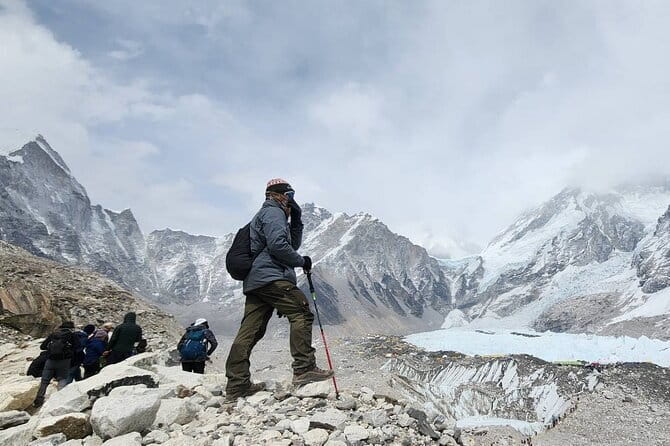
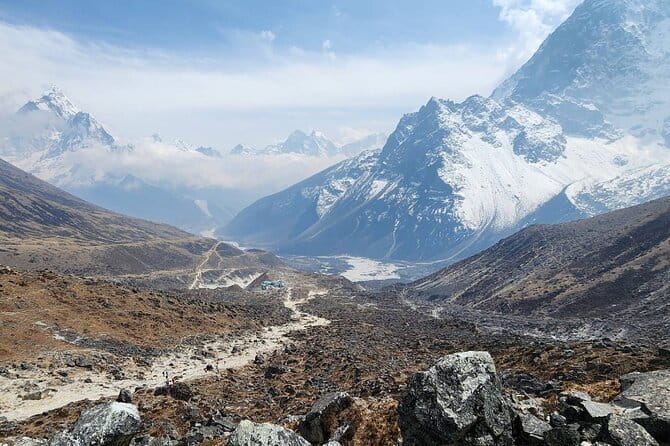
You’ve probably seen Everest photos where everything looks sharp, clean, and slightly unreal. On this trek, the realism creeps in step by step. One hour you’re walking along the Dudh Koshi valley, the next you’re in forest air, then the trail tightens and the mountains start to look less like “a picture” and more like a wall you can measure with your eyes.
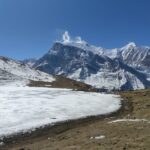
The itinerary is built around that feeling. You move through the Khumbu region with planned acclimatization pauses, then push toward the high points where you get the famed sightlines. And the payoff isn’t just one peak. You’re chasing a whole cluster of giants—Everest, Lhotse, Nuptse, Makalu, and others—so even when clouds or light change, you’re not stuck with a single view.
You can also read our reviews of more tours and experiences in Kathmandu.
Price and Logistics: what $1,350 really buys
At $1,350 per person, this trek is priced as a guided, fully organized package rather than a “figure it out yourself” adventure. The biggest value is that a lot of the cost drivers are handled for you:
Included items that matter:
- Hotel pickup and drop-off
- Round-trip flights between Kathmandu and Lukla
- Trekking permit and TIMS card
- English-speaking trekking guide
- Accommodation in guest houses
- First aid kit with the guide
- Private arrangement: your group participates together
What’s not included:
- Personal expenses (food beyond what’s covered in your arrangements, snacks, drinks, tips, and other day-to-day spending)
So the question isn’t just “Is it expensive?” It’s “Does it remove the big headaches?” With flights, permits, a guide, and guesthouse stays handled, you spend your attention where it belongs: pacing your legs, watching the views, and learning the human side of the Khumbu.
One small note: the offer lists group discounts, but it also describes a private trip (only your group). If you’re price-comparing, check how your specific departure is priced in relation to group size.
Kathmandu prep: permits, photos, and the flight-to-Lukla reality
This starts with real-world logistics, and that’s a good thing. You’re picked up and transferred to Kathmandu’s domestic side to catch a scheduled morning flight to Lukla. The plan assumes you’ll do that cleanly, so it’s smart to arrive in Kathmandu ready to move, not still hunting for SIM cards at the last minute.
You’ll also need passport details and a photo (a selfie works) to issue your trekking permit. That’s not glamorous, but it prevents headaches later when trekking documents are required.
And yes, you’re flying into the start point rather than hiking up from sea level. That compresses the schedule, which is great for time. It also means you should take acclimatization seriously when it’s built into the plan.
Day 1 to 2: Lukla and Phakding, then Namche Bazaar’s altitude wake-up call
Lukla to Phakding (short first day)
After your morning flight, you begin trekking and reach Phakding after a few hours. The pace is intentionally short. That matters because your body needs time to stop feeling like an airport marathon and start cooperating with the altitude and the rhythm of walking.
This is also where you’ll find the “real trek” feeling: narrow paths, small bridges, and the sense that you’re moving through a working Himalayan route rather than a theme-park trail.
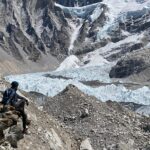
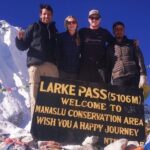
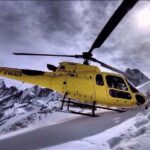
Phakding to Namche Bazaar (the big altitude step)
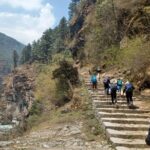
Day two is longer, about 6 hours, through pine forest and along the Dudh Koshi River. You’ll cross suspension bridges, and the walking tends to keep you engaged: steady, scenic, and a little bit demanding.
Then comes Namche Bazaar, the hub of the Khumbu region. Expect it to feel like a town with mountain energy—shops, guesthouses, and people moving in both directions. It’s a place where the trek becomes social, even when you’re hiking as a pair or a small group.
Day 3: Namche Bazaar rest day with smart options
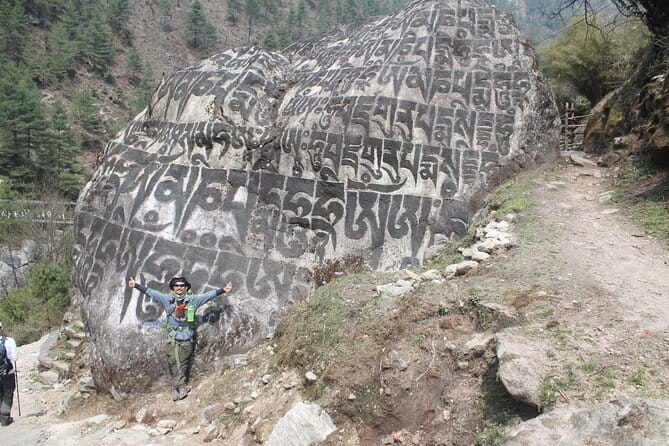
This day is about staying active without exhausting yourself. You’re given time to either take a day hike to Thame, or visit Khunde, or simply explore Namche Bazaar itself.
Here’s how I’d think about it: this rest day isn’t “do nothing.” It’s a chance to let your body adapt while you still keep circulation going. It’s also where you can adjust your gear routine and get a feel for the rhythm of life in the villages.
From a practical standpoint, this is also the day where a good guide earns their keep. A guide helps you choose what matches your energy level—because a perfect plan on paper can still feel too aggressive if you’re not listening to your body.
Day 4: Tengboche and the monastery-view payoff
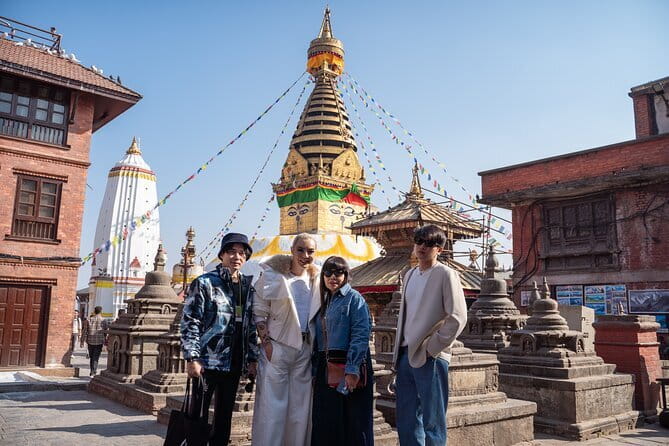
The walk to Tengboche takes around 6 hours and can feel dusty and winding. The upside is real: the panoramic views from the monastery make the effort feel worth it fast.
This is one of those days where the scenery changes in your head, not just in your eyes. The trail climbs and curves, but the monastery viewpoint gives you a moment of stillness. You can slow down for photos, watch prayer flags and village life, and get a sense of why this area is spiritually important to the people who live here.
It’s also a good day to practice pacing. Tengboche often marks a shift from “intro hike” to “I’m really in the high country now” mode.
Day 5 and 6: Dingboche, oldest monastery stops, and another acclimatization pause
Tengboche to Dingboche (around 7 hours)
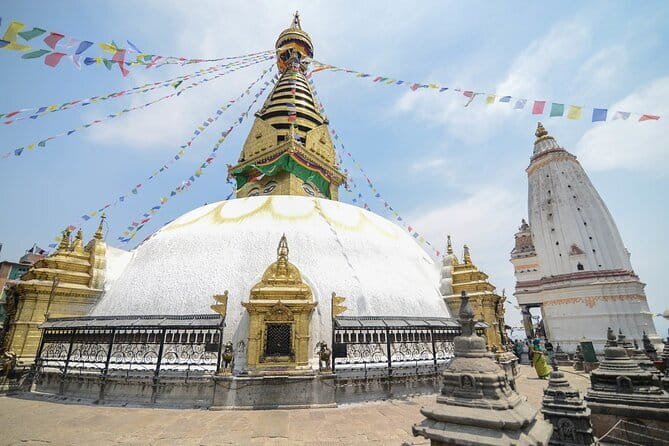
Day five is roughly 7 hours as you work your way toward Dingboche. Along the way, you visit what’s described as the region’s oldest Buddhist monastery, then continue through alpine woods toward Upper Pangboche. From there you pass through more settlements and trail sections like Shomare and nearby areas.
The vibe here changes again. Dingboche sits at a higher, colder-feeling level. The walking is steady, and the altitude starts to be something you notice in your breathing, not something you only read about.
Dingboche rest day (around 5 hours available)
Day six is another rest-and-recover day, about 5 hours of flexible time. You’ll get rewarded with a spectacular view, but the main goal is rest before the next climb toward higher terrain.
You might visit Dingboche and surrounding villages. This is also where you benefit from having a guide who knows how acclimatization should feel in practice: not just “stop,” but “rest in a way that sets you up for the next legs.”
Day 7 to 8: Lobuche, Gorakshep, and the glacier-side approach to Base Camp
Dingboche to Lobuche (around 7 hours, and it feels it)
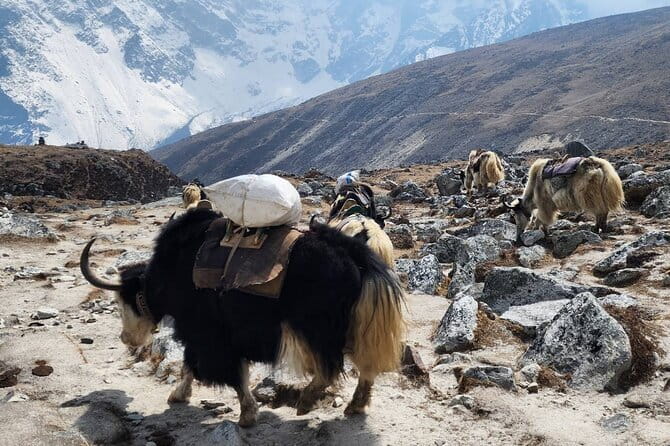
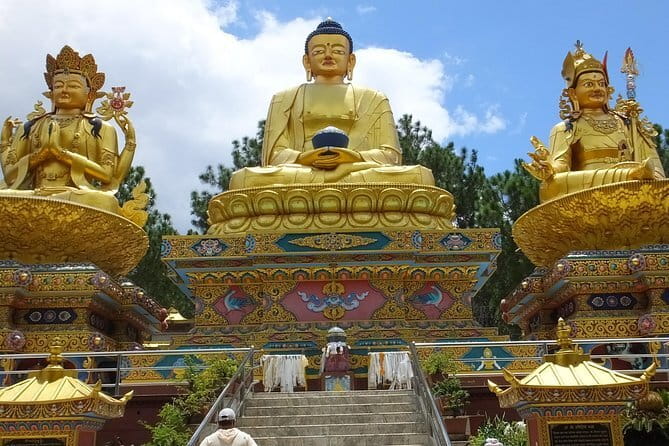
The trek to Lobuche is described as a climb through the Khumbu Khola valley to Duglha, with the valley shrinking as you get closer to Dusa. The route is also described as difficult, with massive boulders and mountain yaks moving through the area.
This day is where many people start noticing that the trek is not a gentle walk. It’s still very manageable with the right pace, but it asks for concentration. Your legs need steady rhythm, and your mind needs to stay calm when the ground is uneven.
Lobuche to Gorakshep, then Everest Base Camp and back (high point day)
Day eight is split into pieces:
- Lobuche to Gorakshep (about 3 hours) via the side of the Khumbu Glacier
- Gorakshep to Everest Base Camp (about 2 hours, included)
- Return to Gorakshep (about 2 hours) for overnight
The route includes a side trail detail: you pass a pyramid signpost, and there’s a decent ascent toward viewpoints like Thangma Riju. You’re essentially doing a two-step journey up to the “Base Camp world” and then back down to your lodge base.
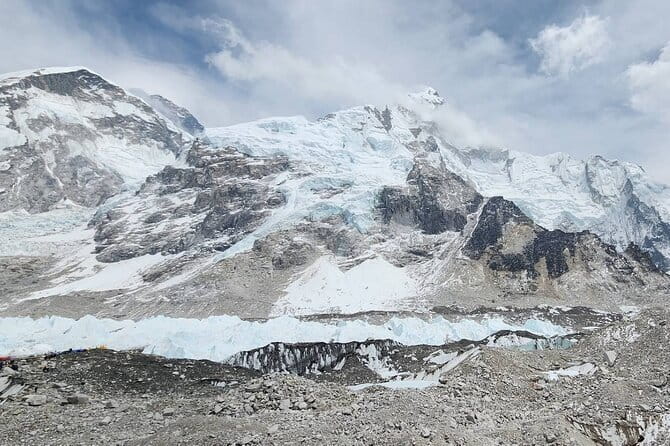
When you reach Base Camp, you’re not just collecting a checkbox. You’re in the place that summarizes why so many trekkers come here: the scale, the sense of expedition history, and the clean mountain lines.
Spend time there, take photos, and let the moment sink in. Then you walk back to Gorakshep because tomorrow isn’t optional.
Day 9: Kala Patthar at the right time, then down to Pheriche
This is an early-start day, around 3 hours toward Kalapatthar (Kala Patthar). The plan is to catch dramatic mountain views from one of the best viewpoints on the EBC route.
This is the day people remember because it’s usually the most intense combination of effort and reward. You’re higher, colder, and working with timing. The view is the point, but the act of getting there is what makes it satisfying.
Afterward, you descend back to Gorakshep and then gradually work down to Pheriche for overnight (about 4 hours). The downhill is where trekking poles and careful foot placement matter. You’re not trying to race the mountain; you’re trying to get your body ready for the final return.
Day 10 to 12: returning through Namche and the final Lukla flight home
Pheriche to Namche Bazaar (about 6 hours)
The return route follows familiar terrain: you pass back toward terminal moraines at Dughla and continue through the wide Khumbu Khola valley. You also go through Sherpa villages like Pheriche, and then back toward Namche Bazaar.
This feels like walking through a story you already know, but the angle is different. Your legs might be tired, but your attention is sharper. You notice patterns: where the river bends, how the trail feels at different altitudes, and how the villages cluster around practical needs like water and shelter.
Namche Bazaar to Phakding and then Lukla (steep and careful)
Day eleven is described as descending steeply downward. That’s great for altitude relief, but rocky terrain means you need control. Your shaky legs are part of the deal, so go slow and keep your steps deliberate.
You then continue toward Lukla through forests of pine and rhododendrons and arrive there for overnight.
Lukla to Kathmandu, then Thamel
On day twelve, you fly back to Kathmandu on a morning flight from Lukla, about 35 minutes, landing at Tribhuvan International Airport. Then you’re set for a return transfer to Thamel, a handy base if you want a meal, a hot shower, and a place to plan your next day in Nepal.
The guide team: how English support and real care affect your experience
The trek is challenging enough. What you want is for your team to make it feel organized, safe, and human. This operator includes an English-speaking trekking guide plus a first aid kit.
In the reviews, specific guides show up again and again, and their strengths are practical:
- Milan gets praised for experience, kindness, and making the trek feel manageable.
- Bikram is highlighted for professionalism, deep trail know-how, and organizing tea house stays and acclimatization plans with safety in mind.
- Bishnu is noted for being knowledgeable and supportive, with people mentioning the trek’s cultural insights.
- Sagar is mentioned for strong organization, while the overall team support also comes through.
Even if you don’t meet every guide named above, you can use this as a clue about what kind of leadership you’re likely to experience: people who prioritize safety, keep the schedule sensible, and communicate well when the weather or your energy levels shift.
Who this trek is best for, and who should think twice
This is best for:
- Hikers with strong physical fitness who want a classic route with a guide
- People who care about both mountain views and Sherpa culture, including monasteries and village life
- Travelers who like clear structure: flights, permits, guesthouse stays, and a daily plan
It’s not ideal for:
- Anyone who expects easy walking or luxury comfort on the trail (guesthouses are practical, not fancy)
- People who don’t want to deal with altitude changes, multi-hour trekking, and careful pacing
If you’re the type who likes to understand what you’re seeing, the cultural stops will feel meaningful rather than random.
Should you book this Everest Base Camp trek from Kathmandu?
If your goal is the full Everest Base Camp storyline—Lukla start, Namche adjustment, Tengboche monastery views, Dingboche acclimatization, Base Camp itself, and an early run to Kala Patthar—this package is a strong fit. The pricing works because the core logistics are handled: flights, permits, guide, and guesthouse accommodation, with support built in through an included first aid kit.
Before you book, be honest about fitness and budgeting for personal expenses. Also make sure your passport details and photo are ready when needed, since permits depend on them.
If you want an Everest trek that feels both iconic and practical, with a team that takes guiding seriously, this is the kind of itinerary that delivers.
FAQ
How long is the Everest Base Camp trek from Kathmandu?
The trek runs about 12 days.
How do we travel from Kathmandu to the Everest region?
You fly from Kathmandu to Lukla by a scheduled morning flight, then start trekking from Lukla.
Are round-trip flights included?
Yes. Round-trip flights Kathmandu to Lukla and back to Kathmandu are included.
What permits are included?
The package includes a trekking permit and a TIMS card.
Will I have an English-speaking guide?
Yes. An English-speaking trekking guide is included.
Where will we stay during the trek?
You’ll stay in guest houses during the trek.
Is hotel pickup and drop-off included?
Yes. Hotel pickup and drop-off are included.
What’s not included in the price?
Personal expenses are not included.
What fitness level do I need?
Travelers should have a strong physical fitness level.
Can I cancel for a full refund?
You can cancel up to 3 days in advance of the experience start time for a full refund.